
Focus improvement Reading Worksheets for Ages 3-4
3 filtered results
Difficulty Level
Grade
Age
-
From - To
Subject
Activity
Standards
Improve your child's focus and reading skills with our specially designed Focus Improvement Reading Worksheets for Ages 3-4! These engaging worksheets offer interactive activities that enhance attention while fostering a love for reading. Each worksheet features colorful illustrations and age-appropriate tasks tailored to captivate young minds and promote concentration. With fun exercises that include letter identification, picture matching, and simple word recognition, your little one will enjoy developing vital literacy skills. Our resources aim to make learning enjoyable and effective, setting the foundation for future academic success. Explore our collection today and watch your child thrive in their reading journey!
Favorites
With answer key
Interactive
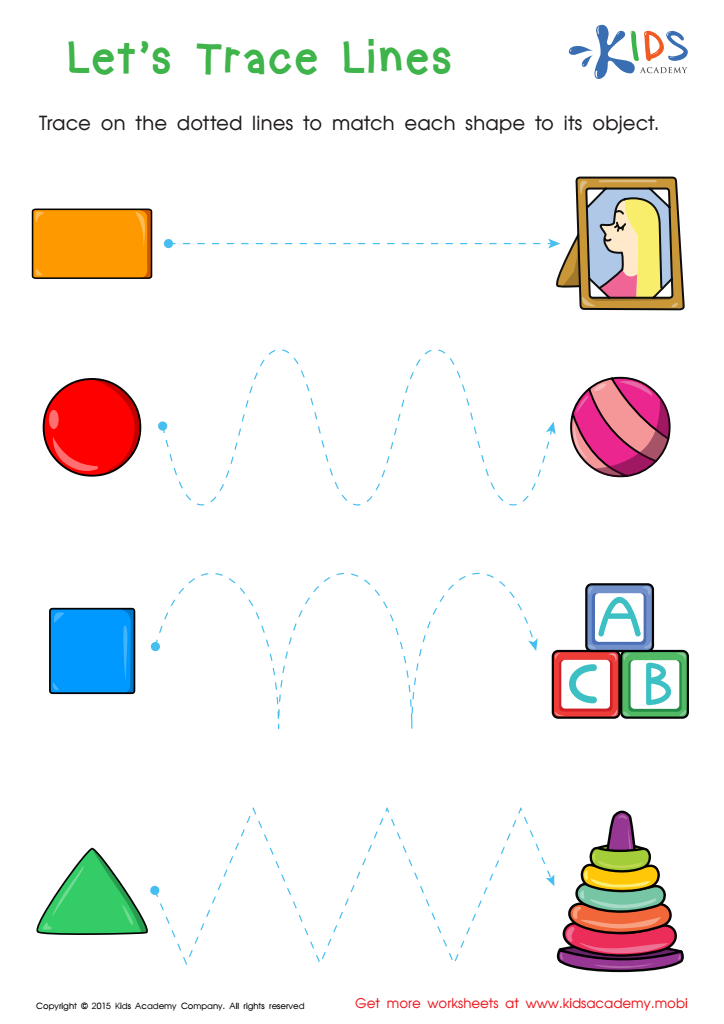
First Words: Let's Trace Lines Worksheet
Printable tracing lines for toddlers will provide your little one with the skills needed for future handwriting success. Proper grip, fine motor skills, and hand-to-eye coordination are key. Let's get their writing journey off to a great start!
First Words: Let's Trace Lines Worksheet
Worksheet
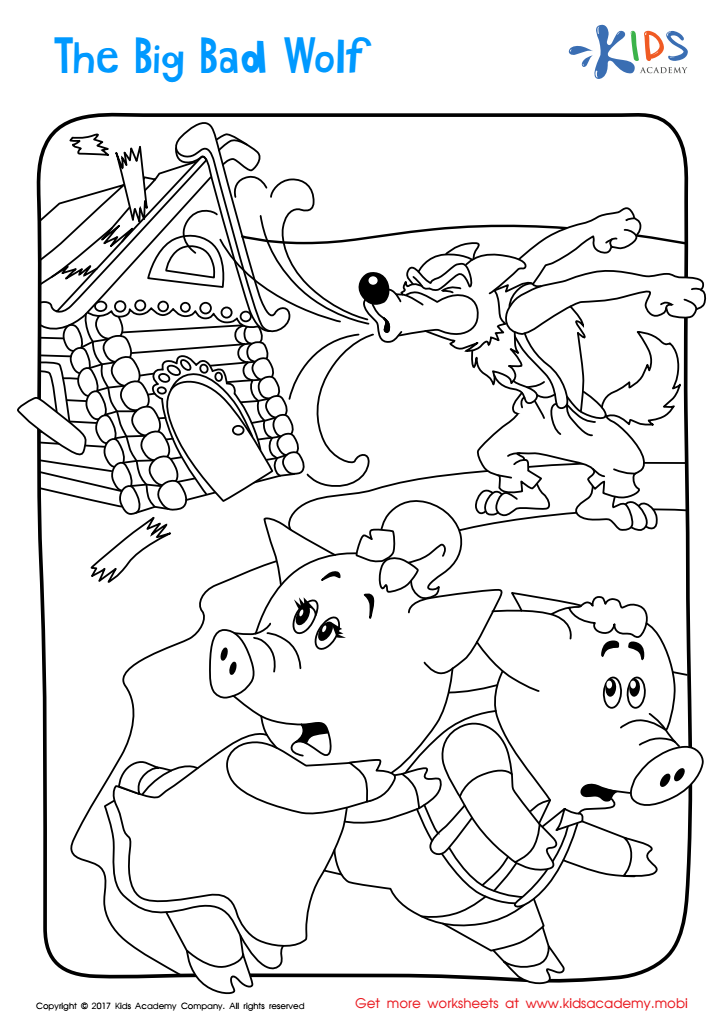
Big Bad Wolf Printable Coloring Page
Let your child have fun coloring the Big Bad Wolf blowing down the little pig's house! This printable coloring page introduces the classic tale, helping to develop reading comprehension skills.
Download (PDF)
 Assign to My Students
Assign to My Students
Big Bad Wolf Printable Coloring Page
Worksheet
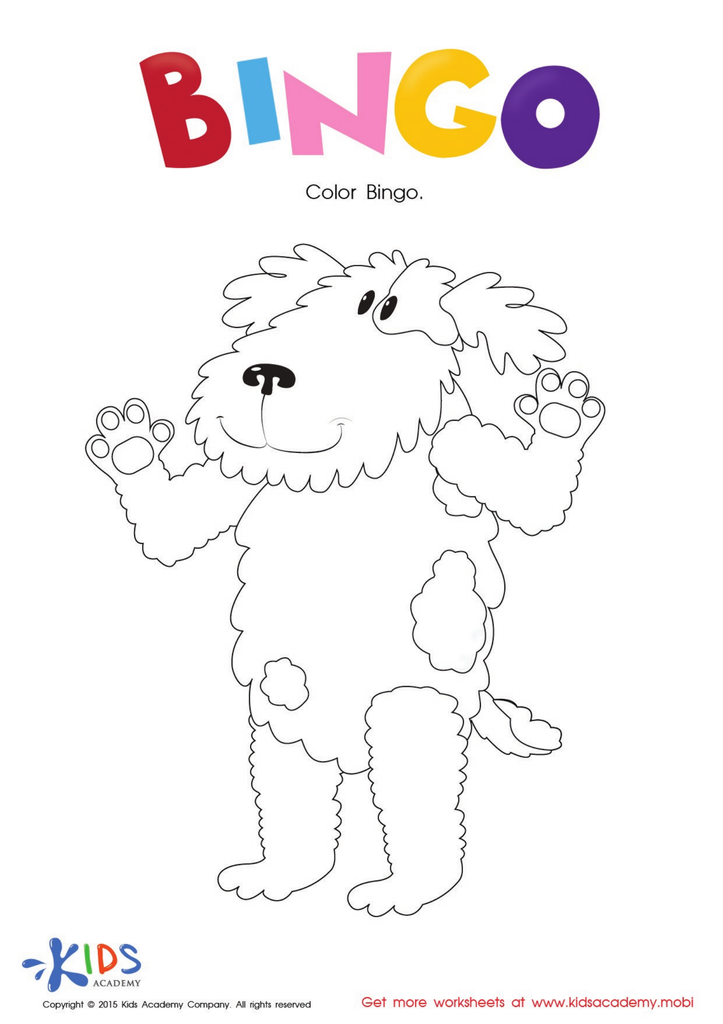
The Bingo Song: Coloring The Dog Worksheet
Introduce your kids to Bingo with this coloring worksheet from Kids Academy. Have them spell his name and color him the way they imagine. Develop their skills and get them excited with this fun activity. Visit our website for more nursery rhymes worksheets and activities for your little learners.
The Bingo Song: Coloring The Dog Worksheet
Worksheet
Join Kids Academy for Free
Who is primarily going to use this learning content?








Parents and teachers should prioritize focus improvement in reading for children aged 3-4 because this foundational skill significantly enhances literacy development and overall academic success. At this age, children are naturally curious and eager to absorb knowledge, making it an essential time to cultivate their attention spans.
By fostering focus during reading activities, we help children develop essential cognitive skills, such as comprehension, retention, and critical thinking. Enhanced focus improves their ability to engage with stories, follow narratives, and understand character motivations, which are crucial for building language skills and vocabulary. Moreover, reading becomes more enjoyable, instilling a lifelong love of books and learning.
Additionally, strong focus skills lay the groundwork for attention in structured educational environments. Children who can concentrate on reading tasks are more likely to excel in future academic pursuits. For parents and teachers, implementing engaging strategies—like interactive storytelling or incorporating sensory elements—can enhance attention and turn reading time into a positive, enriching experience. Ultimately, investing effort in focus improvement not only benefits reading skills but also nurtures essential social and emotional development, ensuring children are better prepared for the challenges of school and beyond.








