
Handwriting practice Reading Worksheets for Ages 3-4
5 filtered results
Difficulty Level
Grade
Age
-
From - To
Subject
Activity
Standards
Introduce young learners to the joys of writing with our Handwriting Practice Reading Worksheets for Ages 3-4! These specially designed printables from Kids Academy help preschoolers develop essential fine motor skills and early literacy. With fun, engaging activities that involve tracing letters and simple words, children will enhance their hand-eye coordination and gain confidence in their ability to write. Perfect for both home and classroom settings, our worksheets provide a foundational step in the exciting journey of reading and writing. Foster a love of learning and set the stage for future academic success with our expertly crafted resources.
Favorites
With answer key
Interactive
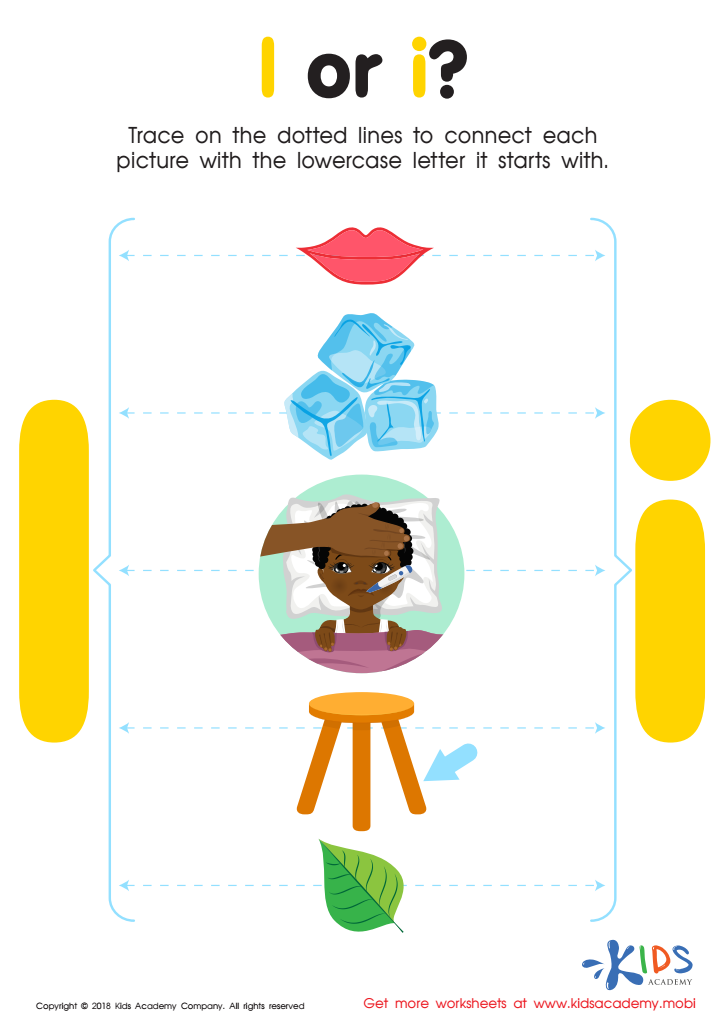
l or i? Worksheet
Trace the dotted lines on this worksheet to connect pictures with their lowercase letter. Ask your child what each picture is and the first letter of the word. Guide them to trace the letter with the dotted lines.
 Assign to My Students
l or i? Worksheet
Worksheet
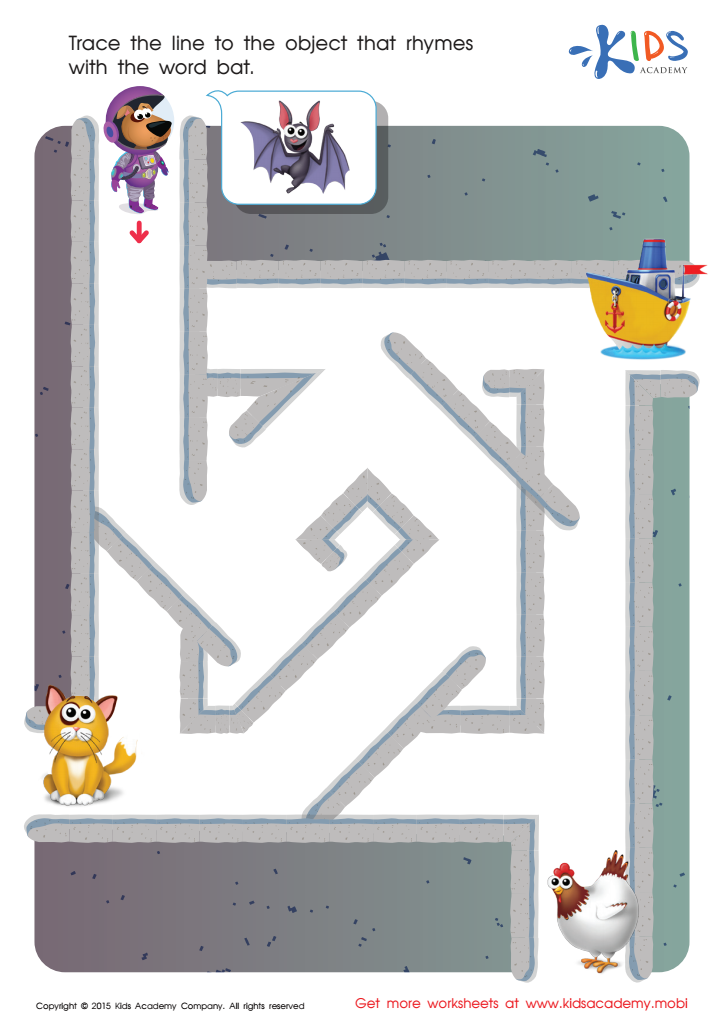
Bat Rhyming Words Worksheet
Get new reading and vocabulary worksheets to help make learning enjoyable for you and your kids. Join the dog and match the objects that rhyme. Have a blast!
Bat Rhyming Words Worksheet
Worksheet
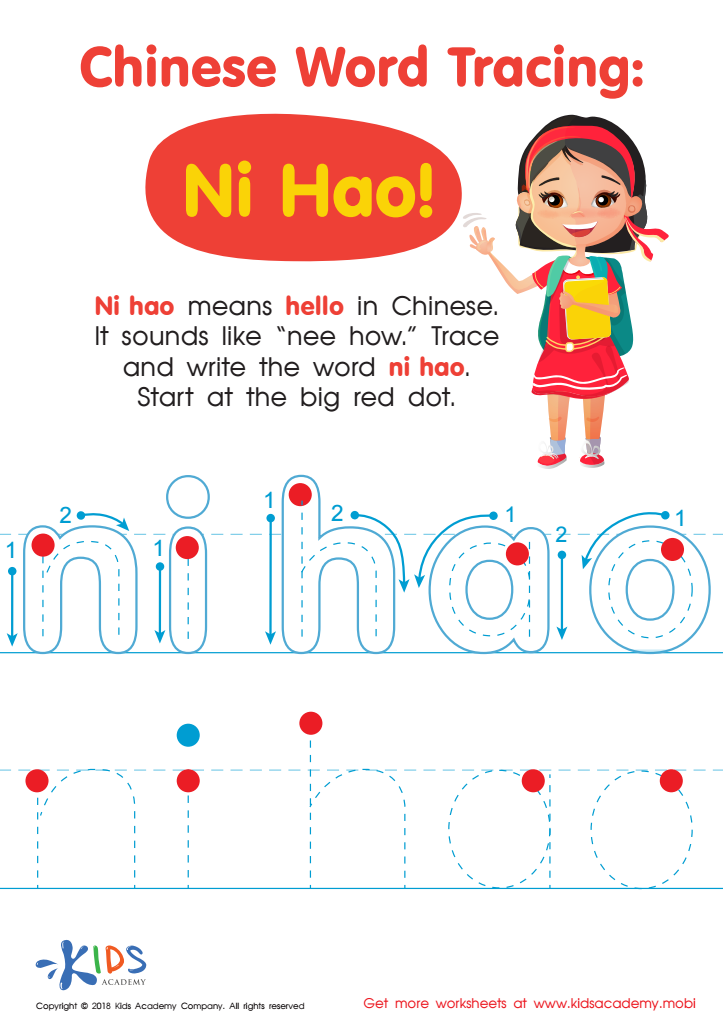
Chinese Word Tracing: Ni Hao Worksheet
Kids can learn to say "Ni hao" with this fun tracing worksheet. The free PDF helps kids write and say the Chinese greeting while also developing fine-motor, handwriting and reading skills. With red guide dots and traceable lines, kids will learn top-to-bottom and left-to-right patterning for fluent reading.
Chinese Word Tracing: Ni Hao Worksheet
Worksheet
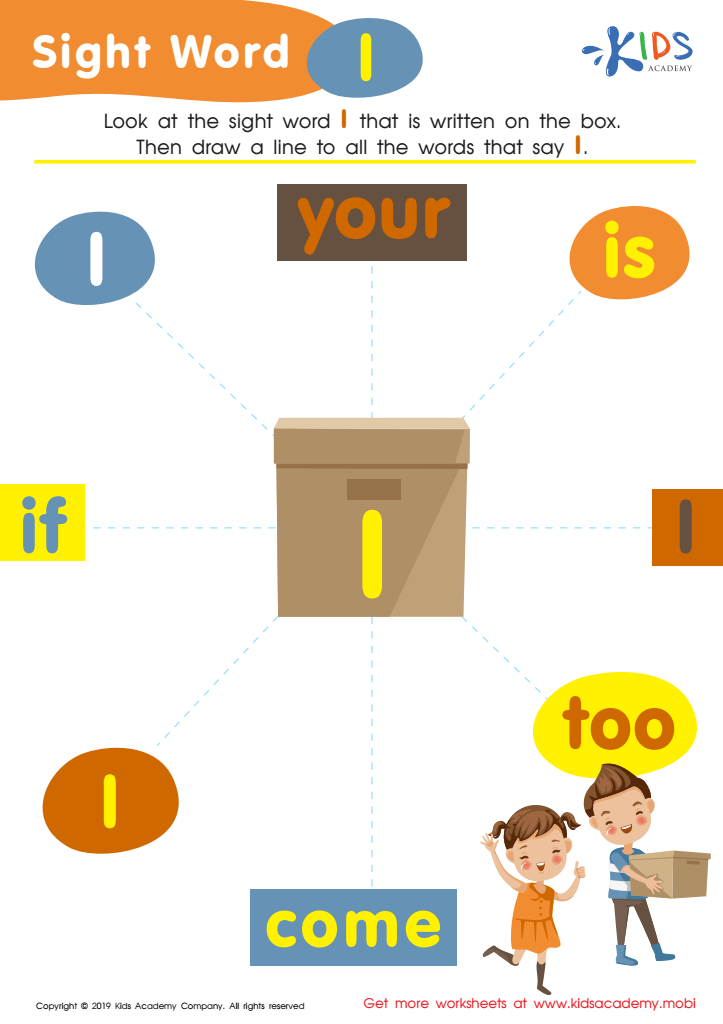
Sight Word I Worksheet
Recognizing the sight word 'I' is harder than it looks! When kids are learning to read, they understand 'I' by its sound, not as a word. This free worksheet gives them practice with 'I', letting them work on their fine motor skills too. They'll join 'I' to shapes containing the same letter. It's a great way to give kids confidence in their reading skills!
Sight Word I Worksheet
Worksheet
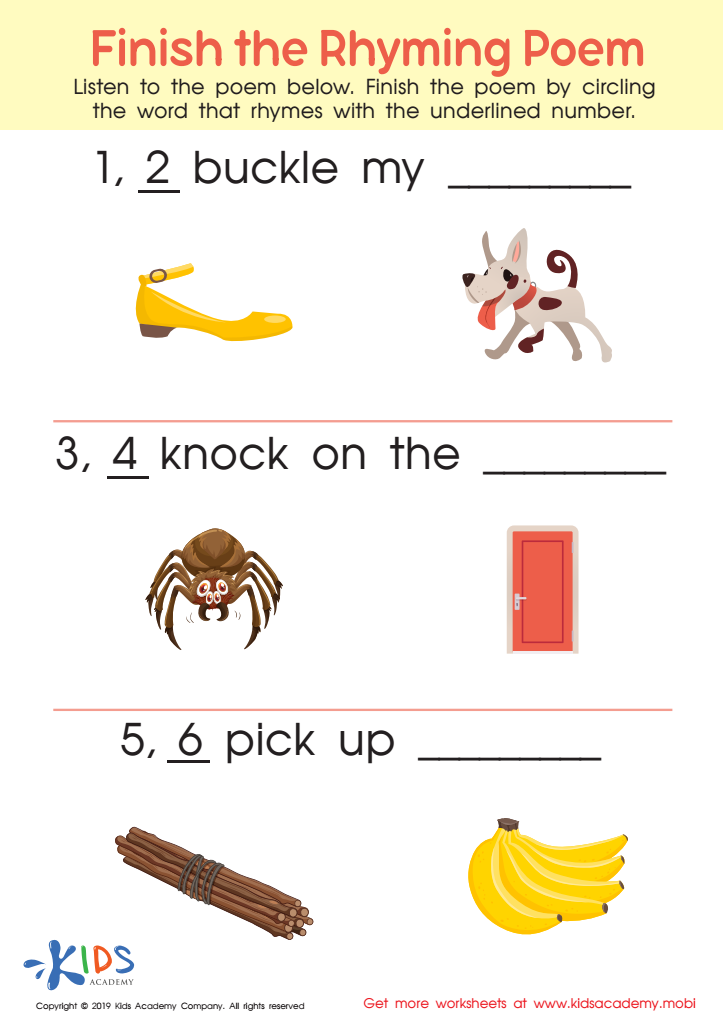
Finish Rhyming Poem Worksheet
Poems are a great way to express emotions and spark imagination. Does your child enjoy poetry and even have their own creations? If so, they'll love this worksheet. It's a great way to develop their rhyming skills. Challenge them to find and circle the words that rhyme with the ones underlined.
Finish Rhyming Poem Worksheet
Worksheet
Join Kids Academy for Free
Who is primarily going to use this learning content?





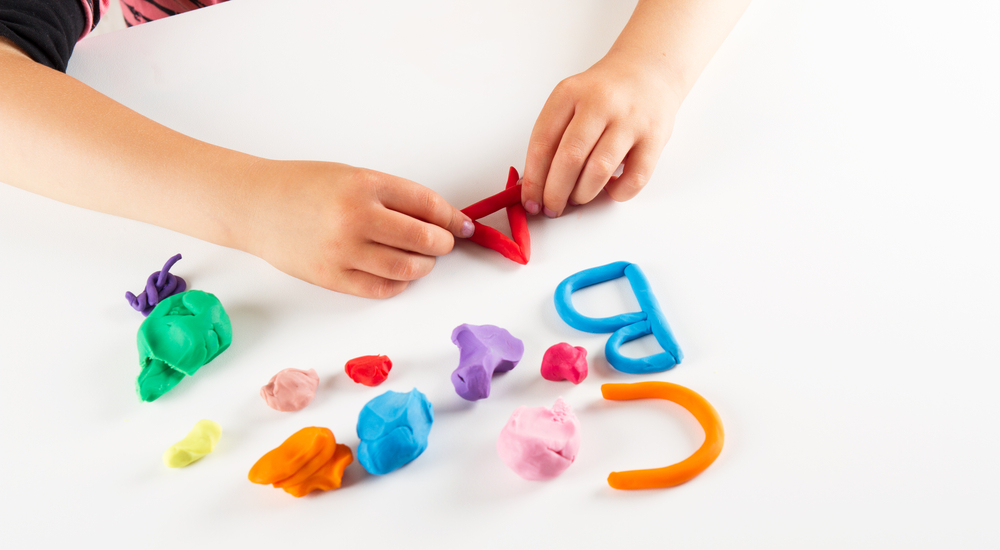

Handwriting practice plays a pivotal role in early childhood development, particularly for ages 3-4. During this period, children are at a crucial stage where motor skills are rapidly developing and laying down the foundational blocks for future learning. Encouraging handwriting practice stimulates fine motor skills, enhancing the child's ability to control and coordinate small muscle movements, particularly in their hands and fingers. This control is essential not just for writing, but also for tasks like buttoning shirts, using scissors, and drawing.
Furthermore, handwriting practice is closely tied to cognitive and language development. When children practice writing, they simultaneously reinforce letter recognition, phonemic awareness, and early reading skills. This multi-sensory approach—seeing, saying, and writing letters—solidifies the connection between the letters and their associated sounds, thereby boosting their pre-reading skills.
Socially, consistent handwriting practice promotes classroom participation and self-confidence as children can comfortably express their ideas and unique talents through written forms. Committing to handwriting and reading practices at this critical stage doesn't merely teach kids to form letters. It fosters an environment where skills in reading, writing, and beyond can flourish, ultimately setting the stage for academic success and a lifelong love of learning. Therefore, as parents and teachers, focusing on these practices gives children a significant educational advantage.








