Discover our engaging "Understanding Fractions Reading Worksheets for Ages 3-4"! Designed to introduce young learners to the basics of fractions, these fun and interactive worksheets make learning easy and enjoyable. Through colorful illustrations and simple exercises, children will begin to understand concepts such as halves, thirds, and quarters. Ideal for early learners, these resources foster critical thinking and build a strong mathematical foundation. Perfect for parents and educators alike, our worksheets are a fantastic way to support your child's early math skills in an accessible and exciting format. Empower your little ones with the gift of learning fractions today!
Check out this FREE Trial Lesson on Reading for age 3-4!

T

Favorites
With answer key
Interactive
  • 3-4
  • Understanding fractions
  • Reading
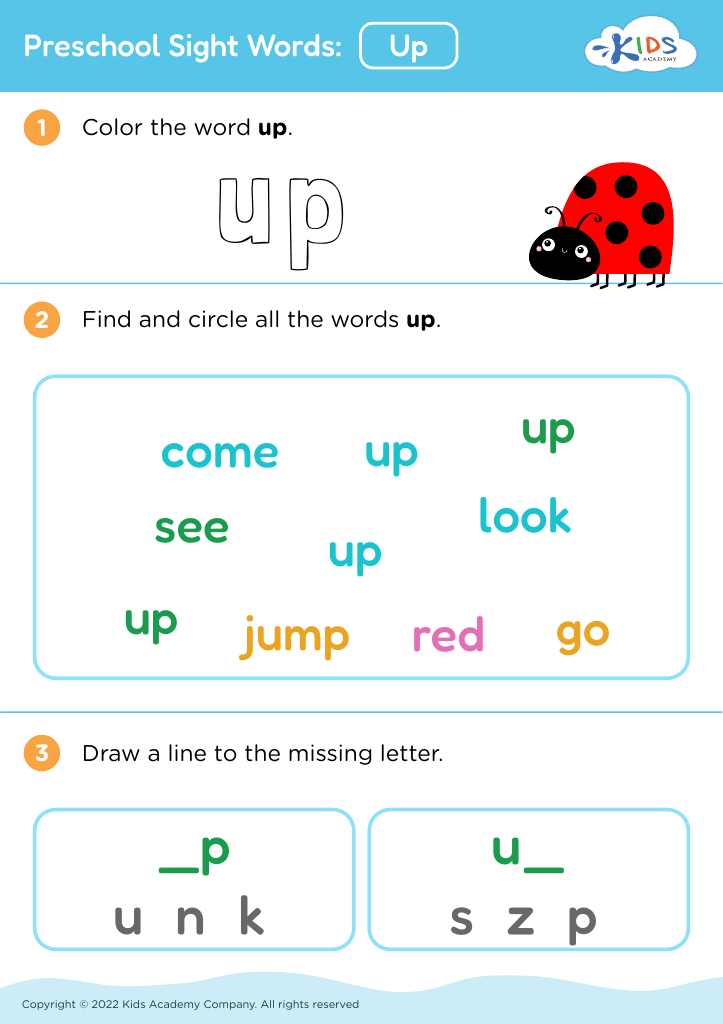
Preschool Sight Words: Up

Preschool Sight Words: Up

Preschool Sight Words: Up
Worksheet
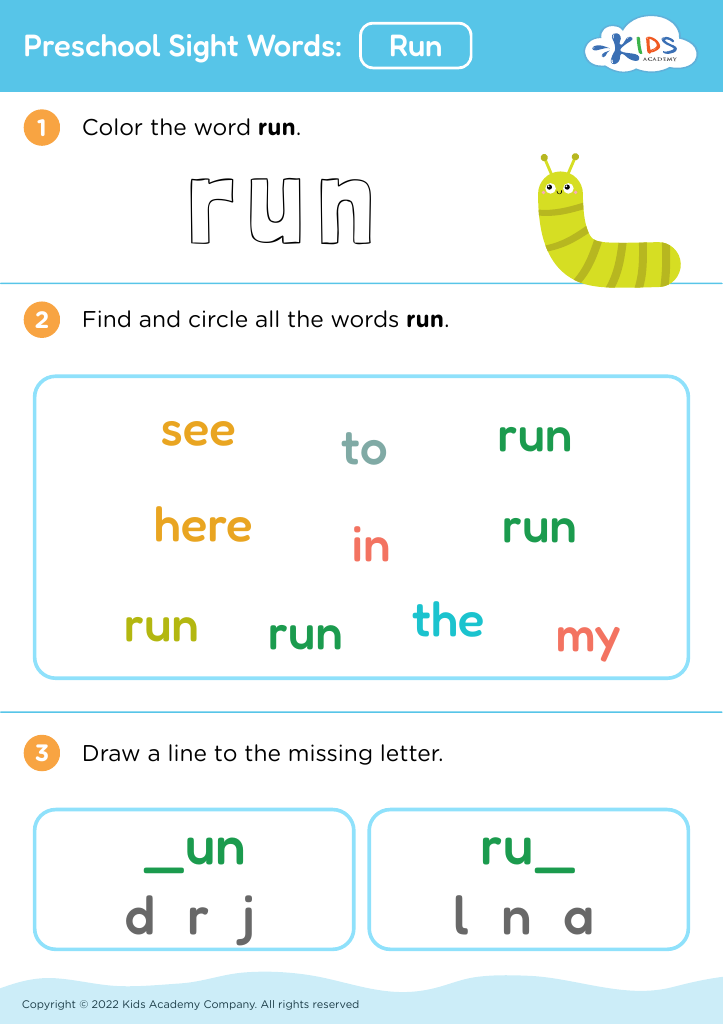
Preschool Sight Words: Run

Preschool Sight Words: Run

Preschool Sight Words: Run
Worksheet
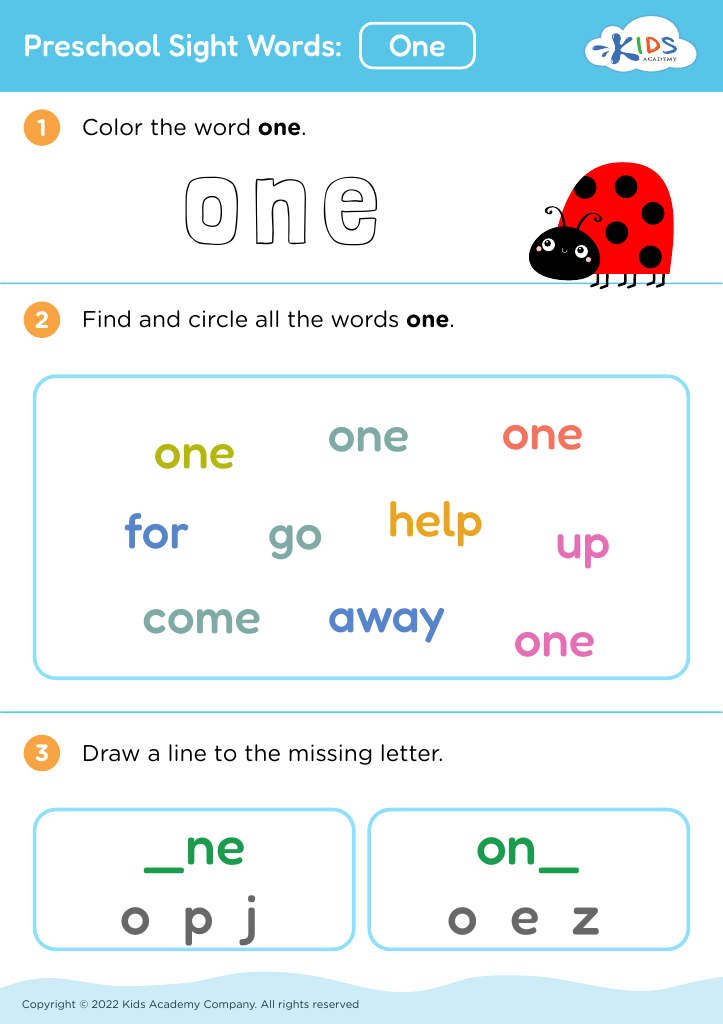
Preschool Sight Words: One

Preschool Sight Words: One

Preschool Sight Words: One
Worksheet
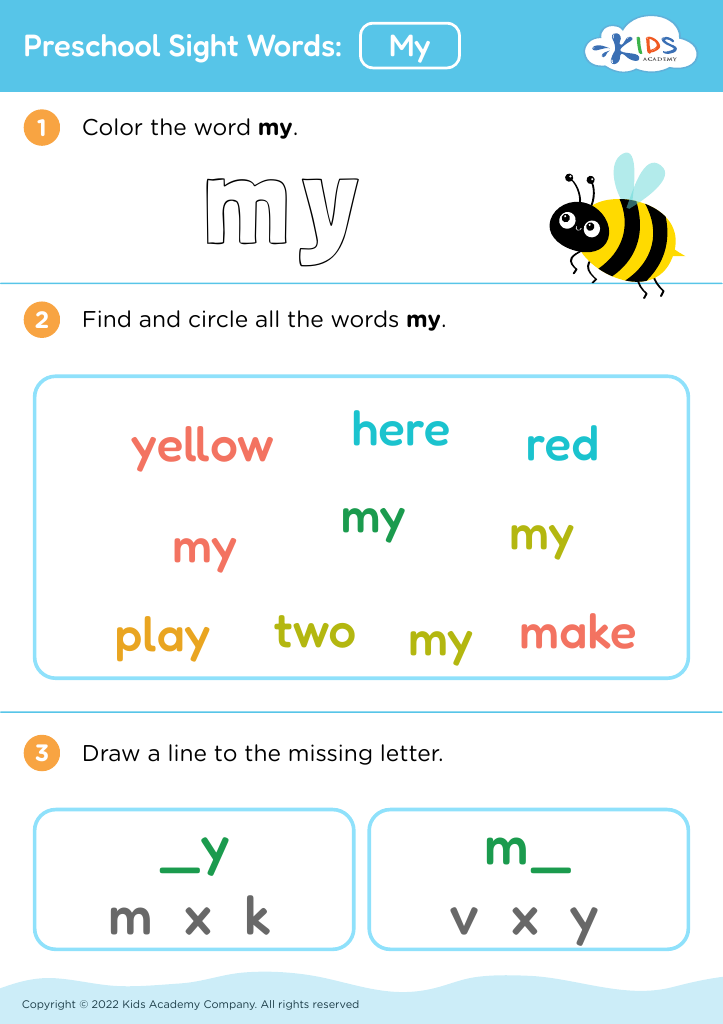
Preschool Sight Words: My

Preschool Sight Words: My

Preschool Sight Words: My
Worksheet
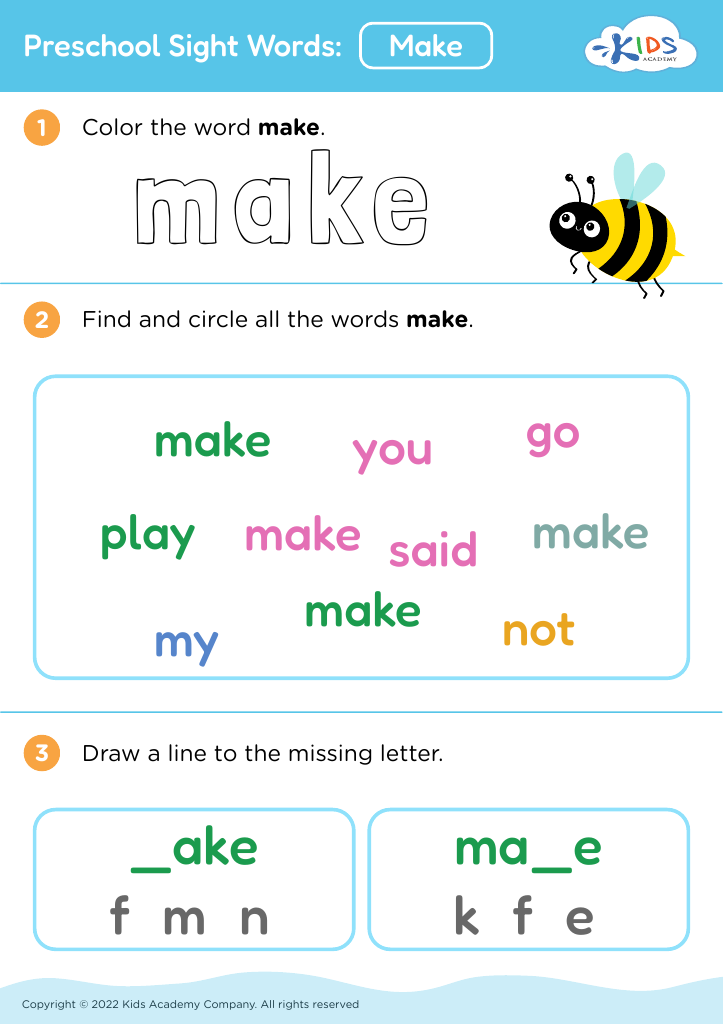
Preschool Sight Words: Make

Preschool Sight Words: Make

Preschool Sight Words: Make
Worksheet
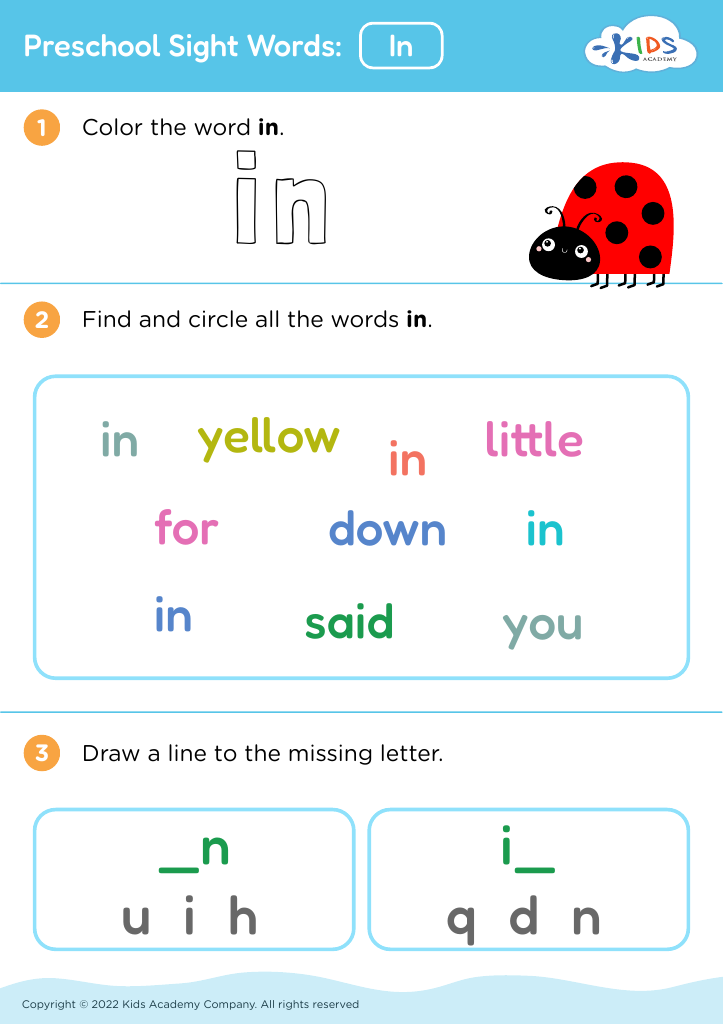
Preschool Sight Words: In

Preschool Sight Words: In

Preschool Sight Words: In
Worksheet
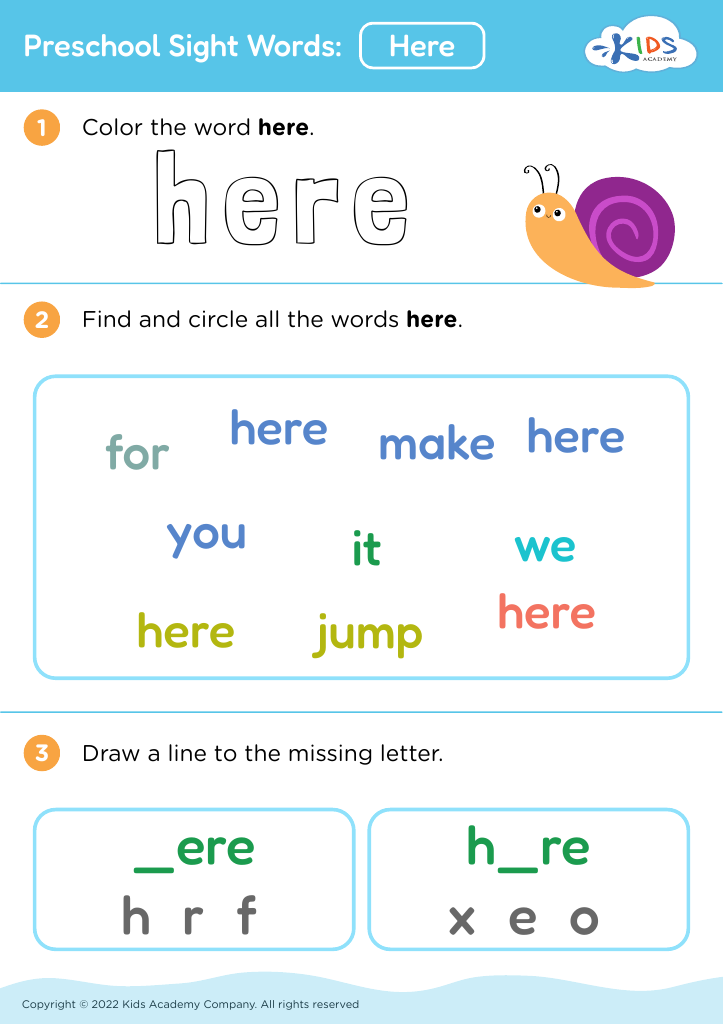
Preschool Sight Words: Here

Preschool Sight Words: Here

Preschool Sight Words: Here
Worksheet
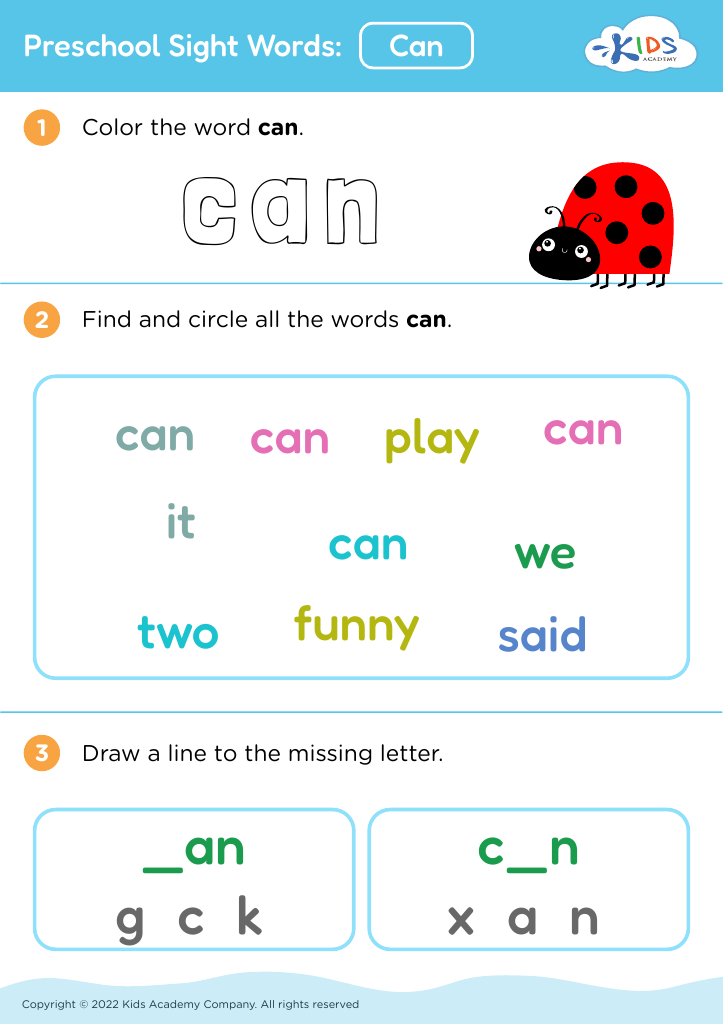
Preschool Sight Words: Can

Preschool Sight Words: Can

Preschool Sight Words: Can
Worksheet
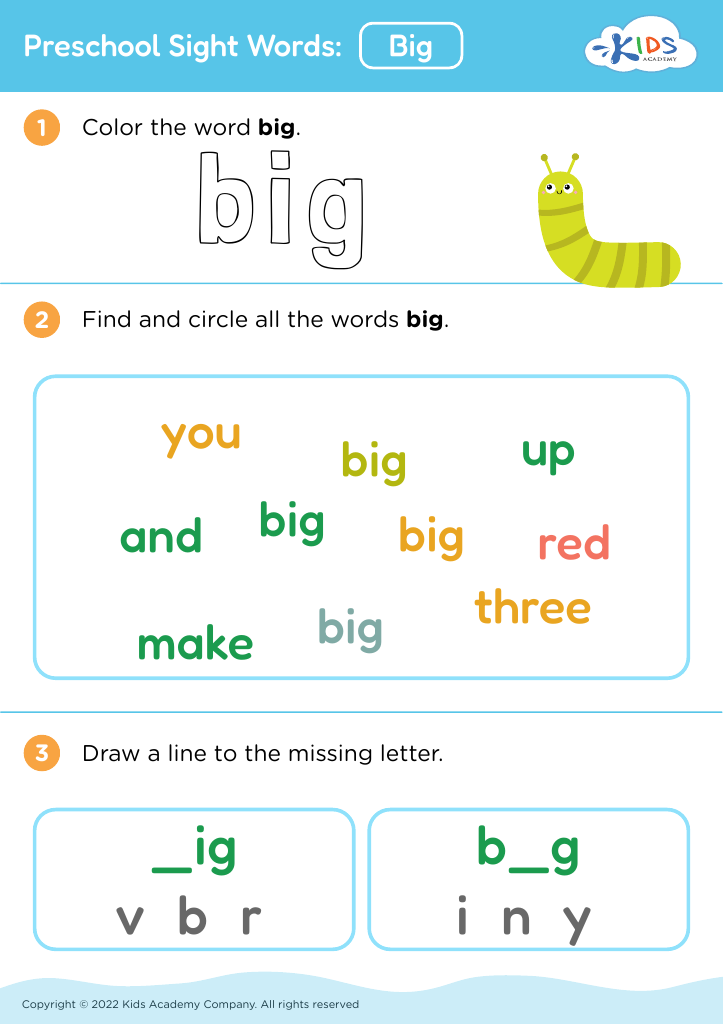
Preschool Sight Words: Big

Preschool Sight Words: Big

Preschool Sight Words: Big
Worksheet
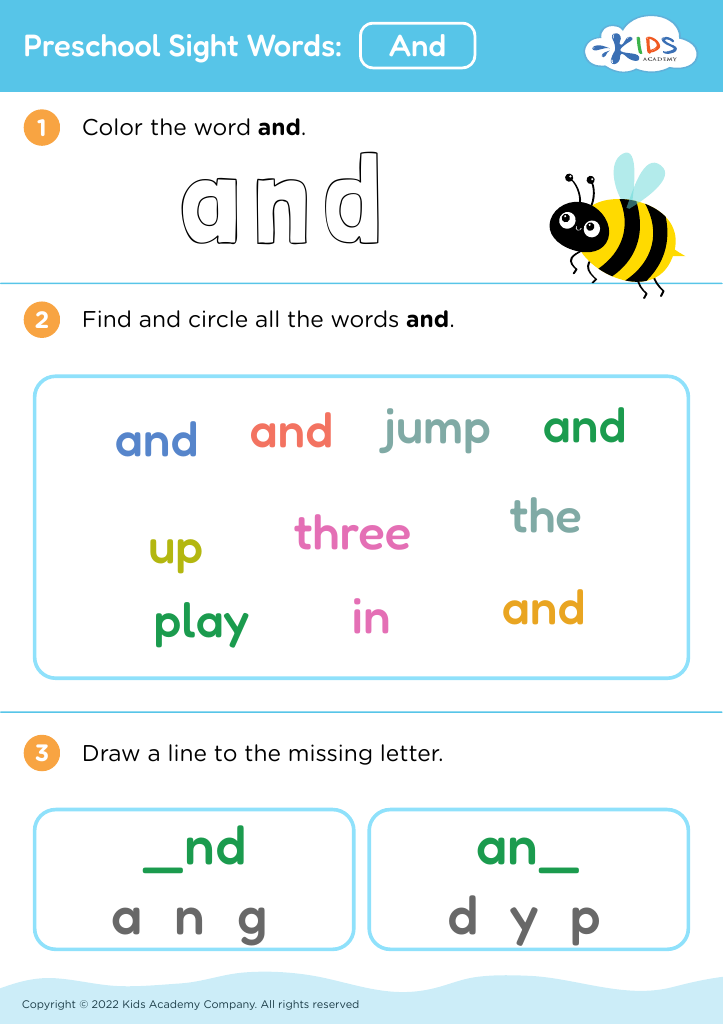
Preschool Sight Words: And

Preschool Sight Words: And

Preschool Sight Words: And
Worksheet
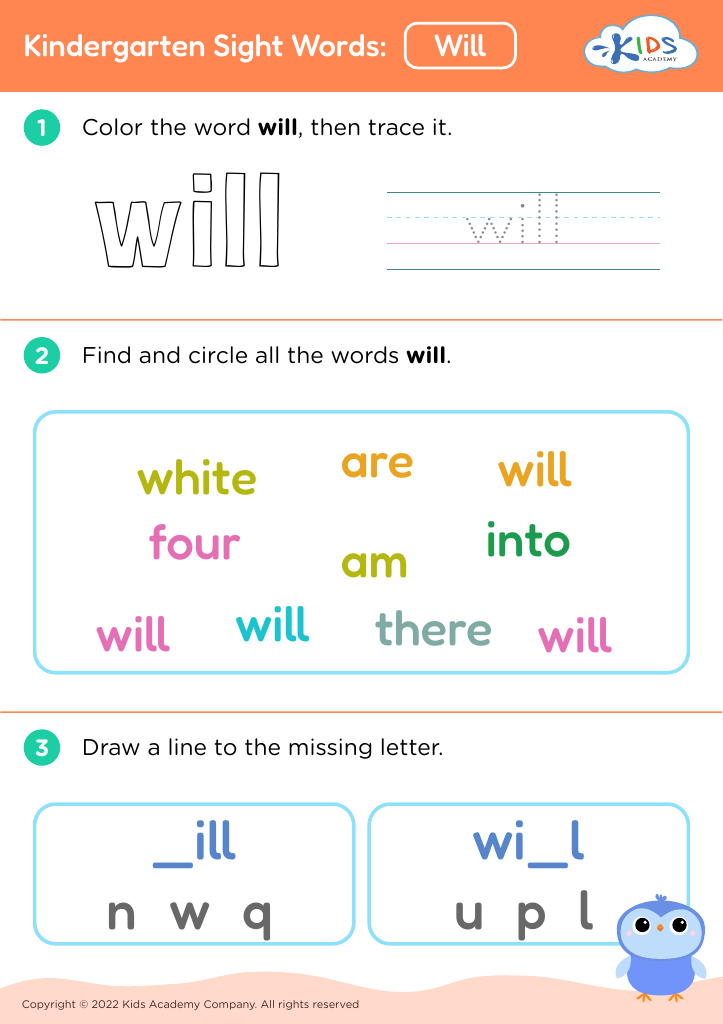
Kindergarten Sight Words: Will

Kindergarten Sight Words: Will

Kindergarten Sight Words: Will
Worksheet
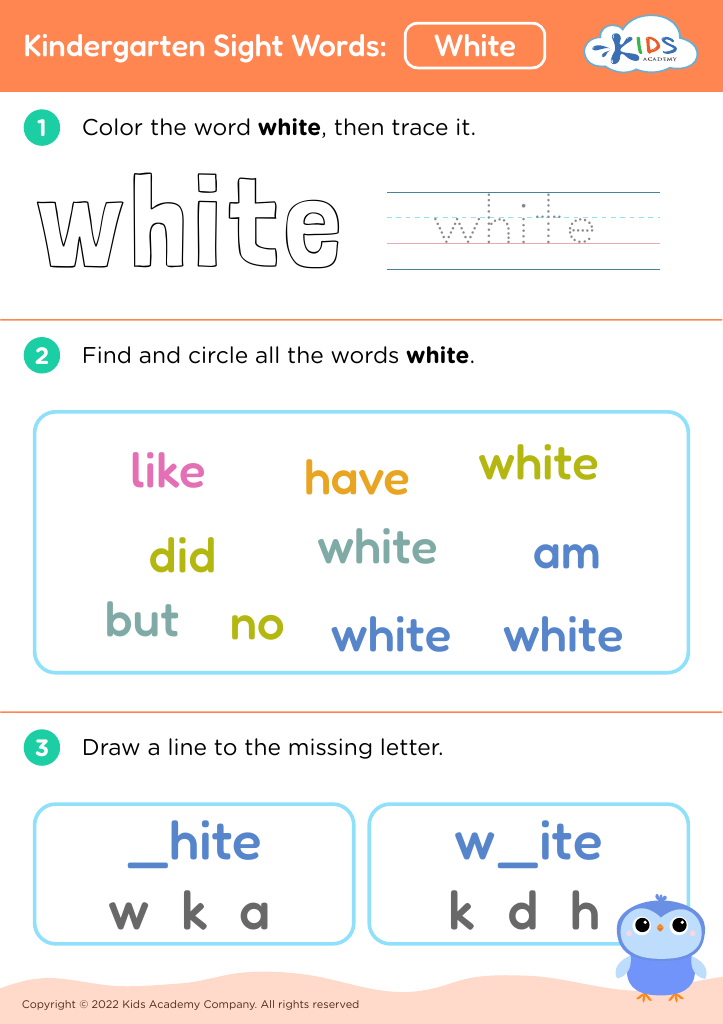
Kindergarten Sight Words: White

Kindergarten Sight Words: White

Kindergarten Sight Words: White
Worksheet
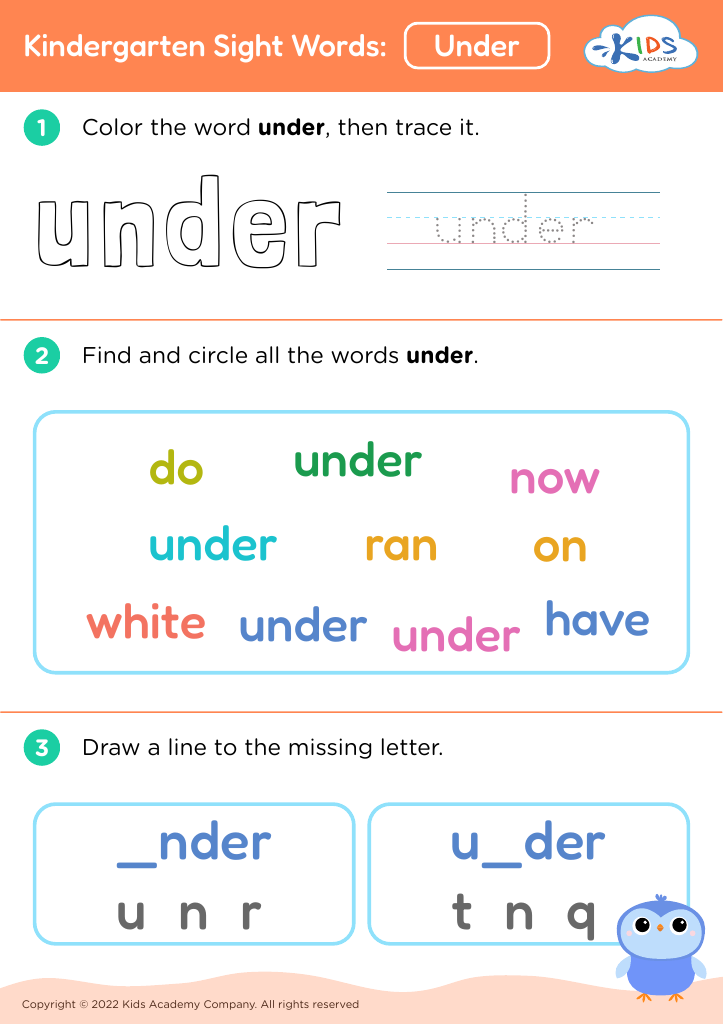
Kindergarten Sight Words: Under

Kindergarten Sight Words: Under

Kindergarten Sight Words: Under
Worksheet
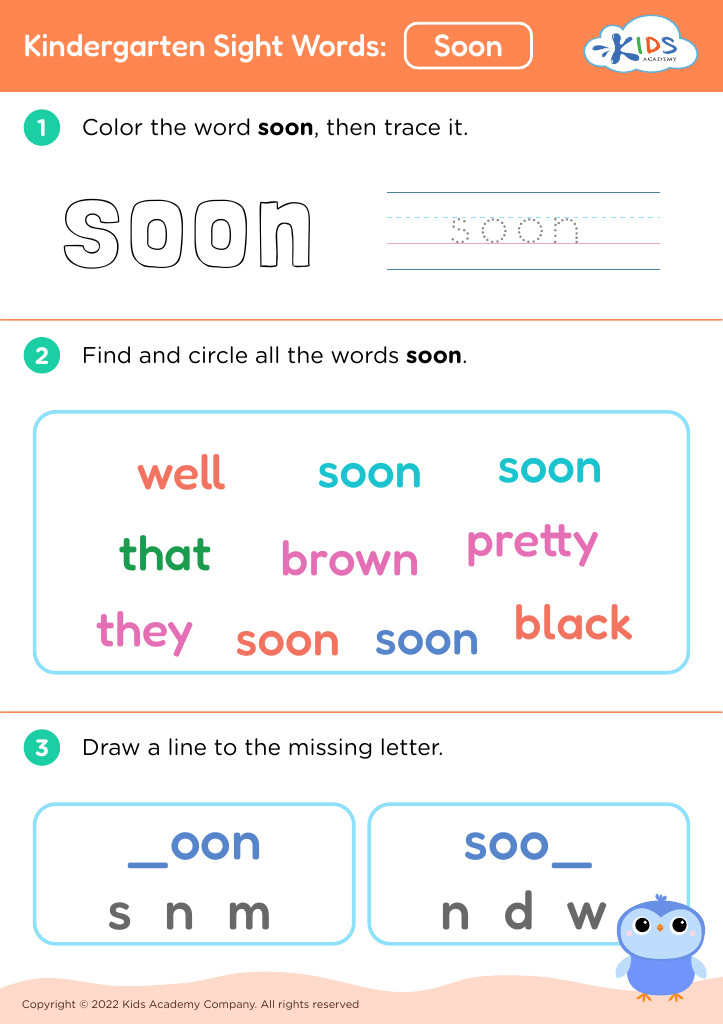
Kindergarten Sight Words: Soon

Kindergarten Sight Words: Soon

Kindergarten Sight Words: Soon
Worksheet
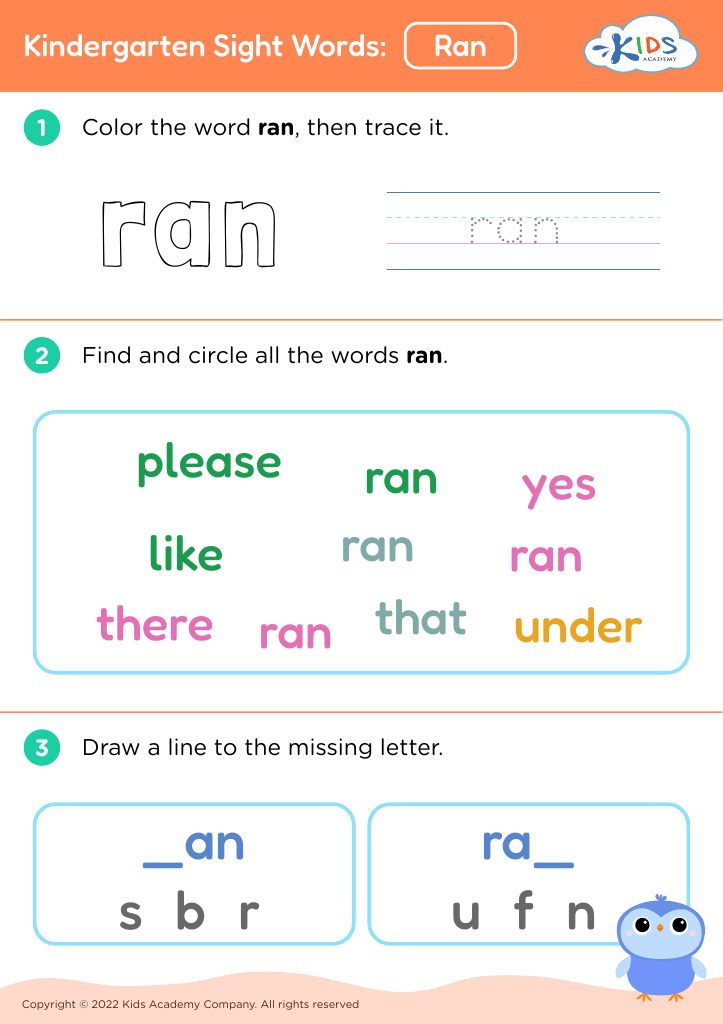
Kindergarten Sight Words: Ran

Kindergarten Sight Words: Ran

Kindergarten Sight Words: Ran
Worksheet
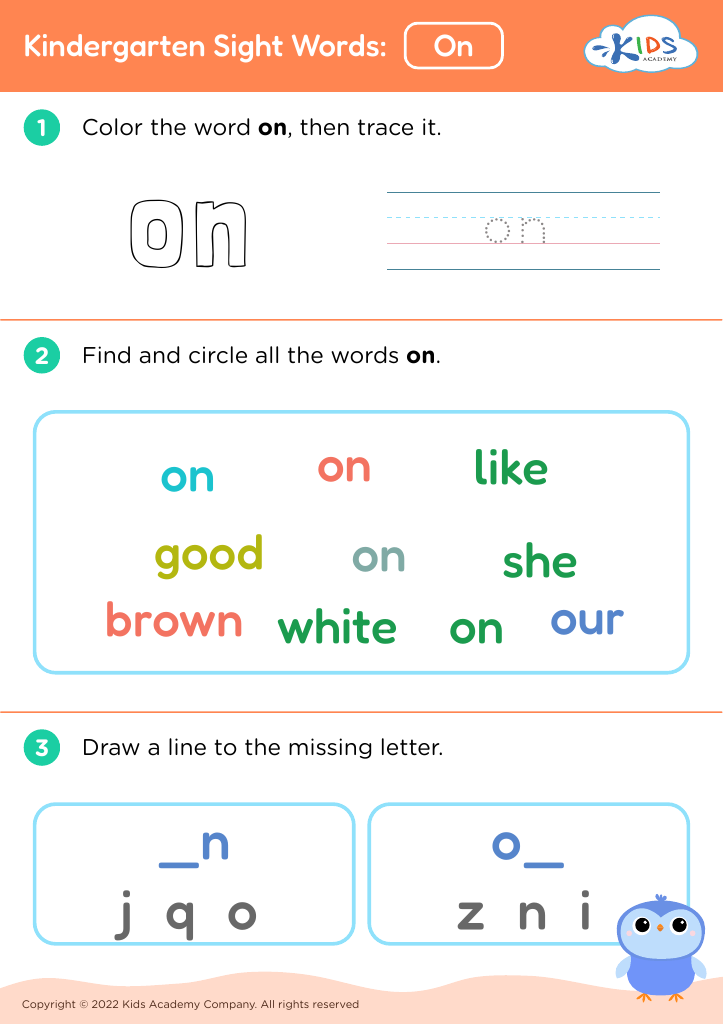
Kindergarten Sight Words: On

Kindergarten Sight Words: On

Kindergarten Sight Words: On
Worksheet
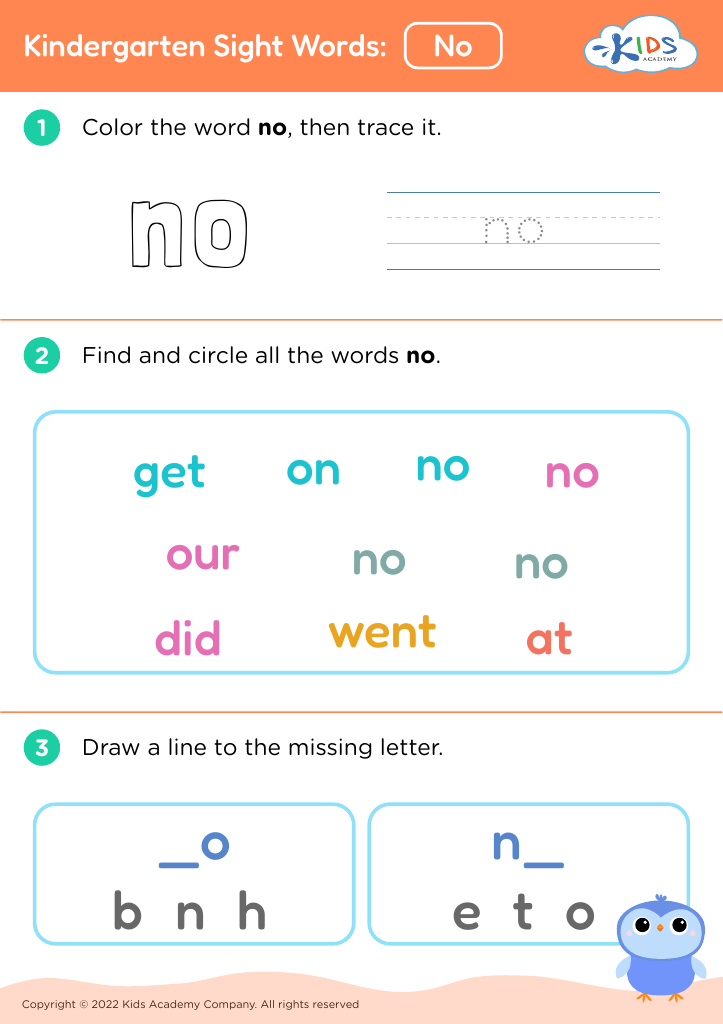
Kindergarten Sight Words: No

Kindergarten Sight Words: No

Kindergarten Sight Words: No
Worksheet
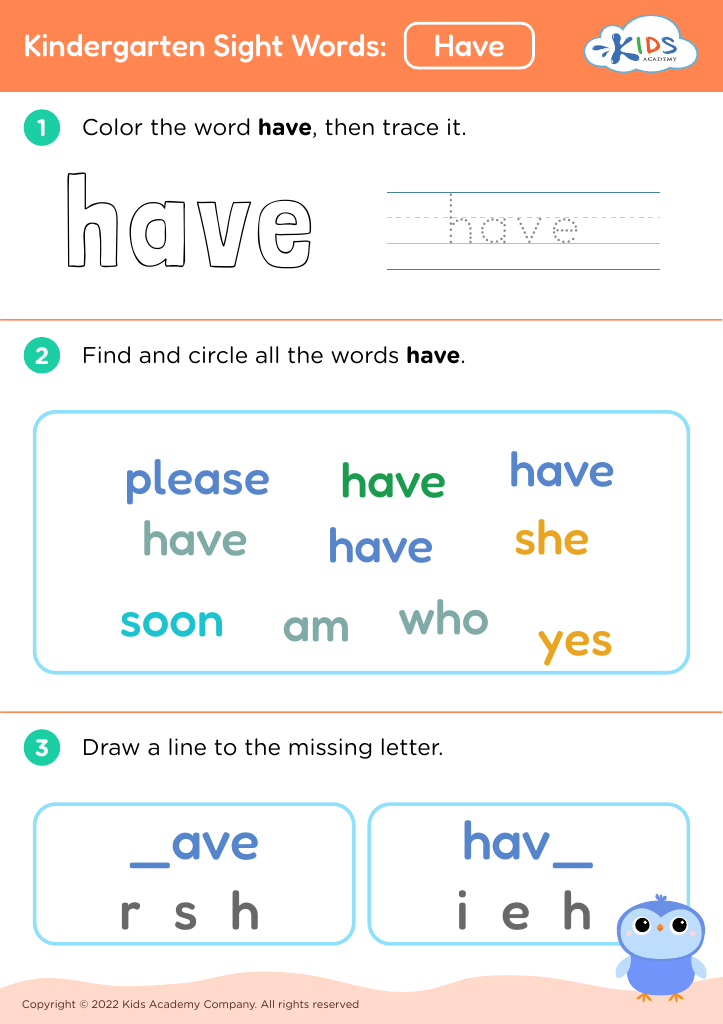
Kindergarten Sight Words: Have

Kindergarten Sight Words: Have

Kindergarten Sight Words: Have
Worksheet
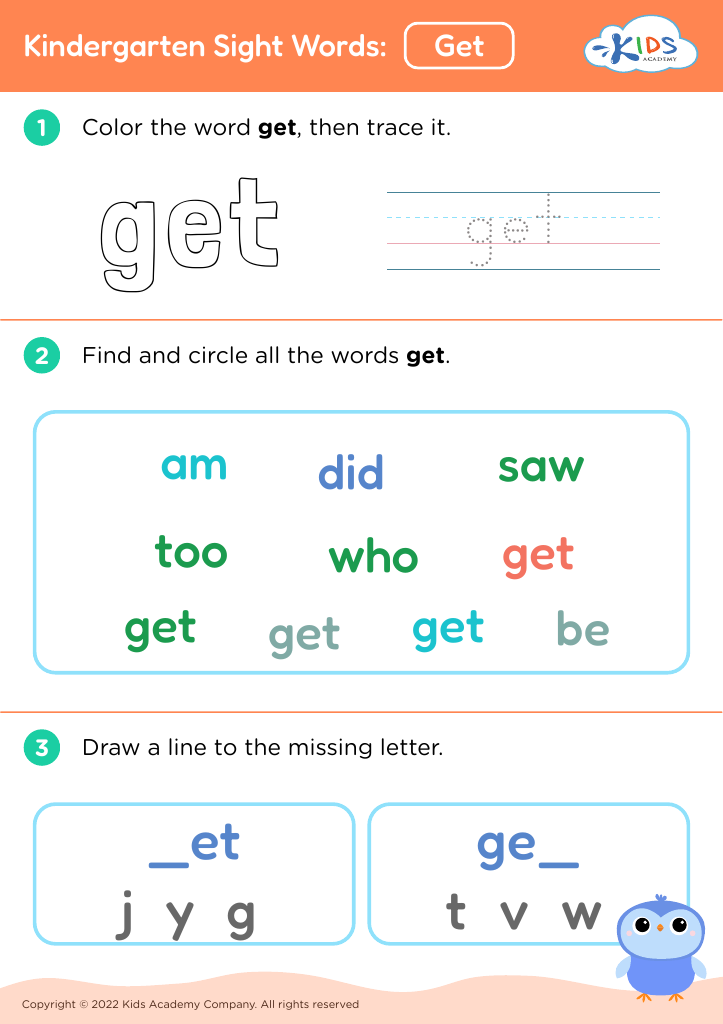
Kindergarten Sight Words: Get

Kindergarten Sight Words: Get

Kindergarten Sight Words: Get
Worksheet
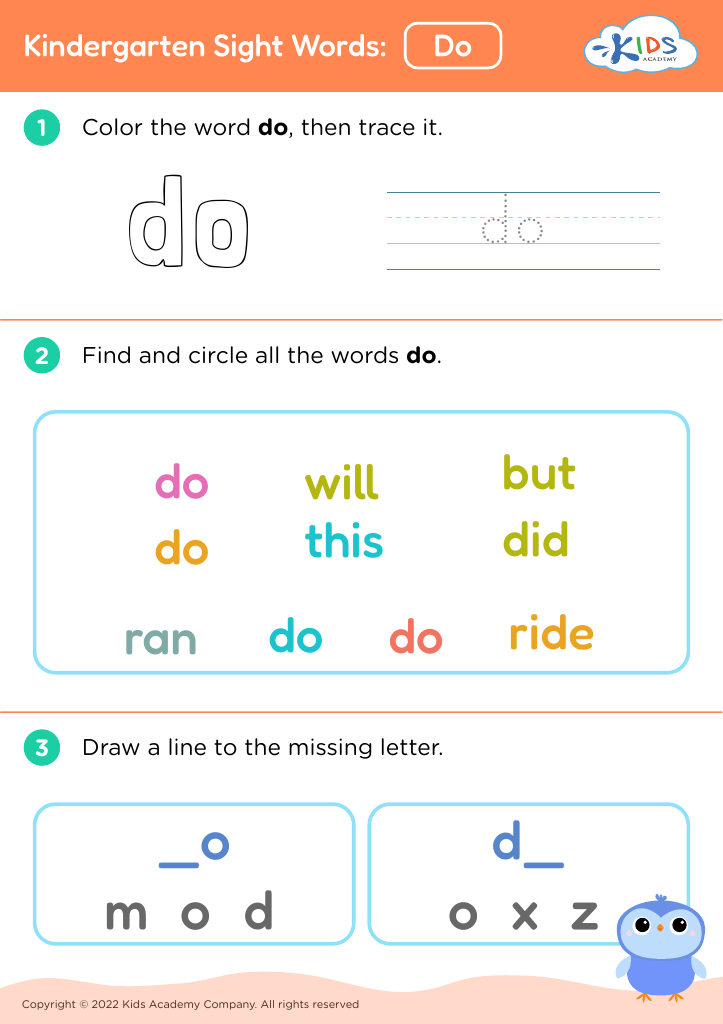
Kindergarten Sight Words: Do

Kindergarten Sight Words: Do

Kindergarten Sight Words: Do
Worksheet
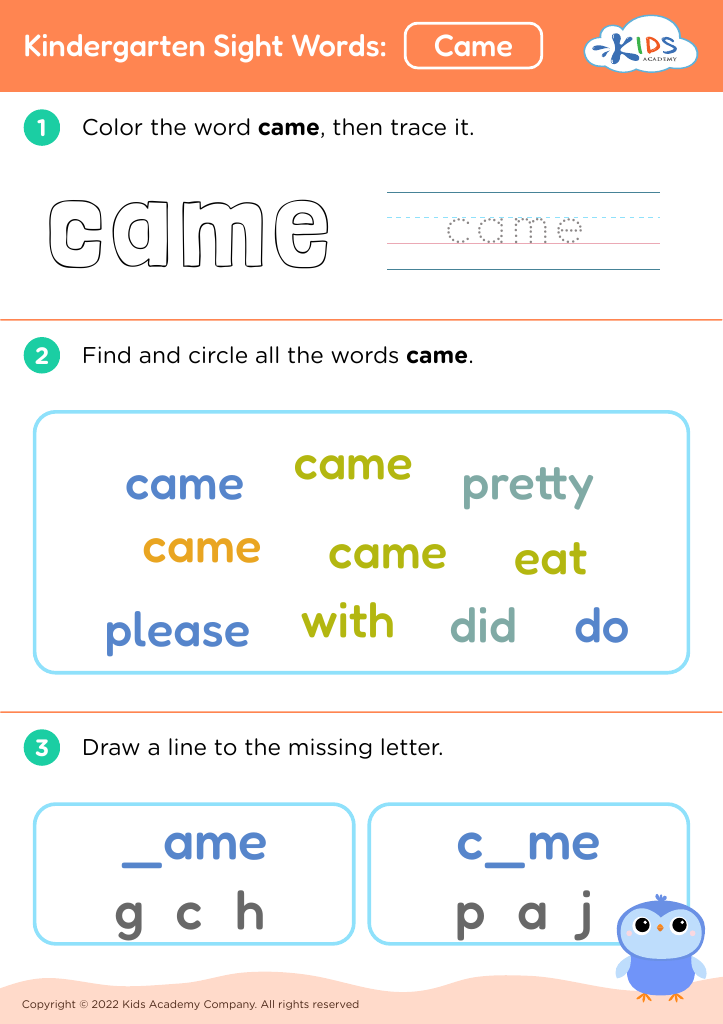
Kindergarten Sight Words: Came

Kindergarten Sight Words: Came

Kindergarten Sight Words: Came
Worksheet
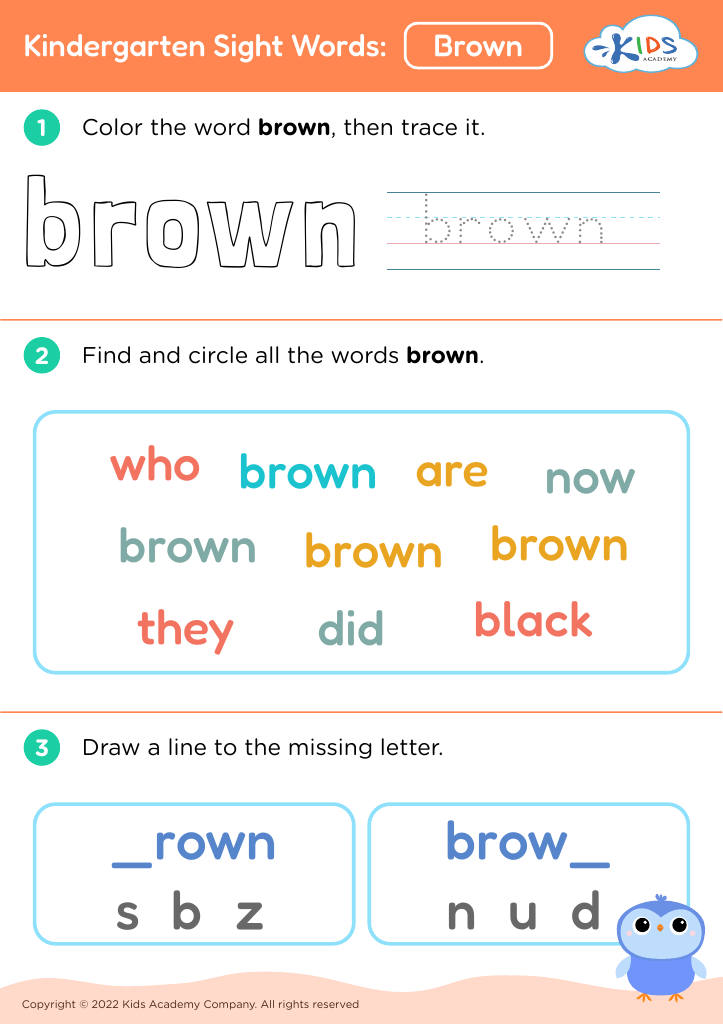
Kindergarten Sight Words: Brown

Kindergarten Sight Words: Brown

Kindergarten Sight Words: Brown
Worksheet
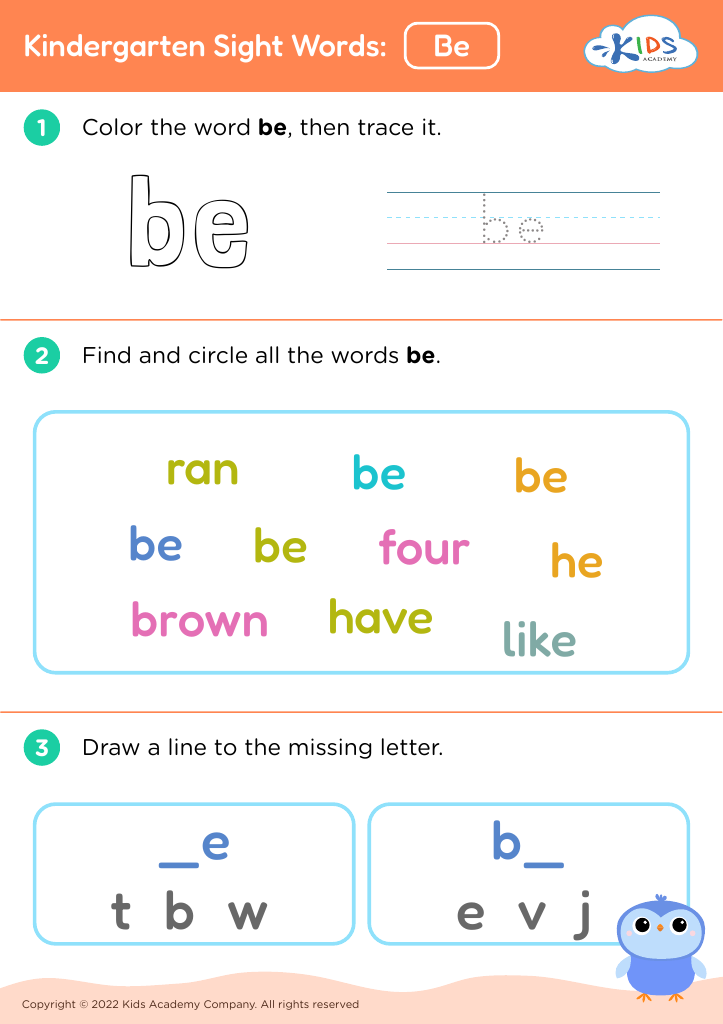
Kindergarten Sight Words: Be

Kindergarten Sight Words: Be

Kindergarten Sight Words: Be
Worksheet
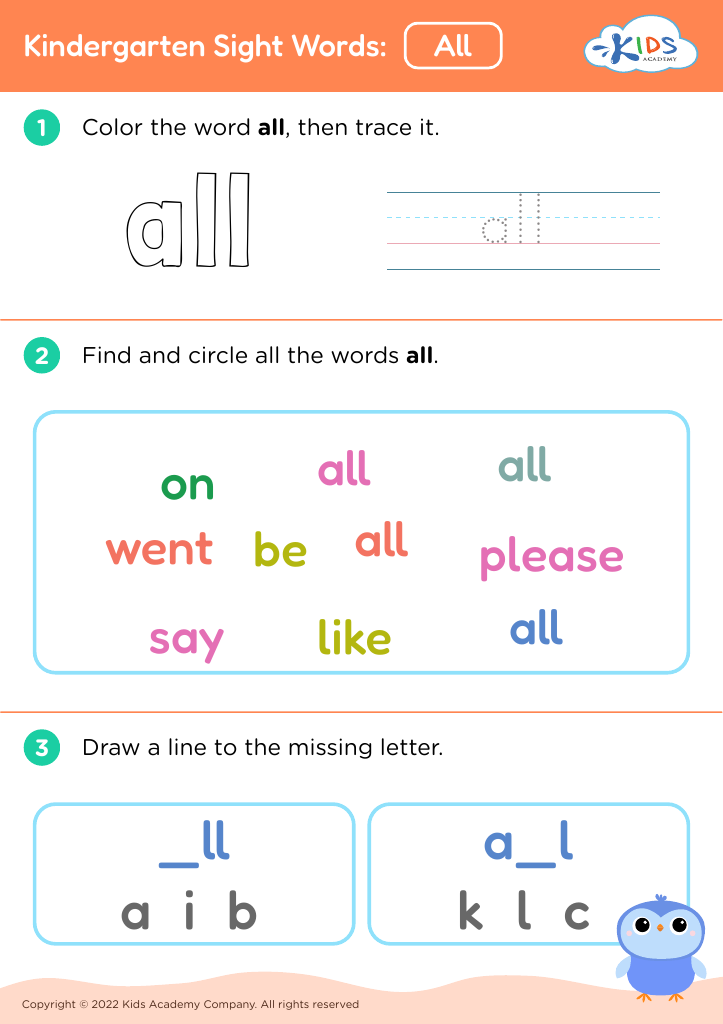
Kindergarten Sight Words: All

Kindergarten Sight Words: All

Kindergarten Sight Words: All
Worksheet


Understanding fractions at an early age sets a solid foundation for mathematical thinking and problem-solving abilities. Introducing fractions to children aged 3-4 may seem ambitious, but it nurtures critical cognitive development skills that are essential for later school success. When parents and teachers incorporate simple concepts of fractions through play and daily activities, children begin to grasp fundamental ideas about how things can be divided and shared, fostering early mathematical literacy.

Engaging young children with fraction concepts helps them develop a deeper sense of numbers and quantities, which is crucial as they progress in their education. This can be done through activities such as slicing fruit, distributing toys, or even using fraction-based storybooks, which introduce mathematical language in a relatable and enjoyable manner. This hands-on experience enhances their numerical comprehension and builds confidence in their ability to tackle more complex mathematical ideas in the future.

Moreover, incorporating fractions into early learning cultivates a child's curiosity and enthusiasm for math. It demonstrates that math is not just abstract numbers but is present in everyday experiences, making learning engaging and relevant. By investing in understanding fractions at an early age, parents and teachers equip children with a valuable toolset, laying a strong groundwork for academic achievement and a lifelong appreciation of learning.