Reading Skills Grammar Worksheets for Ages 3-4
3 filtered results
-
From - To
Enhance your child's literacy foundation with our carefully designed Reading Skills Grammar Worksheets for ages 3-4. Created by educational experts, these engaging worksheets help young learners develop essential reading and grammar skills through fun and interactive activities. Perfect for preschool and early kindergarten, our printables cover basics such as letter recognition, simple sentences, and proper punctuation. Each worksheet encourages early reading habits while promoting critical thinking and comprehension. Make learning enjoyable and effective with age-appropriate exercises that inspire a love for reading from the very start. Visit our website to explore these excellent resources today!
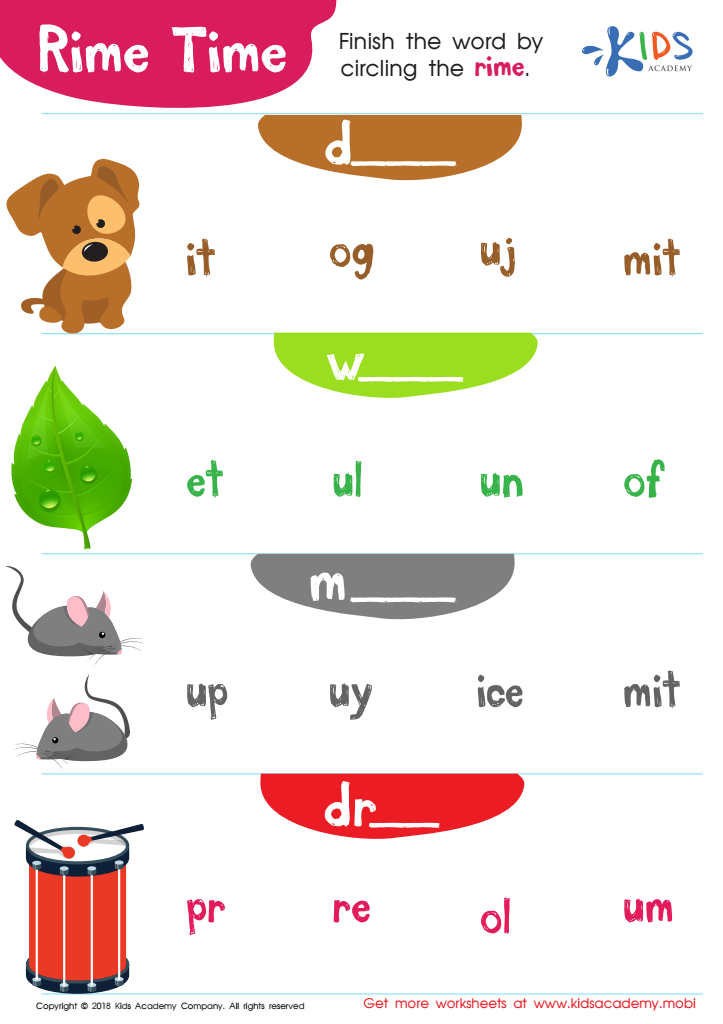
Rime Time Worksheet
 Assign to My Students
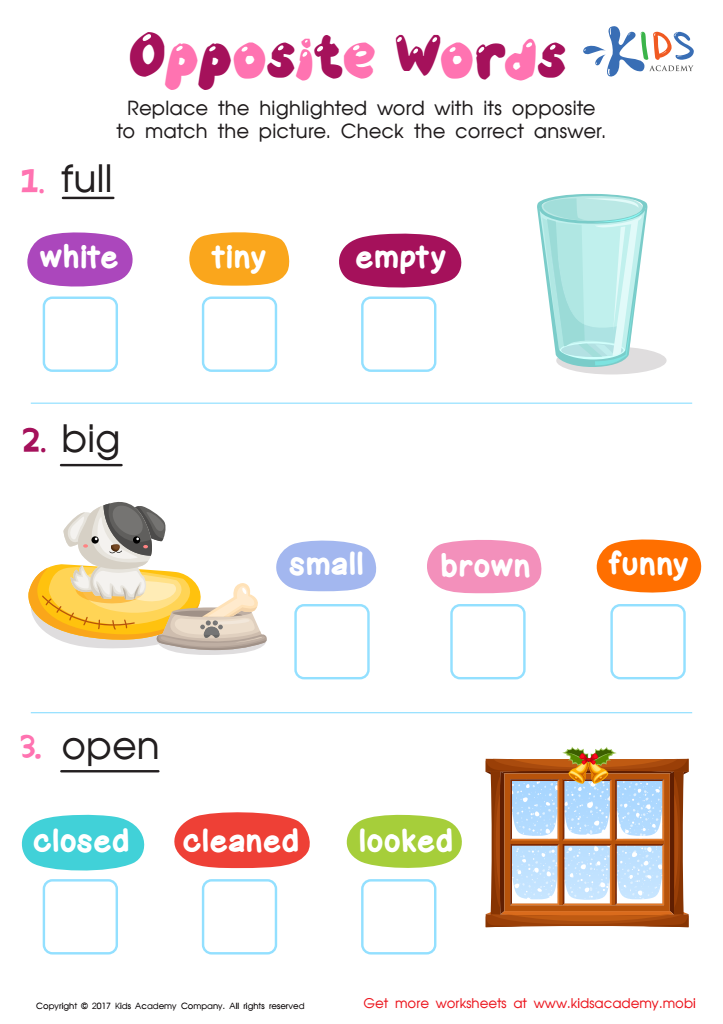
Opposite Words Worksheet
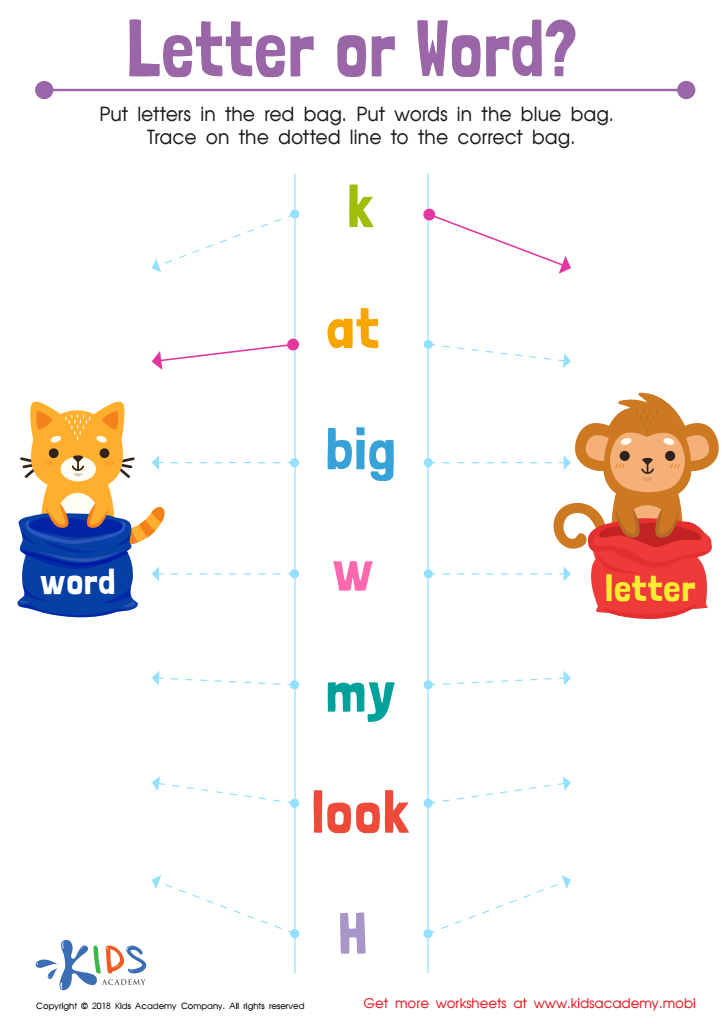
Letter or Word? Worksheet







Parents and teachers should prioritize reading and grammar skills for children aged 3-4 because these foundational abilities are critical for their overall language development and future academic success. Early exposure to reading stimulates cognitive development, including attention span, memory, and comprehension, which are essential for learning across all subjects. For young learners, understanding basic grammar helps them communicate their thoughts clearly and effectively, enhancing both verbal and written skills.
At this crucial stage, children's brains are highly receptive to new information. Introducing reading and grammar in enjoyable and engaging ways fosters a lifelong love of learning. It also supports their social and emotional growth, as books often introduce concepts of empathy, problem-solving, and understanding different perspectives.
Parental and teacher involvement in teaching these skills can strengthen parent-child and teacher-student relationships, creating a supportive learning environment. Reading together and discussing simple grammatical concepts like plurals or verb tense can make learning interactive and fun. By nurturing these skills early on, we equip children with the tools they need for future literacy, communication, and academic performance, setting them on a path toward long-term educational success and personal development.








