Phonics practice Beginning Sounds Worksheets for Ages 3-5
5 filtered results
-
From - To
Discover engaging Phonics Practice Beginning Sounds Worksheets specifically designed for children aged 3-5. Our collection helps young learners develop phonetic awareness by focusing on initial sounds of letters. These worksheets feature vibrant illustrations and age-appropriate activities that make learning fun and effective! Each worksheet encourages kids to recognize and match beginning sounds with corresponding images, fostering essential reading skills early on. Ideal for home, preschool, or kindergarten settings, these resources support literacy development and boost confidence in early learners. Download our worksheets today and watch your child embark on an exciting journey to reading success!
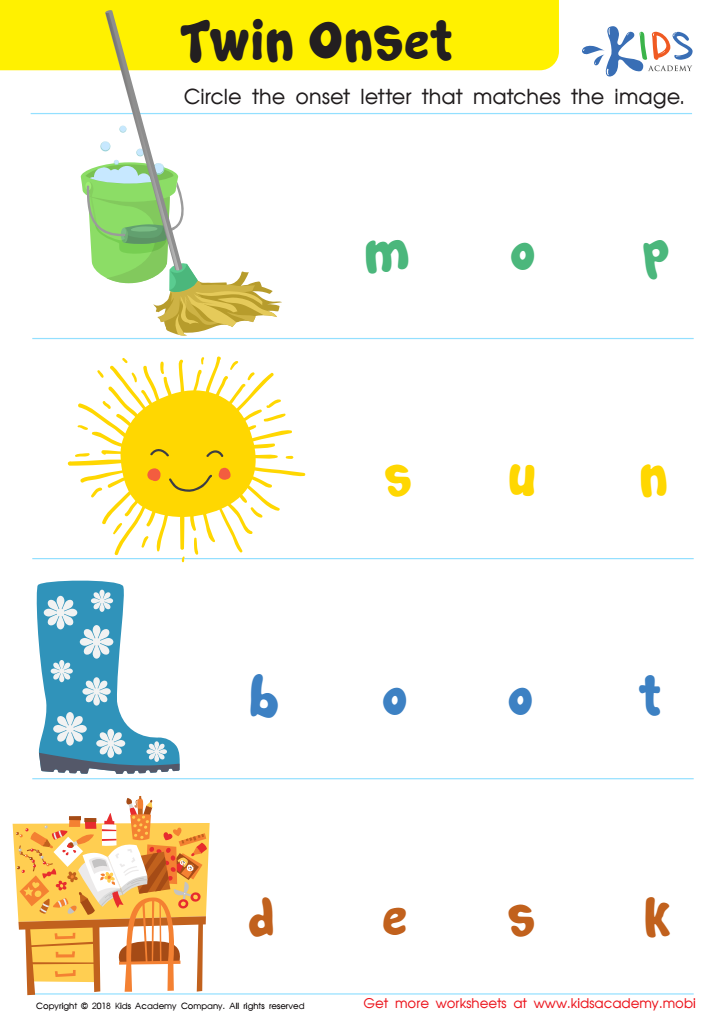
Twin Onset Worksheet
 Assign to My Students
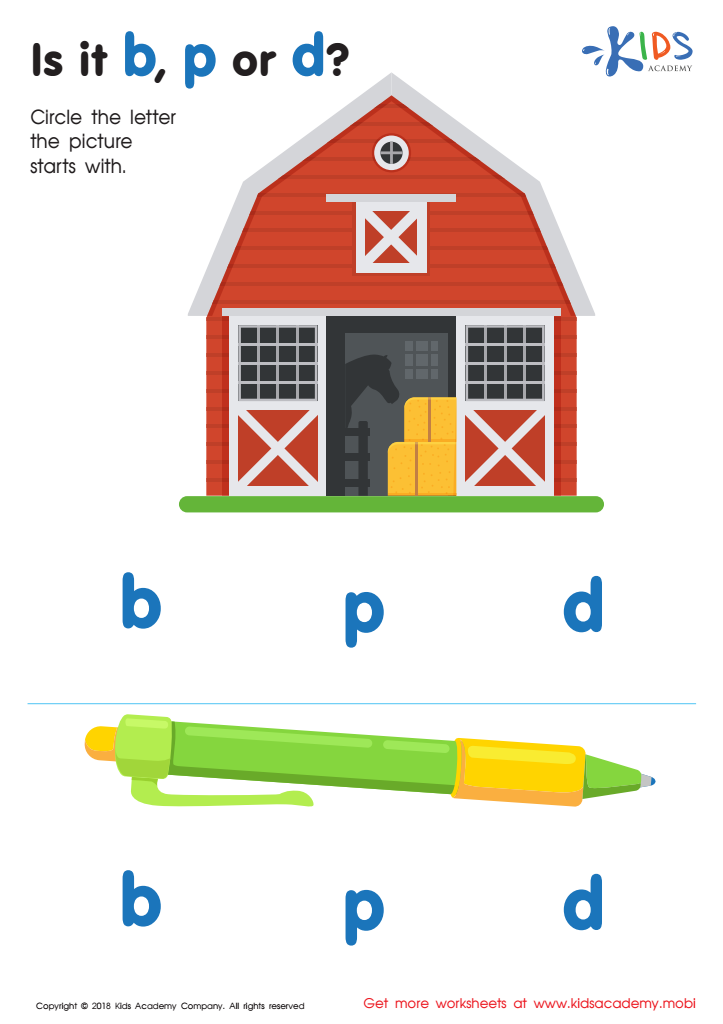
Is it b, p or d? Worksheet
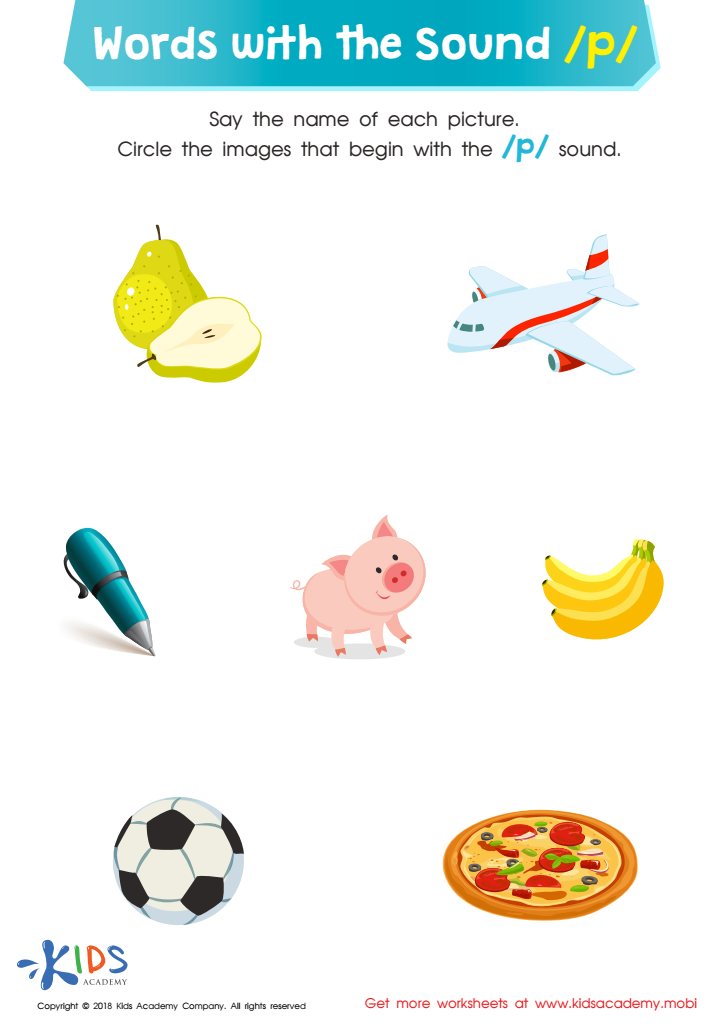
Words with sound p Reading Worksheet
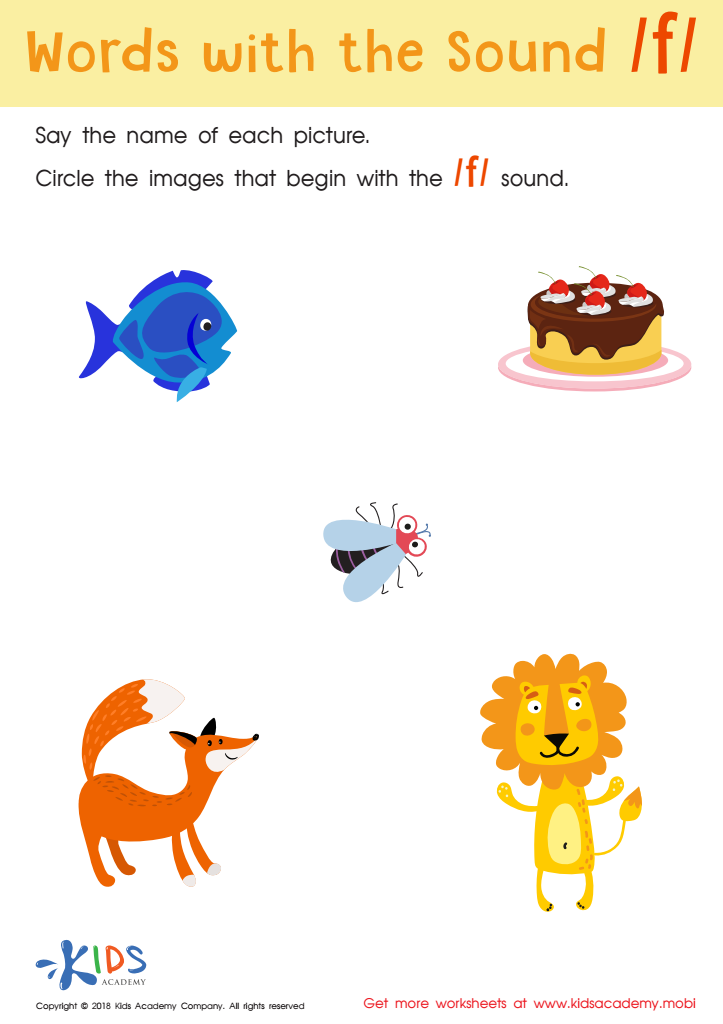
Words with sound f Reading Worksheet
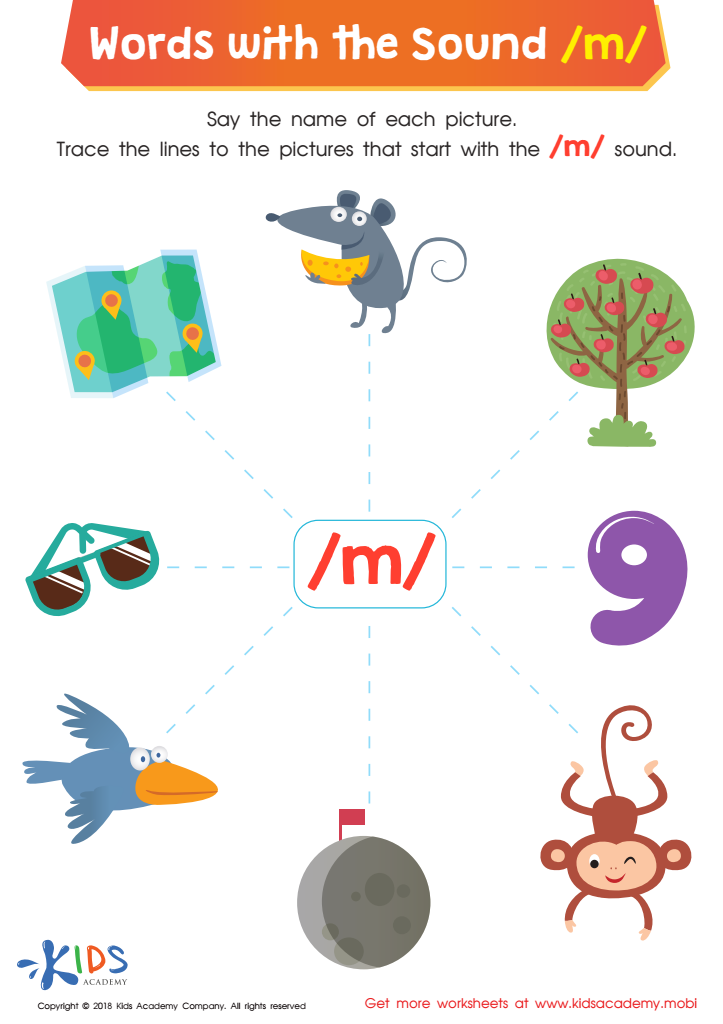
Words with Sound M Reading Worksheet








Phonics practice, especially focusing on beginning sounds, is crucial for children aged 3-5 as it lays the foundation for reading and literacy skills. First, starting with phonics helps children recognize the connection between sounds and letters, an essential step in their reading journey. By identifying beginning sounds, children enhance their auditory discrimination and phonemic awareness, skills that are vital for decoding words.
Moreover, practicing beginning sounds can boost vocabulary acquisition. Children who understand phonetics are better equipped to break down and analyze new words, making it easier to expand their vocabulary. This not only fosters a love for language but also cultivates communication skills.
For teachers and parents, implementing beginning sound exercises, like rhymes or sound-matching games, can make learning interactive and fun, helping to sustain children's engagement. As they play with sounds and letters, children also develop critical thinking and problem-solving abilities through pattern recognition.
Furthermore, early phonics instruction has lasting benefits, contributing to increased reading fluency and comprehension later on. By caring about phonics practice now, parents and teachers significantly invest in children’s academic futures, ensuring they become confident, capable readers. In essence, nurturing phonics skills today builds the literacy champions of tomorrow.







