Vocabulary enhancement Consonants Worksheets for Ages 3-5
4 filtered results
-
From - To
Discover our engaging "Vocabulary Enhancement Consonants Worksheets" designed specifically for children aged 3-5! These interactive materials provide a fun and effective way for young learners to develop their vocabulary skills while mastering consonant sounds. Each worksheet includes colorful illustrations and captivating activities that encourage children to explore words and their meanings, enhancing language acquisition through play. Our thoughtfully crafted exercises promote phonetic awareness and stimulate cognitive development, ensuring an enriching learning experience. Ideal for preschool classrooms or at-home learning, these worksheets will inspire your child's love for language and support their early literacy journey. Empower your little ones today!
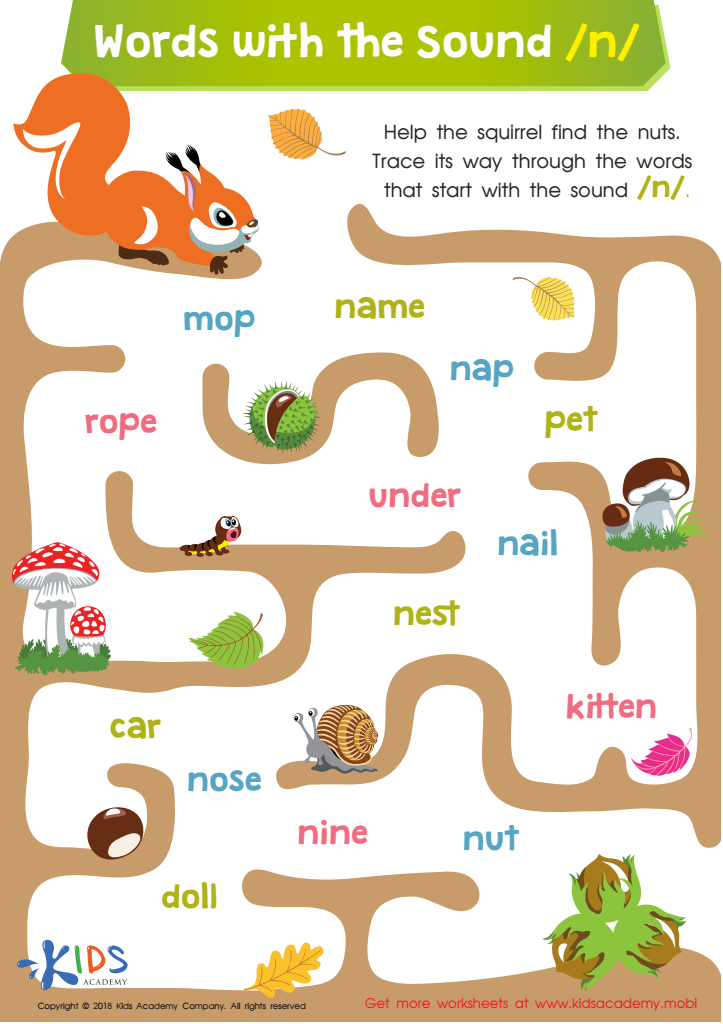
Words with Sound N Reading Worksheet
 Assign to My Students
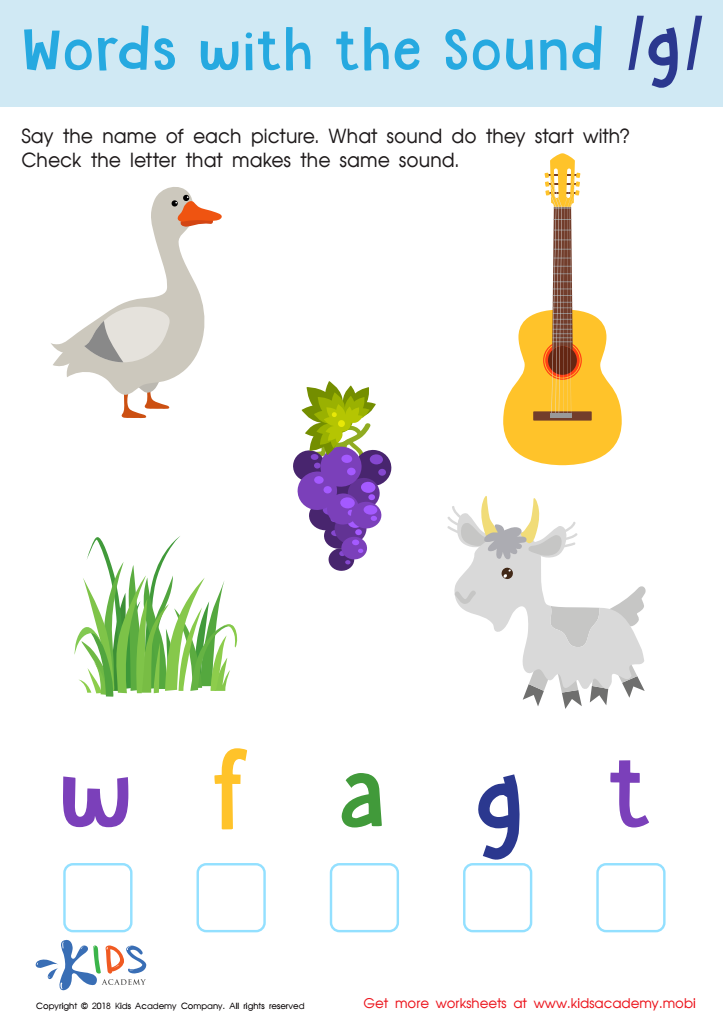
Words with sound g Reading Worksheet
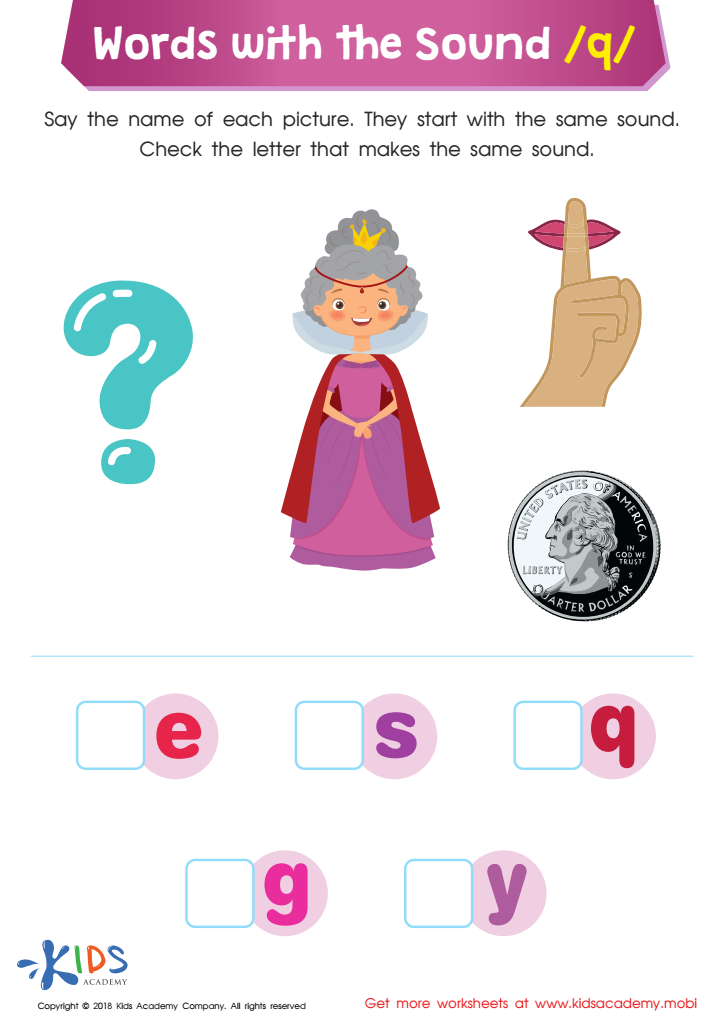
Words with Sound Q Reading Worksheet
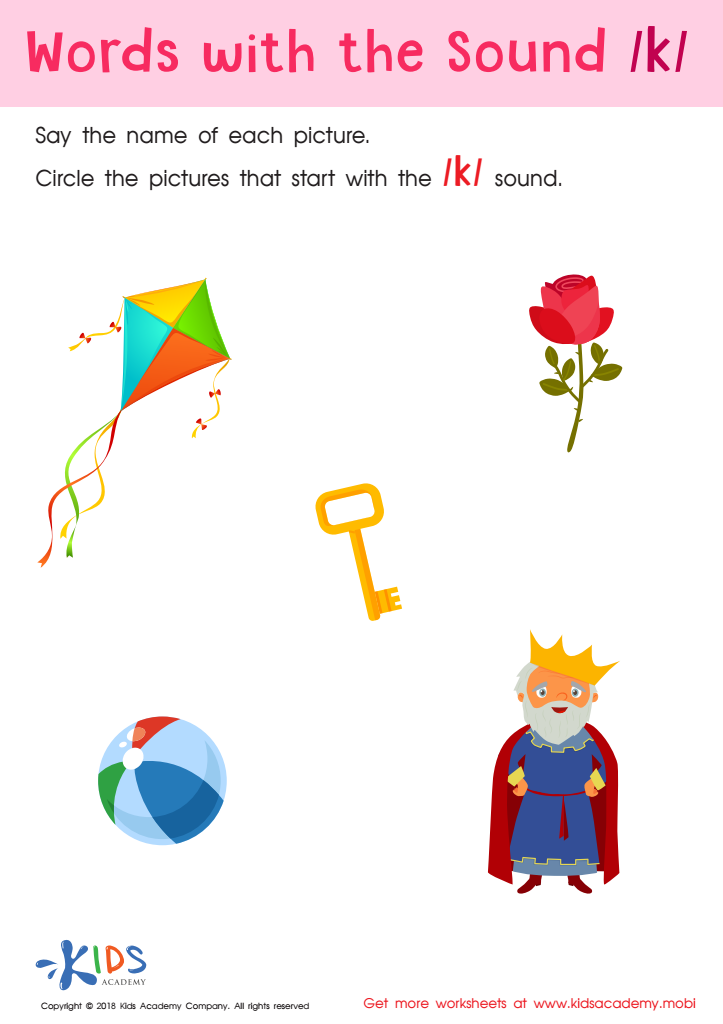
Words with sound k Reading Worksheet



Vocabulary enhancement, particularly focusing on consonants, is vital for children aged 3-5 as it lays the foundation for language development and effective communication skills. At this young age, children's brains are exceptionally receptive to learning new sounds, words, and concepts. By concentrating on consonants, teachers and parents can help children differentiate the sounds that form the building blocks of language. This skill is crucial for their ability to decode words, which in turn supports reading fluency in later years.
Furthermore, a strong vocabulary boosts a child’s cognitive development. When children learn new words, they not only expand their vocabulary but also enhance their understanding of the world around them. This process encourages critical thinking, reasoning abilities, and comprehension skills. Enhanced vocabulary also tends to lead to better self-expression, allowing children to articulate their thoughts and feelings more effectively.
In addition, language development is closely linked to social skills. Children who can communicate well are more capable of forming friendships and navigating social situations successfully. Thus, investing time in vocabulary enhancement for consonants during these formative years is essential for fostering a lifetime of learning, growth, and social interaction. Ultimately, parents and teachers play a pivotal role in nurturing these essential language skills.







