Alphabetical understanding Alphabet Worksheets for Ages 3-5
3 filtered results
-
From - To
Unlock the world of letters with our Alphabetical Understanding Worksheets designed for children ages 3-5! These engaging and interactive worksheets are perfect for young learners venturing into the fundamentals of the alphabet. Each activity encourages kids to recognize, trace, and visualize letters through fun themes, enhancing their curiosity and comprehension. Tailored to promote early literacy skills, these resources foster alphabet knowledge while supporting fine motor development. Ideal for home or classroom use, these worksheets provide a delightful way for kids to explore letters, enabling them to gain confidence as they embark on their reading journey. Start their alphabetical adventure today!
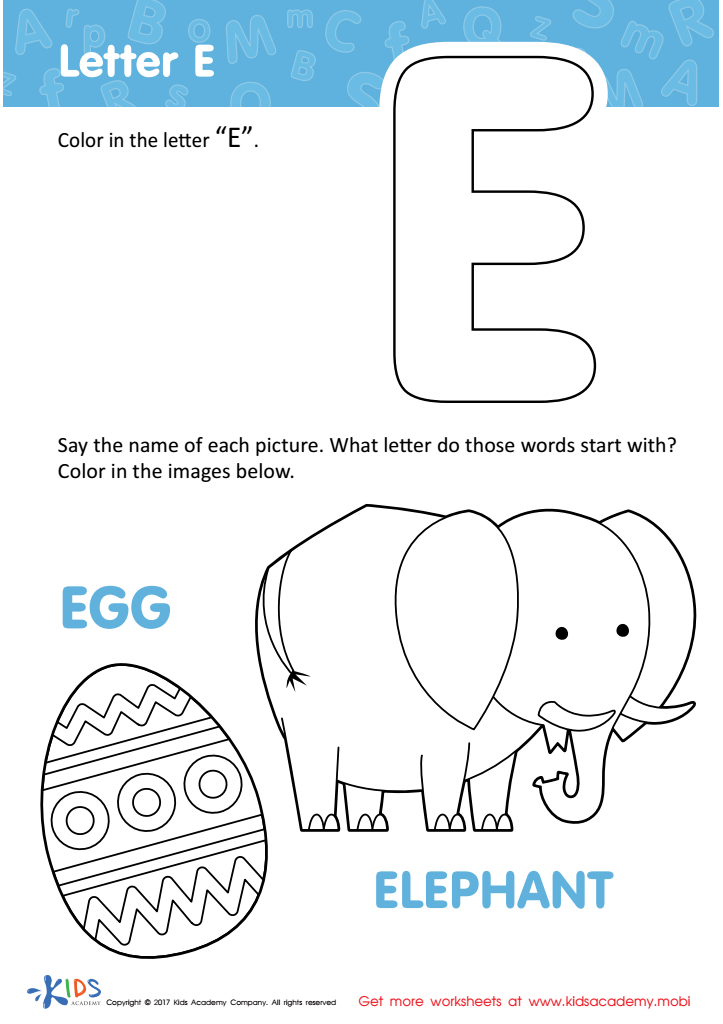
Letter E Coloring Sheet
 Assign to My Students
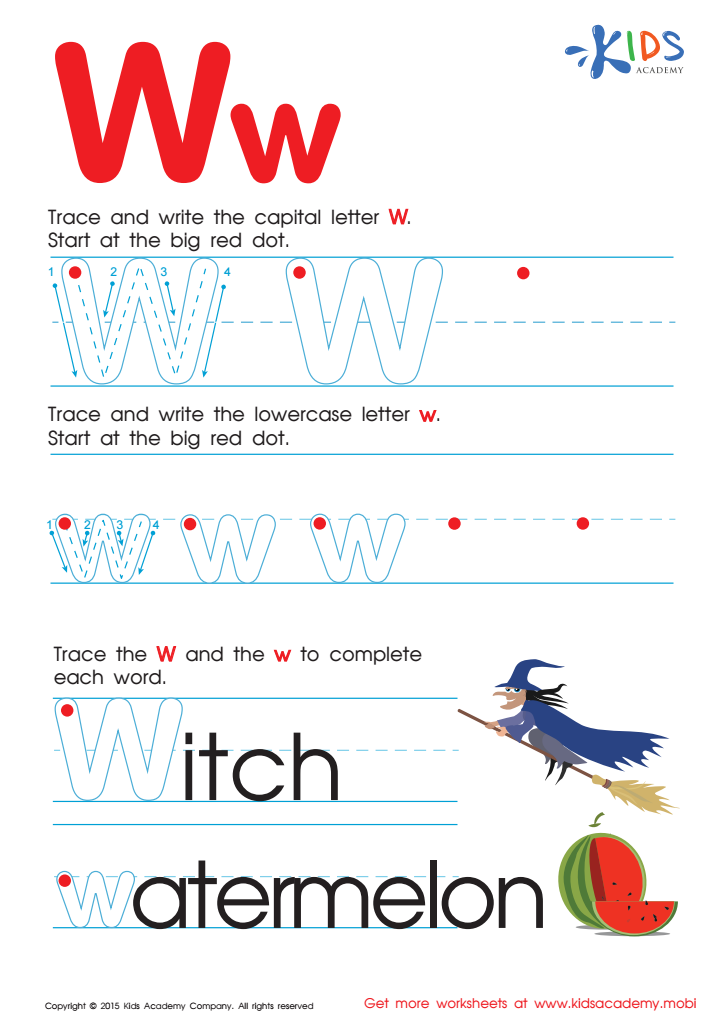
Letter W Tracing Page
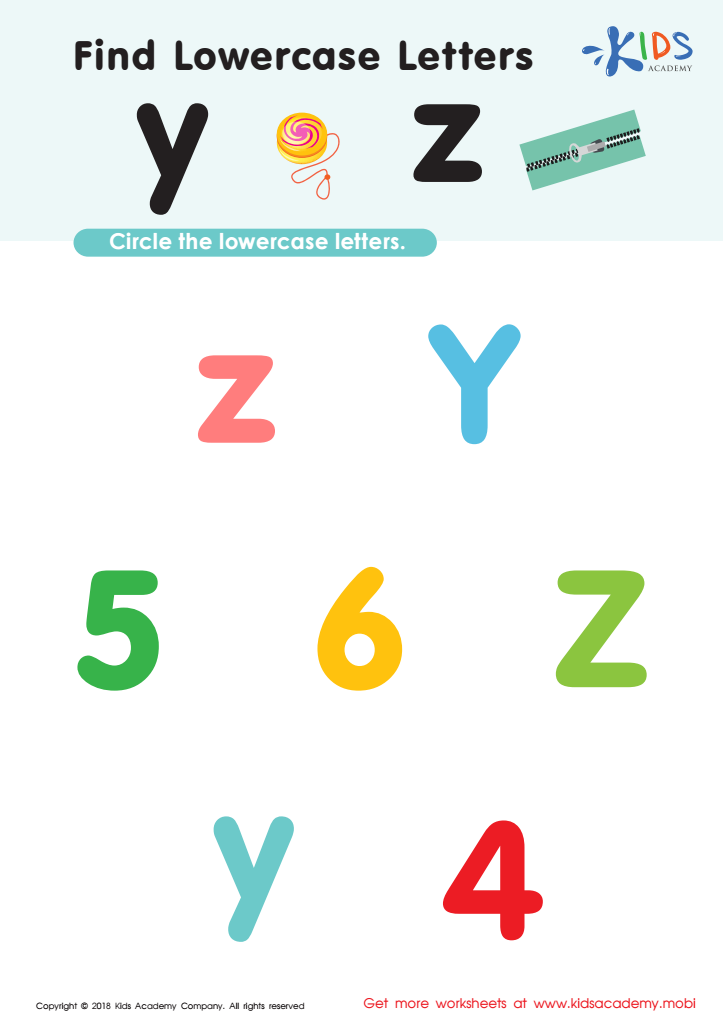
Find Lowercase Letters y z Worksheet







Understanding the alphabet is foundational for children aged 3-5 as it lays the groundwork for future literacy skills. At this age, children's brains are highly adaptable, making it an ideal time to introduce letters, sounds, and their relationships. This early exposure fosters phonemic awareness, which is crucial for reading and writing.
Parents and teachers play a vital role in this development. Engaging in activities like letter recognition games, singing the alphabet song, and reading alphabet books can spark interest and motivation. These practices can boost a child's confidence as they begin to decipher written words, enhancing their language skills and overall cognitive development.
Moreover, a solid understanding of the alphabet can instill a sense of curiosity and love for learning. This by establishing a connection between letters and sounds, children can improve their communication skills, which are imperative for social interactions and classroom engagement.
Additionally, alphabet skills often correlate with academic success in later years. By prioritizing alphabetical understanding, parents and teachers are not only nurturing essential literacy skills but also empowering children to become confident, capable learners who are prepared for the challenges of primary education and beyond.







