Letter Tracing Practice Alphabet Worksheets for Ages 3-5
8 filtered results
-
From - To
Welcome to our engaging Letter Tracing Practice Alphabet Worksheets designed specifically for children aged 3-5! These worksheets help young learners develop essential fine motor skills while familiarizing them with the alphabet. Each page provides clear, easy-to-follow guides for tracing both uppercase and lowercase letters, making learning fun and interactive. Perfect for preschool and early cognitive development, our worksheets also incorporate colorful illustrations to capture your child’s imagination. Encourage a love for writing and early literacy by downloading our printable letter tracing worksheets today. Empower your little one on their educational journey with our carefully crafted resources!
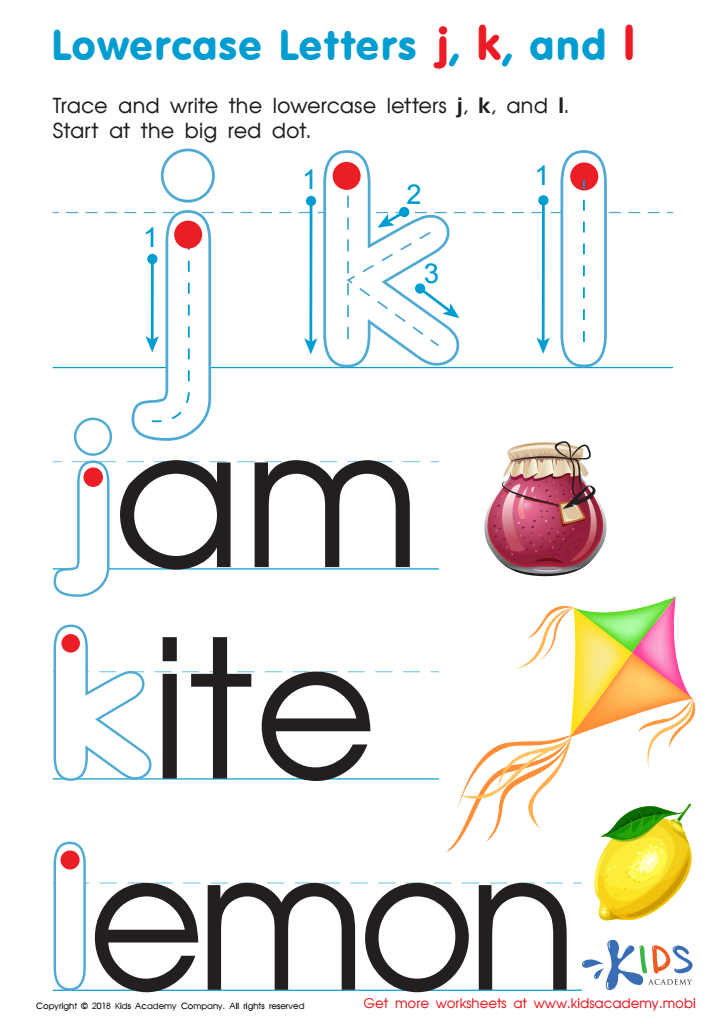
Lowercase Letters j k l Worksheet
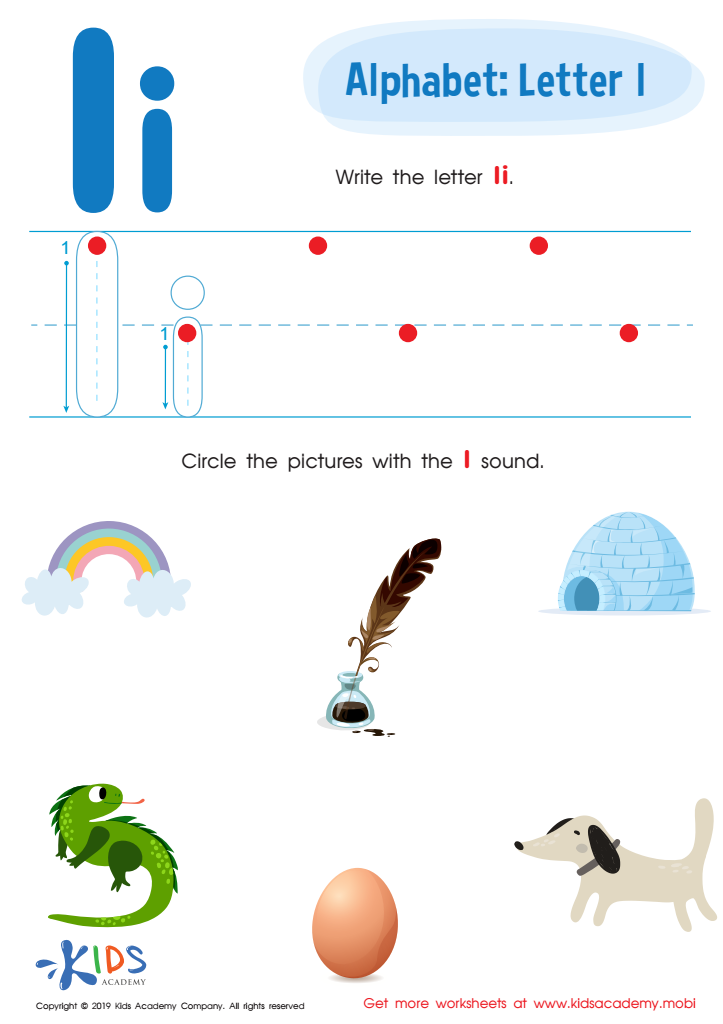
Letter I Tracing Worksheet
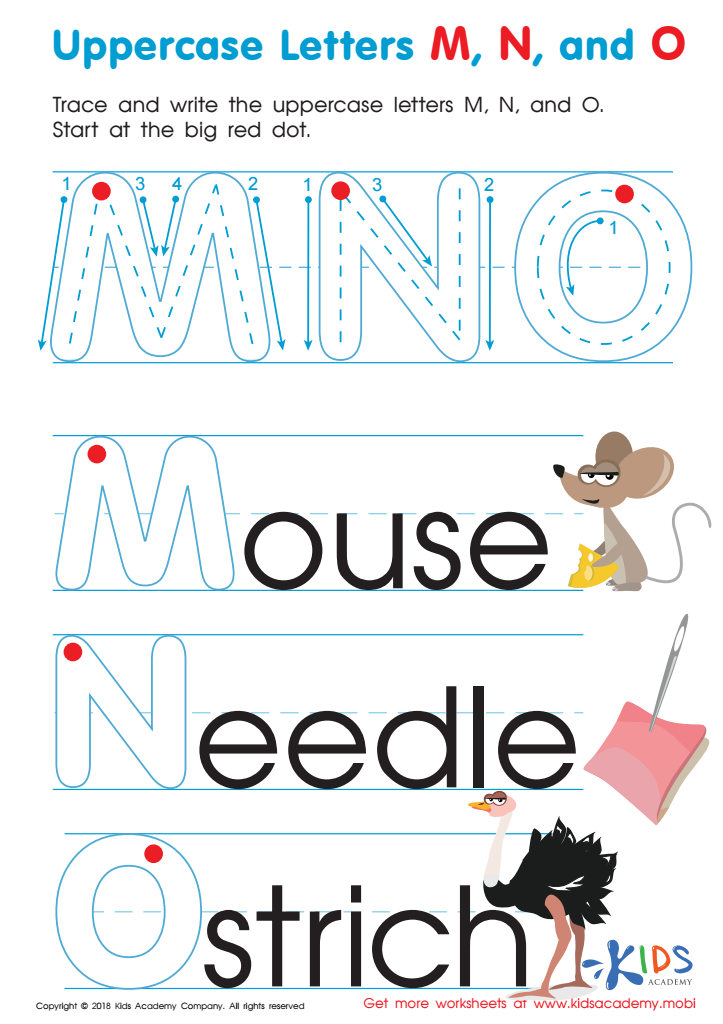
Uppercase Letters M, N, and O Worksheet
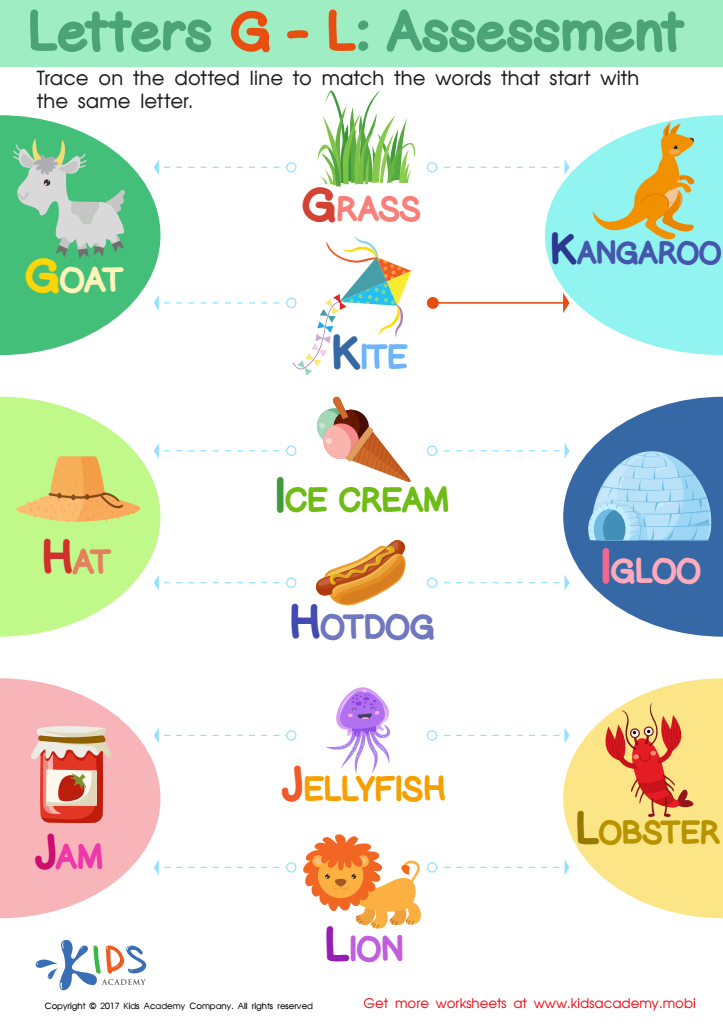
Letters G-L Worksheet
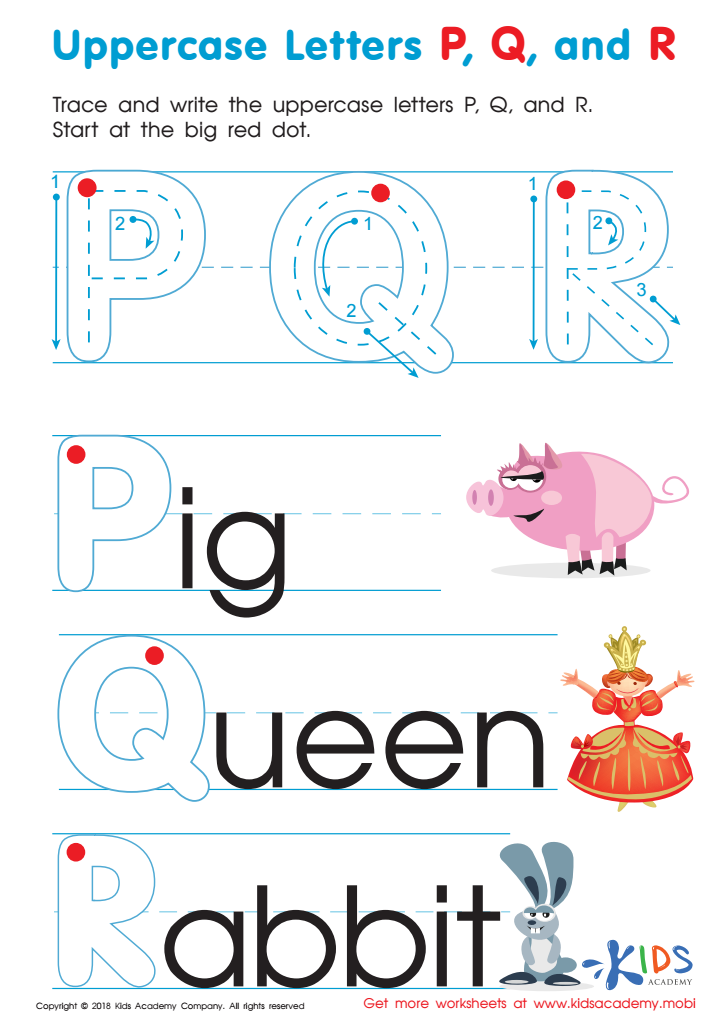
Uppercase Letters P, Q, and R Worksheet
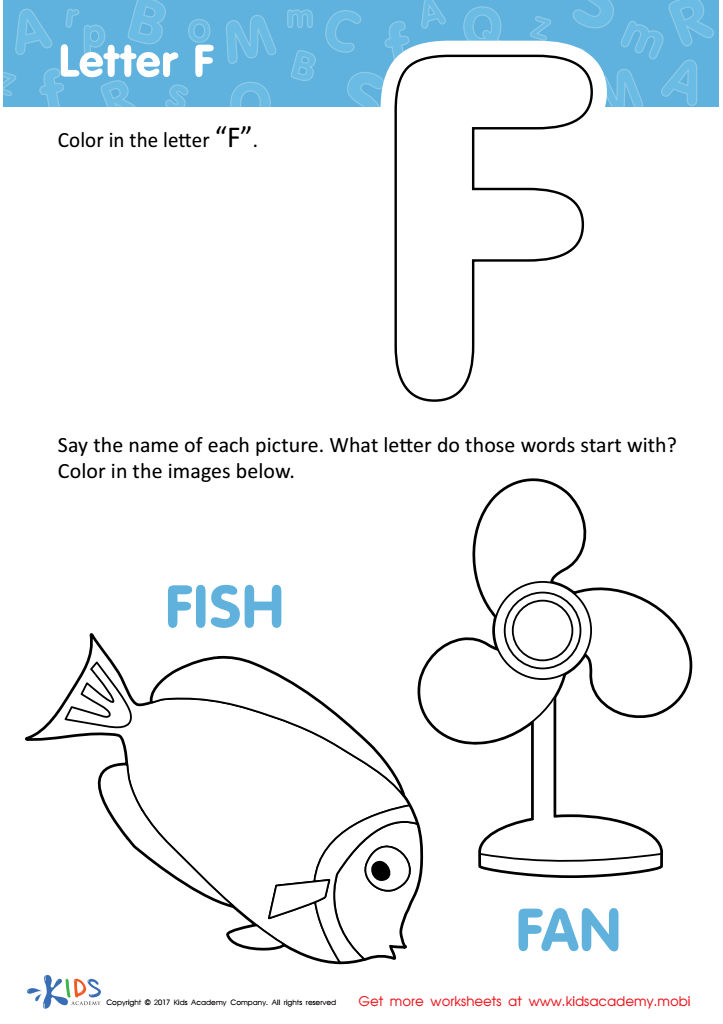
Letter F Coloring Sheet
 Assign to My Students
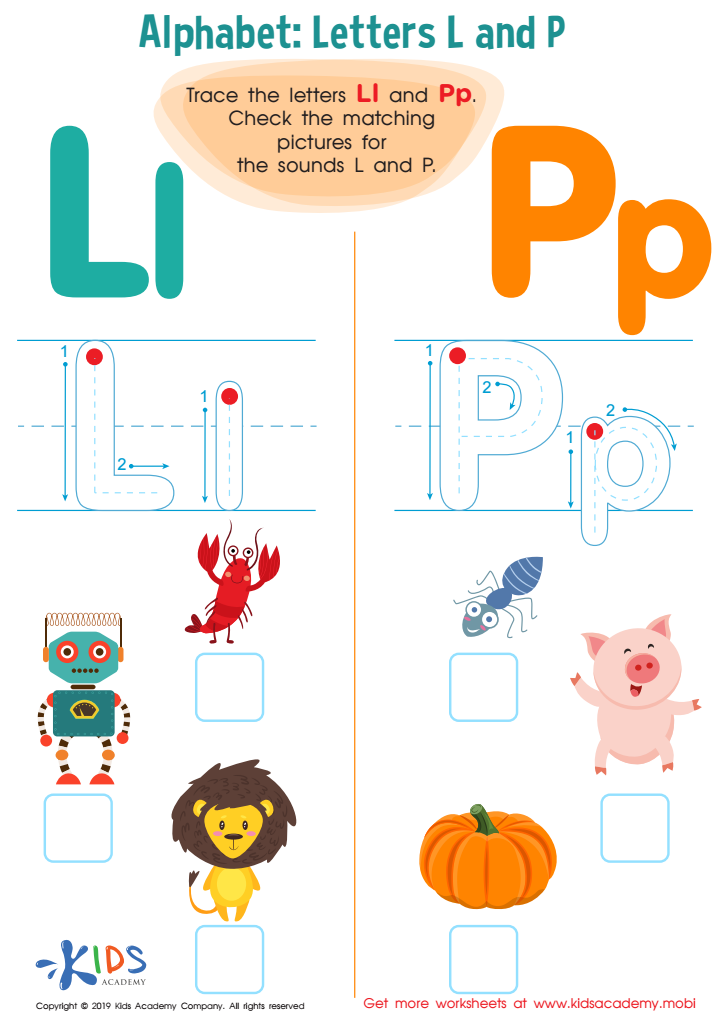
Letter L and P Tracing Worksheet
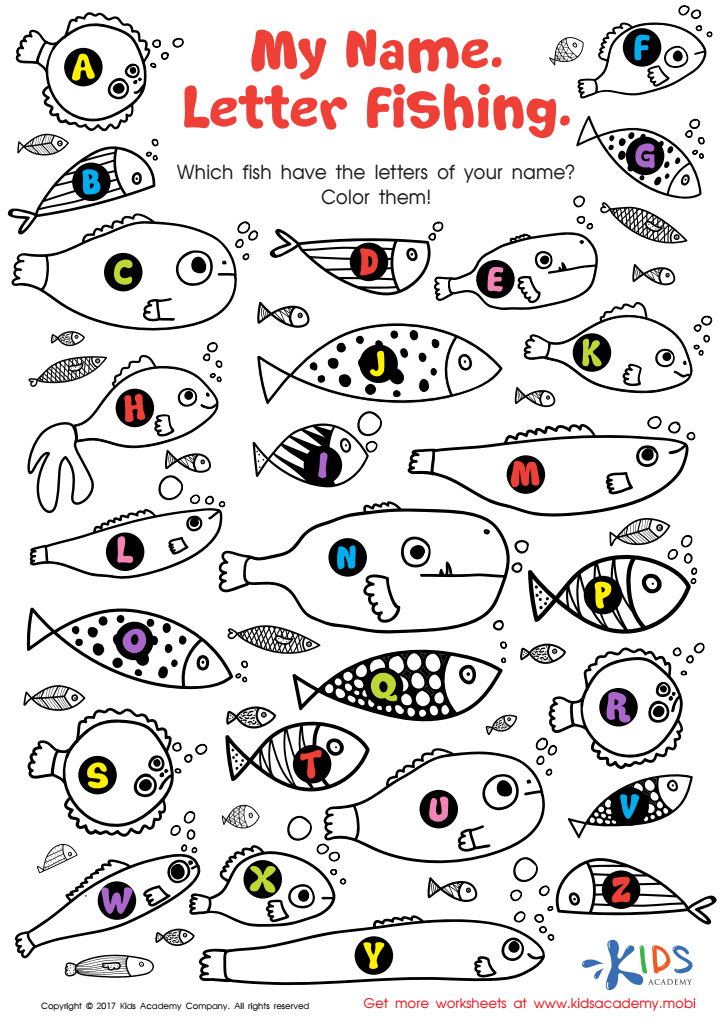
My Name: Letter Fishing Worksheet
Assign to My Students







Letter tracing practice is essential for children aged 3 to 5 as it lays the foundation for their literacy skills and overall cognitive development. At this age, children's fine motor skills are still developing, and tracing letters helps strengthen the hand muscles necessary for writing. Engaging in letter tracing not only enhances their handwriting but also builds muscle memory, allowing them to write letters more confidently and accurately as they progress.
Moreover, letter tracing introduces children to the fundamentals of reading and writing. By recognizing the shapes and sounds associated with each letter, children gain a better understanding of the alphabet, which is critical for their future literacy. This practice also fosters focus and concentration, as children must pay attention to detail while tracing.
Incorporating letter tracing into a child's routine sets a positive tone towards learning. It can be a fun and interactive activity to do with parents and teachers, making learning enjoyable and fostering a love for education from an early age. Ultimately, supporting children in their letter tracing practice is an investment in their communication skills, preparing them for academic success and lifelong confidence in their abilities. Effective early interventions can significantly impact their future learning trajectories.







