Vocabulary expansion Alphabet Worksheets for Ages 3-5 - Page 2
30 filtered results
-
From - To
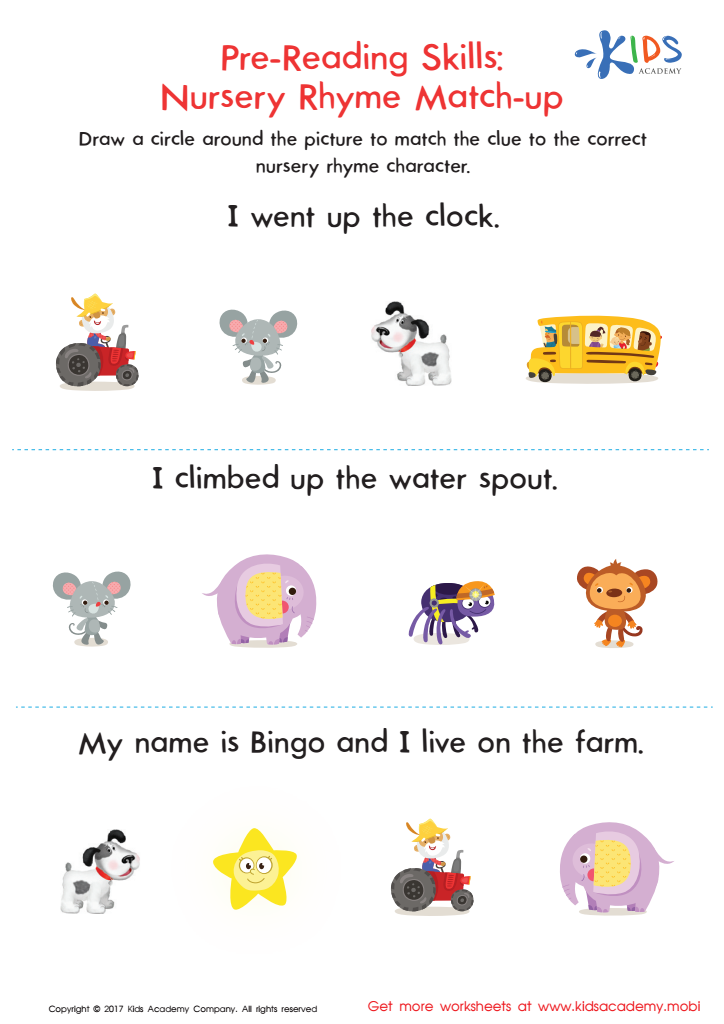
Nursery Rhyme Match–Up Worksheet
 Assign to My Students
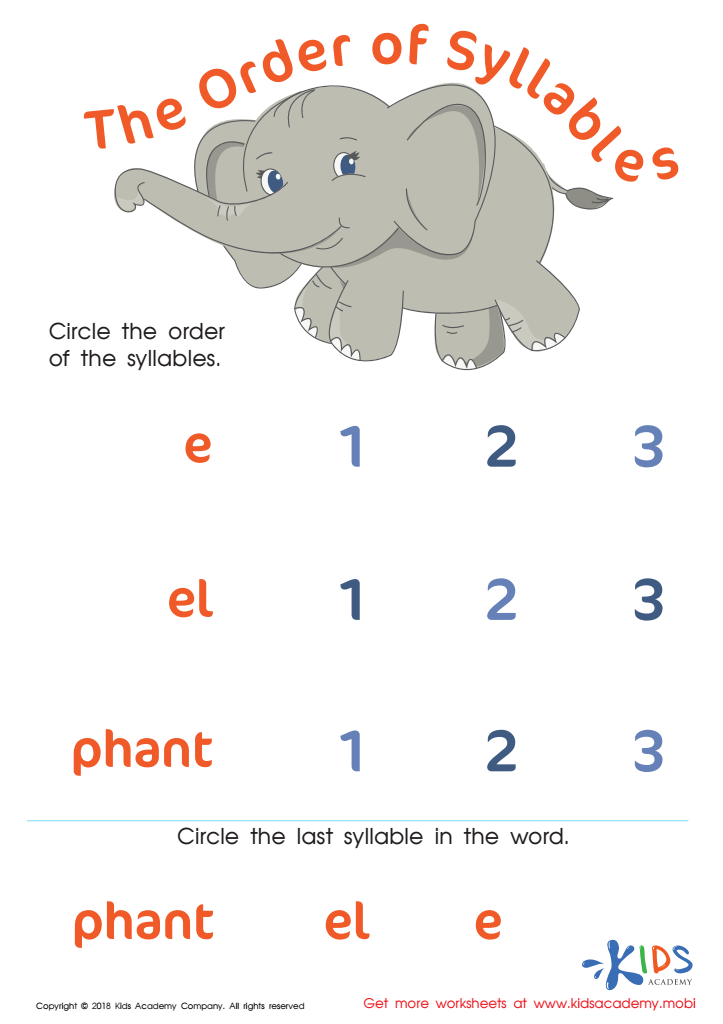
The Order of Syllables Worksheet
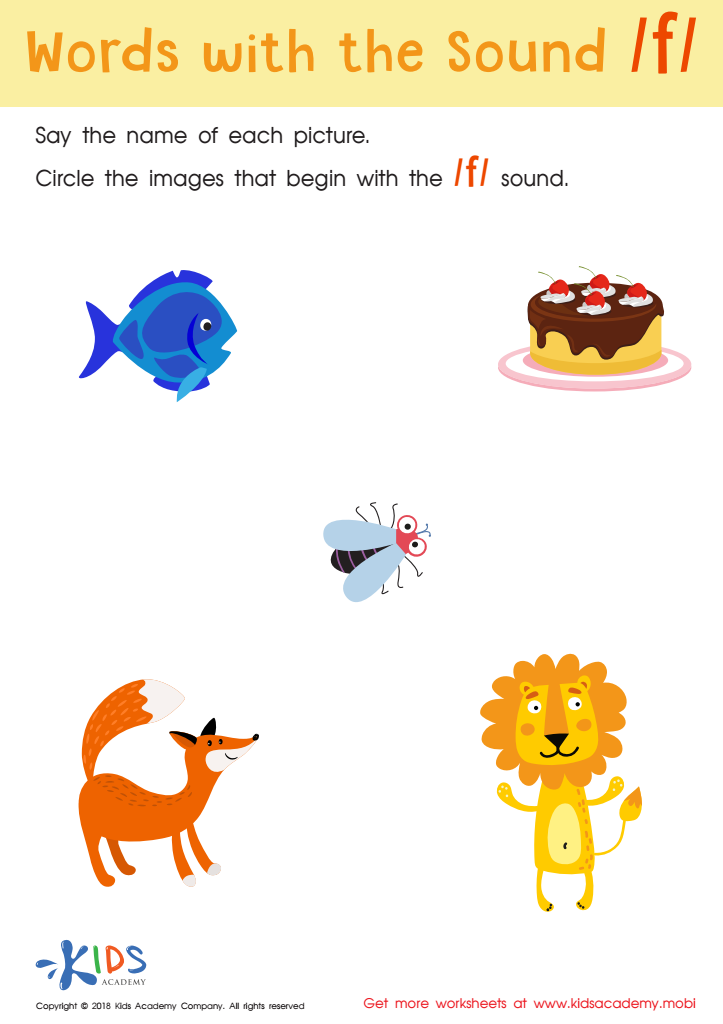
Words with sound f Reading Worksheet
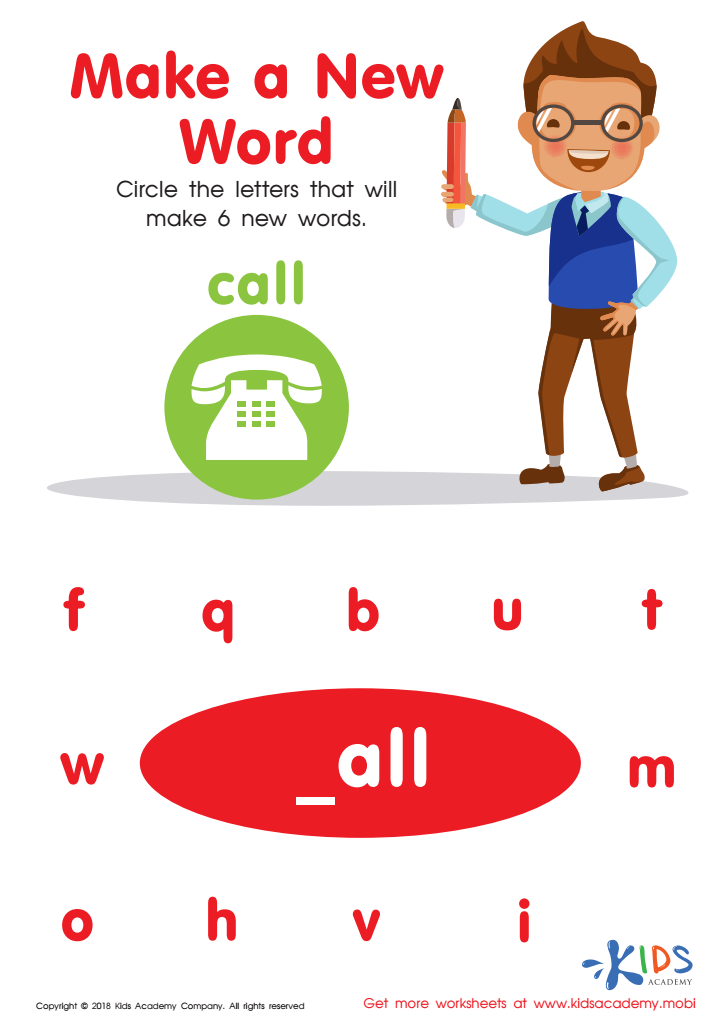
Make a New Word Worksheet
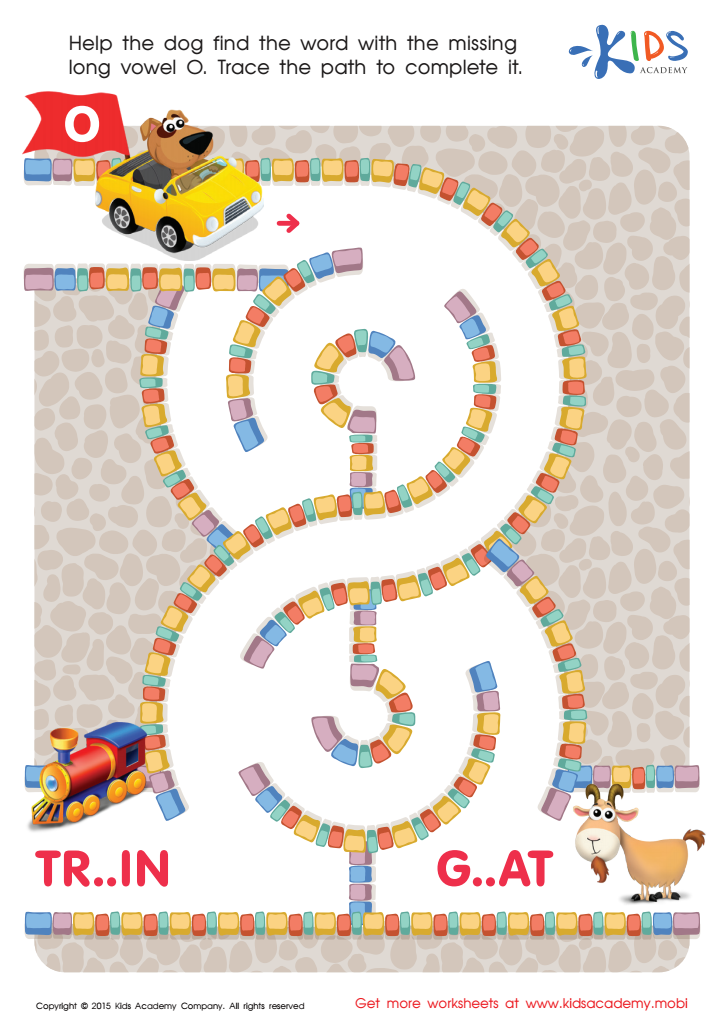
Long Vowel Sound O Worksheet
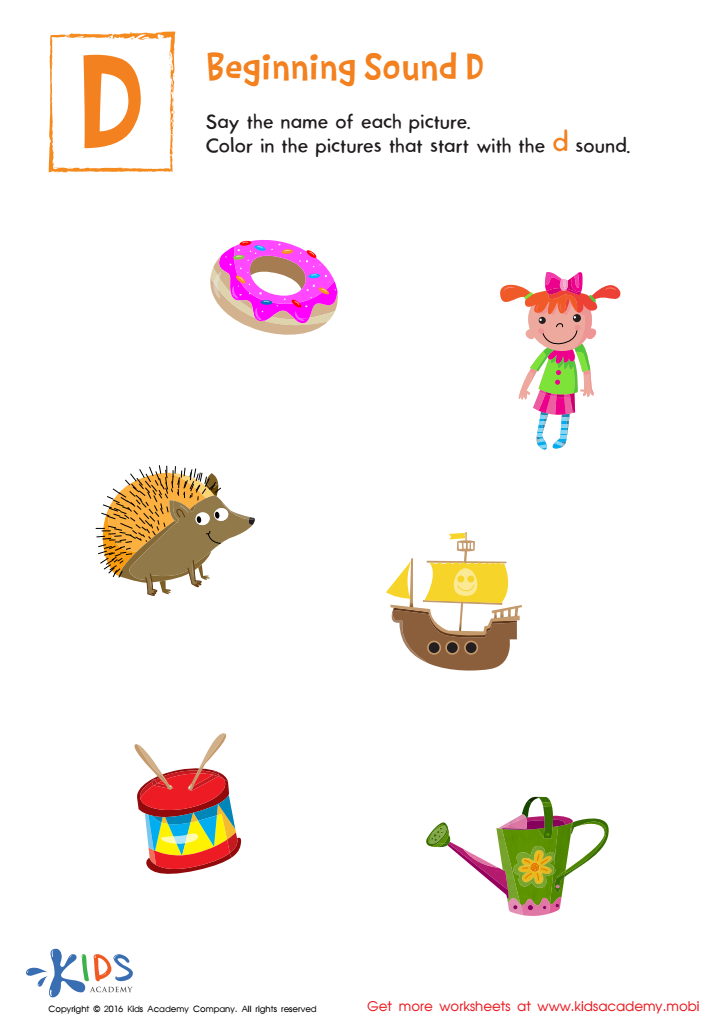
Beginning Sound D Worksheet







Vocabulary expansion is crucial for children aged 3-5, as it lays the foundation for their overall language development and literacy skills. At this early stage, children are like sponges, absorbing new words and concepts rapidly. A rich vocabulary enhances their ability to express thoughts, emotions, and needs clearly, leading to more effective communication with peers and adults.
Vocabulary expansion also supports cognitive development. When children learn new words, they develop better problem-solving skills and critical thinking as they can articulate and explore different concepts. Moreover, a strong vocabulary equips them for future academic success. Research shows that children with a robust vocabulary in early years tend to perform better in reading and writing as they progress through school.
For teachers and parents, fostering vocabulary growth in pre-schoolers promotes a love of learning. Engaging activities, such as storytelling, reading together, and interactive games, can make the process enjoyable while reinforcing language acquisition. Furthermore, these vocabulary-building efforts help bridge cultural and social gaps, allowing children to connect more with their environment. Prioritizing vocabulary expansion during these formative years is essential for nurturing confident, capable, and communicative individuals ready to thrive in school and beyond.







