Alphabet Recognition Letter I Worksheets for Ages 3-5
3 filtered results
-
From - To
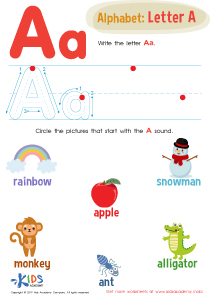
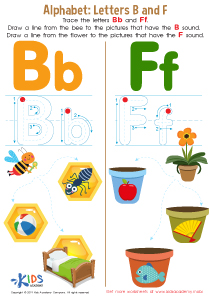
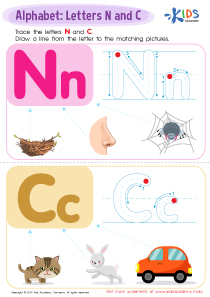
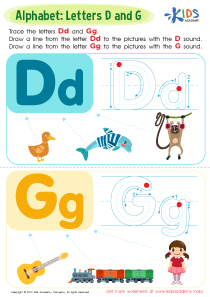
Unlock your child's potential with our Alphabet Recognition Letter I Worksheets tailored for ages 3-5! Specifically designed to foster early literacy, these engaging worksheets transform learning the letter I into a fun adventure. Kids will connect dots, color vibrant pictures, and trace lines, all while enhancing fine motor skills and letter recognition. Perfect for preschoolers and kindergarten students, each worksheet is crafted to build confidence and establish the foundational skills crucial for reading and writing. Give your little learner a head start with our expertly created resources that make mastering the alphabet an enjoyable journey!
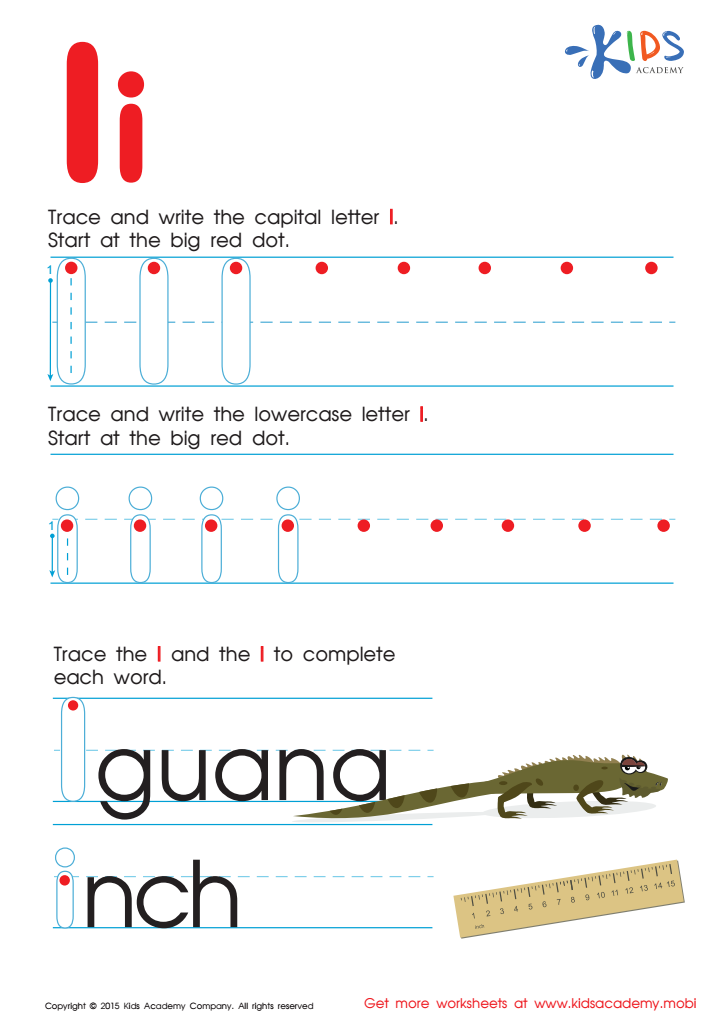
Letter I Tracing Page
 Assign to My Students
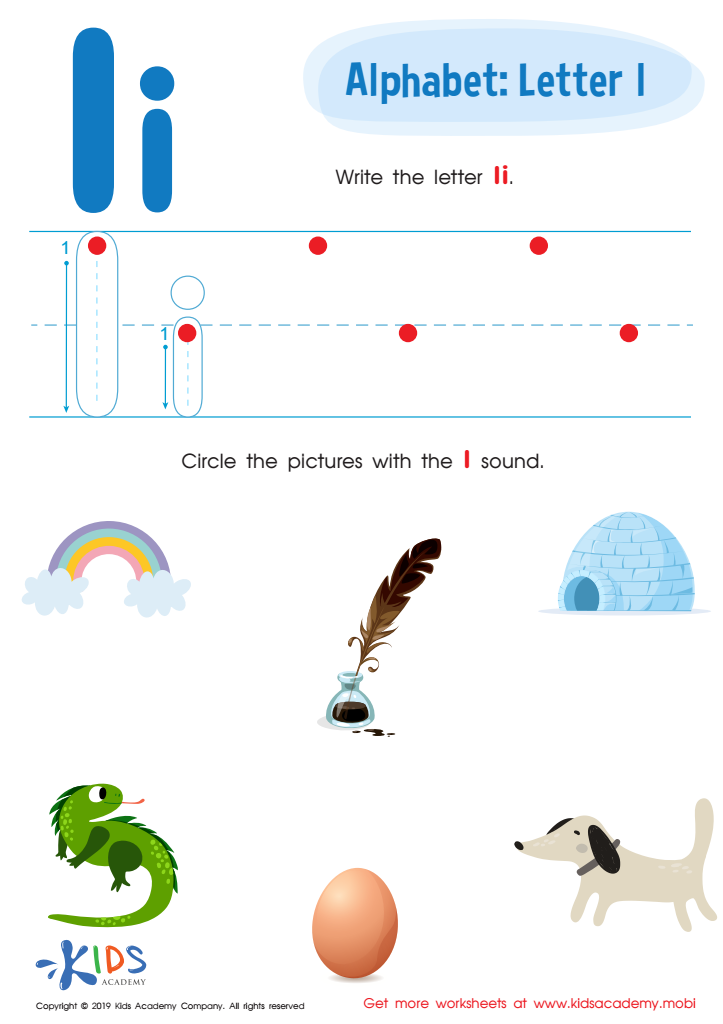
Letter I Tracing Worksheet
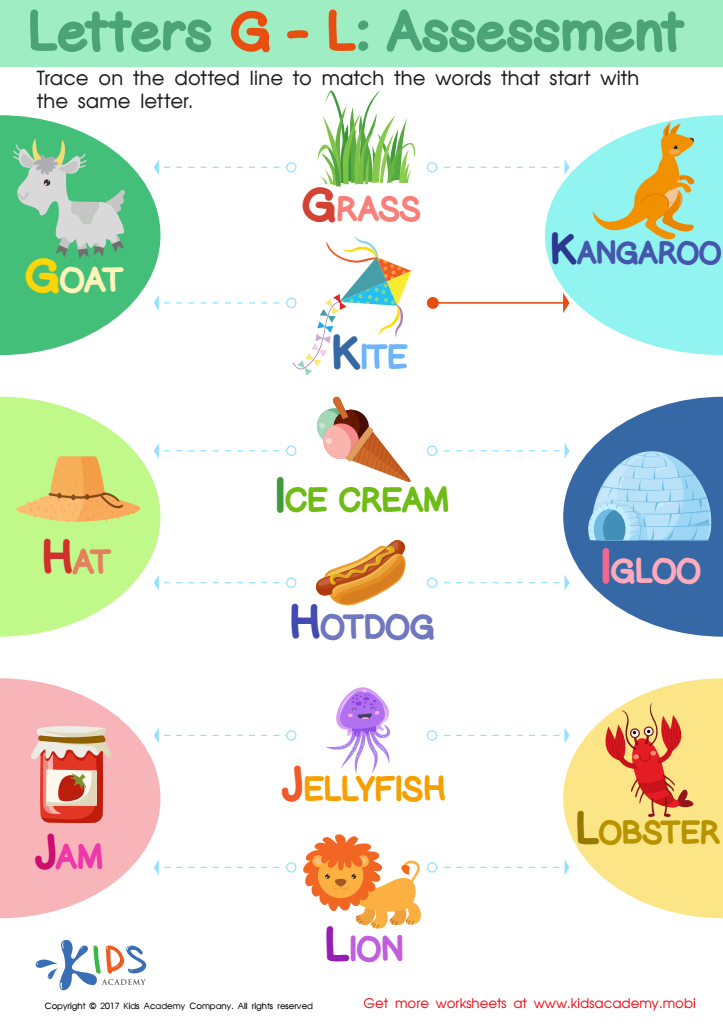
Letters G-L Worksheet







Alphabet recognition is a foundational skill for young children, pivotal for later literacy development. The letter “I” holds specific significance, and engaging young learners with this particular letter yields multiple benefits that parents and teachers should value. Firstly, recognizing the letter “I” assists children in building phonemic awareness, the understanding that letters represent sounds. Given that “I” appears frequently in English, especially in common words even in isolation such as “I” or simple sentences like “I am,” early familiarity aids comprehension and vocabulary expansion.
Moreover, learning the letter “I” is tied closely to print awareness. “I” is straight and simple in its structure, providing an accessible form that strengthens fine motor skills during writing practice. Teaching the letter “I” often serves as an entry point for distinguishing between vowels and consonants. Since vowels are essential to the structure of words, understanding “I” paves the way for constructing simple short words like “igloo” or “insect”, leading to early decoding skills essential for reading.
Emotionally and morally, children experience a sense of achievement when they recognize letters, which boosts confidence and inspires a love for learning. As young students’ first teachers, engaged parents and where teachers seize every opportunity to facilitate mastery of such basics, thus laying the groundwork for academic success.