Alphabet Recognition Letter L Worksheets for Ages 3-5
3 filtered results
-
From - To
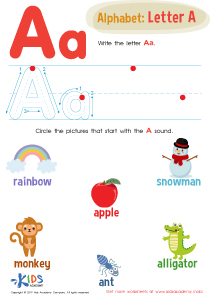
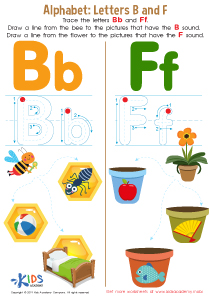
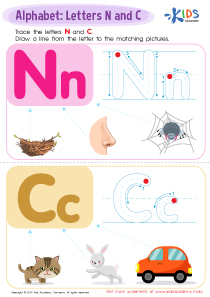
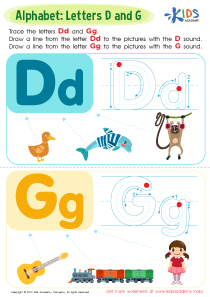
Explore our "Alphabet Recognition Letter L Worksheets" designed specifically for children ages 3-5. These engaging worksheets aim to strengthen early learners' understanding of the alphabet, focusing on the letter L. Through fun and interactive exercises, children will identify and recognize both uppercase and lowercase L, enhancing their literacy skills. Perfect for preschool and kindergarten readiness, these printable activities incorporate tracing, coloring, and matching games that make learning enjoyable and effective. Ideal for parents and educators, our worksheets provide a comprehensive, easy-to-follow approach to alphabet mastery, fostering a love for reading from the start.
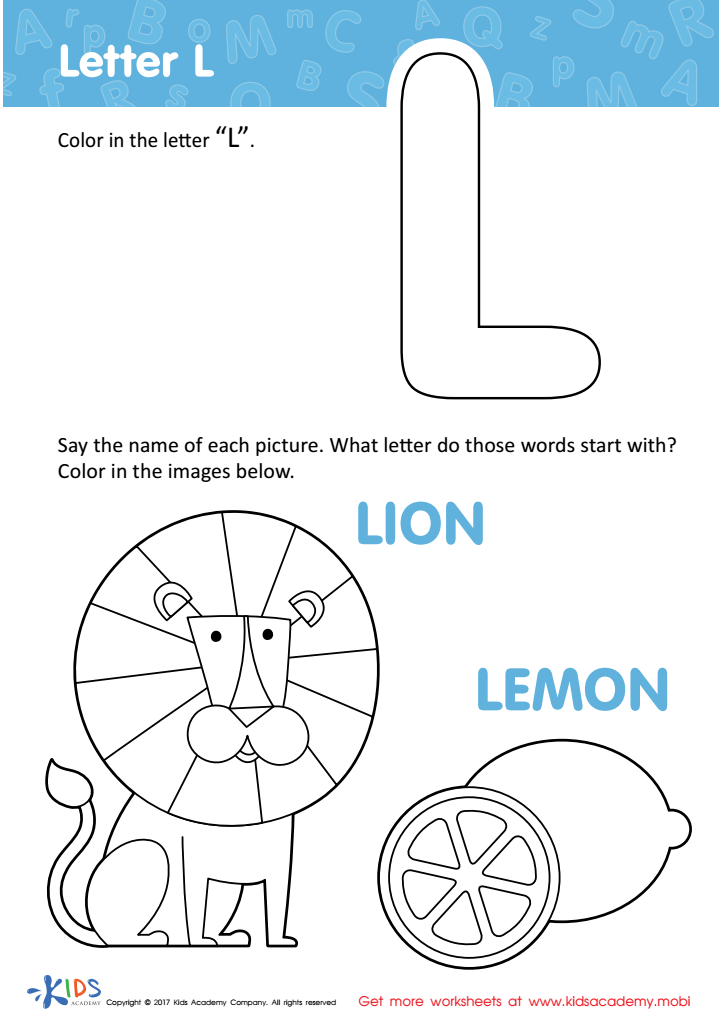
Letter L Coloring Sheet
 Assign to My Students
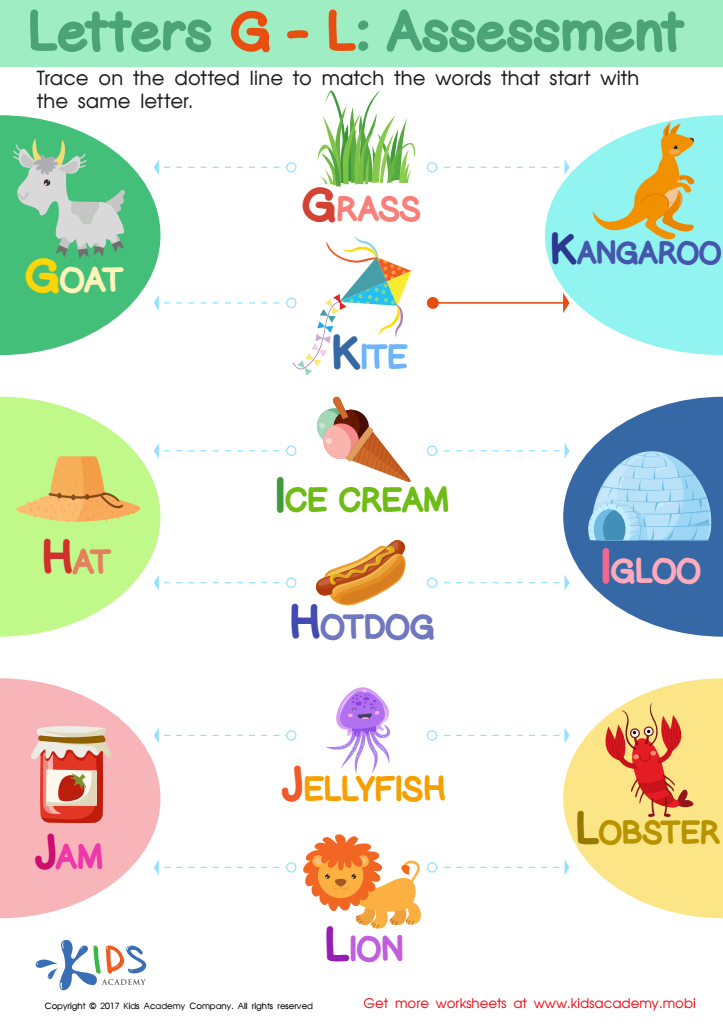
Letters G-L Worksheet
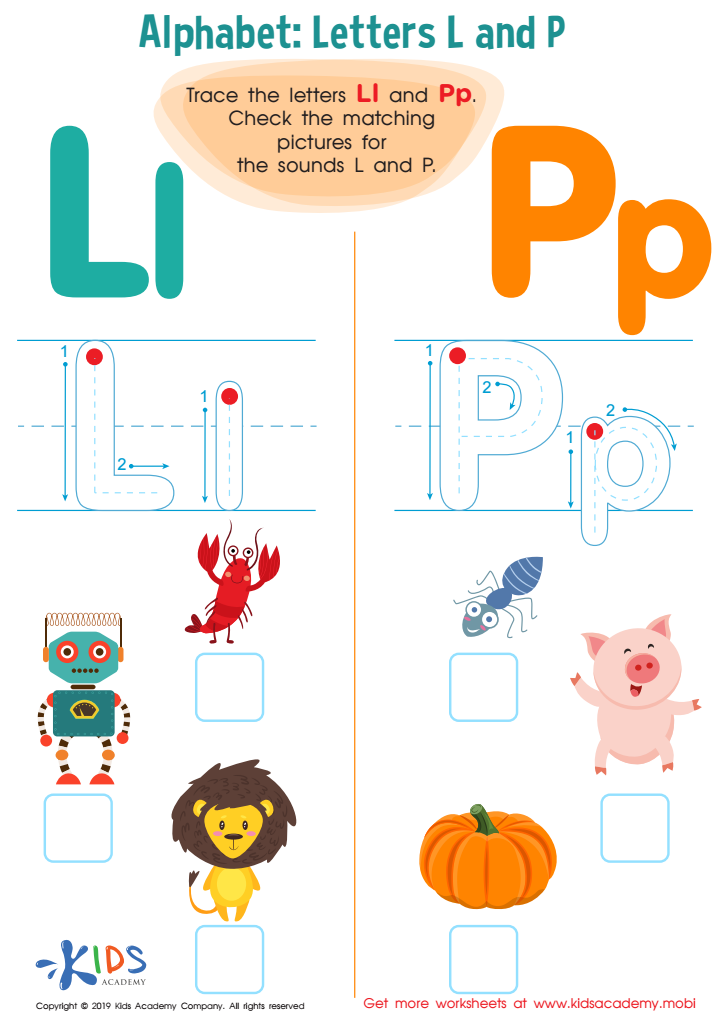
Letter L and P Tracing Worksheet





Alphabet recognition, especially for a letter such as "L," is foundational for young learners aged 3-5. During this essential developmental stage, recognizing letters helps children connect spoken language with written symbols. This connection is a crucial step toward literacy.
Understanding the letter "L" and its sound (/l/) enables children to decode words, improving their reading and listening skills. For example, recognizing "L" in "lion," "leaf," or "lamp" not only helps with pronunciation but also builds their vocabulary. By familiarizing themselves with this letter, children learn to differentiate between letter shapes and sounds, a skill necessary for fluent reading.
Additionally, alphabet activities, including identifying the letter "L," can enhance fine motor skills as children trace and write the letter. Engaging with "L" through multi-sensory methods like songs, stories, or crafts makes learning enjoyable and memorable. These interactive experiences strengthen cognitive abilities like memory and attention, which are critical for academic success.
Moreover, early exposure to alphabet recognition stimulates curiosity and fosters a love for reading. By focusing on letters like "L," parents and teachers set the stage for a lifetime of learning and curiosity, essential both within the classroom and beyond. Starting this foundational education early provides a gateway to broader language development and future academic achievement.