Motor skills development Letter Recognition Worksheets for Ages 3-5
5 filtered results
-
From - To
Unlock your child's potential with our Motor Skills Development Letter Recognition Worksheets, specially designed for ages 3 to 5. These engaging, printable worksheets offer fun activities that promote fine motor skills while helping young learners recognize letters. Each worksheet combines tracing, coloring, and interactive tasks to make learning the alphabet an enjoyable adventure. As children practice their pencil grip and hand-eye coordination, they simultaneously develop essential pre-reading skills. Perfect for parents and educators alike, our resources foster early literacy and motor development in a playful and effective manner. Start your child's educational journey with us today!
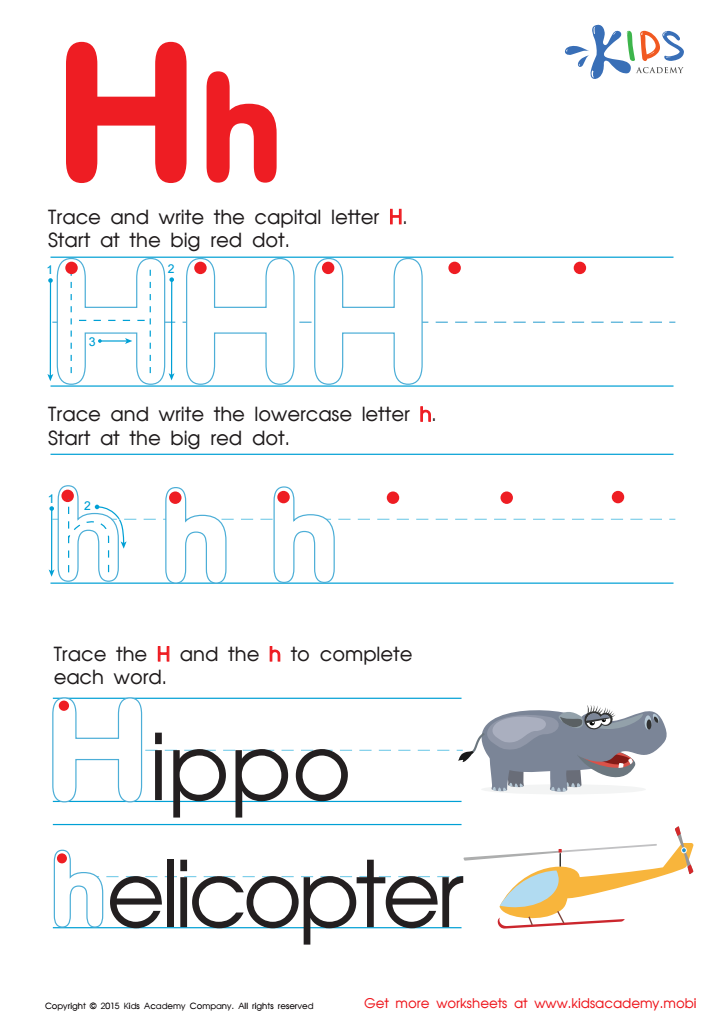
Letter H Tracing Page
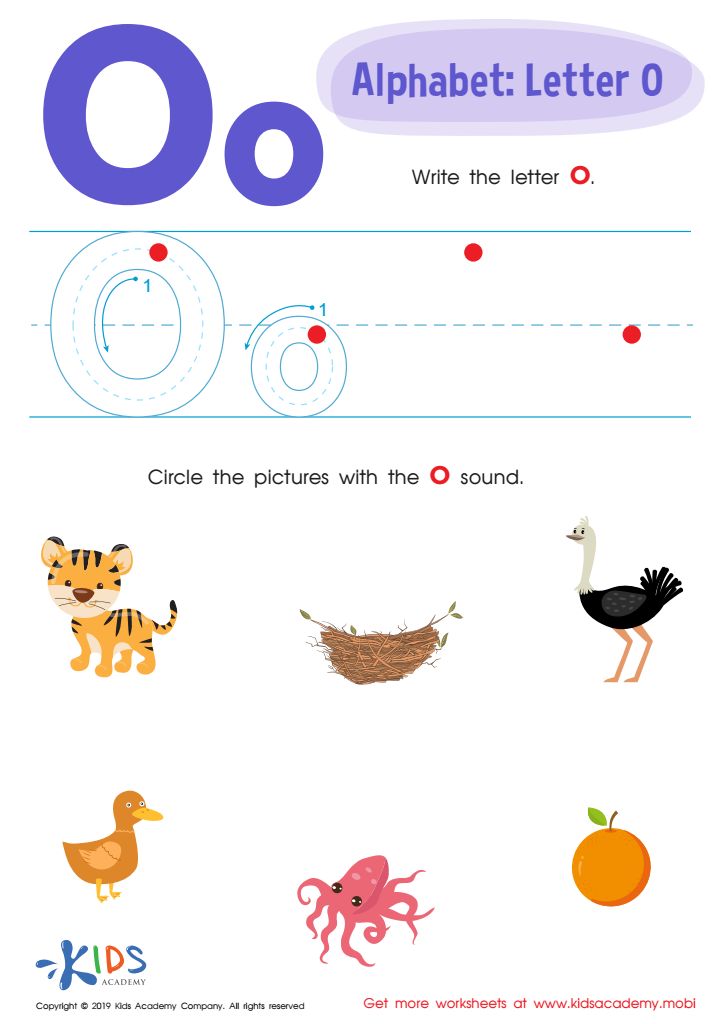
Letter O Tracing Worksheet
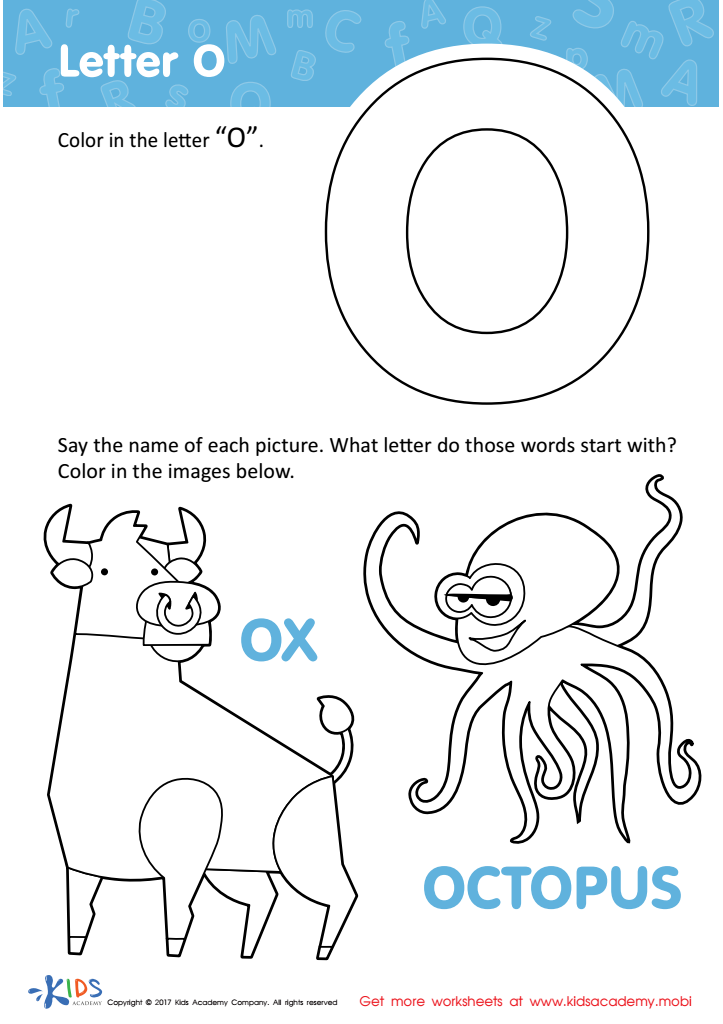
Letter O Coloring Sheet
 Assign to My Students
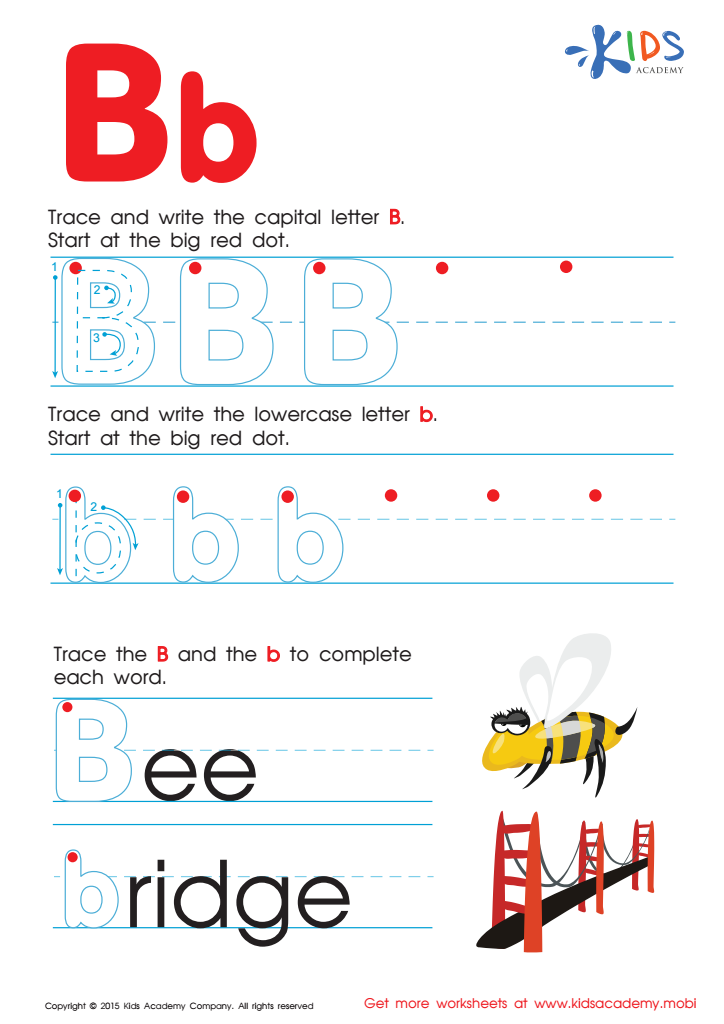
Letter B Tracing Page
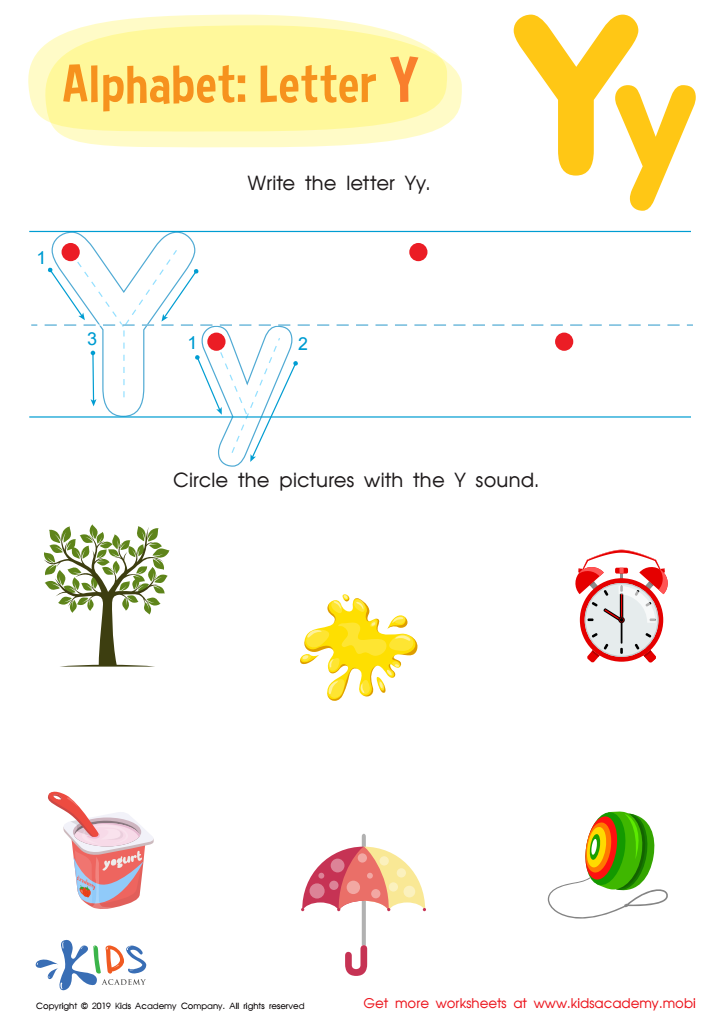
Letter Y Tracing Worksheet








Motor skills development, specifically letter recognition, is crucial for children ages 3-5 as it forms the foundation for future reading and writing abilities. During this formative stage, fine motor skills, such as grip, coordination, and hand-eye coordination, are closely linked to a child’s ability to recognize and manipulate letters. Understanding and identifying letters is not just about memorization; it involves cognitive processes that lead to word formation, spelling, and eventually reading comprehension.
Parents and teachers play an essential role in fostering these skills through engaging activities that not only promote letter recognition but also enhance fine motor skills. For instance, activities like tracing letters in sand, assembling letter puzzles, or crafting letters with play dough can make learning interactive and enjoyable.
Moreover, early exposure to letter recognition helps to nurture a child’s confidence, setting a positive tone for their educational journey. When children feel competent in recognizing letters, they are more likely to participate actively in classroom activities and foster a love for learning. Ultimately, investing in motor skills development and letter recognition prepares young learners for academic success and helps to create a strong literacy foundation for future growth.







