Reading comprehension Letter Recognition Worksheets for Ages 3-5
3 filtered results
-
From - To
Boost your child's early literacy skills with our "Reading Comprehension Letter Recognition Worksheets for Ages 3-5." Designed to captivate young learners, these worksheets combine engaging activities and colorful visuals to make learning the alphabet fun. Children will enhance their letter recognition, improve reading comprehension, and build a strong foundation for future reading success. Perfect for preschool and kindergarten, our printables are crafted by education experts to support cognitive development and foster a love for reading. Download now and watch your little one achieve milestones with confidence and joy!
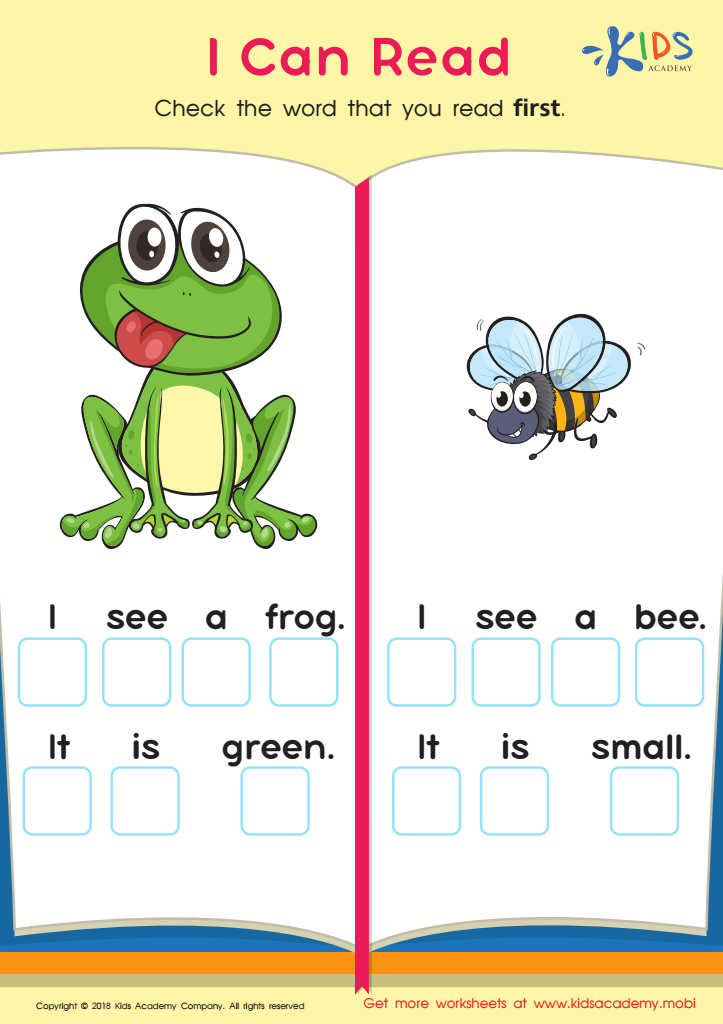
I Can Read Worksheet
 Assign to My Students
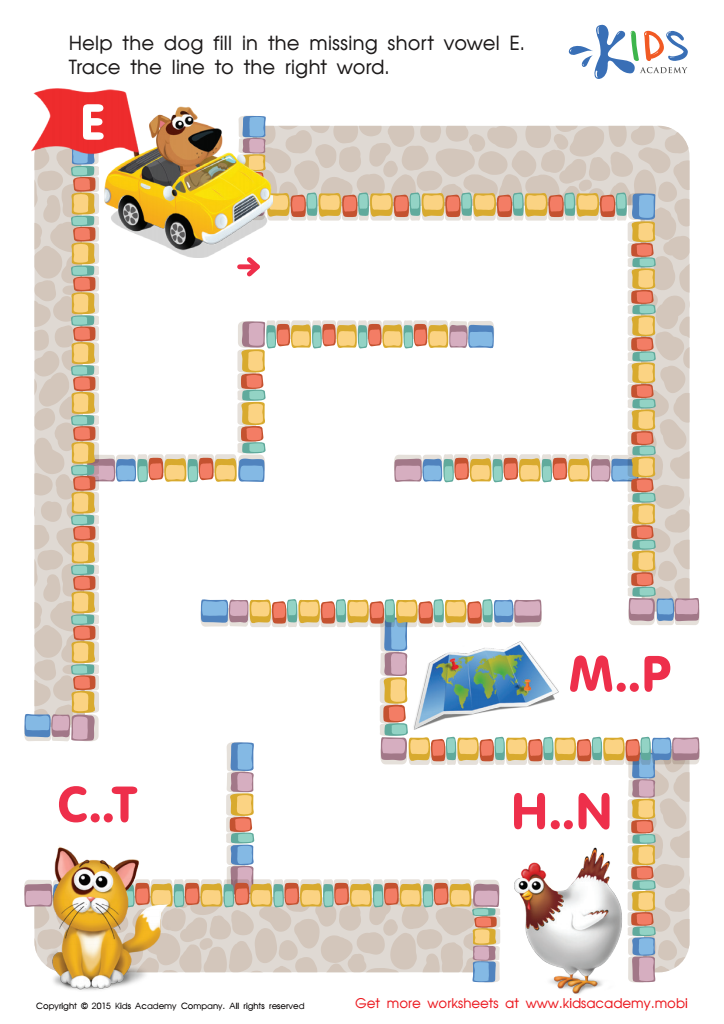
Short Vowel Sound E Worksheet
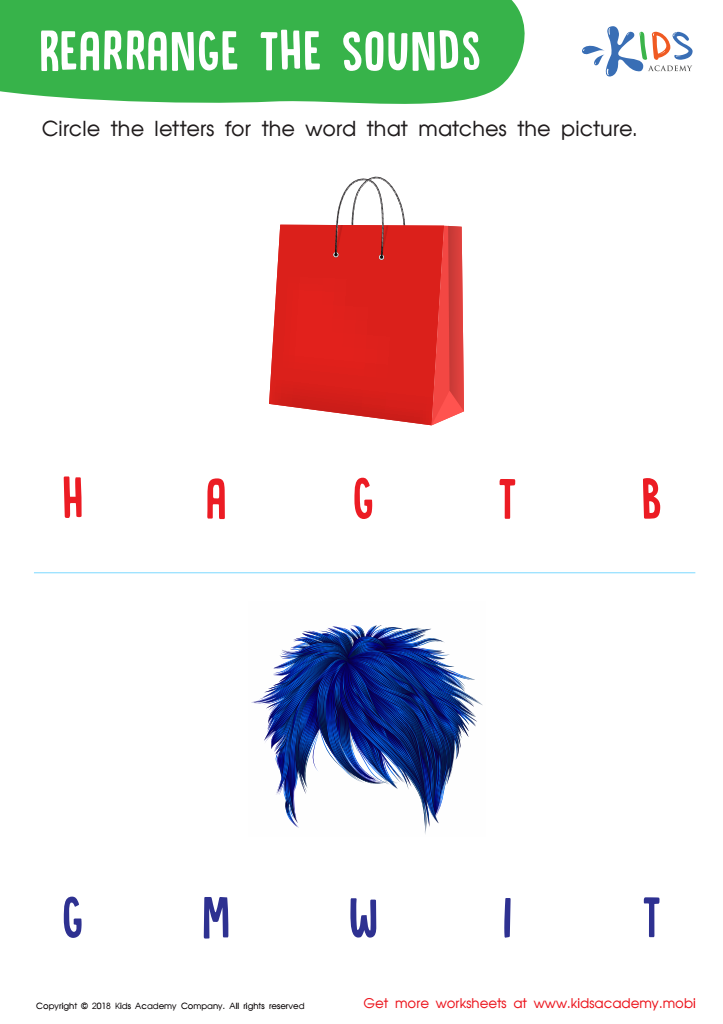
Rearrange the Sounds Worksheet








Reading comprehension and letter recognition are foundational skills that significantly impact a child's academic journey and overall cognitive development. For children aged 3-5, introducing and nurturing these skills early on can set the stage for a lifelong love of learning and ensure future academic success.
First, letter recognition is crucial as it serves as the building block for phonemic awareness. When children can identify letters and associate them with their corresponding sounds, they begin decoding words, a critical step in learning to read. Recognizing letters helps children understand that words are composed of distinct sounds, which can be blended and segmented.
On the other hand, reading comprehension goes beyond just recognizing words; it involves deriving meaning from text. At this tender age, comprehension skills can be nurtured through storytelling and interactive picture books. By discussing stories, asking predictive or clarifying questions, and encouraging children to express their thoughts, parents and teachers can develop their ability to understand and interpret what they read.
Moreover, early proficiency in these areas fosters self-confidence, which is key to tackling more complex educational tasks in the future. When children grasp letter recognition and reading comprehension early, it alleviates later struggles when academic demands increase.
Investing time and effort in these early literacy skills equips children with the tools they need to succeed, both academically and in life.







