Handwriting improvement Tracing Letters Worksheets for Ages 3-5
5 filtered results
-
From - To
Boost your child's handwriting skills with our Tracing Letters Worksheets designed for ages 3-5! These engaging, interactive worksheets help young learners develop fine motor skills while practicing letter formation. Each worksheet features beautifully illustrated letters for kids to trace, making learning fun and effective. Ideal for preschoolers and kindergarteners, these activities support early literacy and promote confidence in writing. Whether at home or in the classroom, these worksheets offer a valuable resource for parents and teachers alike. Watch your child transform their handwriting abilities with our carefully crafted materials tailored to shape proficient, enthusiastic young writers!
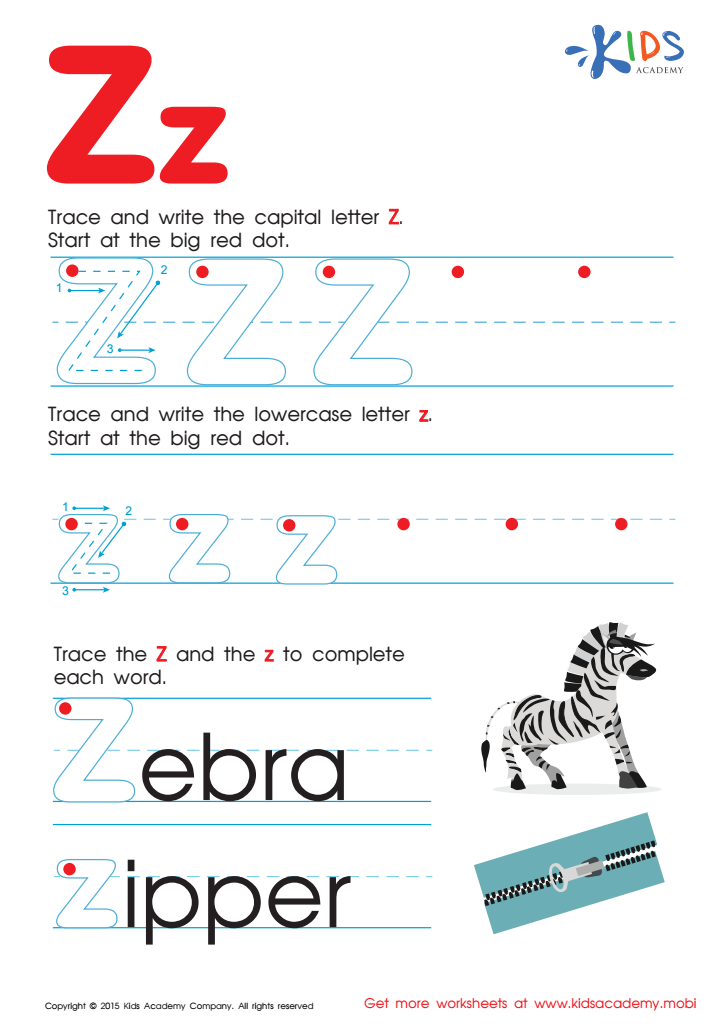
Letter Z Tracing Page
 Assign to My Students
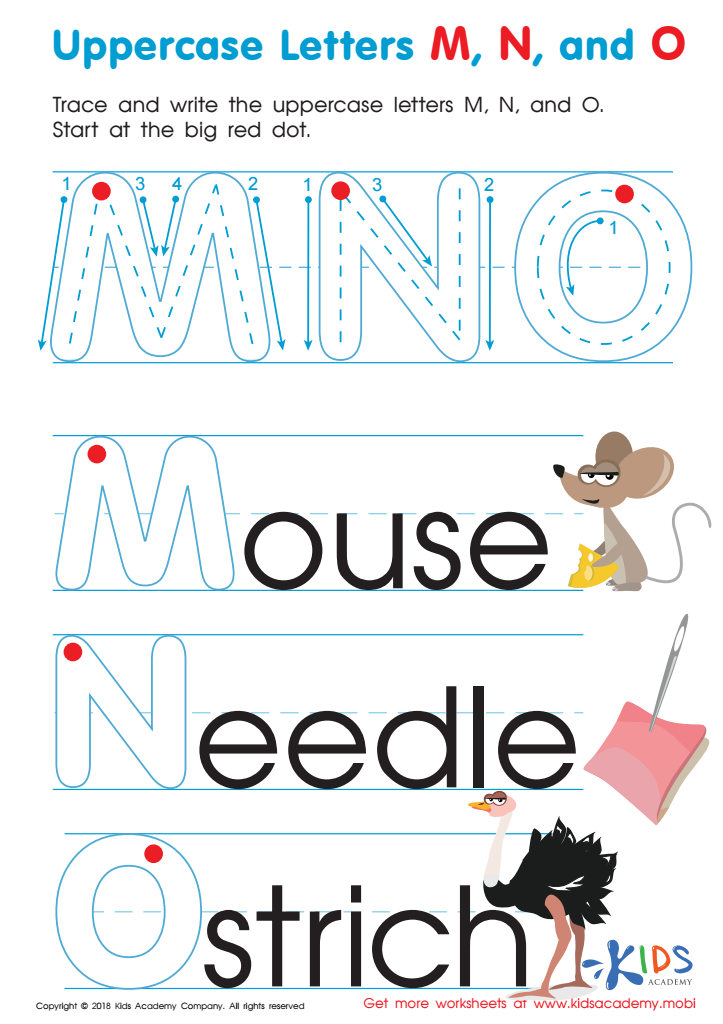
Uppercase Letters M, N, and O Worksheet
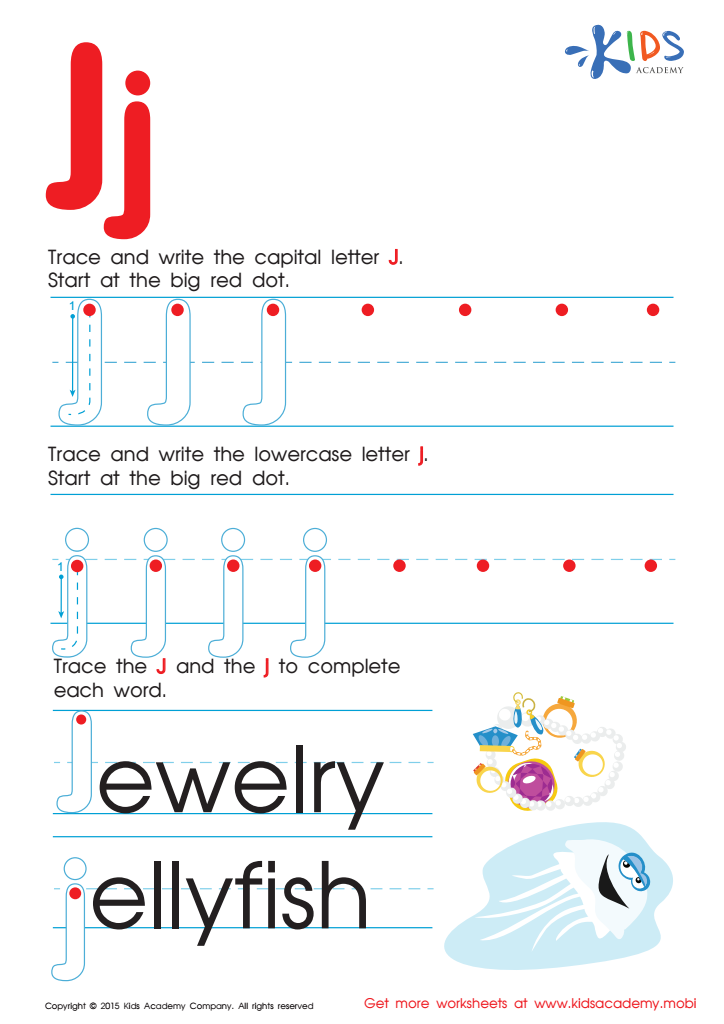
Letter J Tracing Page
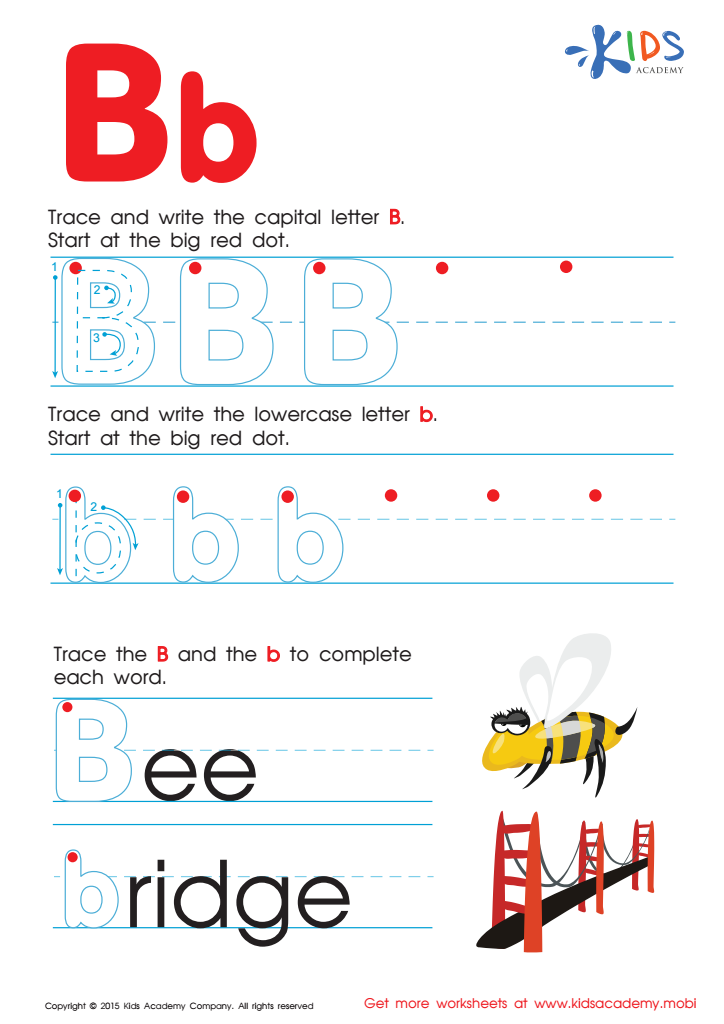
Letter B Tracing Page
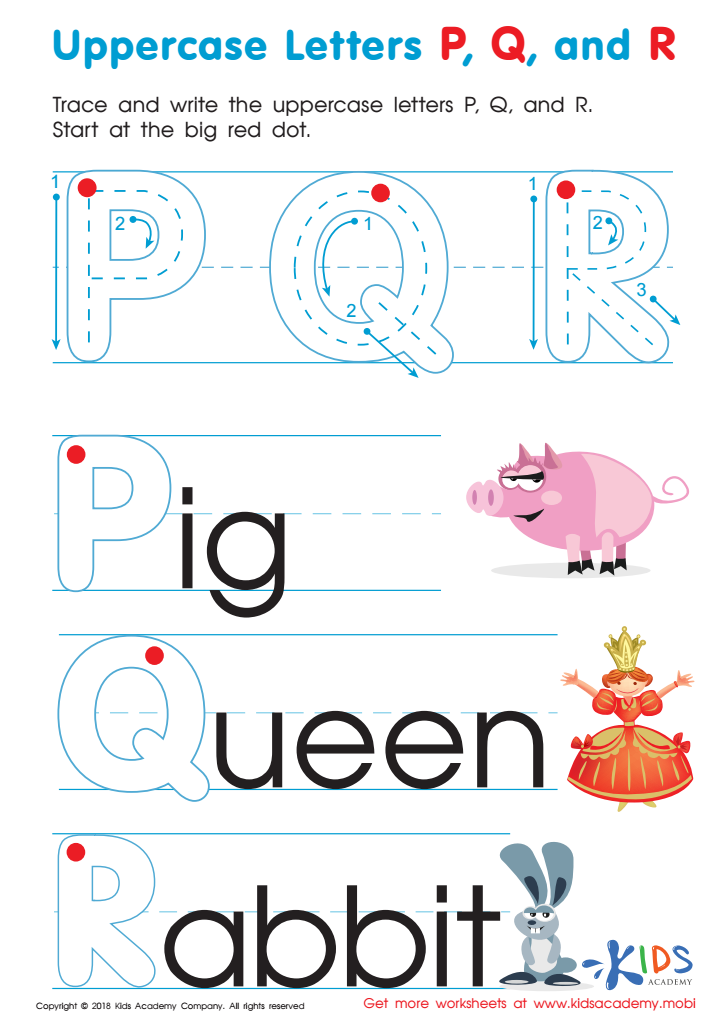
Uppercase Letters P, Q, and R Worksheet








Handwriting improvement, particularly through tracing letters, is crucial for children aged 3-5 as it lays the foundation for effective communication and literacy skills. At this developmental stage, children are honing their fine motor skills, which are essential for various daily tasks. Tracing letters helps strengthen the small muscles in their hands and fingers, promoting muscle control and dexterity.
Moreover, letter formation is an essential component of writing. When children practice tracing, they become familiar with the shapes and structure of letters, enhancing their ability to write independently later on. This familiarity boosts their confidence and interest in writing, which is vital for academic success as they progress to higher grades.
Additionally, early handwriting practice encourages cognitive development. Engaging in tracing activities can improve children’s concentration, attention span, and overall coordination. As they practice, they also learn about the relationship between letters and sounds, which is integral to reading skills.
For parents and teachers, supporting handwriting improvement through tracing letters nurtures a child’s cognitive, physical, and emotional development, setting the stage for a strong literacy foundation and positive learning experiences in the future. Encouraging such early writing practices cultivates a lifelong love of learning and self-expression.








