Letter Tracing Practice Tracing Letters Worksheets for Ages 3-5
5 filtered results
-
From - To
Give your child a head start with our "Letter Tracing Practice: Tracing Letters Worksheets for Ages 3-5." Ideal for preschoolers, these engaging worksheets help young learners develop essential pre-writing skills. Each sheet provides fun and interactive tracing activities to enhance fine motor skills, foster letter recognition, and build foundational handwriting abilities. Designed by experts to ensure educational quality, these printable worksheets enable kids to learn at their own pace, making letter tracing a joy. Prepare your child for future academic success while keeping the learning process exciting and enjoyable. Download today and watch your little one's skills flourish!
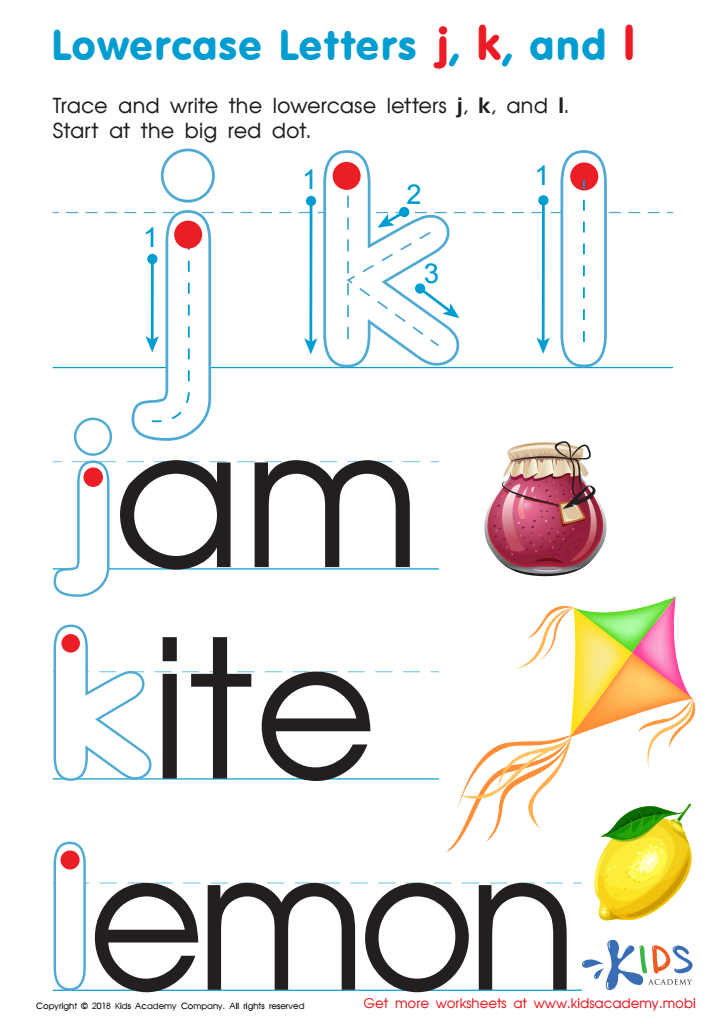
Lowercase Letters j k l Worksheet
 Assign to My Students
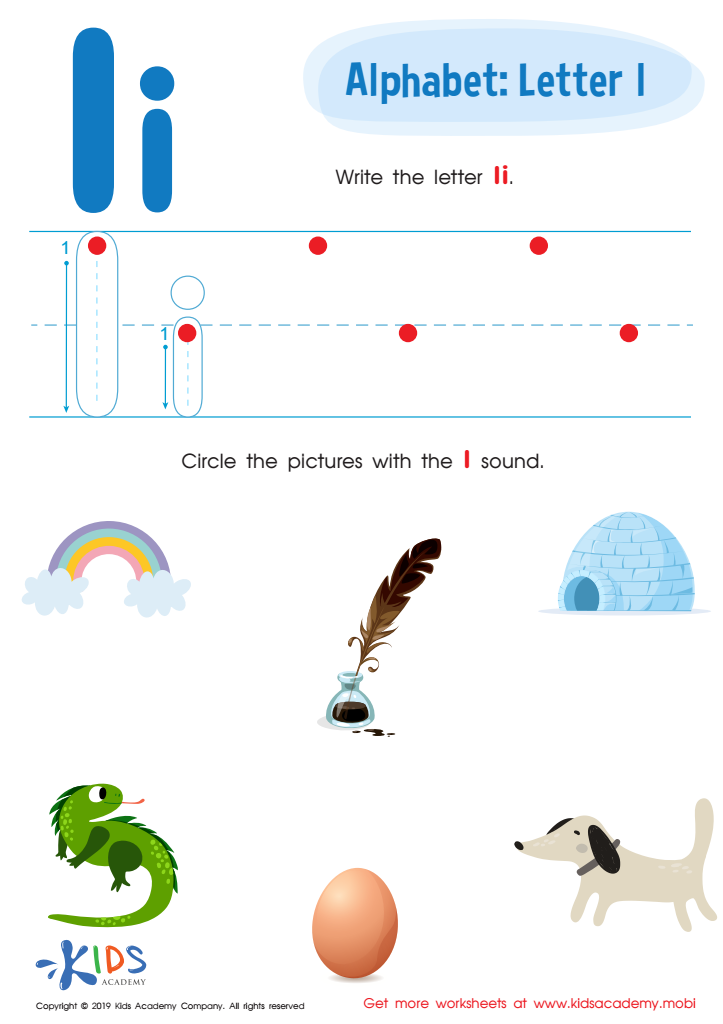
Letter I Tracing Worksheet
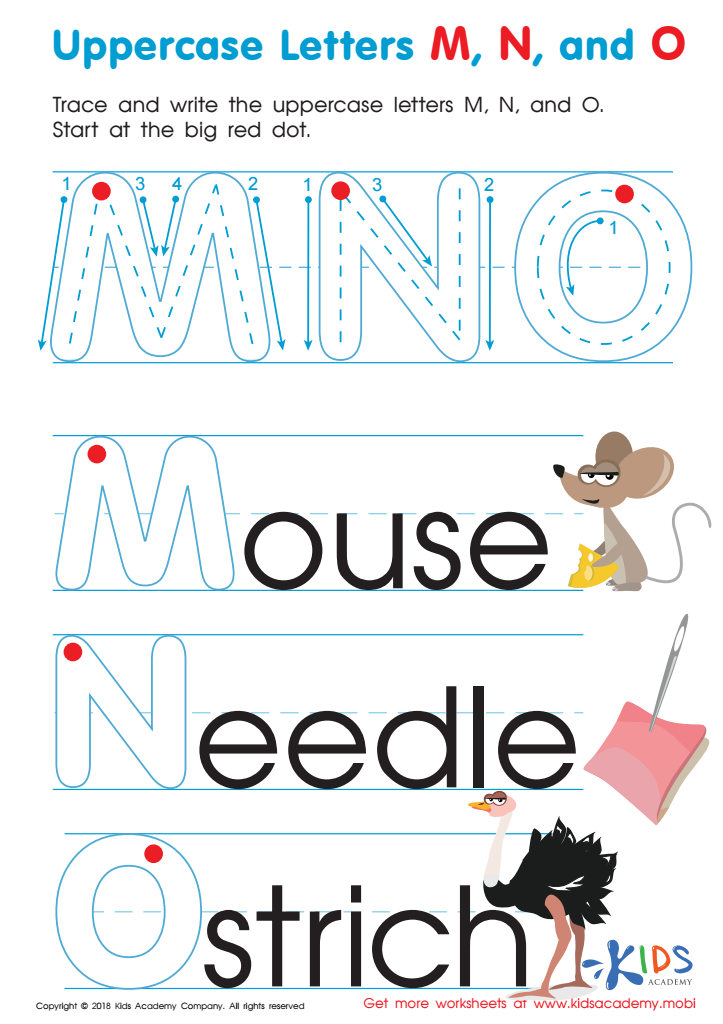
Uppercase Letters M, N, and O Worksheet
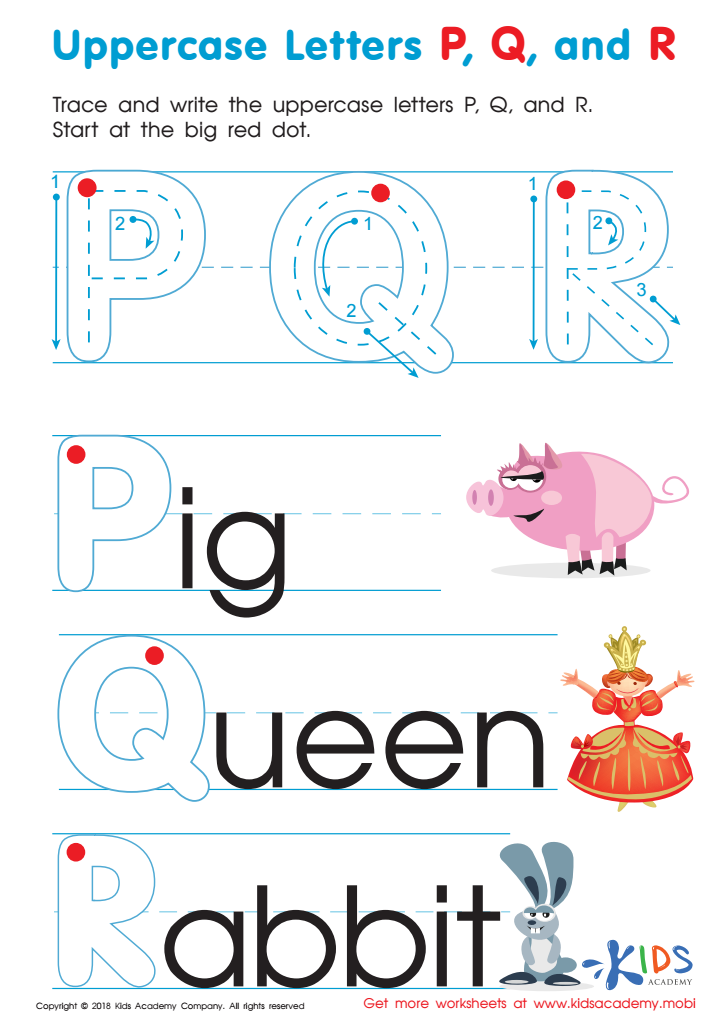
Uppercase Letters P, Q, and R Worksheet
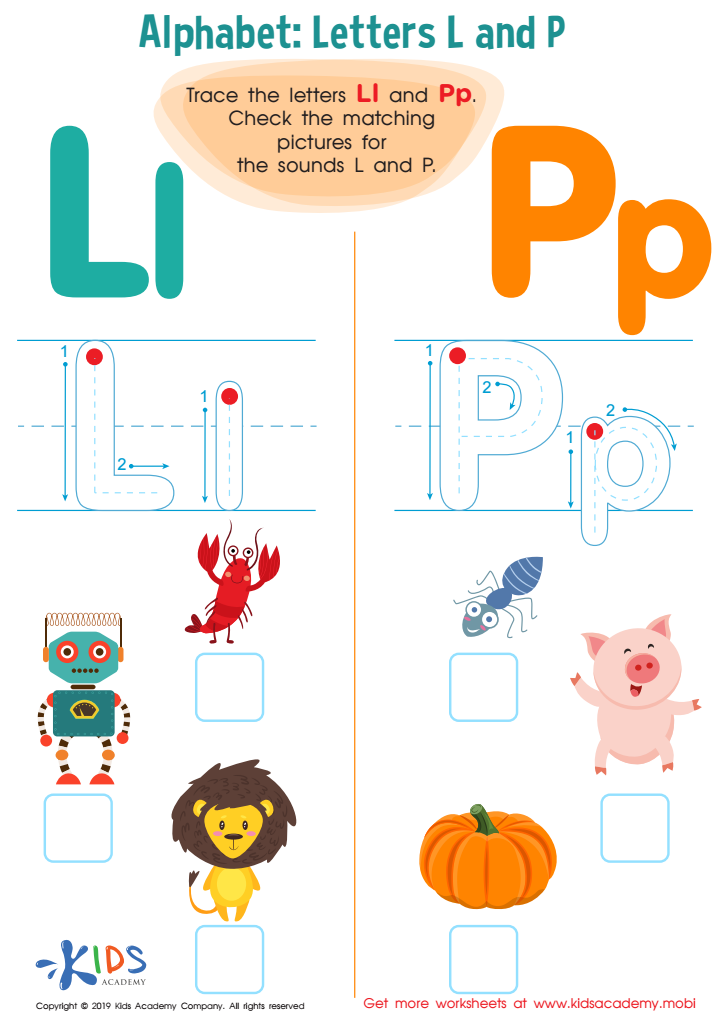
Letter L and P Tracing Worksheet








Letter tracing is a foundational activity that holds immense importance for the developmental stages of children aged 3-5. Parents and teachers should prioritize letter tracing practice because it sets the groundwork for essential literacy skills. At this critical age, children's brains are particularly receptive to learning shapes, symbols, and patterns.
Firstly, letter tracing helps develop fine motor skills. When children trace letters, they practice controlling their hand movements, thus refining the muscles in their hands and fingers. This fine motor control is crucial not just for writing, but also for everyday tasks like buttoning clothes or using utensils.
Secondly, familiarity with the alphabet through tracing prepares children for reading. Recognizing and understanding the shapes and sounds of letters is the first step in phonics. The more children practice, the more comfortable they become with letter-sound relationships, aiding in early decoding skills essential for reading.
Additionally, engaging in structured activities like letter tracing boosts cognitive development and encourages focus and concentration. Repetitive tracing helps reinforce memory and establishes neural pathways conducive to learning.
Lastly, early success in tasks like letter tracing builds confidence and fosters a positive attitude toward education. When children realize they can master letters, their enthusiasm for learning overwhelming. Therefore, integrating letter tracing into early childhood education provides a solid foundation for future scholarly success.








