Capitalization rules Upper & Lowercase Letters Worksheets for Ages 3-5
3 filtered results
-
From - To
Introduce your little ones to the fundamentals of writing with our "Capitalization Rules Upper & Lowercase Letters Worksheets for Ages 3-5." Designed specifically for early learners, these engaging worksheets make mastering capitalization rules fun and easy. Your kids will explore the differences between upper and lowercase letters through colorful, interactive activities that promote recognition and writing skills. Perfect for preschool and kindergarten students, our carefully crafted worksheets provide a solid foundation in literacy, ensuring young children gain confidence in their ability to identify and use capital and lowercase letters correctly. Start your child's educational journey today with these essential tools!
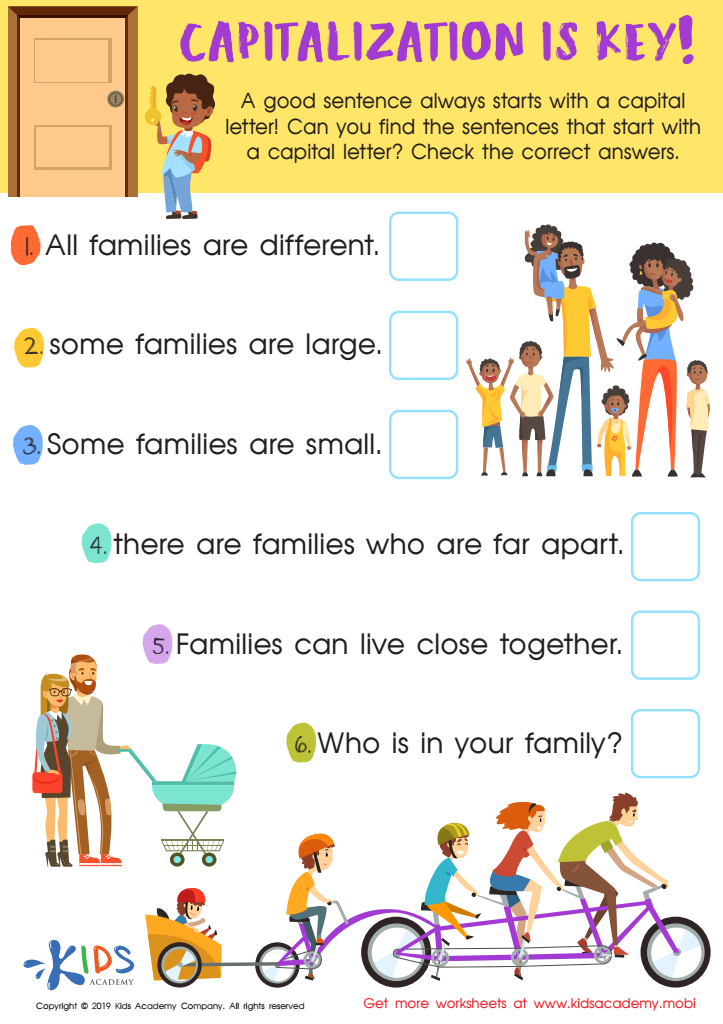
Capitalization Key Worksheet
 Assign to My Students


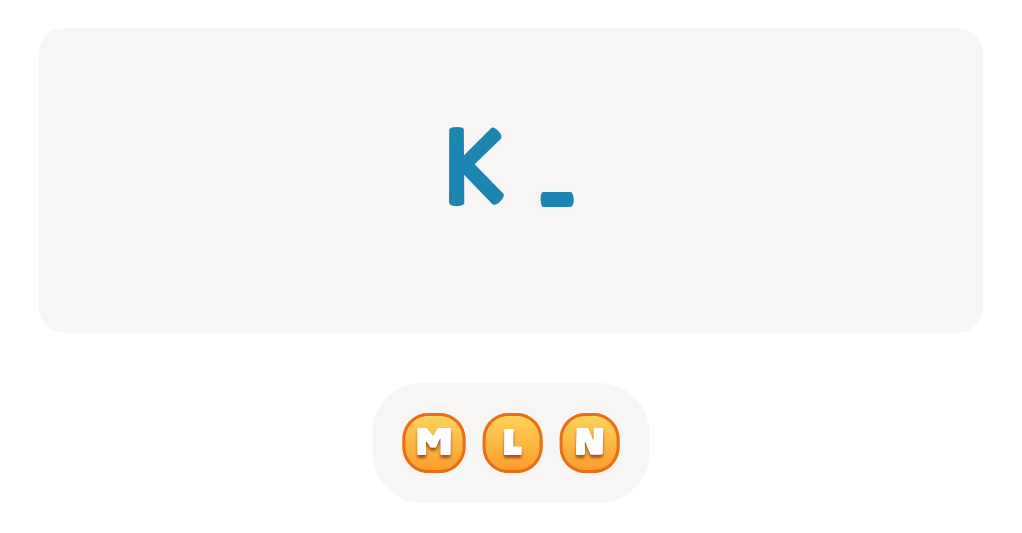
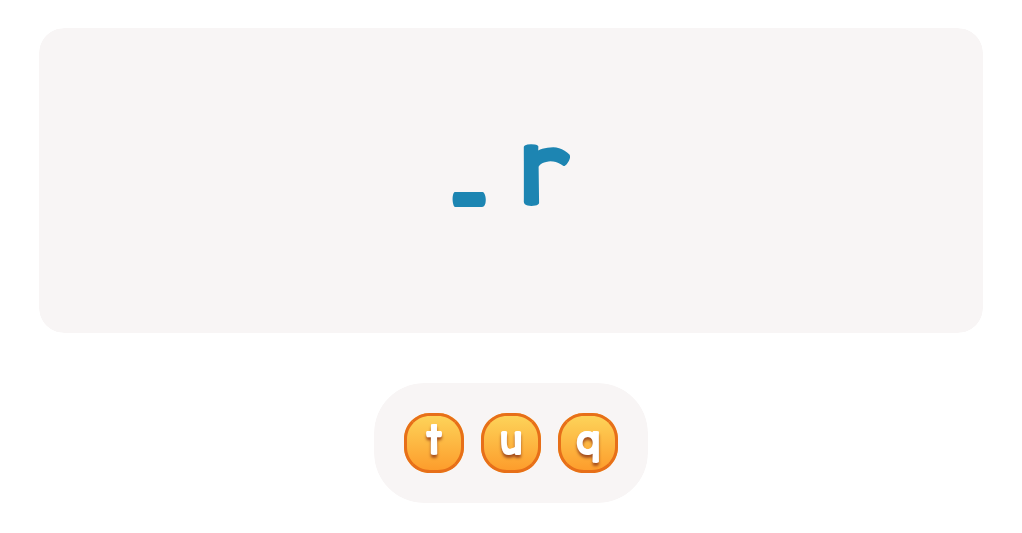

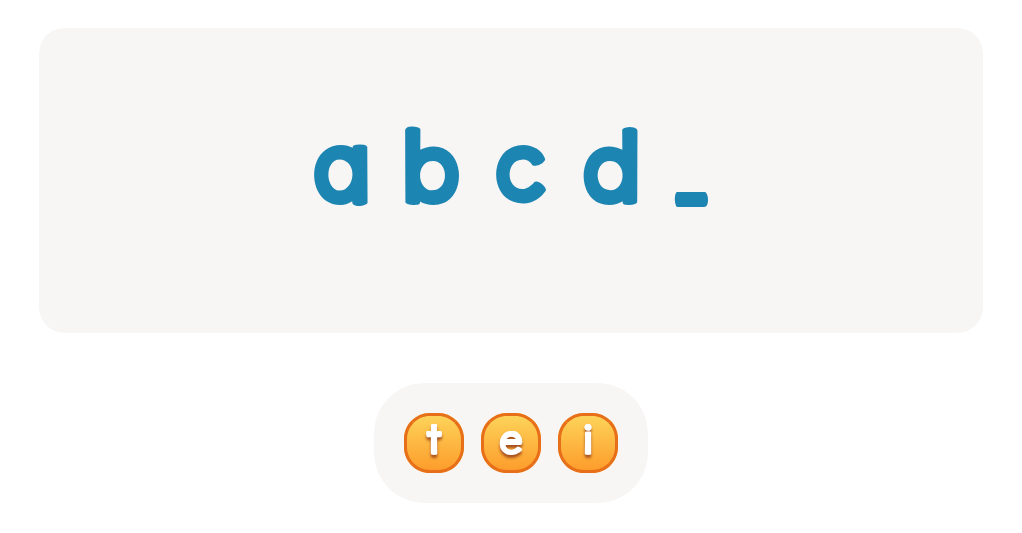


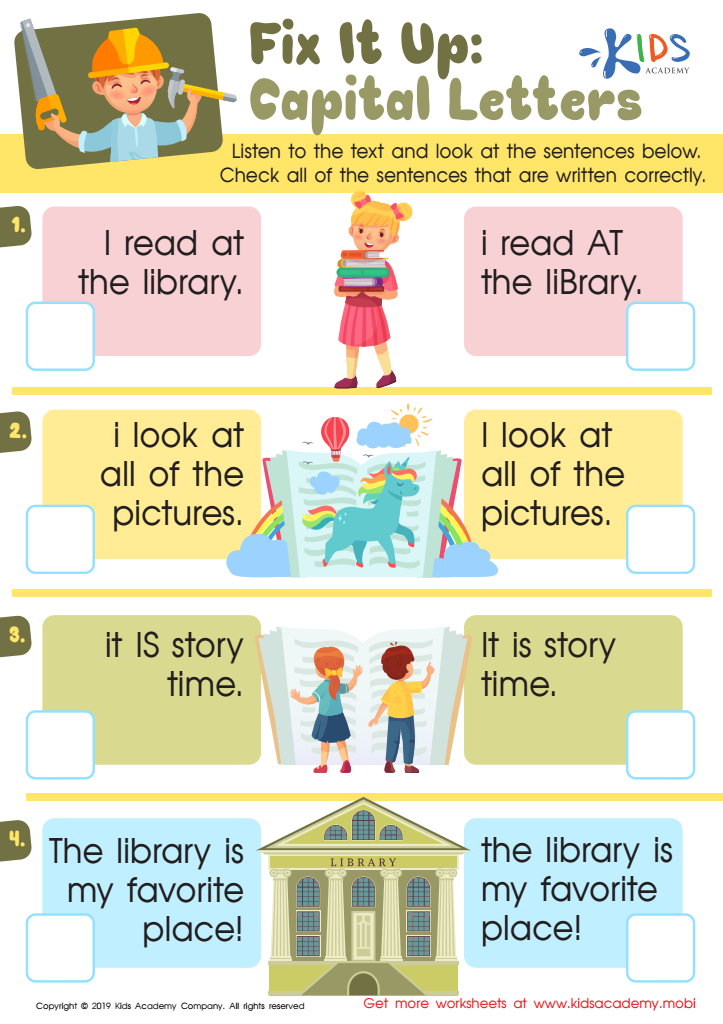
Fix Capital Letters Worksheet

How to Capitalize Worksheet






Understanding capitalization rules is pivotal for young learners as it lays the foundation for effective communication. Ages 3-5 are formative years for language development, and introducing the importance of uppercase and lowercase letters during this period can significantly enhance their reading and writing skills.
Proper capitalization helps children recognize the beginnings of sentences, which is essential for comprehension. Learning that the first letter of a sentence is always capitalized helps young readers identify new thoughts and ideas, making it easier for them to follow the narrative or instructions. Consistently seeing and using correct capitalization also aids in distinguishing proper nouns from common nouns, which is crucial for building vocabulary and understanding context.
Furthermore, practicing capitalization rules at an early age instills a sense of discipline and attention to detail. By learning that names, places, days of the week, and the word “I” must be capitalized, children develop an understanding of conventional grammar and syntax, which they will carry into higher education and beyond.
For parents and teachers, caring about these rules means nurturing a child's literacy skills in a comprehensive manner. Reinforcing proper capitalization in diverse activities—like reading aloud, writing exercises, and interactive games—can make learning these rules enjoyable and intuitive, setting a solid groundwork for future learning success.







