Hand-eye Coordination Upper & Lowercase Letters Worksheets for Ages 3-5
3 filtered results
-
From - To
Enhance your child's hand-eye coordination while introducing them to the exciting world of letters! Our "Hand-eye Coordination Upper & Lowercase Letters Worksheets" for ages 3-5 are designed to engage young learners in fun, interactive activities. These worksheets promote essential motor skills as children trace and match uppercase and lowercase letters, improving their dexterity and accuracy. Each activity is tailored to captivate young minds, making learning basic literacy skills enjoyable and effective. Perfect for preschool and early learning environments, these worksheets encourage confidence as children explore letters through play. Download now and help your child develop foundational skills they’ll use for a lifetime!
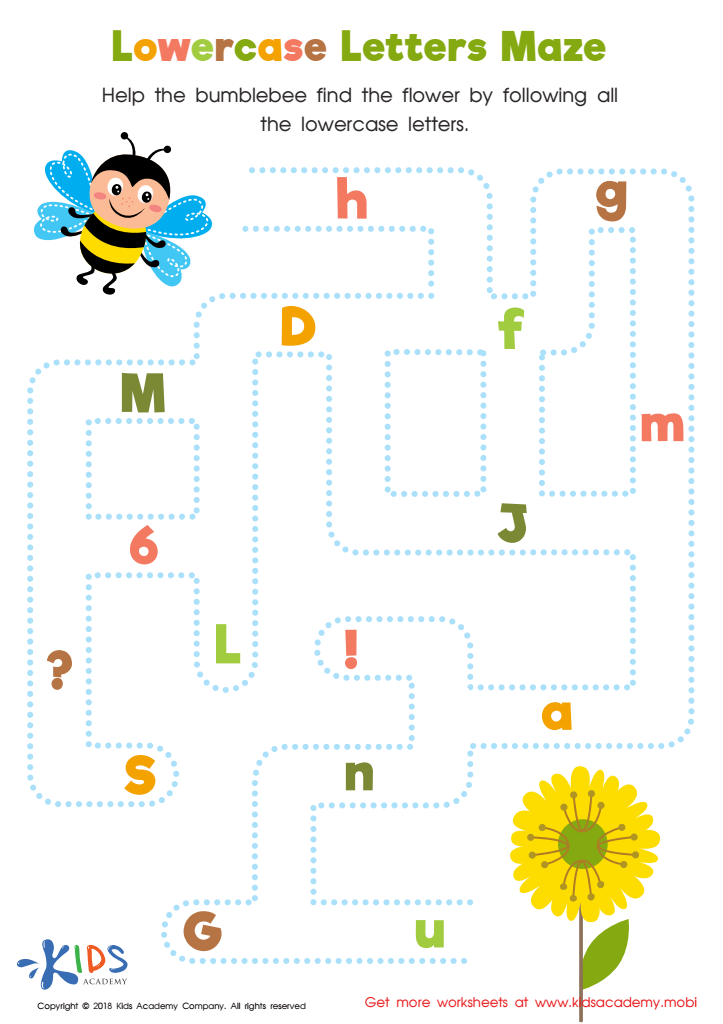
Lowercase Letters Maze Worksheet
 Assign to My Students
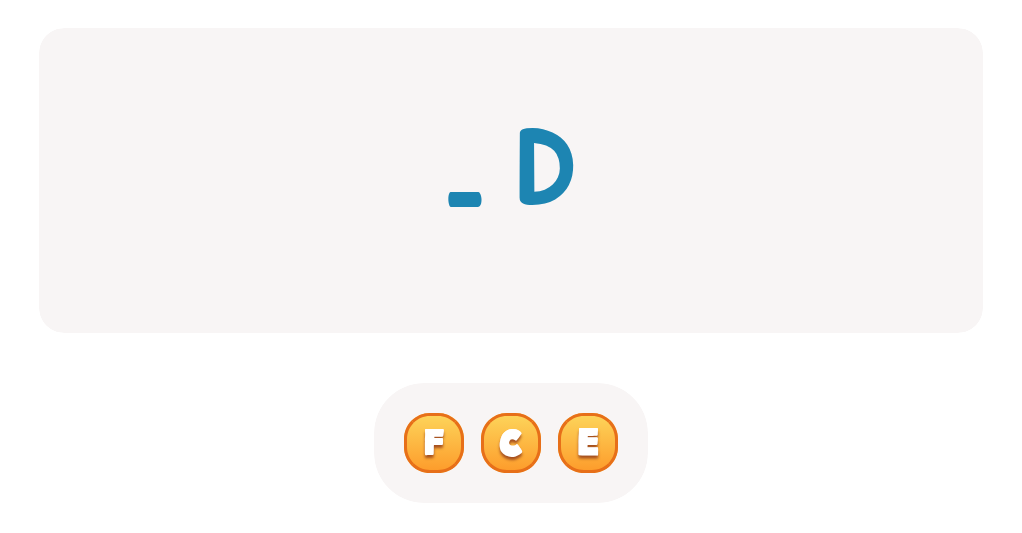

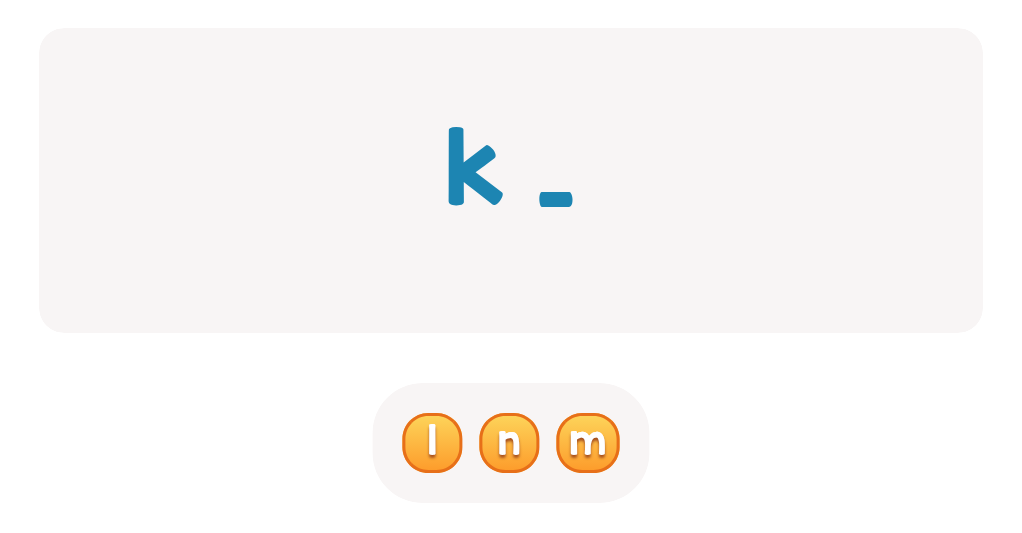
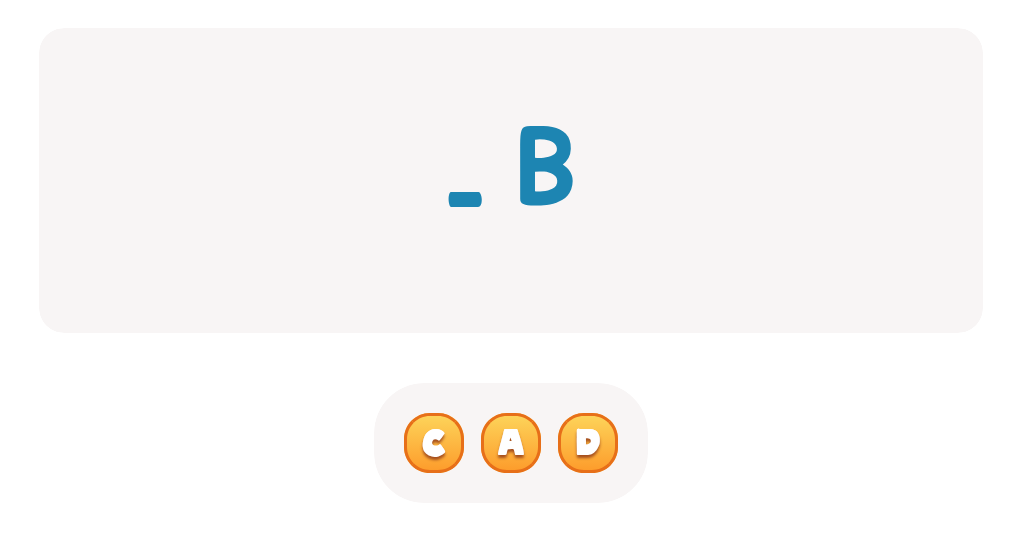

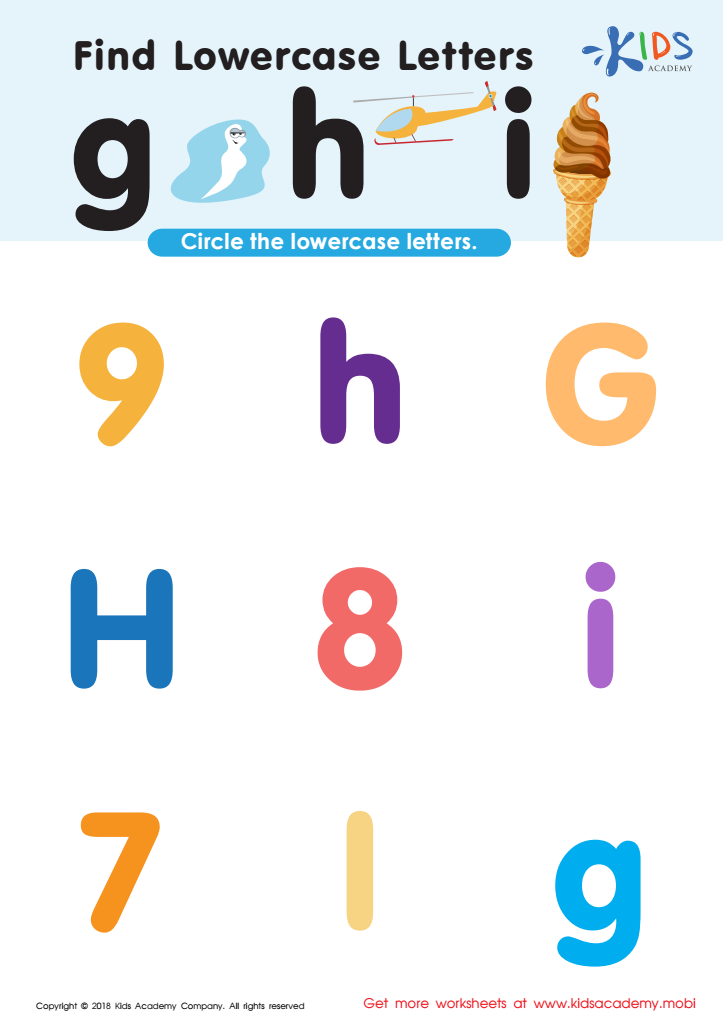
Find Lowercase Letters g h i Worksheet
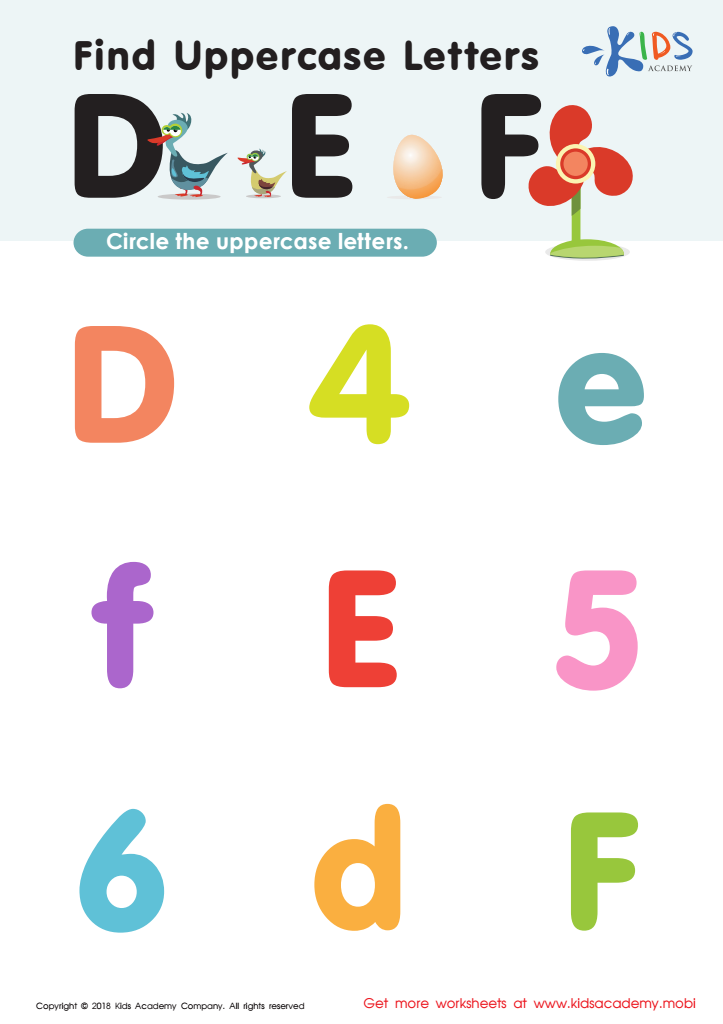
Find Uppercase Letters D, E, and F Worksheet






Hand-eye coordination is a fundamental skill that develops early in a child's life, laying the groundwork for various tasks they will encounter as they grow. For children aged 3-5, mastering hand-eye coordination is especially important when dealing with upper and lowercase letters. As they engage in activities such as drawing, writing, and manipulating small objects, they simultaneously enhance their coordination between their hand movements and visual perception.
Parents and teachers should care about this development for several reasons. First, strong hand-eye coordination improves a child's ability to recognize and reproduce letters effectively, which is crucial for early literacy skills. When children can confidently write both uppercase and lowercase letters, they are better equipped to express themselves through writing and gain independence in learning.
Moreover, hand-eye coordination contributes to fine motor skills, which are vital for tasks like buttoning clothes, using scissors, and other daily activities. By integrating playful and engaging activities such as letter tracing, arts and crafts, and interactive games, parents and teachers can support this development effectively. Ultimately, a strong foundation in hand-eye coordination fosters confidence, enhances academic performance, and prepares children for future learning experiences.







