Letter Tracing Practice Upper & Lowercase Letters Worksheets for Ages 3-5
3 filtered results
-
From - To
Discover our engaging Letter Tracing Practice worksheets designed for children ages 3-5, perfect for developing essential writing skills! These interactive resources help young learners master both uppercase and lowercase letters through fun and repetitive tracing exercises. Each worksheet is crafted to enhance fine motor skills, improve letter recognition, and increase confidence in handwriting. With colorful illustrations and guided prompts, children will be motivated to practice and refine their letter formation. Foster a love for learning with our easy-to-use, printable worksheets that make letter tracing enjoyable and rewarding. Start your child’s writing journey today and watch them flourish!
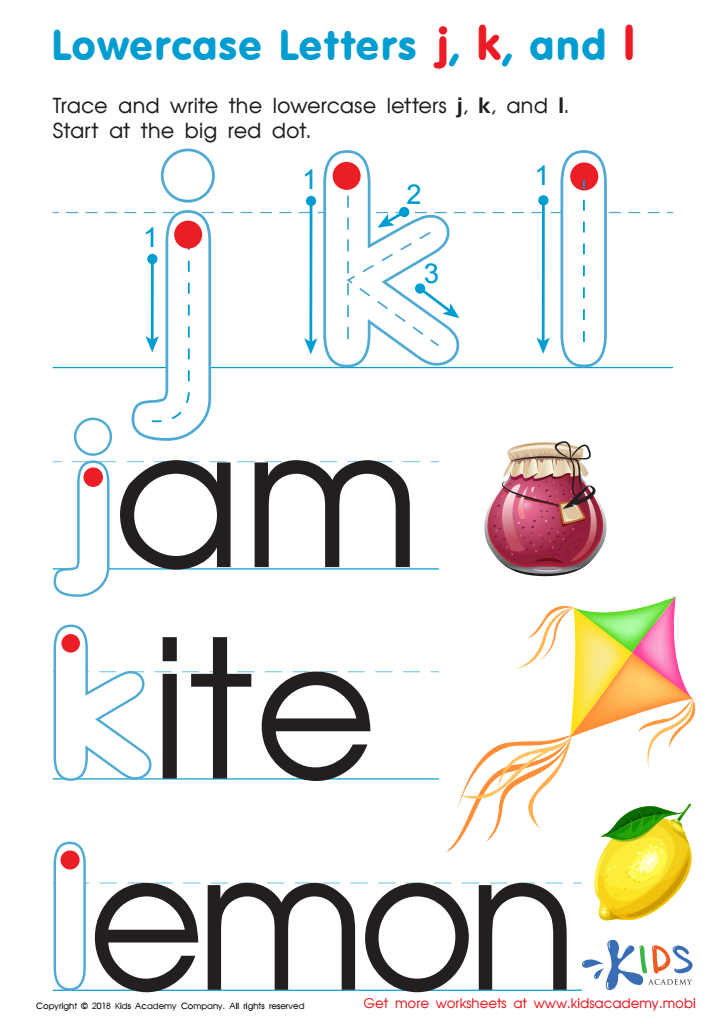
Lowercase Letters j k l Worksheet
 Assign to My Students

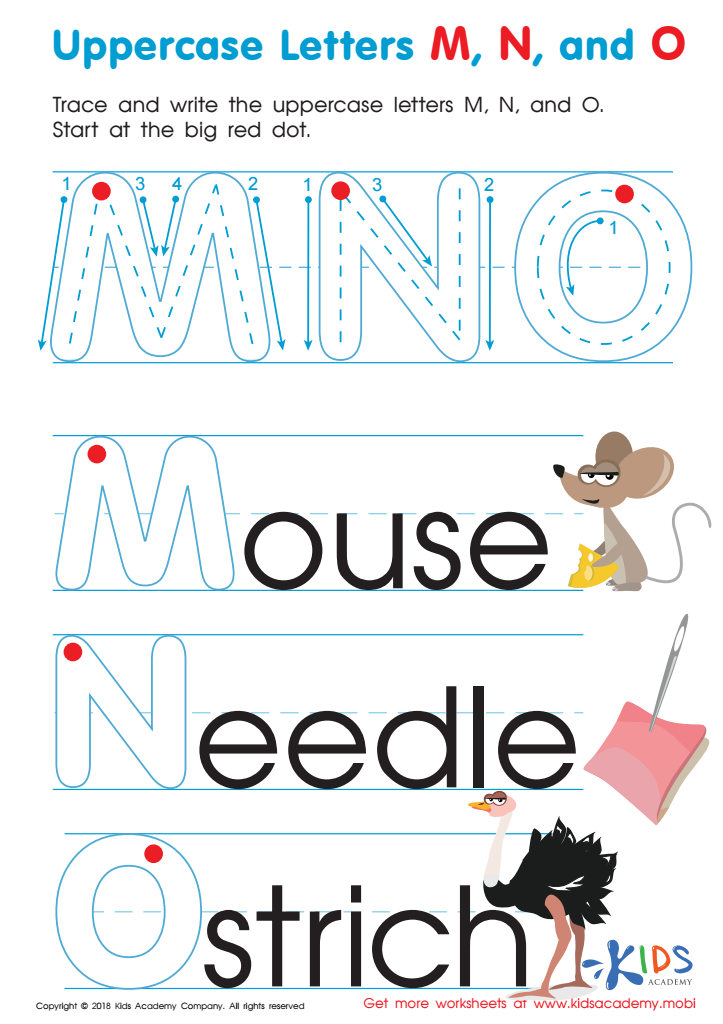
Uppercase Letters M, N, and O Worksheet
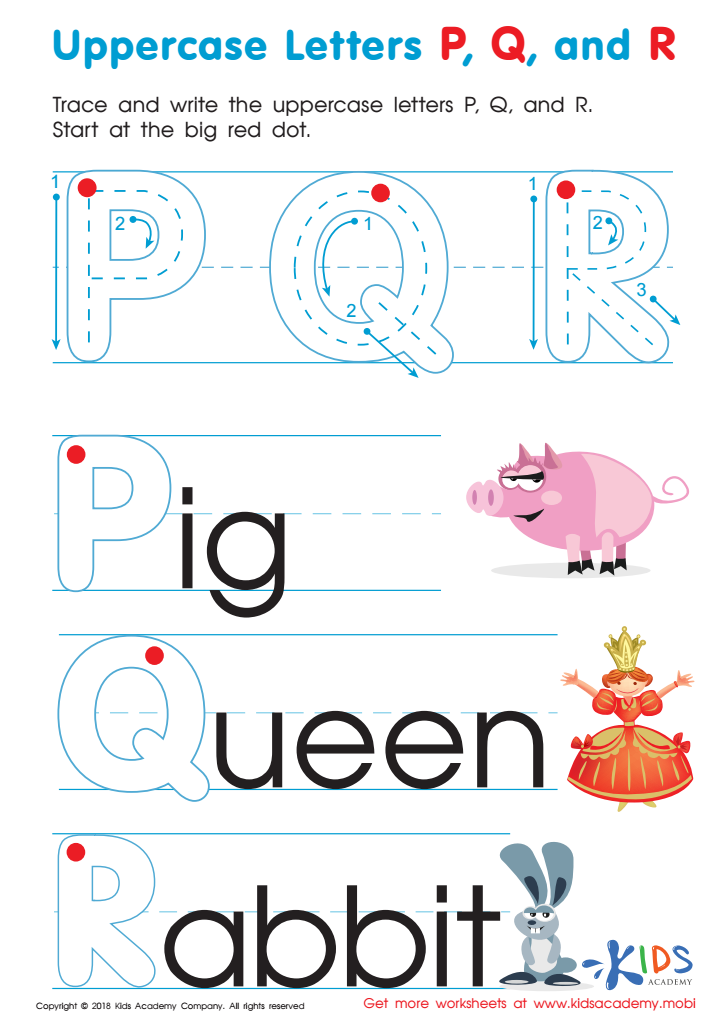
Uppercase Letters P, Q, and R Worksheet






Letter tracing practice for uppercase and lowercase letters is crucial for children aged 3-5 for several key reasons. First, it establishes foundational skills in writing, enabling children to develop fine motor skills and hand-eye coordination essential for all future writing tasks. Tracing letters helps them understand the shape and structure of each letter, enhancing their ability to recognize and reproduce them independently later on.
Moreover, engaging in letter tracing activities nurtures early literacy skills. As children trace letters, they associate sounds with their corresponding shapes, bridging the gap between visual recognition and phonetic understanding. This activity cultivates a love for learning, turning the act of writing into an enjoyable and interactive experience.
From a developmental perspective, routine tracing can boost concentration, memory, and perseverance. It also encourages creativity, as children can flourish by interacting with various textures, colors, and materials during tracing activities.
Finally, when parents and teachers prioritize letter tracing practice, they create a structured learning environment that fosters readiness for more complex language arts skills. Supporting early literacy doesn’t just benefit academic achievements; it builds confidence, encouraging children to express themselves effectively. Investing in letter tracing allows children to thrive both academically and personally.







