Visual discrimination Upper & Lowercase Letters Worksheets for Ages 3-5
4 filtered results
-
From - To
Introduce your little learners to the fascinating world of letters with our Visual Discrimination Upper & Lowercase Letters Worksheets designed for ages 3-5. These engaging printables help children identify and differentiate between uppercase and lowercase letters through fun and interactive activities. Perfect for early learners, these worksheets develop crucial alphabet recognition skills, offering a solid foundation for reading and writing. Crafted with captivating illustrations and simple exercises, they keep kids entertained while enhancing visual discrimination. Visit our webpage today to explore a variety of worksheets that make learning enjoyable and effective for your preschoolers!
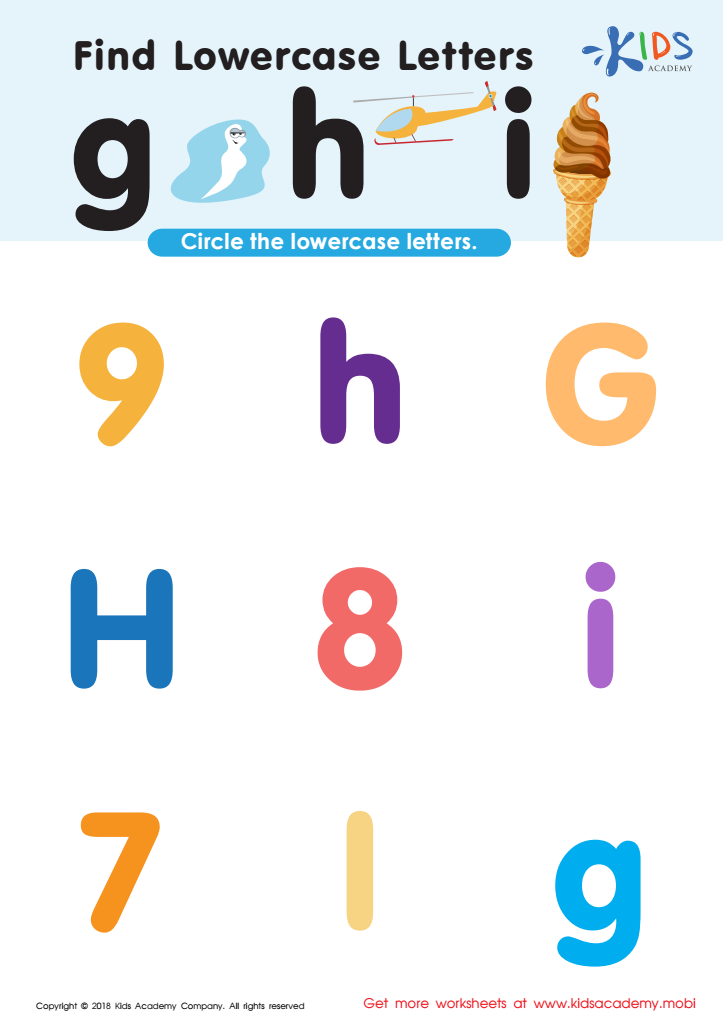
Find Lowercase Letters g h i Worksheet
 Assign to My Students
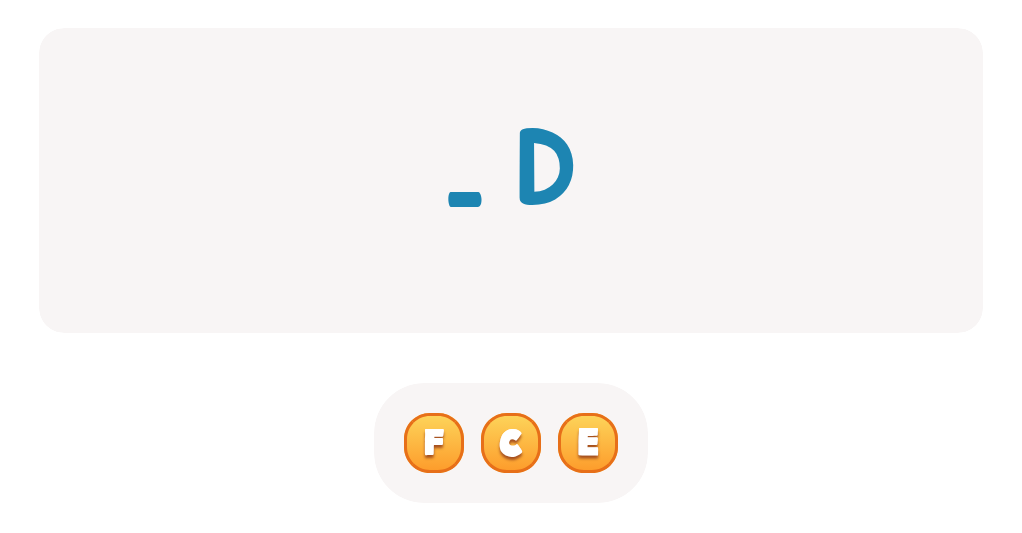

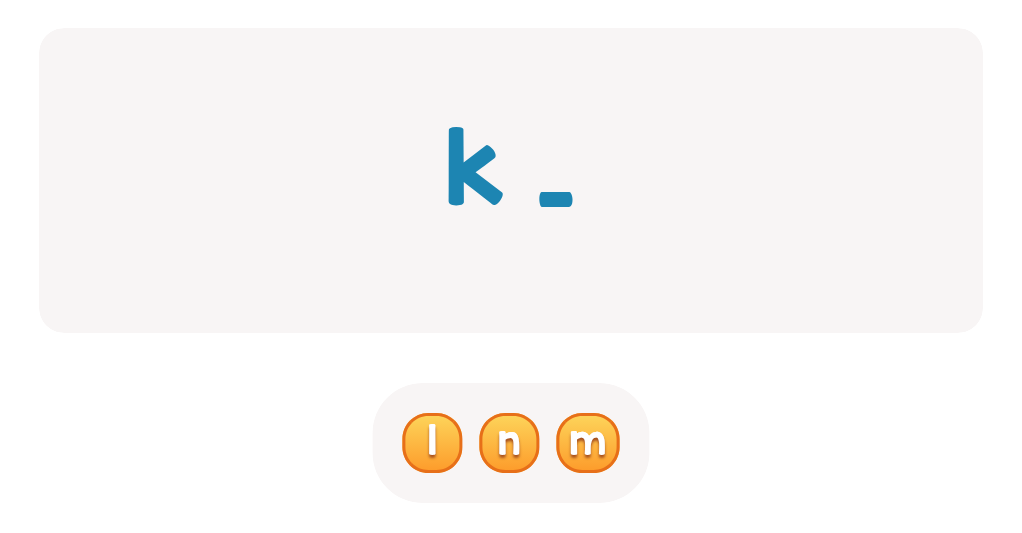
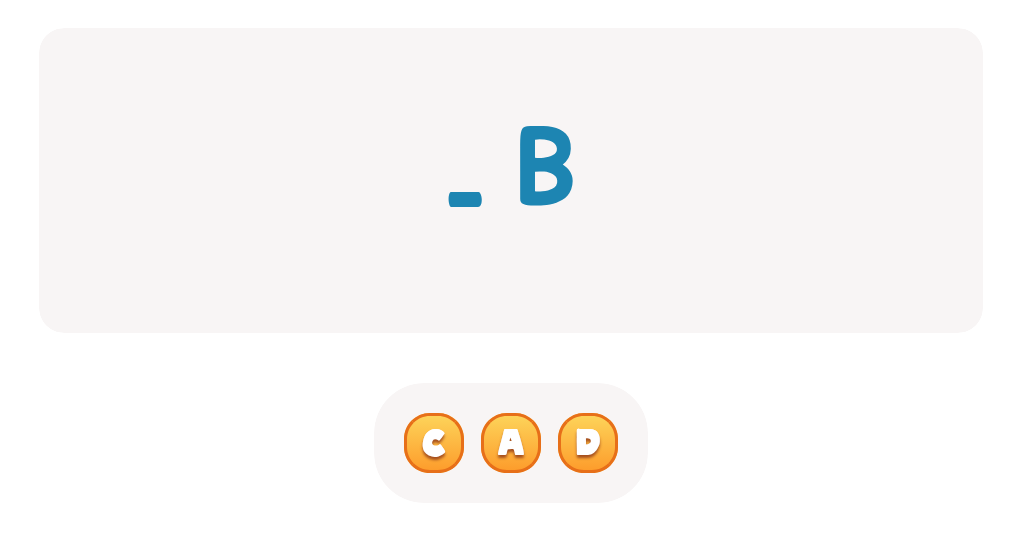

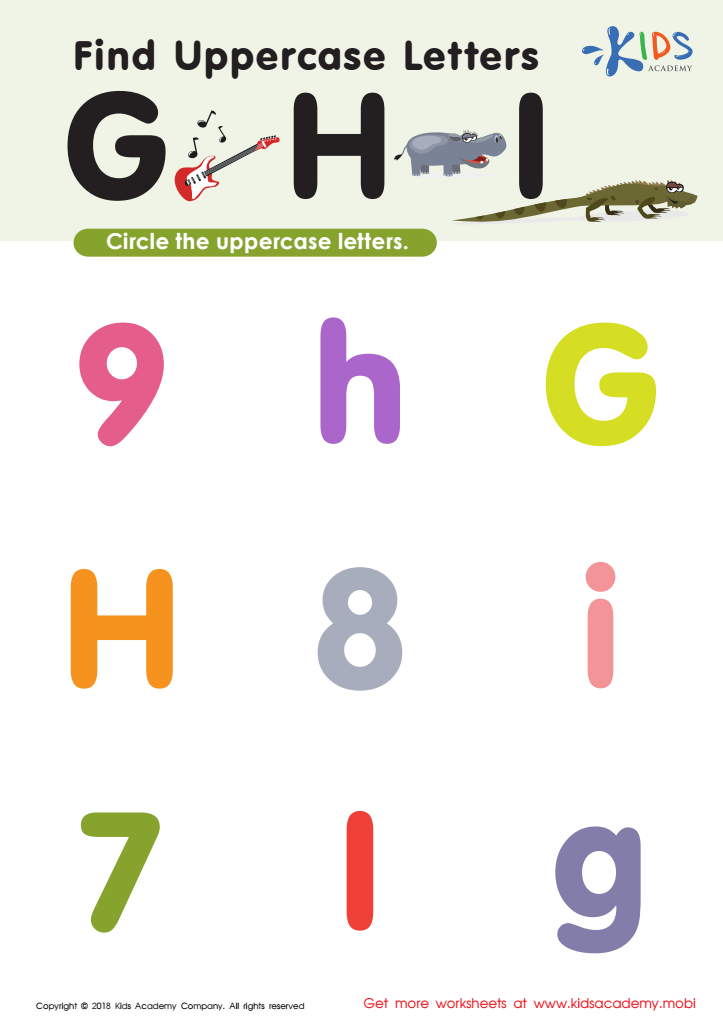
Find Uppercase Letters G, H, and I Worksheet
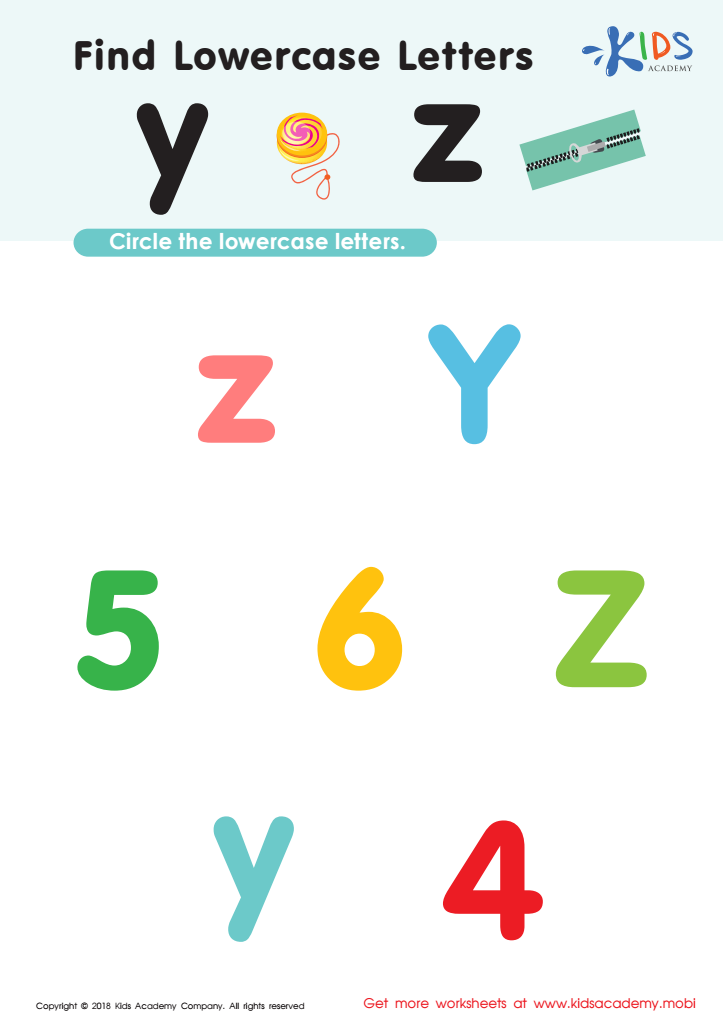
Find Lowercase Letters y z Worksheet
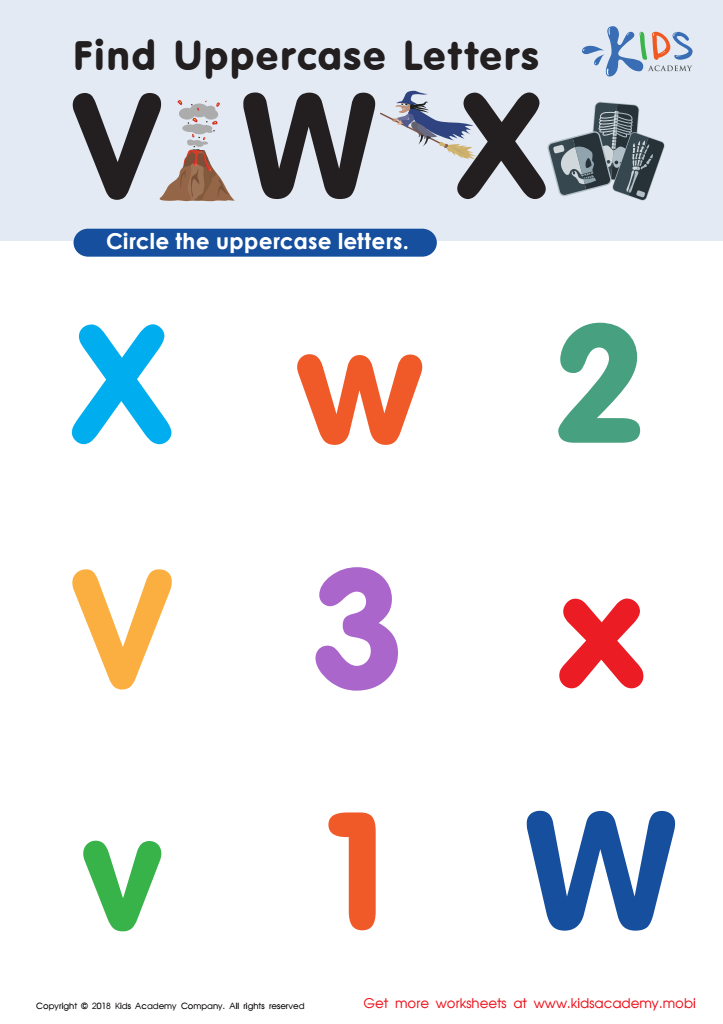
Find Uppercase Letters V, W, X Worksheet






Visual discrimination between uppercase and lowercase letters is a foundational skill in early literacy, critical for children ages 3-5. This ability allows young learners to distinguish between different letter shapes and forms, which is essential for reading and writing. When children recognize both uppercase and lowercase letters, they are better equipped to identify words correctly and understand text.
For parents and teachers, fostering this skill has long-term benefits. It aids children in decoding written language and grasping basic reading principles. Early familiarity with letter distinctions can enhance a child’s confidence and enthusiasm for learning. This is important as reading skills strongly influence academic performance in later years.
Moreover, visual discrimination helps in early spelling and word formation. When children can distinguish letters accurately, they can spell words correctly and develop competencies in written communication. Misrecognition of letters can lead to confusion and errors that may hinder their academic progress and affect their self-esteem.
Through engaging activities like alphabet games, puzzles, and letter-matching exercises, parents and teachers can make learning both effective and enjoyable. Ensuring that children become proficient in visual discrimination between uppercase and lowercase letters sets the stage for successful reading and writing, forming a cornerstone of their educational journey.







