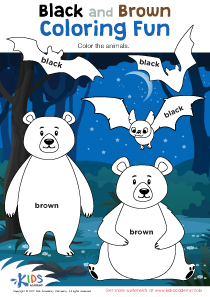
Alphabet Learning English for Beginners Worksheets for Ages 3-5
3 filtered results
-
From - To
Introduce your child to the joys of learning the alphabet with our "Alphabet Learning English for Beginners Worksheets for Ages 3-5" at Kids Academy. Designed specifically for early learners, these playful and engaging worksheets help children recognize, trace, and write each letter of the alphabet. Through a variety of fun activities and colorful visuals, kids will build their foundational language skills and boost their confidence in English. These worksheets are perfect for preschoolers, kindergartners, and young ESL learners. Empower your little one’s educational journey with hands-on practice and set the stage for lifelong literacy success!
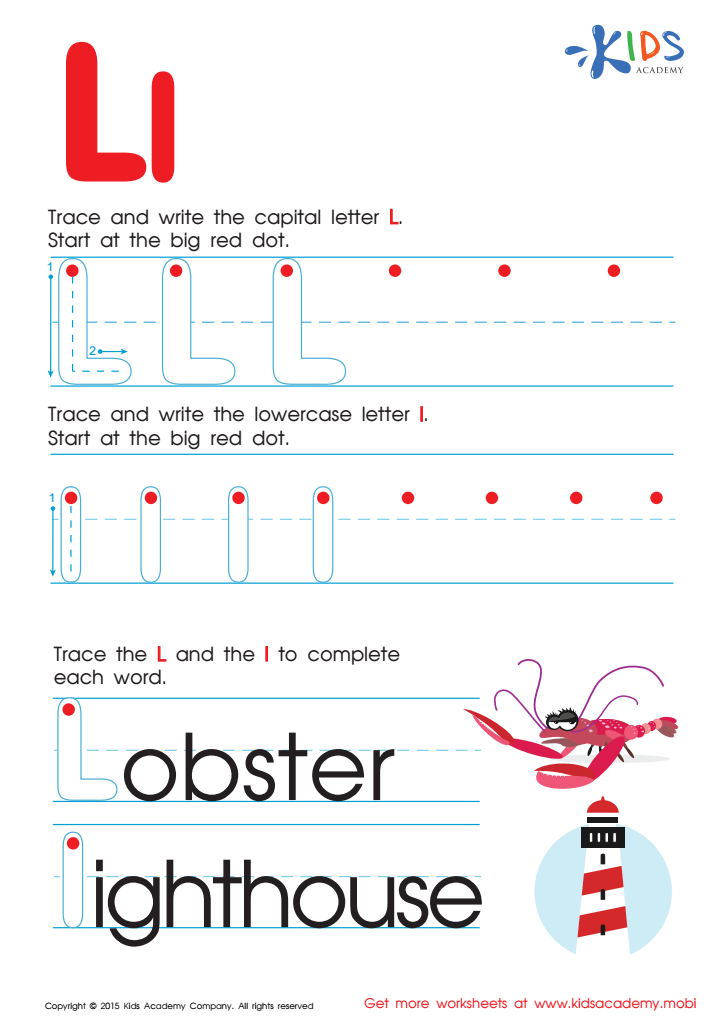
Letter L Tracing Page
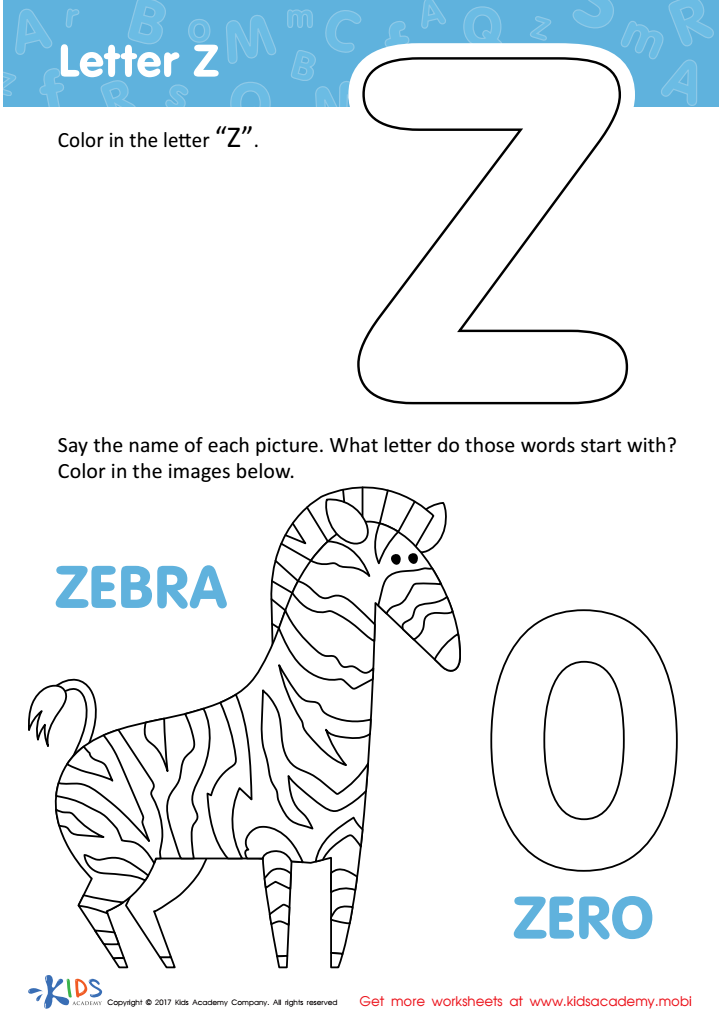
Letter Z Coloring Sheet
 Assign to My Students
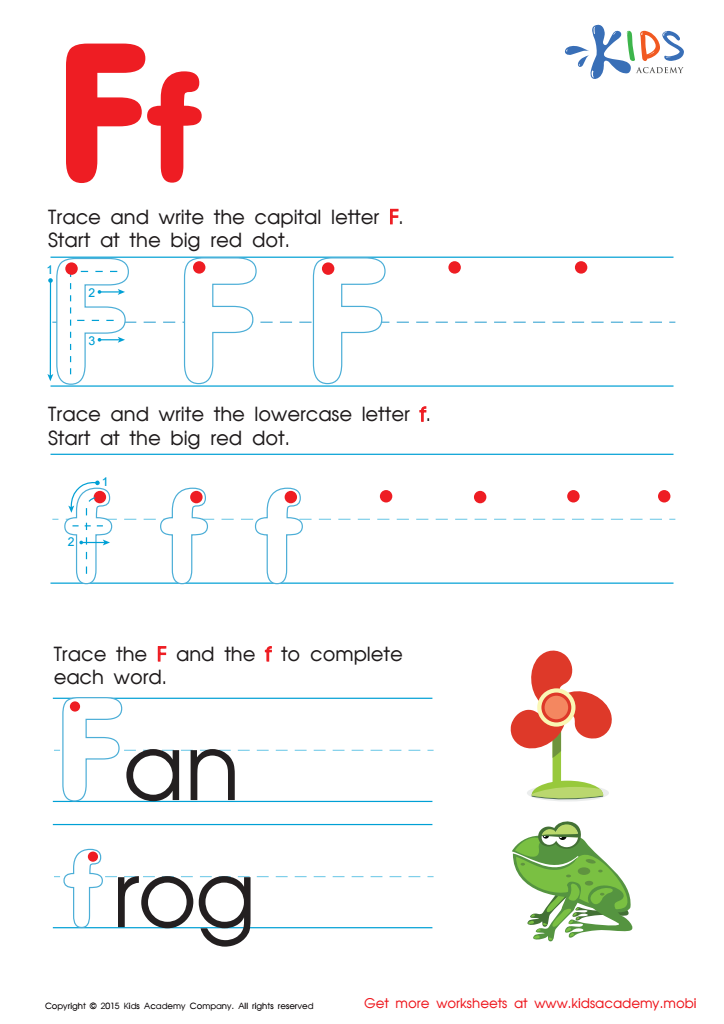
Letter F Tracing Page





Parents and teachers should care about Alphabet Learning English for Beginners for ages 3-5 because this foundational skill serves as the cornerstone for all future literacy. At this delicate stage, children’s brains are highly adaptable and capable of absorbing new information rapidly. Learning the alphabet equips young learners with the essential tools needed to not only recognize letters but also understand their sounds, creating a strong basis for reading and writing.
Having a solid grasp of the alphabet enhances phonological awareness, which is crucial for decoding words and developing reading fluency later on. It fosters cognitive development by engaging memory, attention, and concentration capabilities. Additionally, interactive and engaging alphabet learning activities promote fine motor skills through writing practice and improve social skills when conducted in group settings.
Moreover, early exposure to alphabet learning can create a positive attitude toward learning and spark curiosity and enthusiasm for education. Parents and teachers can work together to provide a consistent, enjoyable, and supportive learning environment, which is essential for the holistic development of young children. Therefore, prioritizing Alphabet Learning English for Beginners is vital for laying a robust educational foundation, boosting confidence, and preparing children for academic success in their future educational endeavors.