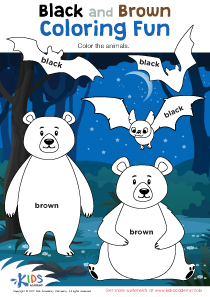
Motor skills development English for Beginners Worksheets for Ages 3-5
7 filtered results
-
From - To
Unlock the potential of your child's learning with our "Motor Skills Development English for Beginners Worksheets for Ages 3-5"! These expertly crafted resources combine engaging activities with fun illustrations, helping young learners develop essential fine motor skills while practicing English. The worksheets are designed to improve hand-eye coordination, pencil control, and spatial awareness, making the journey of learning a new language enjoyable and effective. Perfect for preschoolers and kindergarteners, these worksheets provide a strong foundation in both motor development and early language skills. Start your child's educational adventure today with our comprehensive and interactive worksheets.

Letter H Tracing Page
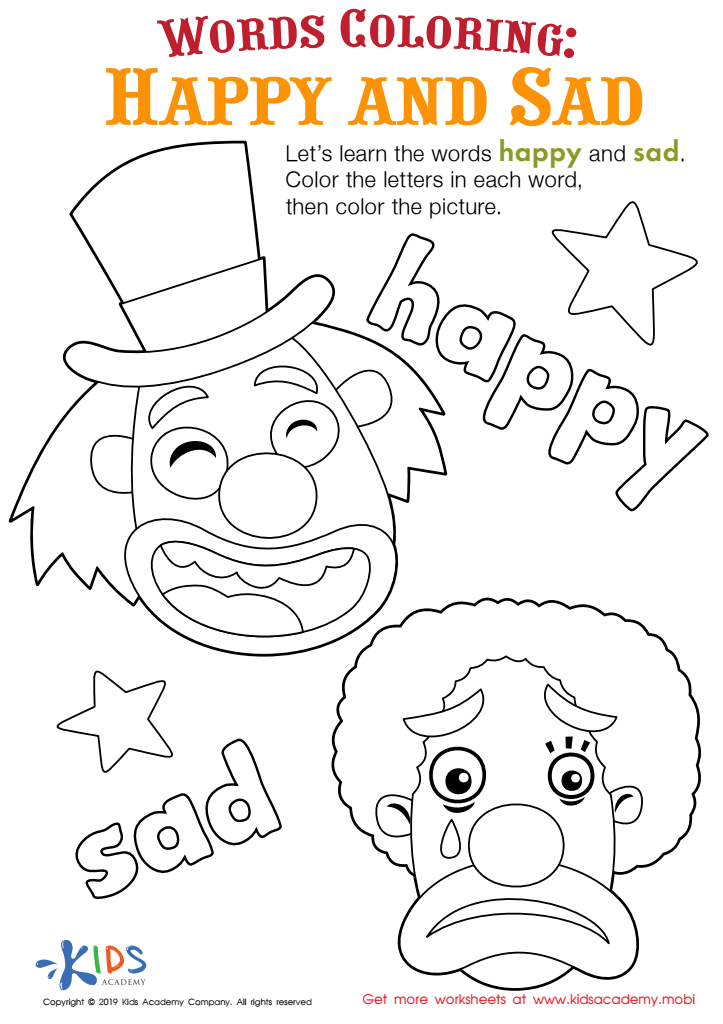
Happy and Sad Words Coloring Worksheet
 Assign to My Students
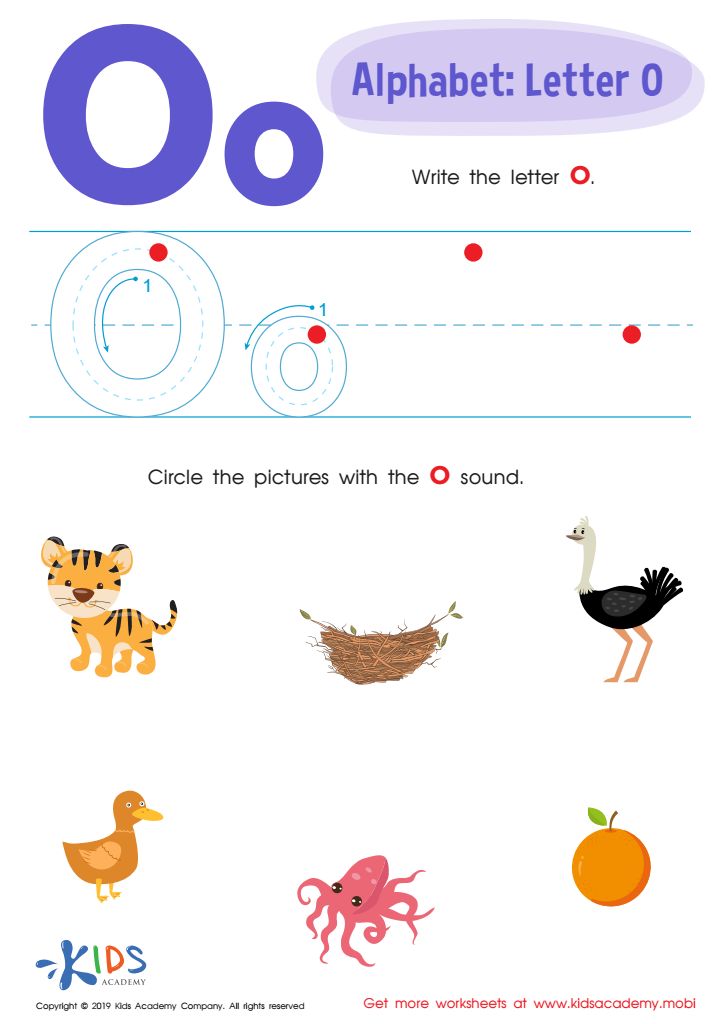
Letter O Tracing Worksheet
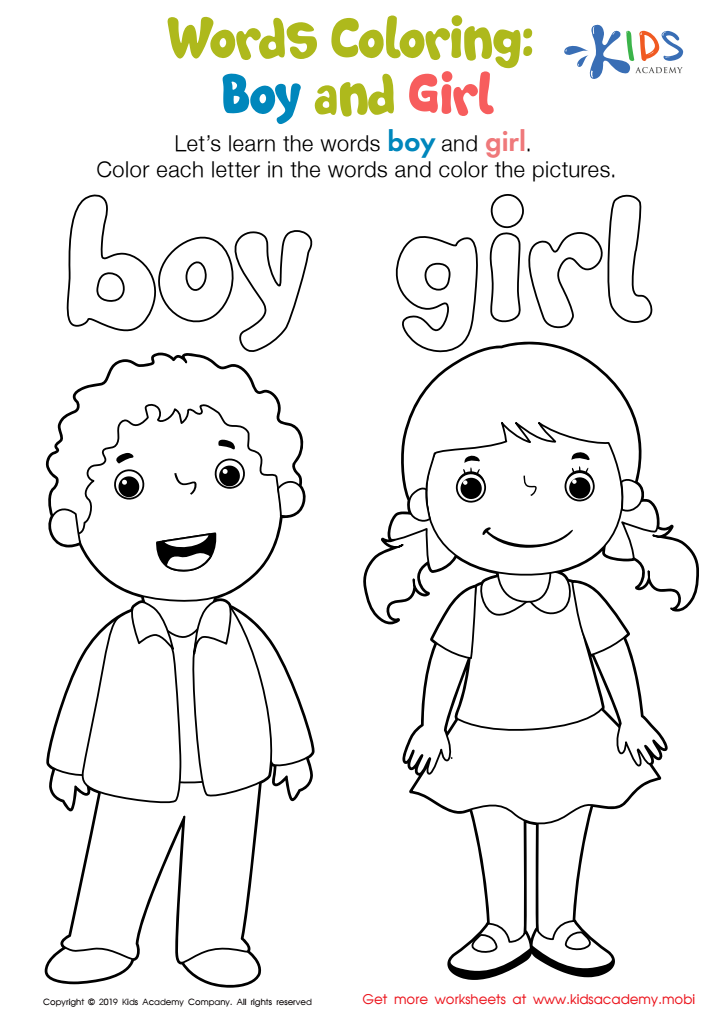
Boy and Girl Words Coloring Worksheet
Assign to My Students
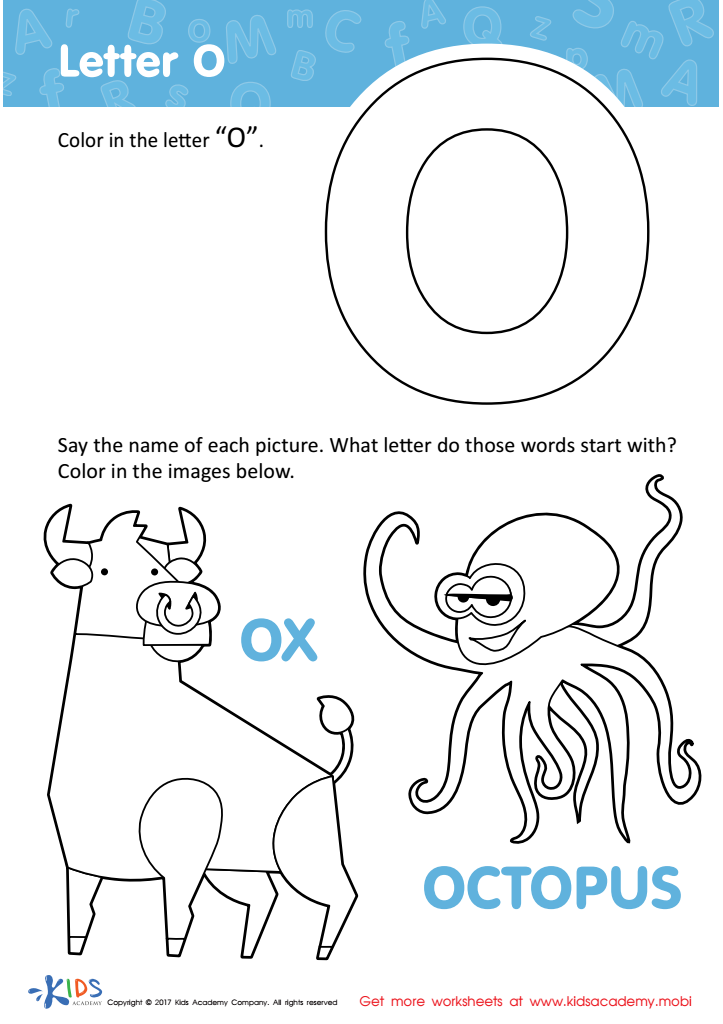
Letter O Coloring Sheet
Assign to My Students
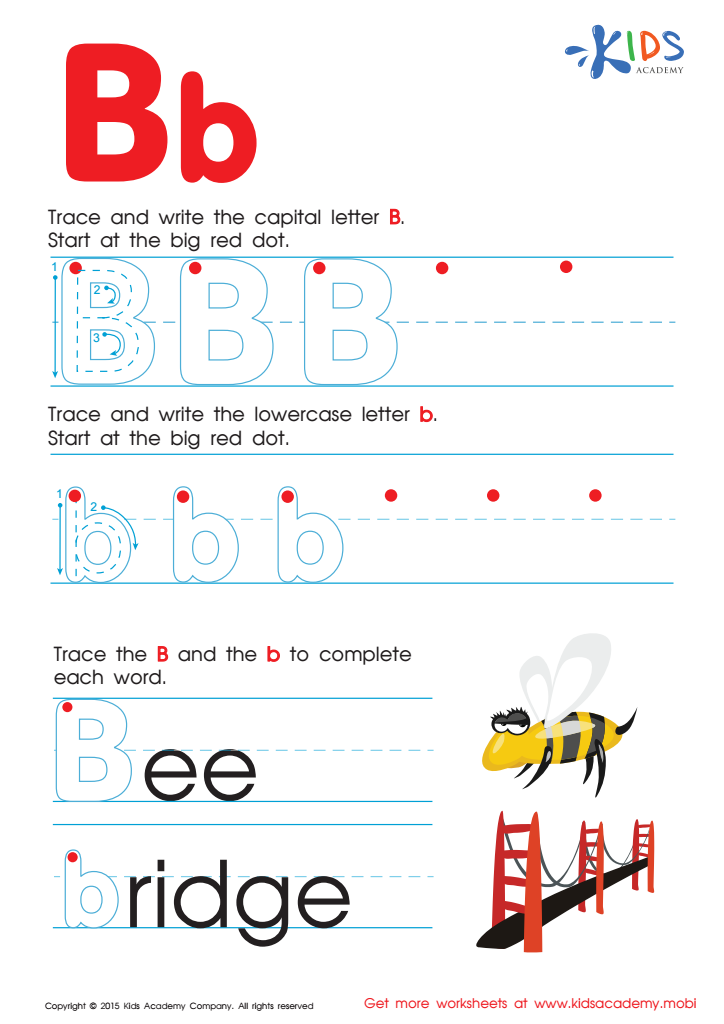
Letter B Tracing Page
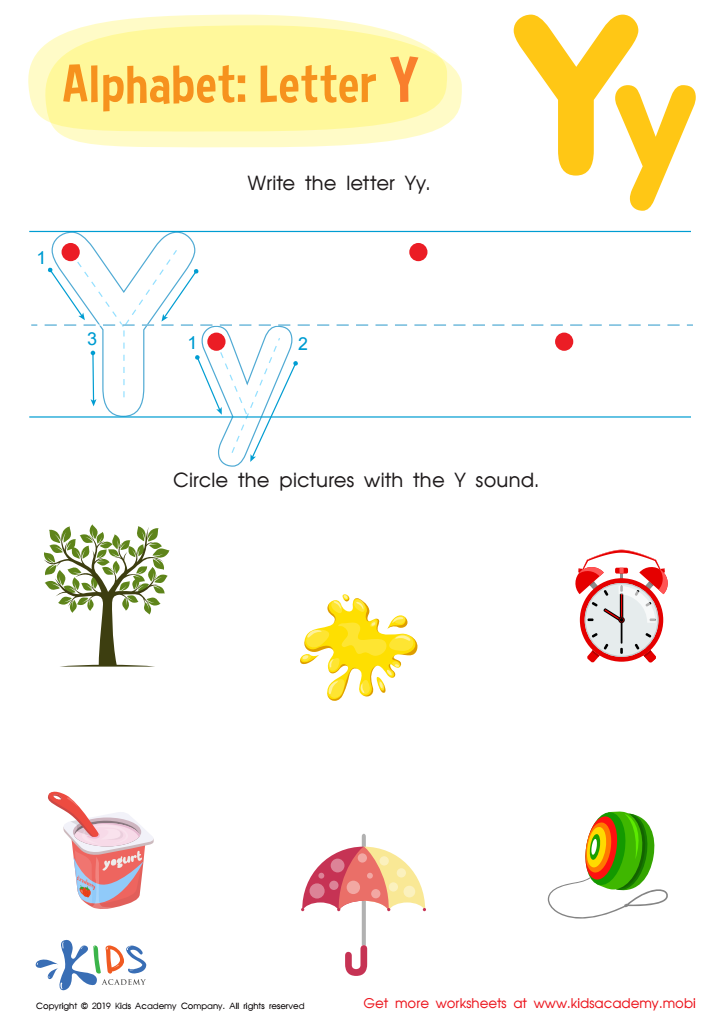
Letter Y Tracing Worksheet




Motor skills development is crucial for children ages 3-5 because it lays the foundation for their physical and cognitive growth, including early language and literacy skills. When parents and teachers prioritize motor skills development in combination with introducing the English language, they set children up for a well-rounded educational experience.
Fine motor skills involve small muscle movements, such as grasping crayons and manipulating objects, which are essential for writing and other classroom activities. Gross motor skills, like running and jumping, enhance children’s coordination and physical health, making them more ready and able to engage in learning activities.
Engaging in play that promotes motor skills also aligns with language development. For instance, activities like drawing help children learn how to control their hand movements, which directly supports writing skills. Playing with blocks can cultivate spatial awareness and encourage descriptive language use, boosting vocabulary.
Additionally, kinesthetic learning, where physical activity reinforces academic skills, often makes learning more fun and engaging, allowing children to enjoy acquiring new vocabulary and concepts. For young English learners, this means that intertwining physical and language activities can naturally promote better retention and comprehension of the new language.
Therefore, integrating motor skills development with early English education fosters a holistic developmental approach, laying a solid groundwork for academic success and a healthier, more active lifestyle.