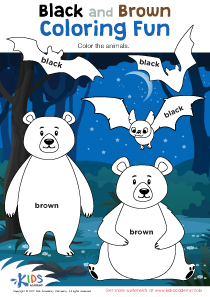
Vocabulary Building English for Beginners Worksheets for Ages 3-5
3 filtered results
-
From - To
Unlock the joy of language with our "Vocabulary Building English for Beginners" worksheets, specially designed for children ages 3-5. These engaging and colorful activities promote early language development, helping young learners expand their vocabulary in fun and interactive ways. Each worksheet features age-appropriate themes, encouraging kids to connect words with images while enhancing their listening, speaking, and comprehension skills. Ideal for parents and educators, our resources make vocabulary learning enjoyable and effective, setting a strong foundation for future language skills. Explore our collection today and watch your little ones boost their confidence as they embark on their English language journey!
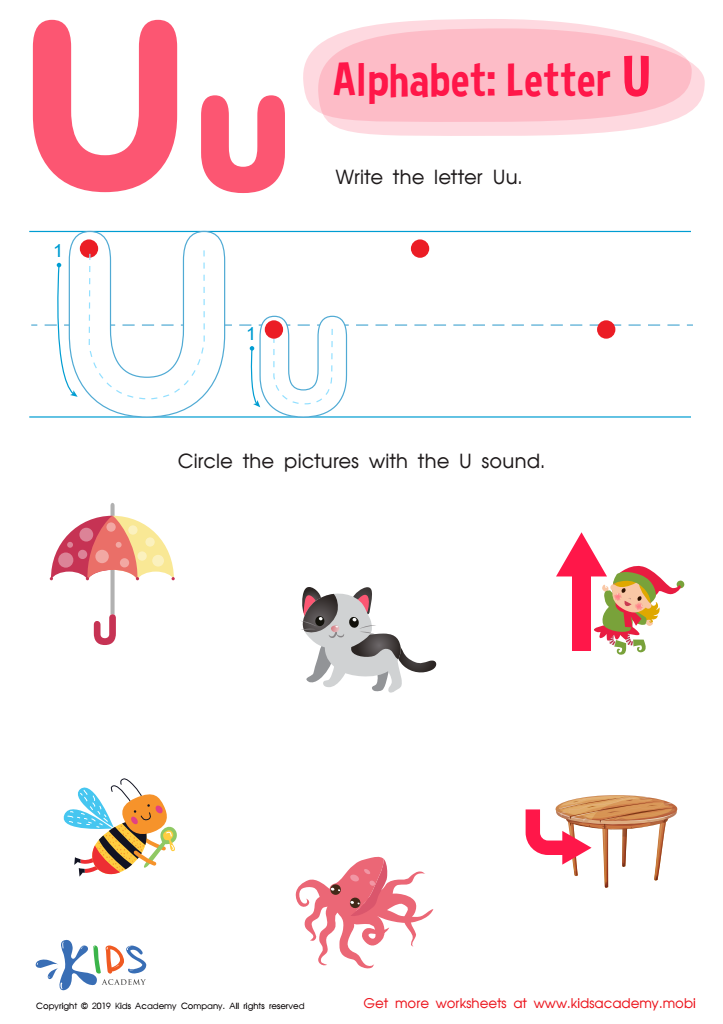
Letter U Tracing Worksheet
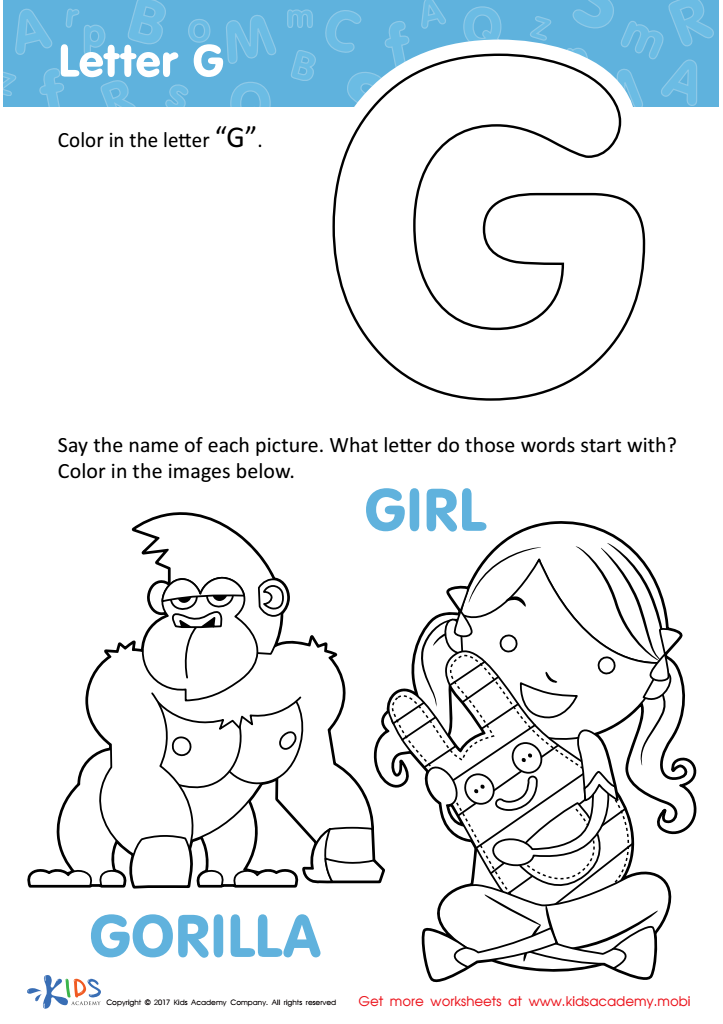
Letter G Coloring Sheet
 Assign to My Students
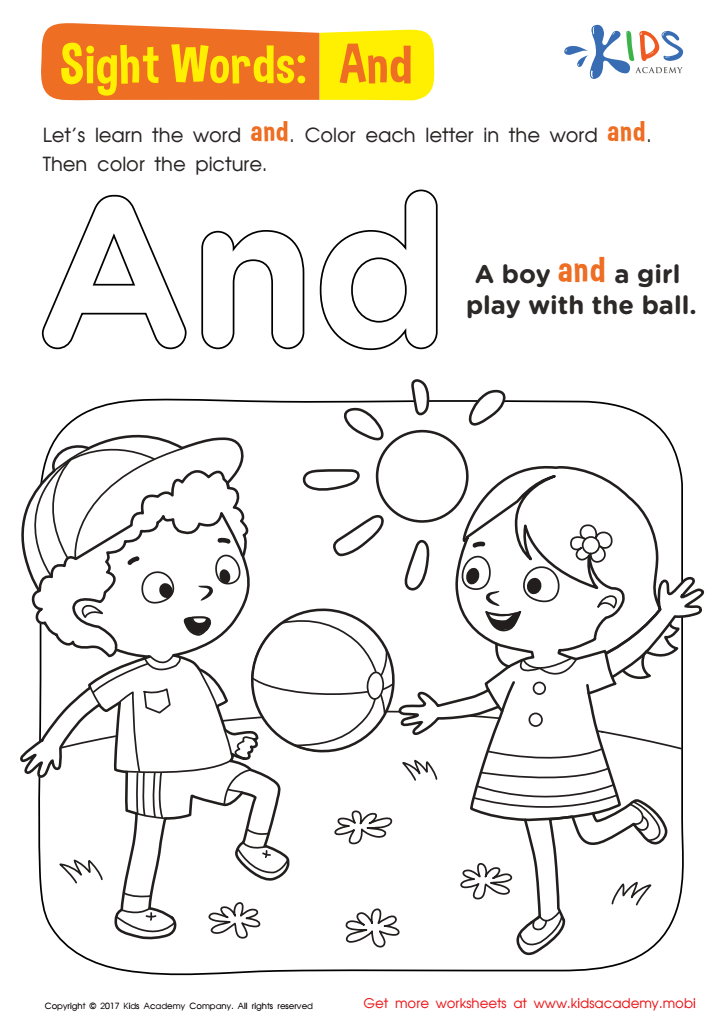
And Worksheet Sight Words Worksheet
Assign to My Students




Vocabulary building is a crucial aspect of early childhood education, especially for children aged 3-5. During these formative years, young learners rapidly absorb language, making this the ideal time to foster a robust vocabulary. Parents and teachers should prioritize vocabulary development for several reasons.
Firstly, a strong vocabulary enhances communication skills. Children learn to express their thoughts and feelings effectively, which is essential for social interaction and emotional development. Moreover, an expansive vocabulary correlates with better literacy skills in later years. Early exposure to diverse words lays the foundation for reading comprehension and writing abilities as children progress in their education.
Additionally, vocabulary building stimulates cognitive development. Learning new words encourages critical thinking and problem-solving skills, enriching overall intellectual growth. It nurtures curiosity and fosters a lifelong love for learning.
Lastly, enhancing vocabulary can support inclusivity in diverse classrooms. Children from various linguistic backgrounds will benefit from structured vocabulary instruction that recognizes their unique experiences.
In summary, focusing on vocabulary building in early childhood creates a crucial foundation for communication, literacy, cognitive skills, and inclusiveness, making it essential for parents and teachers to actively engage in supporting these young learners.