Alphabet Learning Worksheets for Ages 3-5
5 filtered results
-
From - To
Discover engaging Alphabet Learning Worksheets designed specifically for ages 3-5! These printable worksheets can make letter recognition, fun phonics, and early writing practice easy and enjoyable. Packed with charming illustrations and interactive activities, they effectively engage young minds while nurturing essential literacy skills. Perfect for both classroom and at-home learning, these worksheets cater to different learning styles and developmental stages. Foster your child's early education journey with tailored exercises that build confidence and joy in learning the alphabet. Kickstart lifelong literacy with these expertly crafted resources available at Kids Academy!
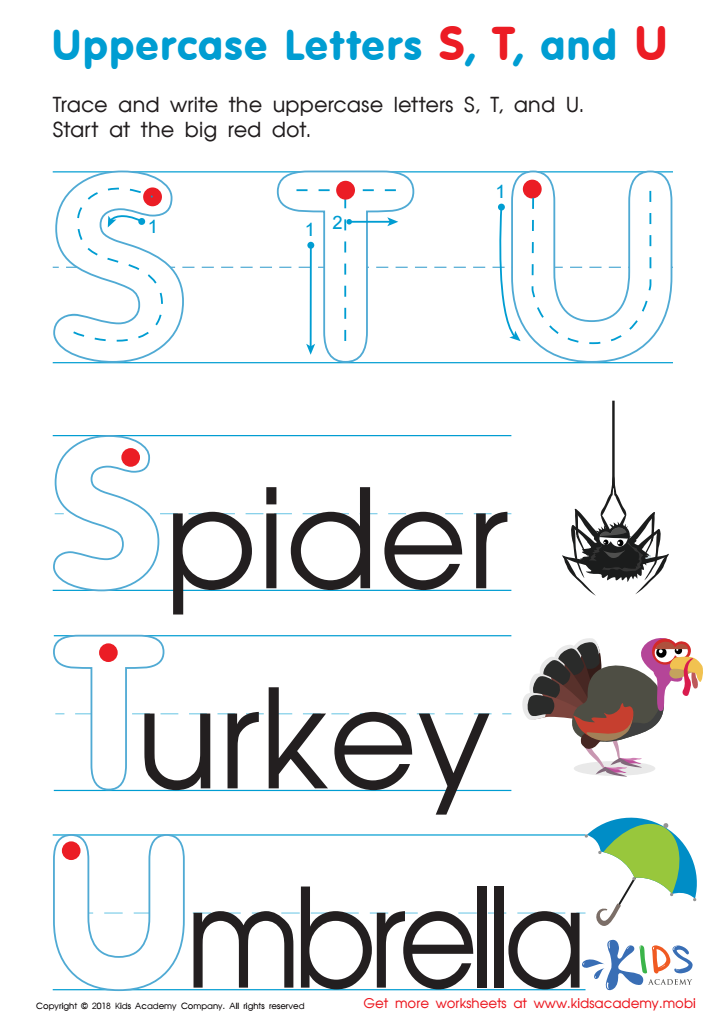
Uppercase Letters S, T, and U Worksheet
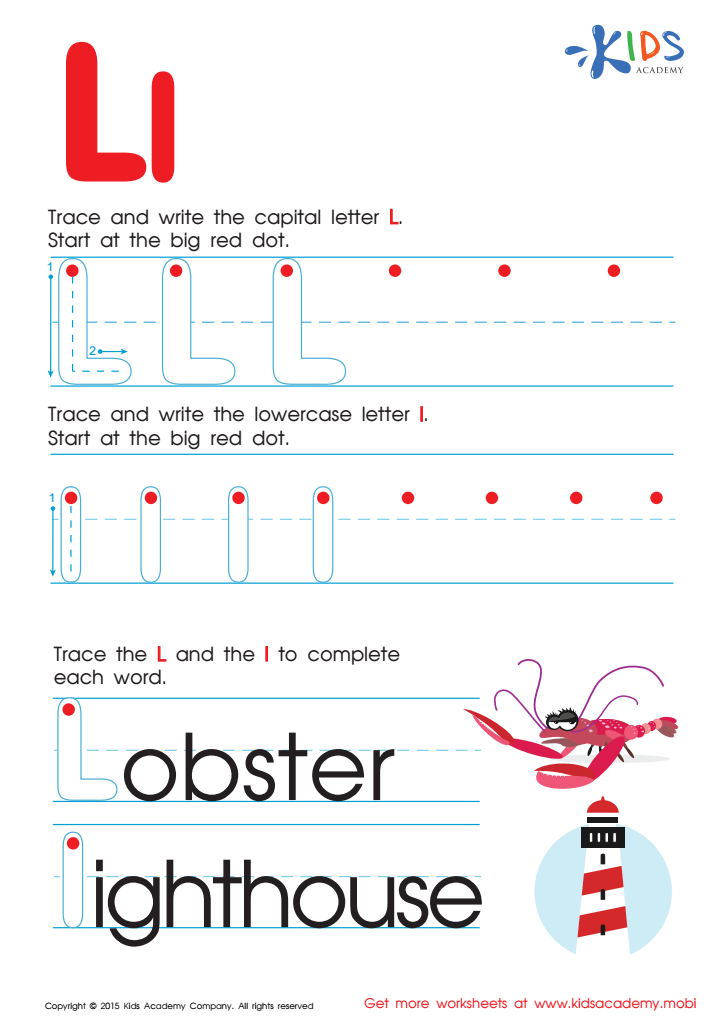
Letter L Tracing Page
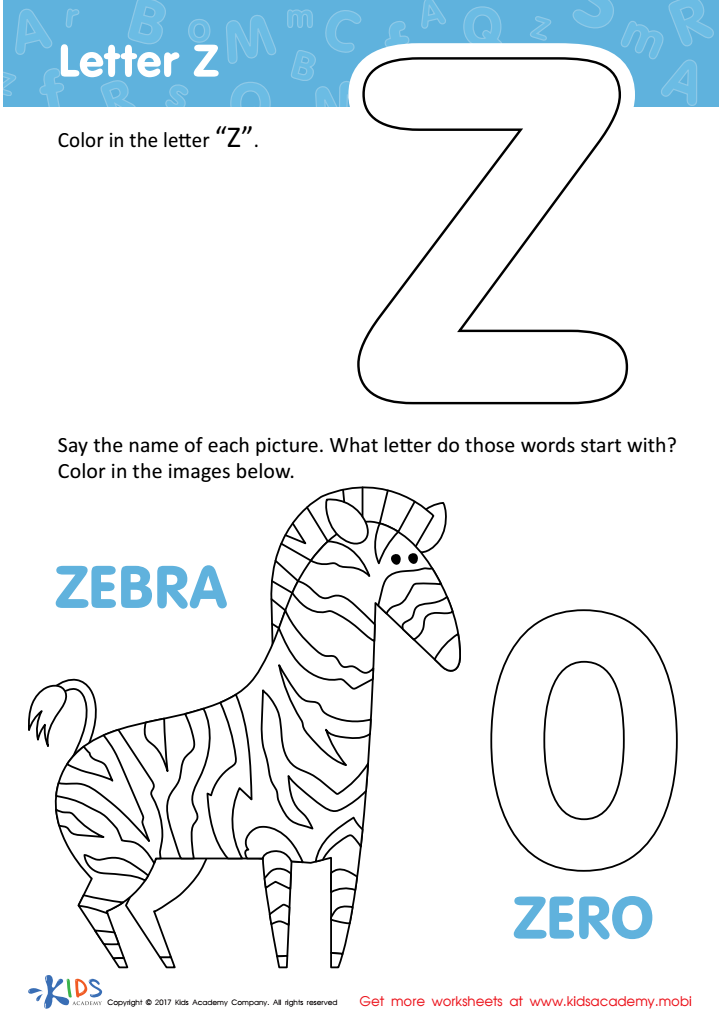
Letter Z Coloring Sheet
 Assign to My Students
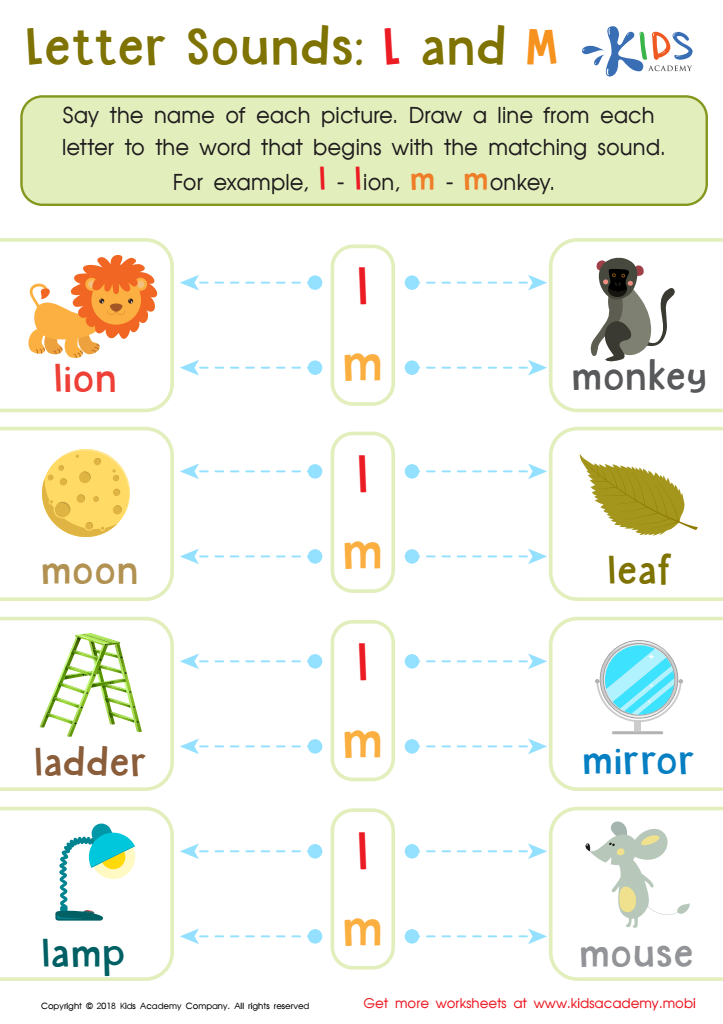
Letter l and M Sounds Worksheet

Letter F Tracing Page






Alphabet learning for ages 3-5 is crucial because it lays the foundation for literacy, language development, and cognitive skills essential for future academic success. At this formative age, young children are incredibly receptive to new information, and introducing them to the alphabet helps in developing their phonemic awareness. This enables them to recognize that words are made up of individual sounds, a skill critical for reading proficiency.
Additionally, recognizing and memorizing letters fosters early writing skills. By knowing the shapes and sounds of letters, children can begin to form words, encouraging early attempts at writing and spelling. This early exposure instills confidence and a positive attitude towards learning.
Alphabet learning also supports vocabulary development. By familiarizing children with letters and their corresponding sounds, they can start to connect these sounds to everyday objects and concepts. This not only broadens their vocabulary but also enhances their understanding of the world around them.
Teachers and parents who prioritize alphabet learning create an environment ripe for interactive and engaging educational experiences. Whether through songs, games, or books, these activities make learning fun and effective. Verbal and non-verbal communication skills are also honed, laying a comprehensive foundation for social and academic development.
Ultimately, early alphabet learning equips children with the skills needed to excel as they progress in their education.








