Basic math comprehension Worksheets for Ages 3-5
4 filtered results
-
From - To
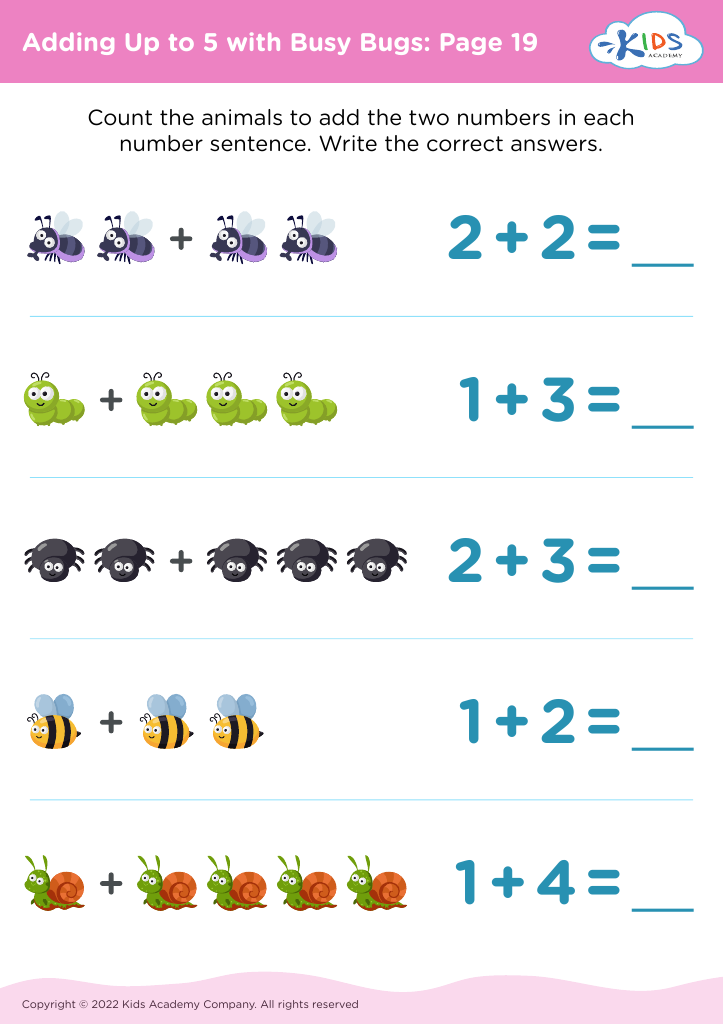
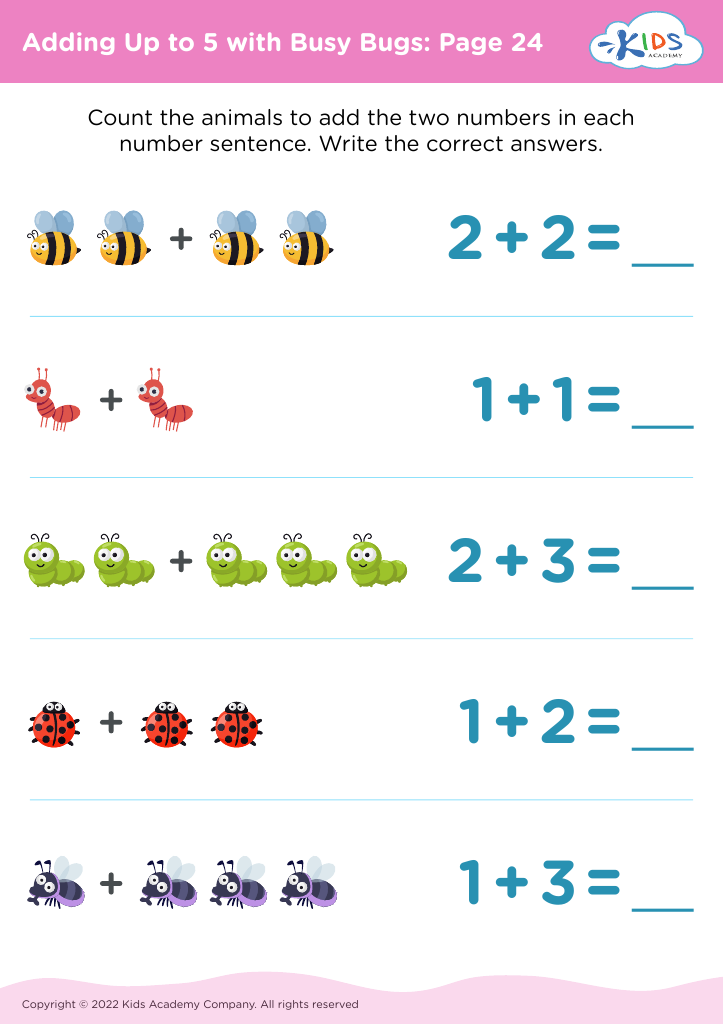
Introduce your little learners to the world of numbers with our Basic Math Comprehension Worksheets for Ages 3-5. These engaging, educational worksheets focus on foundational math skills, such as counting, pattern recognition, and simple addition. Designed with bright, whimsical illustrations to capture young minds, our worksheets make learning math fun and accessible. Tailored for children ages 3 to 5, they will help your child build confidence and fluency in basic math concepts while nurturing a love for learning. Perfect for at-home practice or supplementary learning, these worksheets set the stage for future math success. Download now and watch your child's skills flourish!
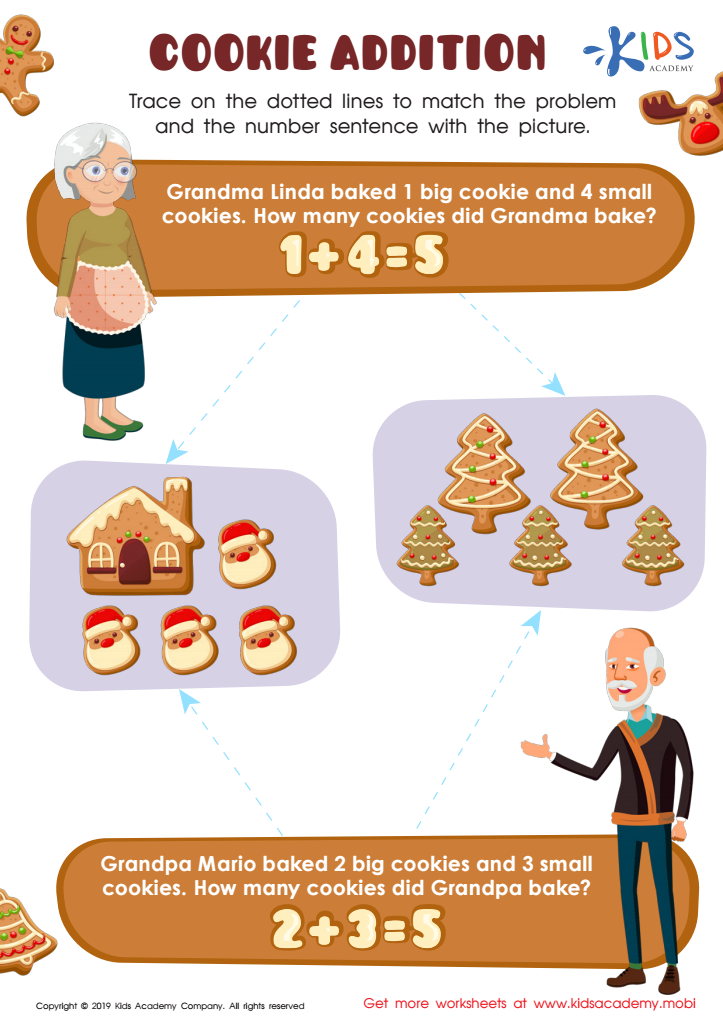
Cookie Addition Worksheet
 Assign to My Students
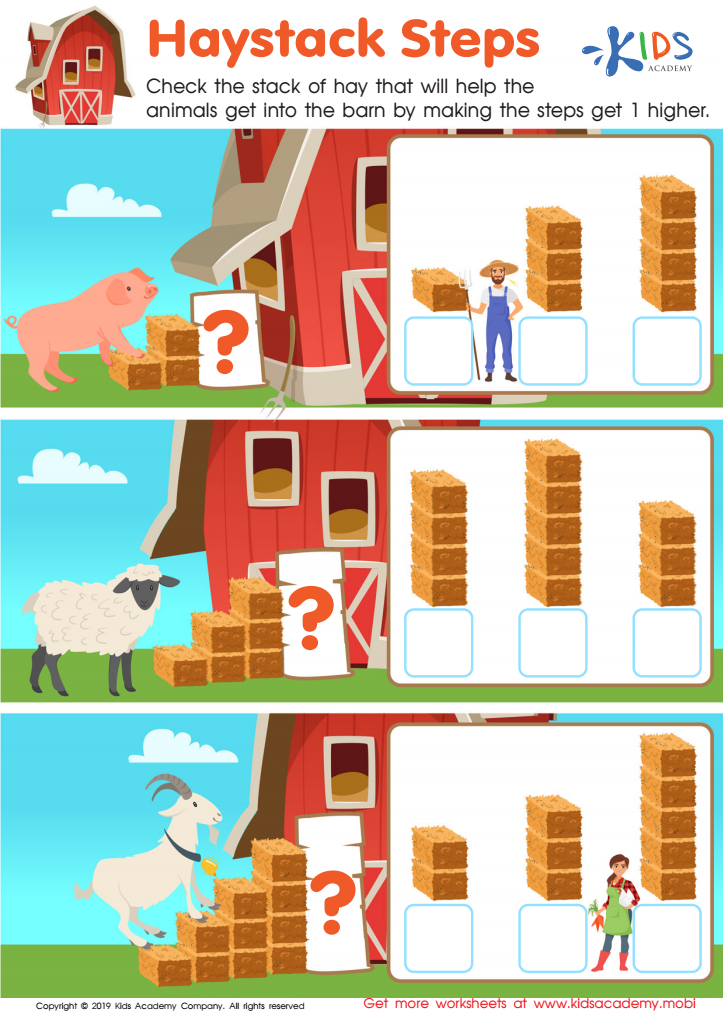
Haystack Steps Worksheet







Basic math comprehension for ages 3-5 is vital for several reasons. During these formative years, children's brains are highly adaptable and primed for learning foundational skills that shape their future academic success. Early exposure to math helps develop critical thinking, problem-solving, and logical reasoning abilities, which are essential life skills.
Math concepts such as counting, recognizing numbers, understanding shapes, and grasping simple patterns help children make sense of the world around them. Engaging in basic math activities enhances cognitive development, improves attention span, and fosters a sense of achievement and confidence.
Additionally, early math skills are strong predictors of later success not just in mathematics but in other academic areas as well. Children who enter school with a solid grasp of basic math tend to achieve higher literacy and science skills.
For parents and teachers, investing in early math comprehension means providing the child with tools for lifelong learning and success. Interactive and fun math-related games or daily life examples can make learning enjoyable and relevant. Encouraging an early interest and competence in math sets children on a positive trajectory in their educational journey, underlining the importance of nurturing these skills from a young age.








