Comparing Fractions Worksheets for Ages 3-5
17 filtered results
-
From - To
Discover our engaging Comparing Fractions Worksheets designed specifically for children ages 3-5! These worksheets offer a fun and interactive way to introduce basic fraction concepts to young learners. Featuring vibrant illustrations and age-appropriate activities, children will explore how to compare fractions by identifying halves, quarters, and more. With a mix of visuals and hands-on exercises, our resources encourage critical thinking and enhance mathematical understanding. Perfect for classroom use or as supplementary home practice, these worksheets help develop foundational skills in an enjoyable manner. Foster your child's early love for math and watch them thrive with our delightful comparing fractions activities!
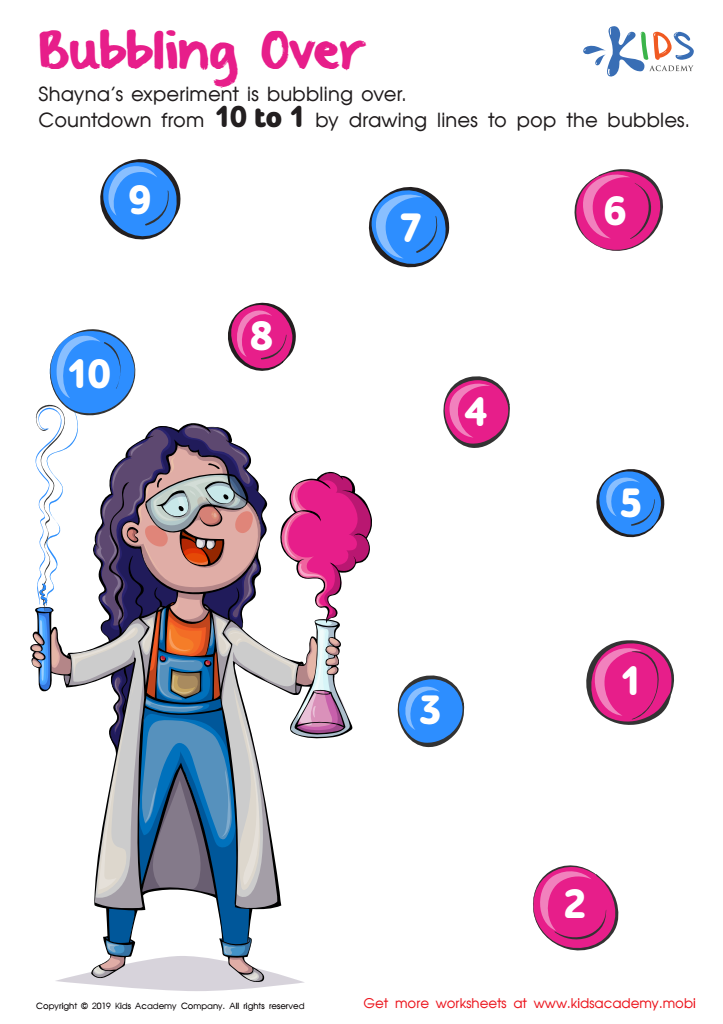
Bubbling Over Worksheet
 Assign to My Students
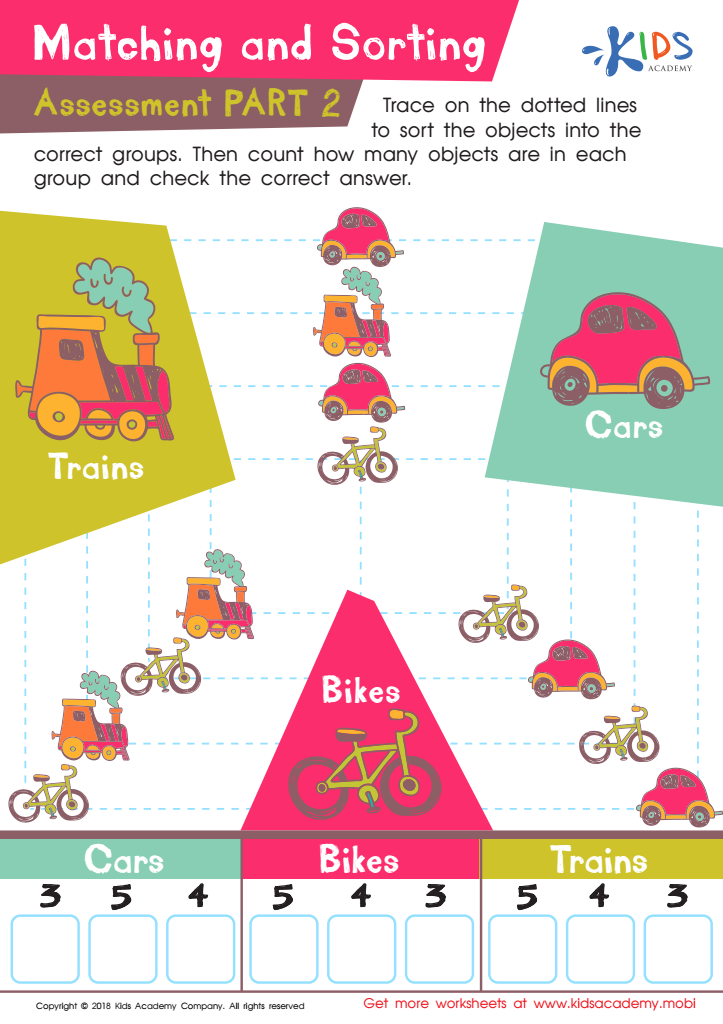
Matching and Sorting for Kindergarten: Assessment 2 Worksheet
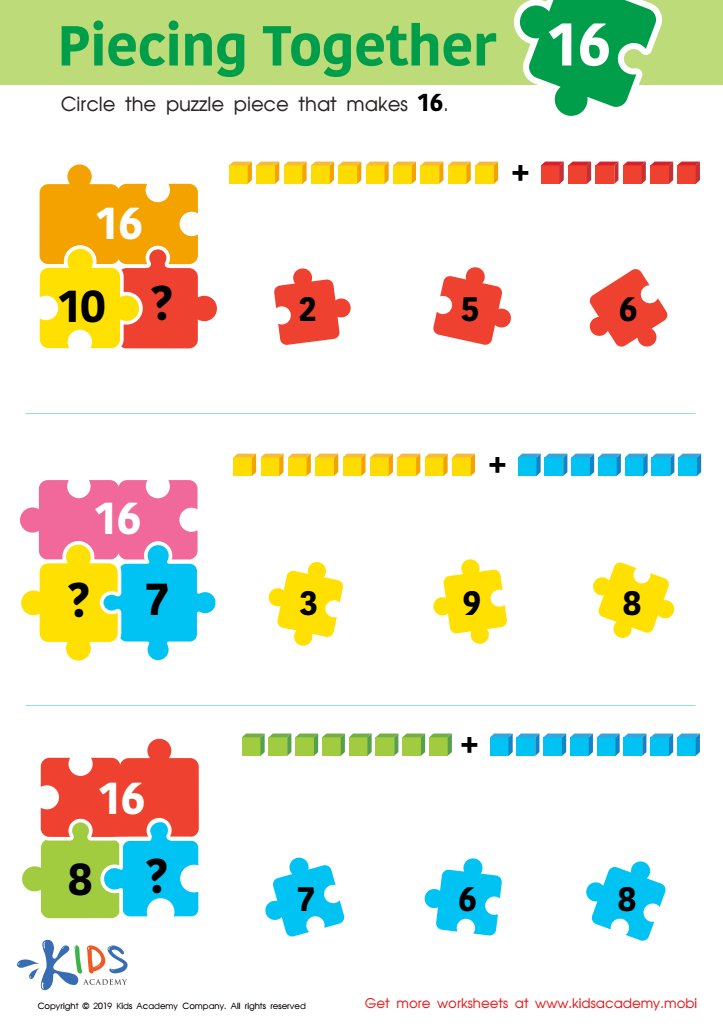
Piecing Together 16 Worksheet
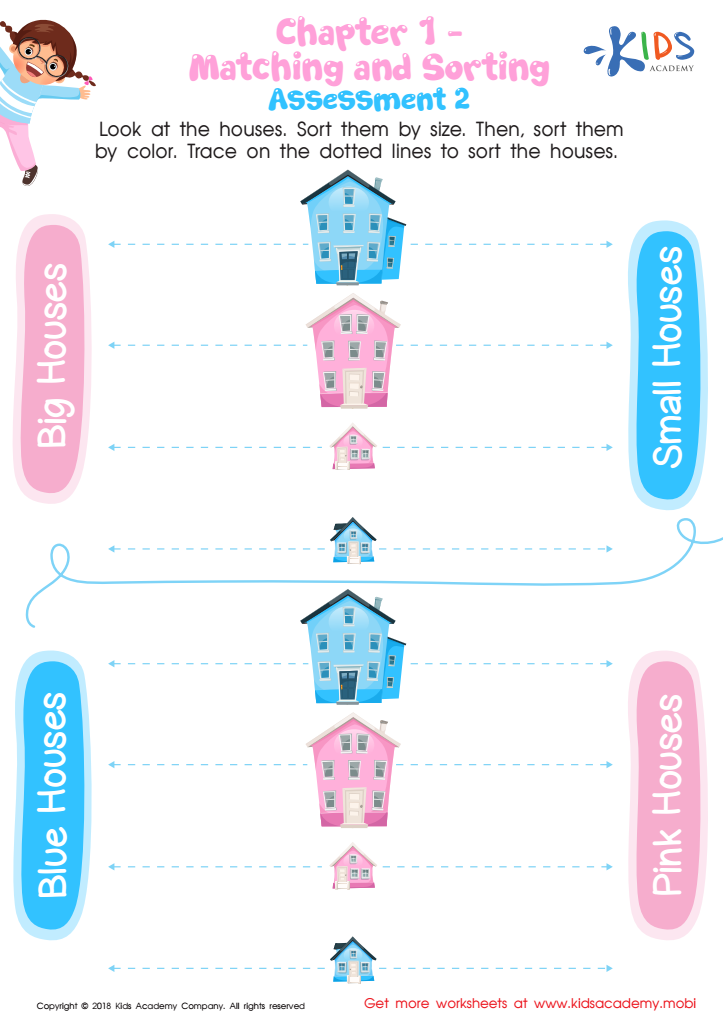
Matching and Sorting for Preschool: Assessment 2 Worksheet
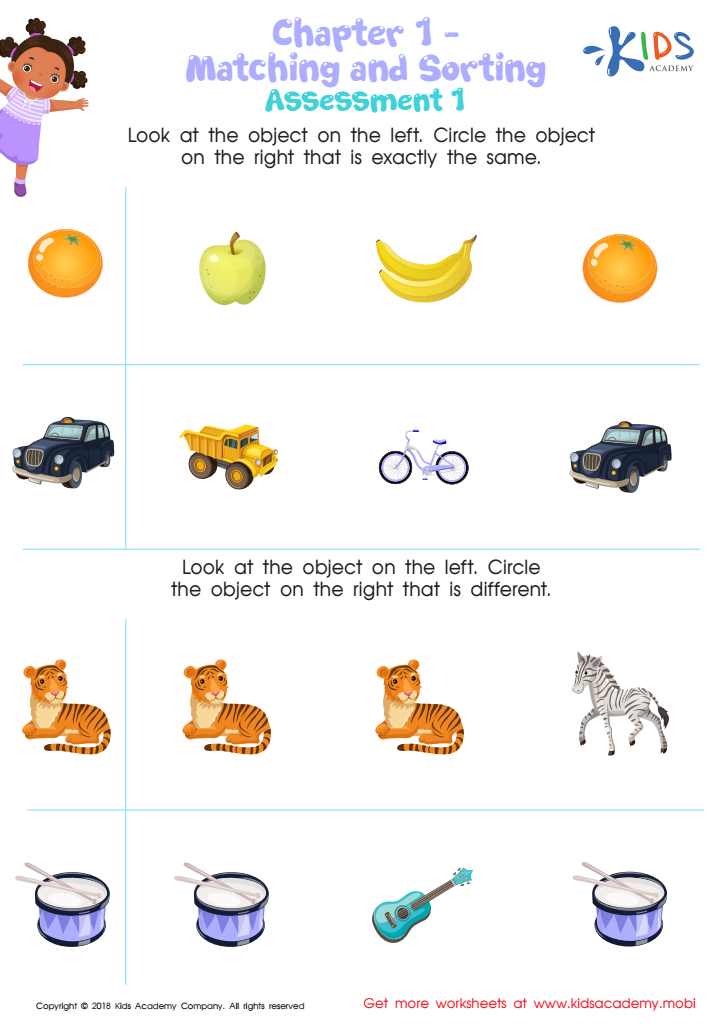
Matching and Sorting for Preschool: Assessment 1 Worksheet
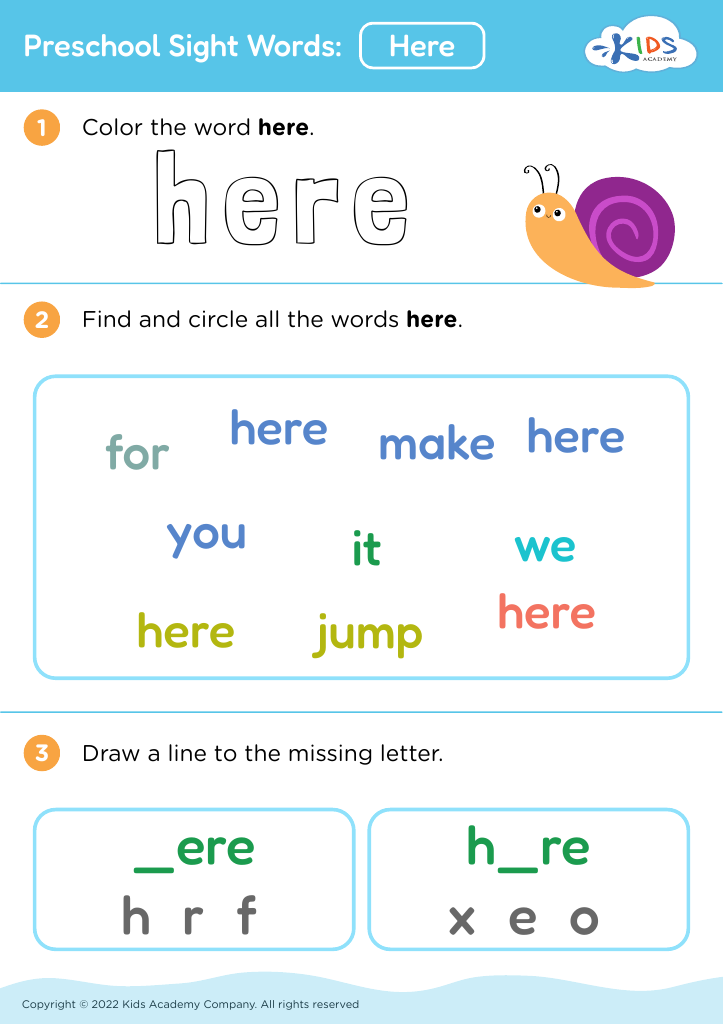


.jpg)
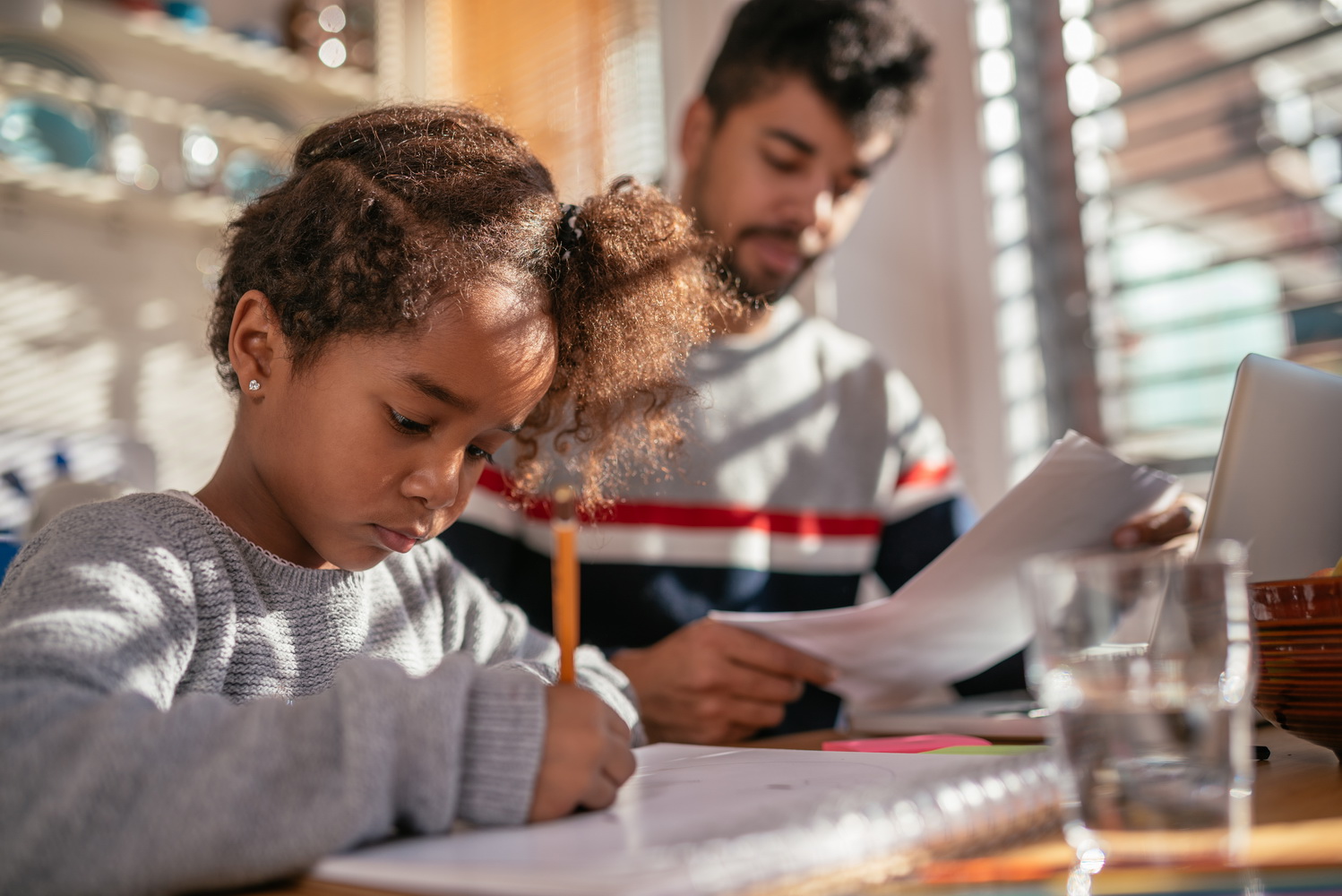




Parents and teachers should care about comparing fractions for children aged 3-5 because it lays the foundation for essential mathematical skills that will support future learning. Introduction to concepts like fractions at this early age fosters a sense of numerical awareness and develops critical thinking. Comparing fractions helps children understand parts of a whole, enabling them to grasp essential ideas about ratios, proportions, and measurement later on.
Incorporating activities that involve comparing fractions, such as sharing snacks or playing with toys in groups, makes learning interactive and enjoyable. This hands-on experience promotes social skills, communication, and problem-solving as children navigate sharing and equitability.
Additionally, understanding fractions boosts cognitive development, helping children build a framework for abstract thinking. It also enhances their abilities to categorize, sort, and analyze. When children develop a strong foundation in comparing fractions, it positively impacts their confidence and aptitude in math in subsequent years, potentially fostering a lifelong love for learning.
Furthermore, engaging children in these activities encourages collaboration between parents and teachers, establishing a stronger support system for early education. Overall, prioritizing these fundamental mathematics skills is crucial for children's holistic development and academic success.








