
Fine motor skills improvement Worksheets for Ages 3-5
5 filtered results
Difficulty Level
Grade
Age
-
From - To
Subject
Activity
Standards
Enhance your child's fine motor skills with our engaging worksheets specifically designed for ages 3-5! Our fun, educational activities promote hand-eye coordination, dexterity, and precision, setting a strong foundation for future learning. Perfect for preschoolers, these worksheets include tracing, cutting, and coloring exercises that not only make fine motor practice enjoyable but also boost concentration and cognitive development. Parents and educators can easily print these colorful worksheets to create an interactive learning environment at home or in the classroom. Join us in fostering your child's growth while having fun! Explore our collection today and support your child's fine motor skill development!
Favorites
With answer key
Interactive
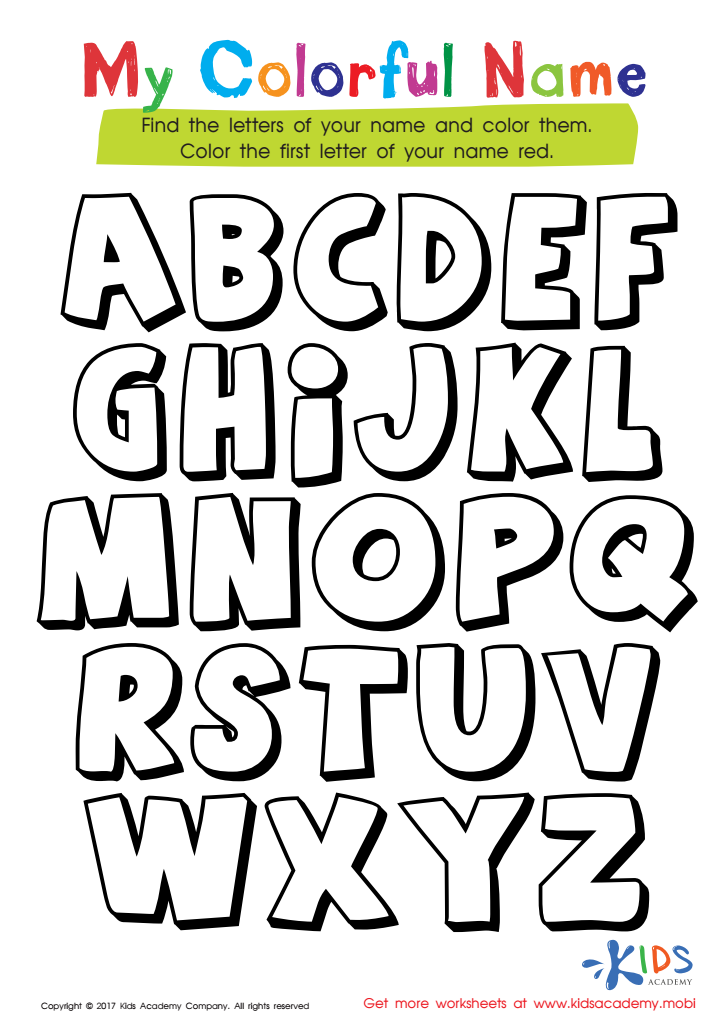
My Colorful Name Worksheet
Writing their names is a milestone for children. With this worksheet, they recall the letters in their name and color the letters one at a time. Spelling and alphabet order are reinforced as they find each letter. Use this fun printable to help kids learn to write their names!
Download (PDF)
 Assign to My Students
Assign to My Students
My Colorful Name Worksheet
Worksheet
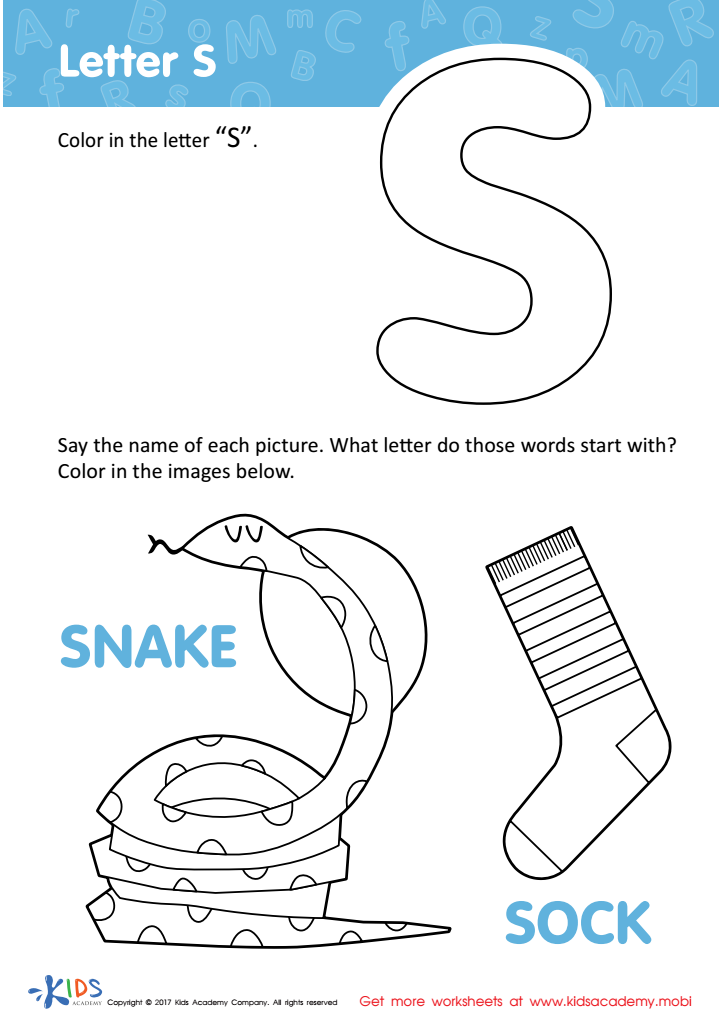
Letter S Coloring Sheet
Help your child practice recognizing the letter "S" and the sound it makes with this fun coloring page. It features a slippery snake, smelly sock and more! Give them extra practice by coming up with more "S" sounds and words.
Download (PDF)
Assign to My Students
Assign to My Students
Letter S Coloring Sheet
Worksheet
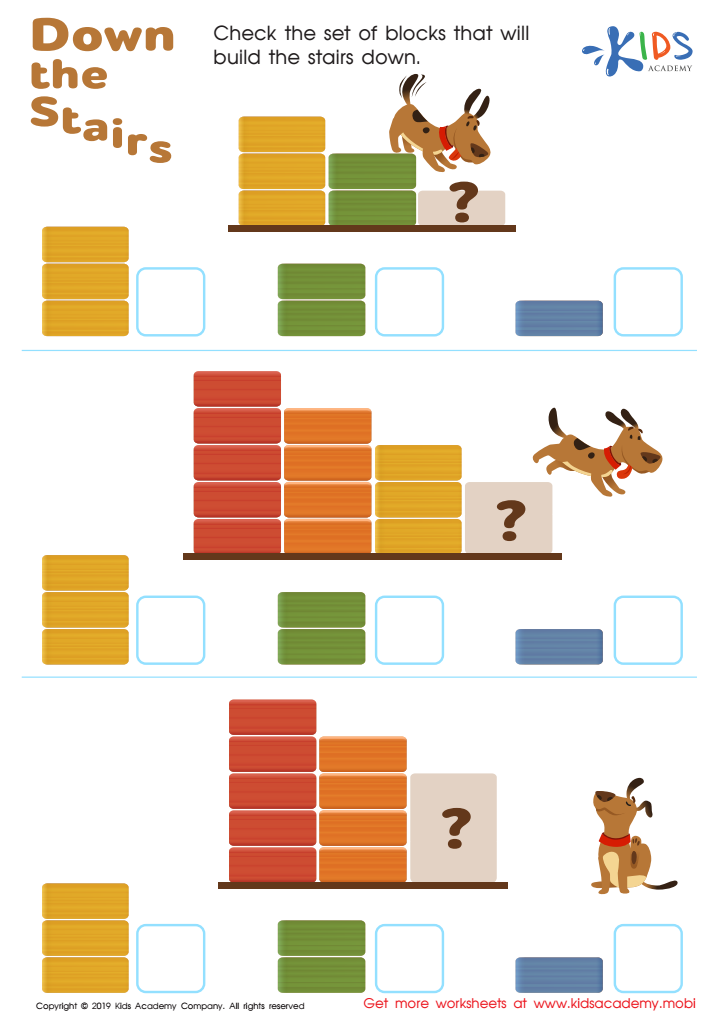
Down the Stairs Worksheet
Let your kids' imaginations run wild with this worksheet featuring a cute and friendly dog! Ask them to point out the dog in the printout, then help count the blocks in each set. Aim to stack them in descending order and build stairs for the pup to get down. Count each block and check the set - it's that easy!
Down the Stairs Worksheet
Worksheet
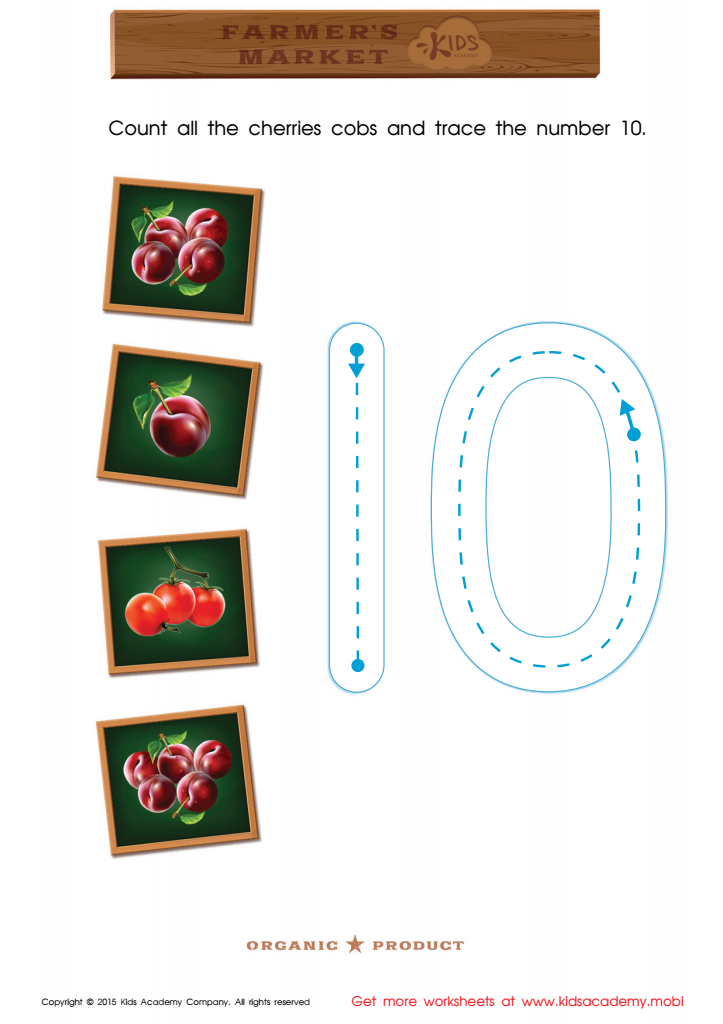
Count the Cherries and Trace the Number 10 Printable
Download this fun math and number worksheet to help your kid practice counting and tracing. Reinforce addition facts and handwriting skills while counting sweet cherries. Check out Kids Academy for more free printable worksheets by topic.
Count the Cherries and Trace the Number 10 Printable
Worksheet
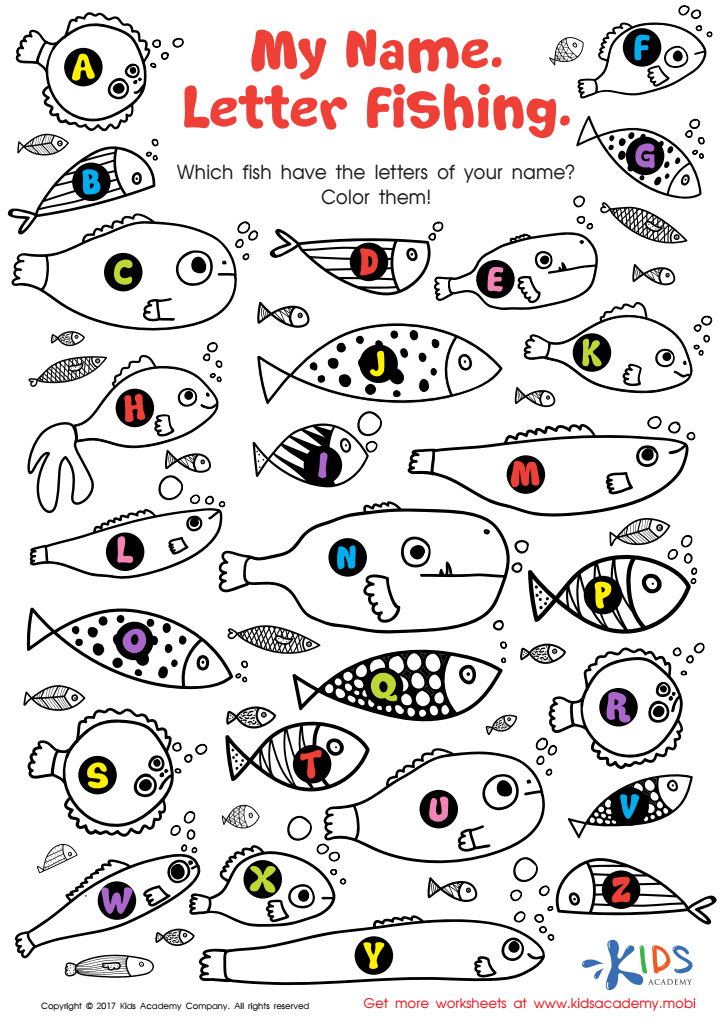
My Name: Letter Fishing Worksheet
Dive into the deep sea and search for fish with a letter on them. Can you find all the letters from your name? Color your favorite fish with crayons and be creative! On the other side, use the letters you found to write your name. Have fun coloring and finding the letters of your name! (80 words)
Download (PDF)
Assign to My Students
Assign to My Students
My Name: Letter Fishing Worksheet
Worksheet
Join Kids Academy for Free
Who is primarily going to use this learning content?








Fine motor skills are essential for children's overall development, particularly for ages 3-5, when they are forming the foundation for future learning. These skills involve the small muscles in the hands and fingers, enabling children to perform precise movements like grasping, manipulating objects, and eventually writing. Parents and teachers should care about the improvement of fine motor skills, as they play a crucial role in academic success and daily functioning.
Developing fine motor skills enhances hand-eye coordination, which is vital for activities such as drawing, cutting, and buttoning clothes. This skill set fosters independence, allowing children to manage personal tasks and build confidence in their abilities. In the classroom, fine motor development is linked to later literacy skills; children who master these skills can hold writing instruments properly and are more likely to succeed in reading and writing.
Additionally, fine motor activities promote creativity and problem-solving, using play-based learning to engage young minds. Engaging children in hands-on activities, such as building with blocks, threading beads, or participating in arts and crafts, not only enhances their fine motor skills but also provides valuable opportunities for social interaction and emotional growth. Thus, nurturing these skills is vital for comprehensive child development.








