Fine motor skills (writing) Worksheets for Ages 3-5 - Page 2
37 filtered results
-
From - To
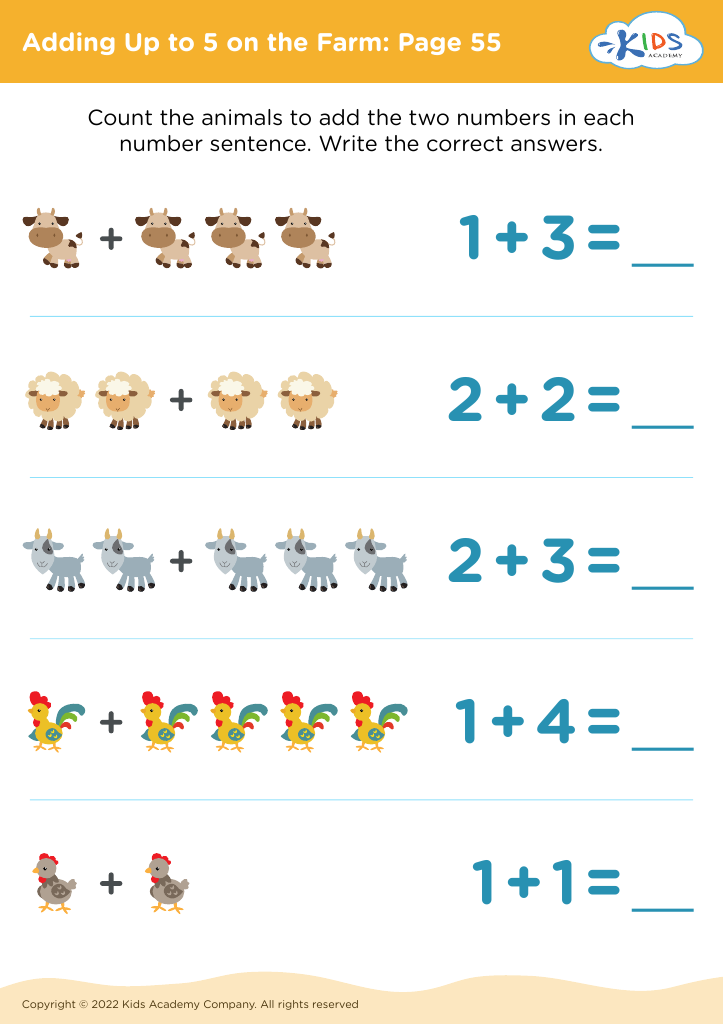

Thanksgiving Holiday Printable
 Assign to My Students
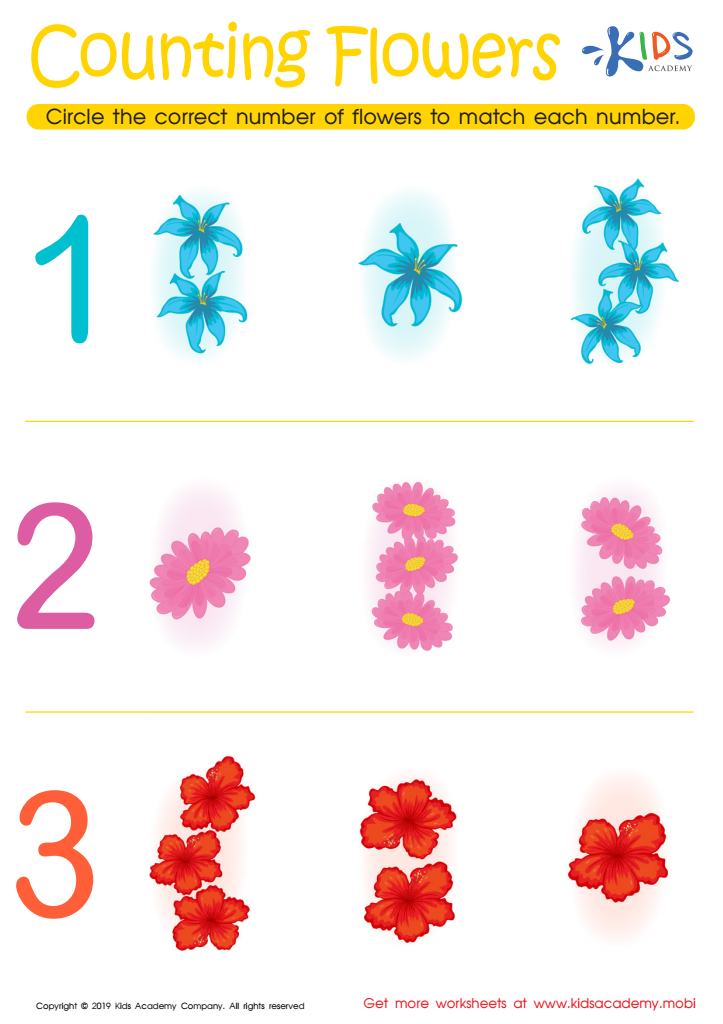
Counting Flowers Worksheet
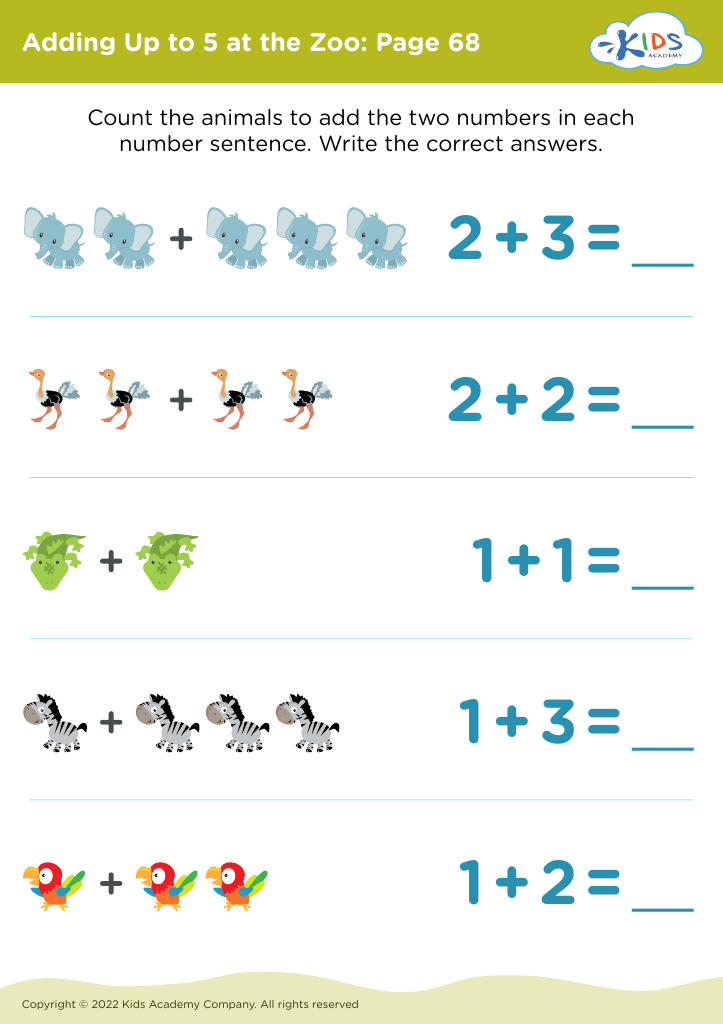
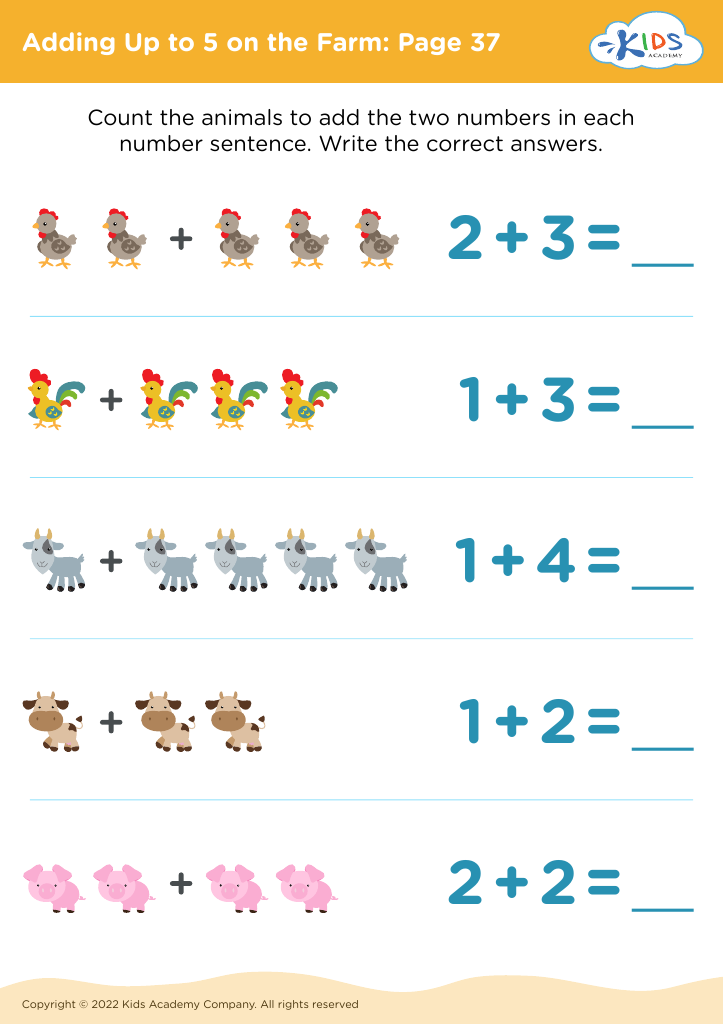
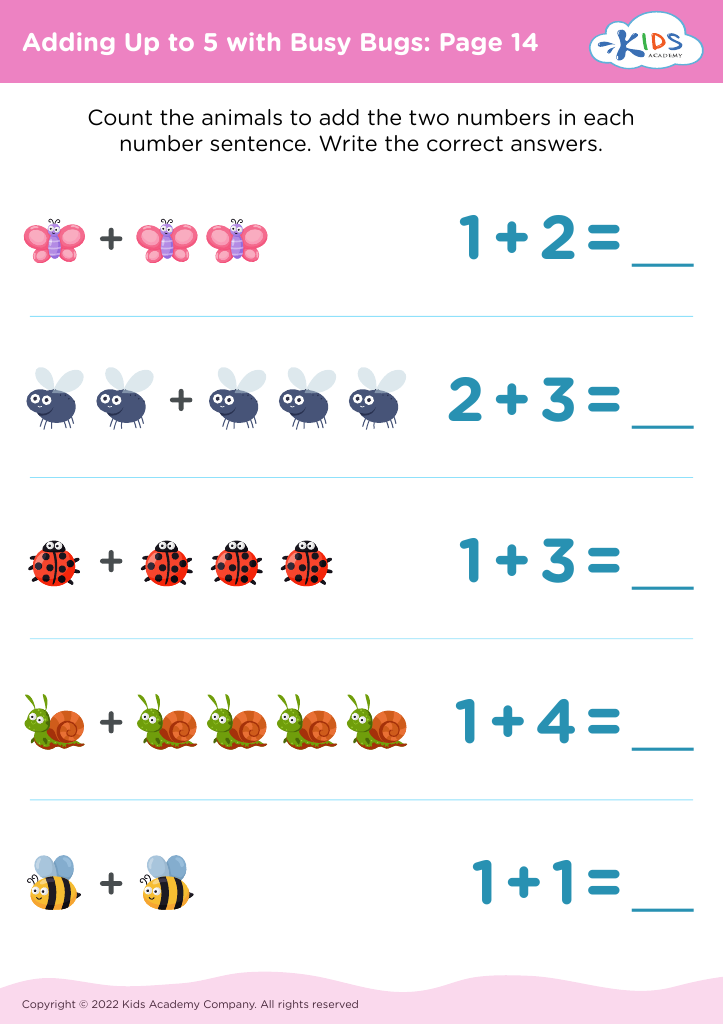
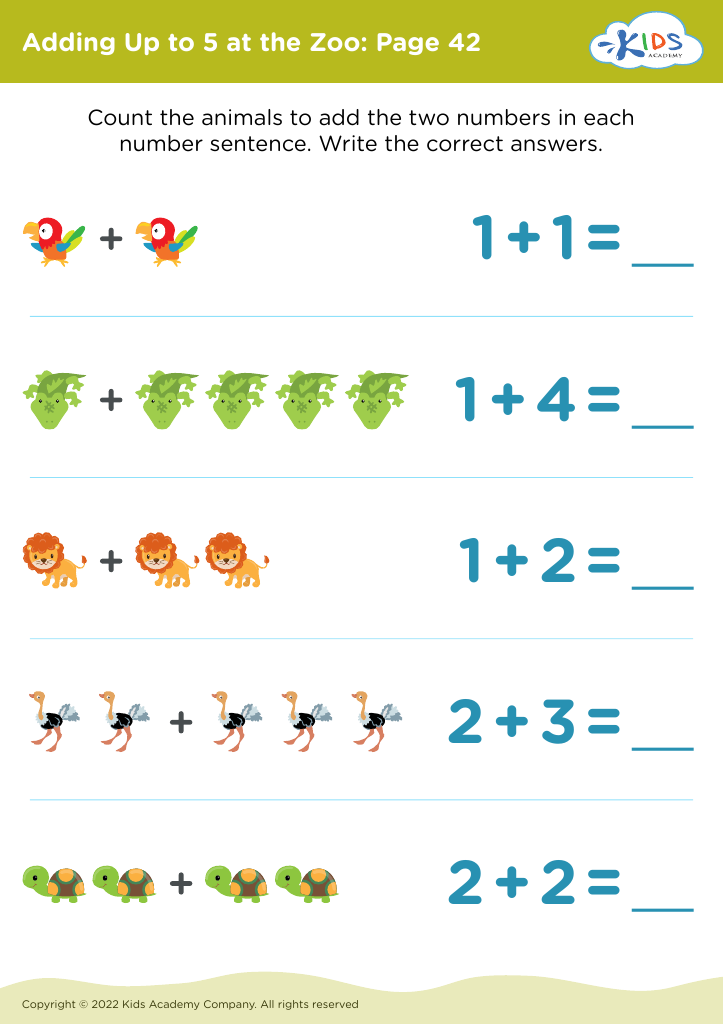
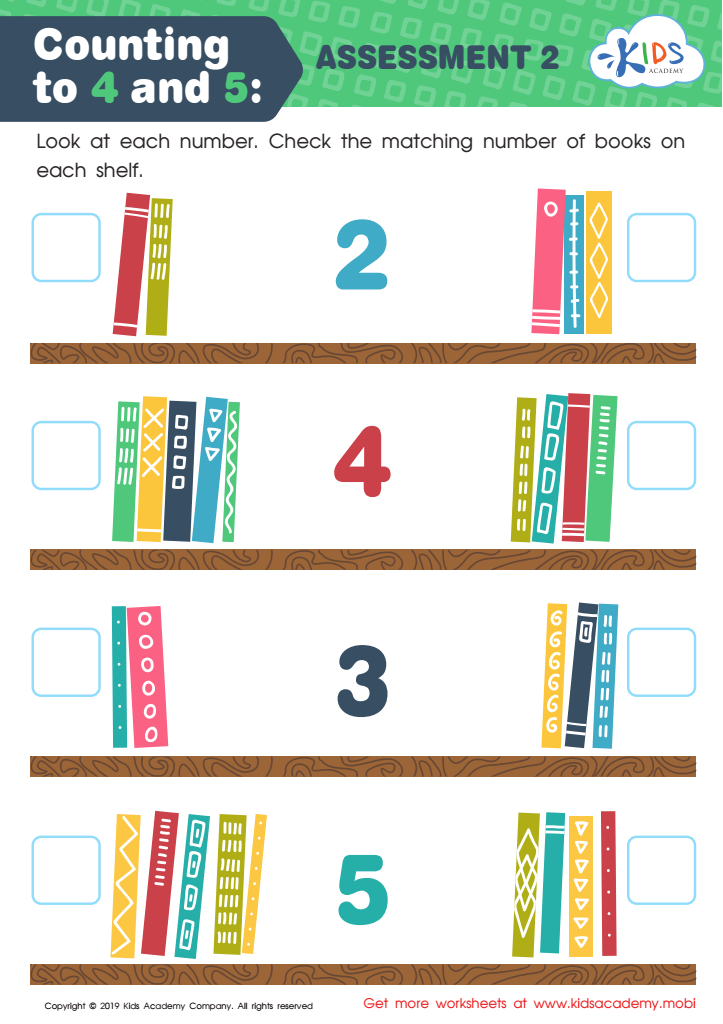
Counting to 4 and 5: Assessment 2 Worksheet







Fine motor skills are crucial for children's overall development, particularly for those aged 3 to 5. At this stage, children are honing their ability to control smaller muscles, primarily in their hands and fingers. Developing strong fine motor skills lays the foundation for writing, a key aspect of academic success. Parents and teachers should care about these skills because they directly influence a child's ability to perform everyday tasks, such as holding a pencil, cutting with scissors, or tying shoelaces.
Early proficiency in fine motor skills fosters confidence and independence, allowing children to express themselves through writing and art. Additionally, these skills are linked to cognitive development; activities that require fine motor coordination engage the brain and promote problem-solving and critical thinking.
Moreover, strong fine motor skills can enhance social development through group activities, where sharing tools and materials encourages interaction. When children struggle with these skills, it can lead to frustration and decreased enthusiasm for learning. By prioritizing activities that strengthen fine motor skills, parents and teachers can support children's readiness for school and help ensure success in their future educational endeavors.








