Fraction simplification Worksheets for Ages 3-5
5 filtered results
-
From - To
Introducing our Fraction Simplification Worksheets designed specifically for ages 3-5! These engaging and colorful worksheets help young learners grasp early math concepts, focusing on simplifying fractions. With fun visuals and age-appropriate challenges, children will enjoy learning to recognize and work with fractions in an exciting way. Perfect for preschool and kindergarten students, these worksheets foster a love for math and enhance critical thinking skills. Download now to provide your little ones with a head start in their mathematical journey, making fractions simple and enjoyable along the way!
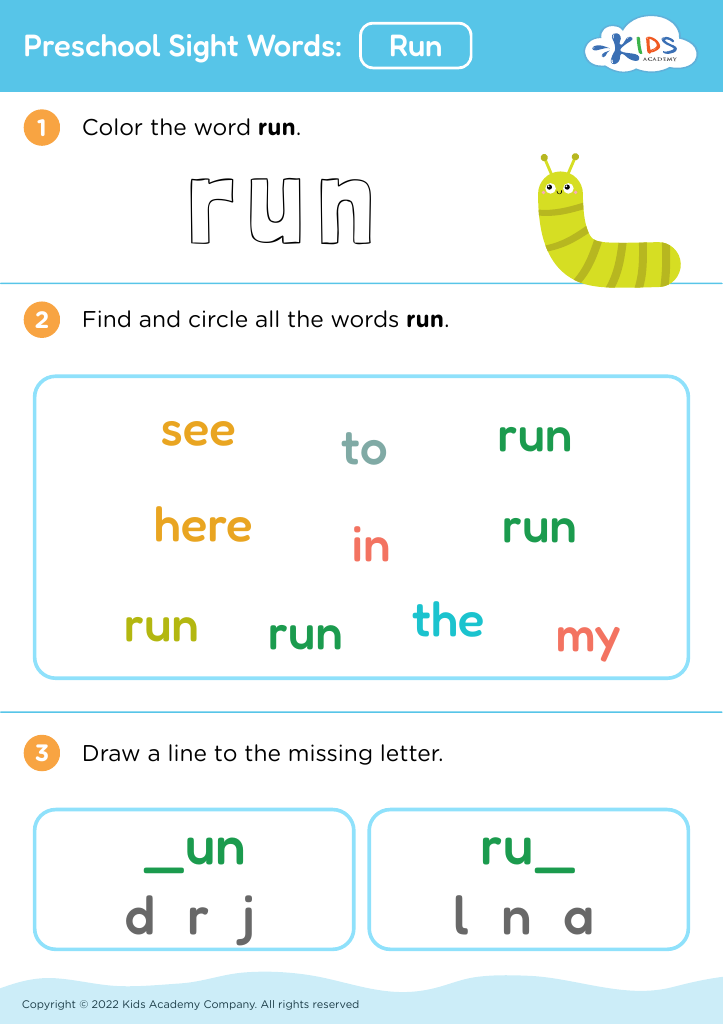
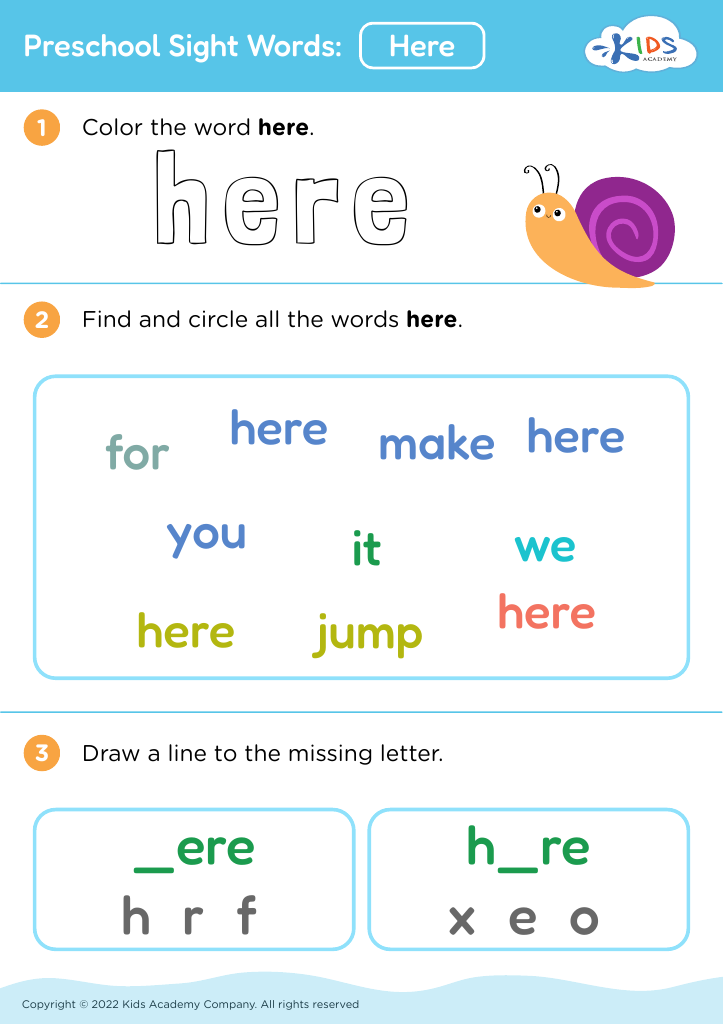
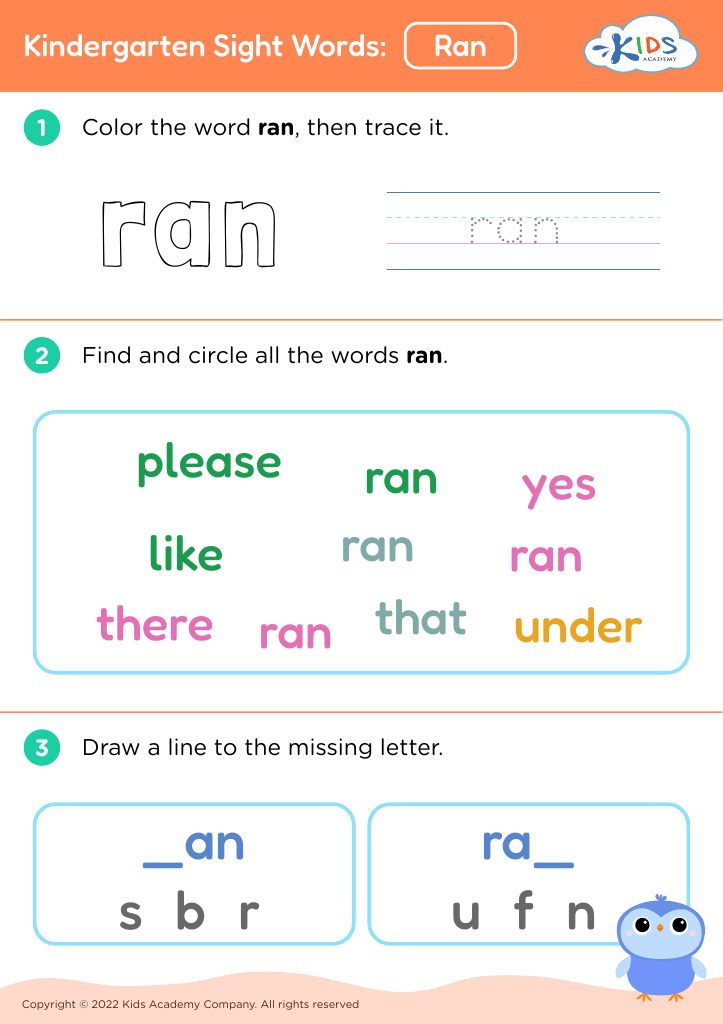
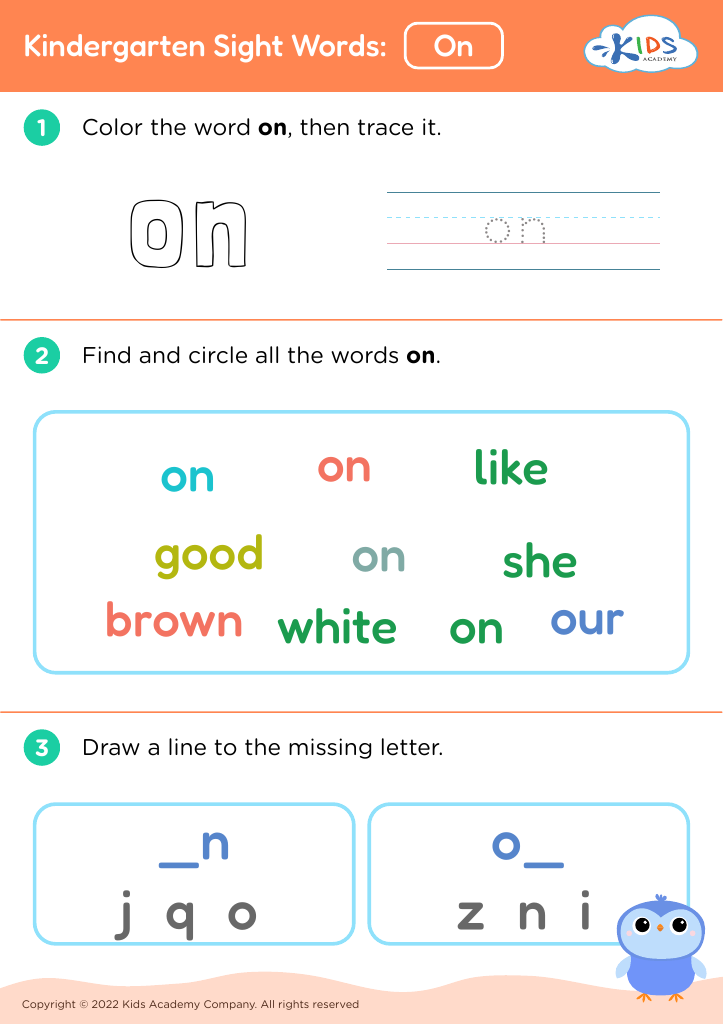





.jpg)


While fraction simplification might seem advanced for children ages 3-5, laying the groundwork is essential for their mathematical development. This early exposure is less about direct instruction and more about nurturing a foundational number sense that supports later understanding of fractions.
Firstly, early math skills are a strong predictor of later academic success. Engaging young learners with concepts that lead to fraction simplification can enhance their overall number comprehension, pattern recognition, and problem-solving abilities. Activities like sharing toys or snacks introduce the idea of dividing whole objects into parts, which is the essence of fractions.
Moreover, understanding the basics of fractions helps children develop fair sharing and division concepts. When children participate in equal sharing routines, they intuitively grasp that parts of a whole must be equal in size and number, a principle at the heart of fraction simplification.
Additionally, positive early experiences with math can counteract math anxiety. Introducing these ideas through playful, hands-on activities makes learning enjoyable, fostering a positive attitude towards more challenging topics, like fraction simplification, in the future.
Therefore, parents and teachers should care about fraction simplification for young children as it builds early numeracy skills, encourages equitable sharing, and sets the stage for a lifelong, confident relationship with mathematics.








