Identifying Animals Worksheets for Ages 3-5
4 filtered results
-
From - To
Welcome to our "Identifying Animals Worksheets" page, designed specifically for children ages 3-5! These engaging worksheets help young learners develop essential skills while having fun discovering various animals. Each activity encourages children to recognize different species, enhancing their vocabulary and comprehension. From matching animals to their habitats to colorful illustrations that captivate their imagination, our resources cater to a range of learning styles. Perfect for preschool and kindergarten classrooms, these worksheets make learning about the animal kingdom an exciting adventure. Download our printable activities today and support your child's early development in a playful yet educational way!
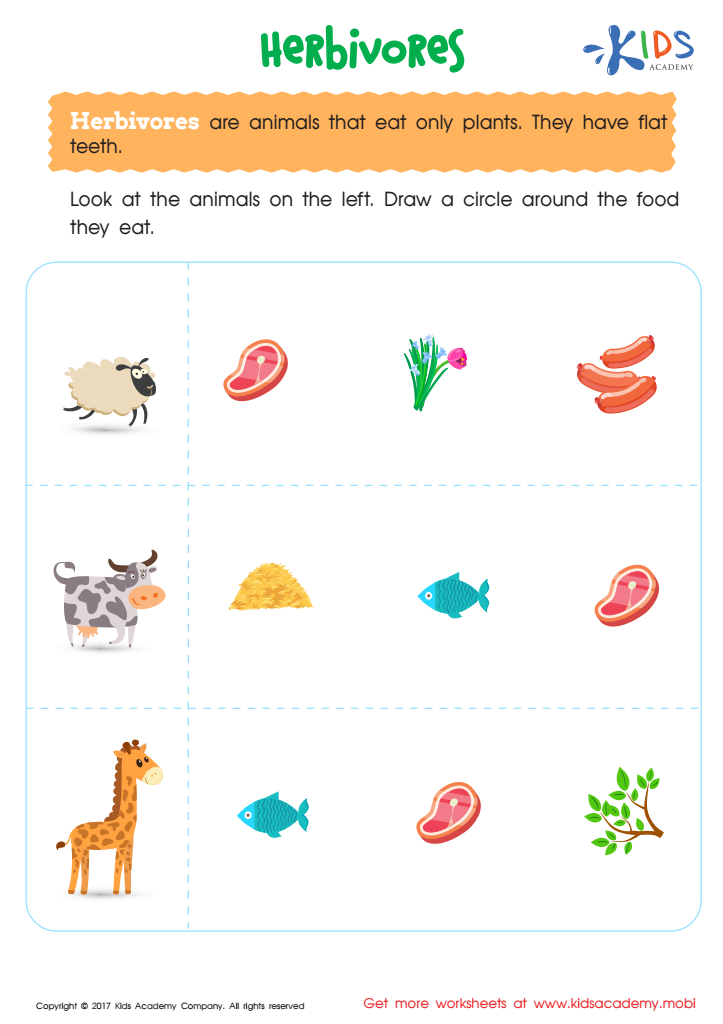
Herbivores Printable
 Assign to My Students
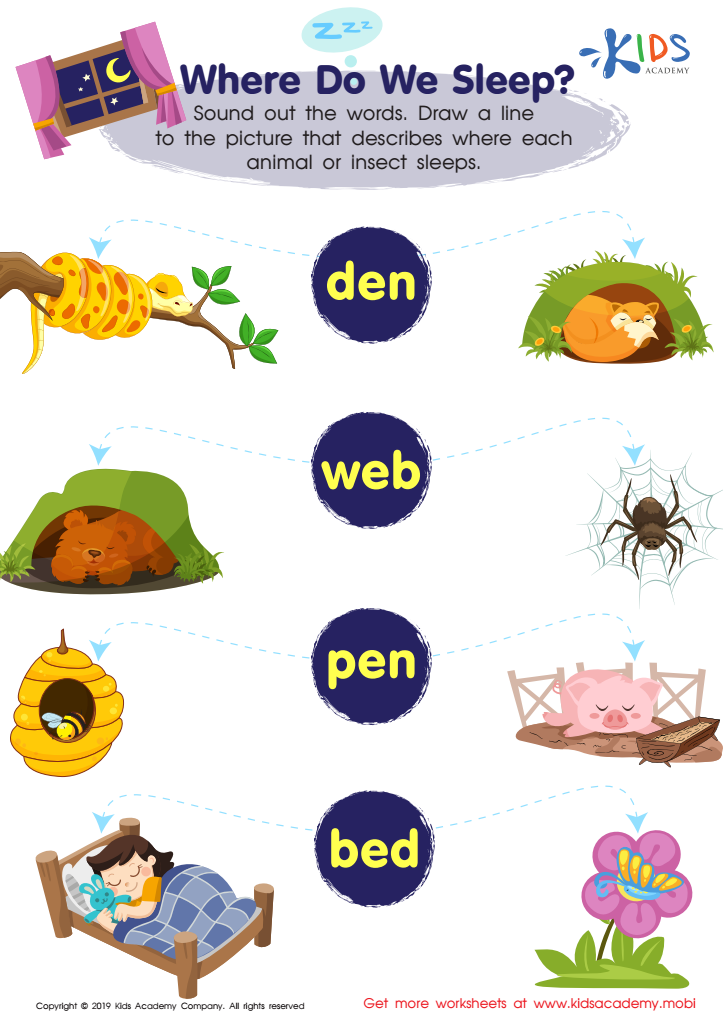
Where Do We Sleep Worksheet
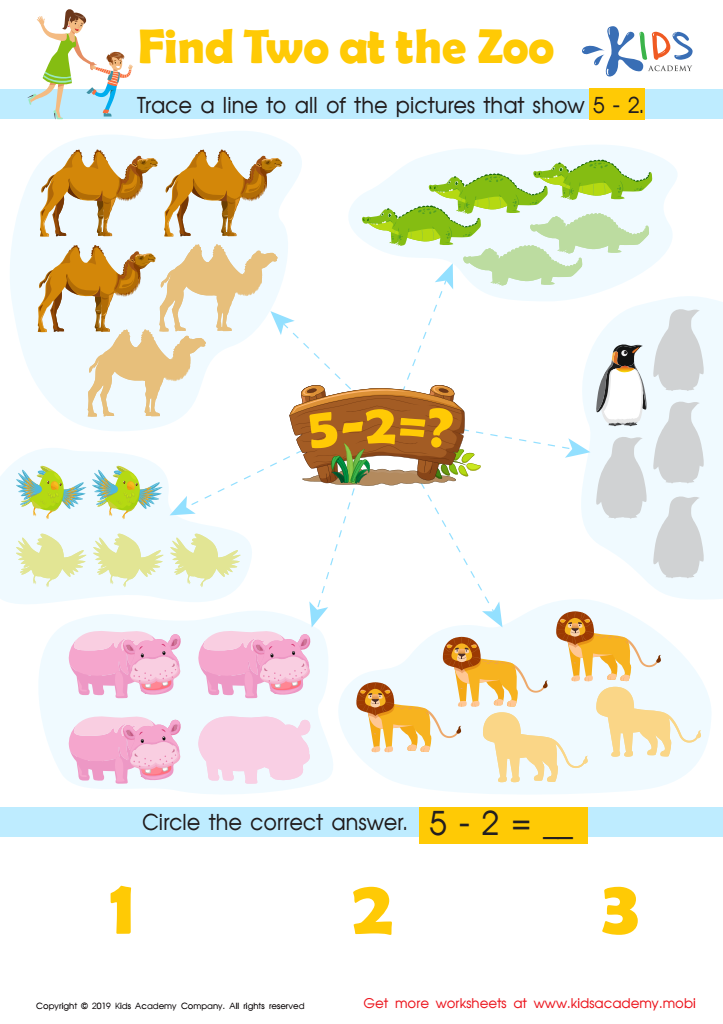
Find Two at the Zoo Worksheet
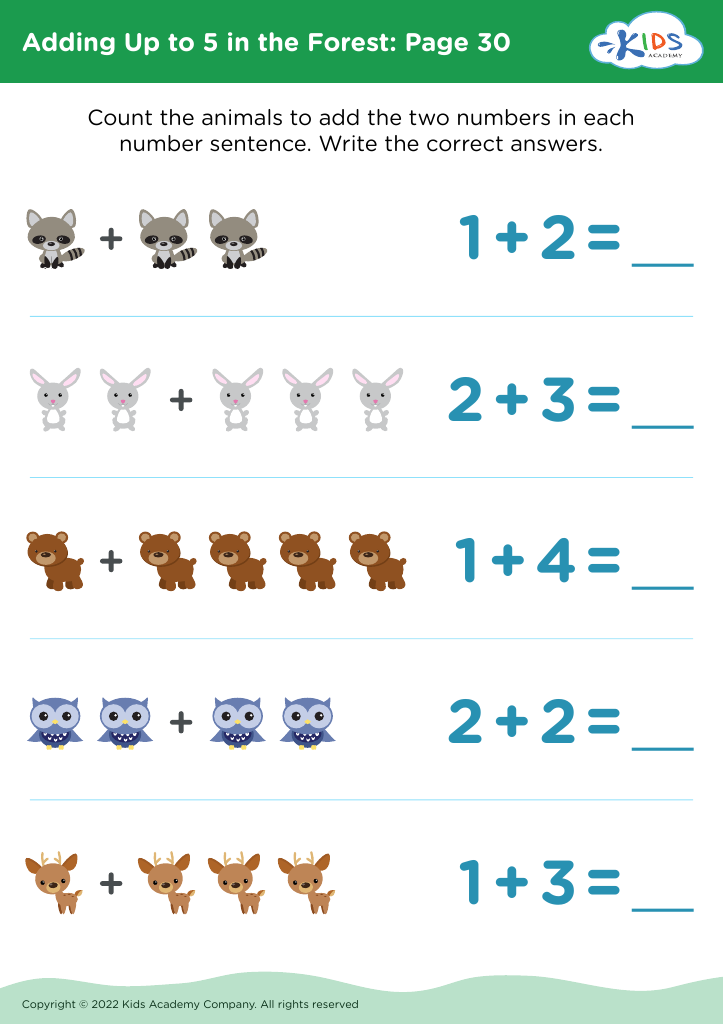








Identifying animals is a crucial part of early childhood education for children aged 3-5, and parents and teachers should prioritize this activity for several reasons. Firstly, recognizing the various species enhances children’s vocabulary and language skills. As they learn the names and features of different animals, they also develop communication skills essential for future learning.
Secondly, identifying animals can stimulate cognitive development. It encourages curiosity and observation, helping children to differentiate between various characteristics like habitat, appearance, and behavior. This knowledge fosters critical thinking as children begin to categorize animals based on their unique traits.
Additionally, engaging with animals can promote emotional intelligence and empathy. Learning about animals and their environments helps children understand interdependence in nature and enhances their appreciation for all living beings. By fostering a sense of care and responsibility, children learn to respect the world around them.
Moreover, these activities often involve play-based learning methods, making the experience enjoyable and engaging. Whether through picture books, songs, or nature walks, exploring the animal kingdom can be a fun, interactive way for children to learn. In sum, identifying animals plays a vital role in holistic development, laying the groundwork for future educational journeys.








