
Improving reading skills Worksheets for Ages 3-5
8 filtered results
Difficulty Level
Grade
Age
-
From - To
Subject
Activity
Standards
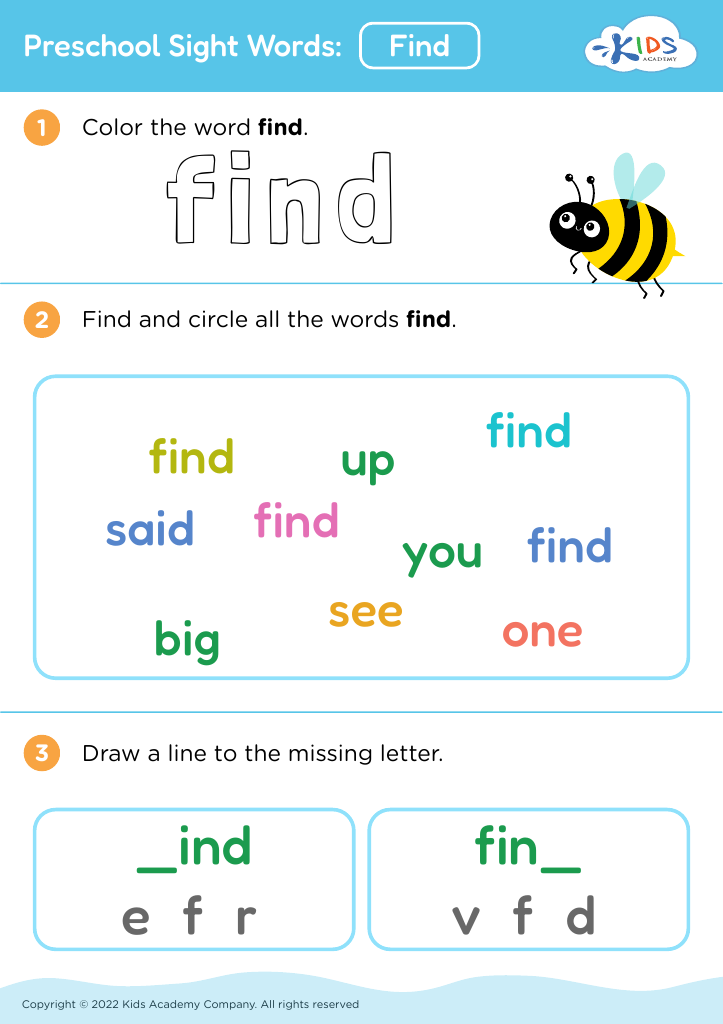
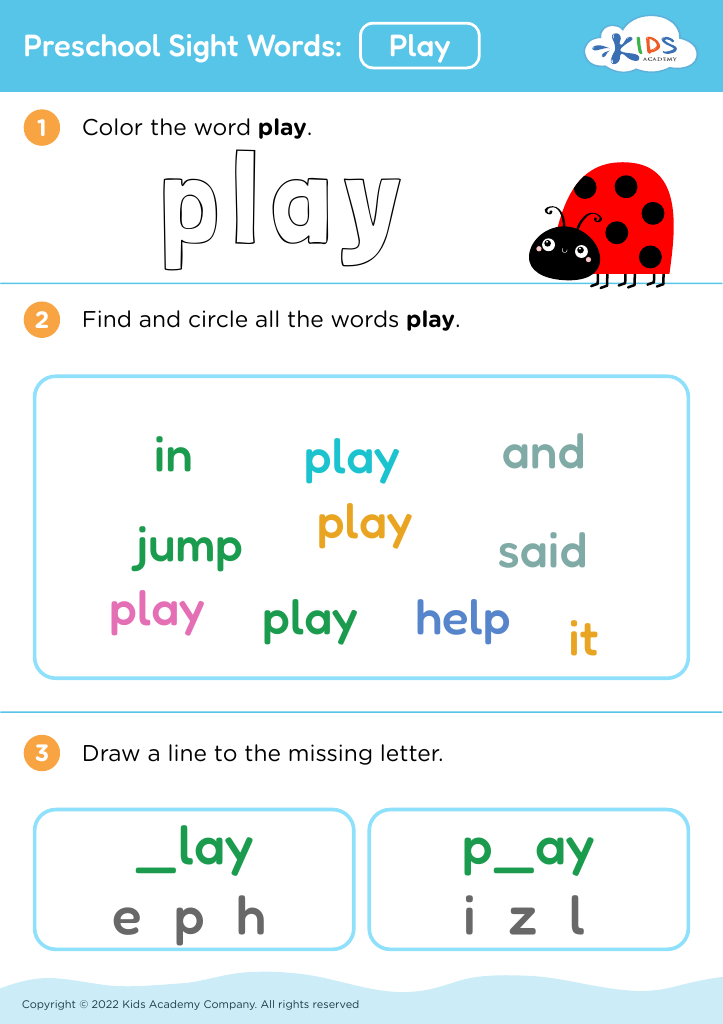
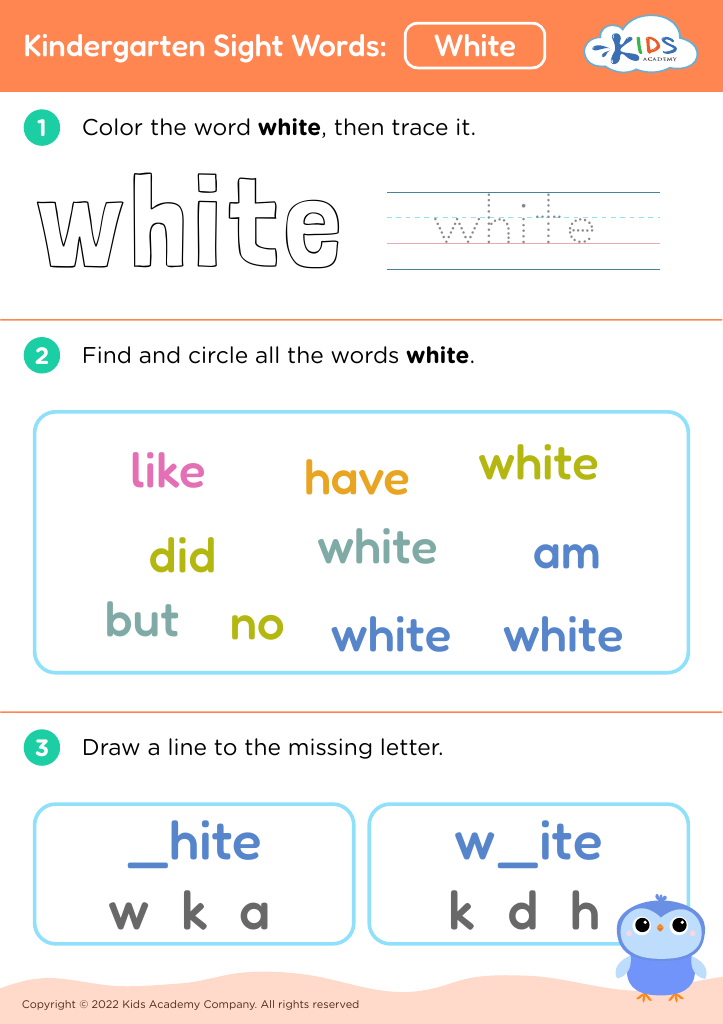
Enhance your child's reading journey with our carefully crafted "Improving Reading Skills Worksheets for Ages 3-5." Tailored for early learners, these engaging activities are designed to build foundational reading skills in a fun and interactive way. Our worksheets incorporate vibrant illustrations, simple word association tasks, letter recognition exercises, and phonics activities to foster a love for reading while boosting literacy. With a variety of themes and formats, these resources are perfect for at-home practice or classroom use, ensuring your little one gains the confidence and skills needed for early reading success. Start your child’s literary adventure today!
Favorites
With answer key
Interactive
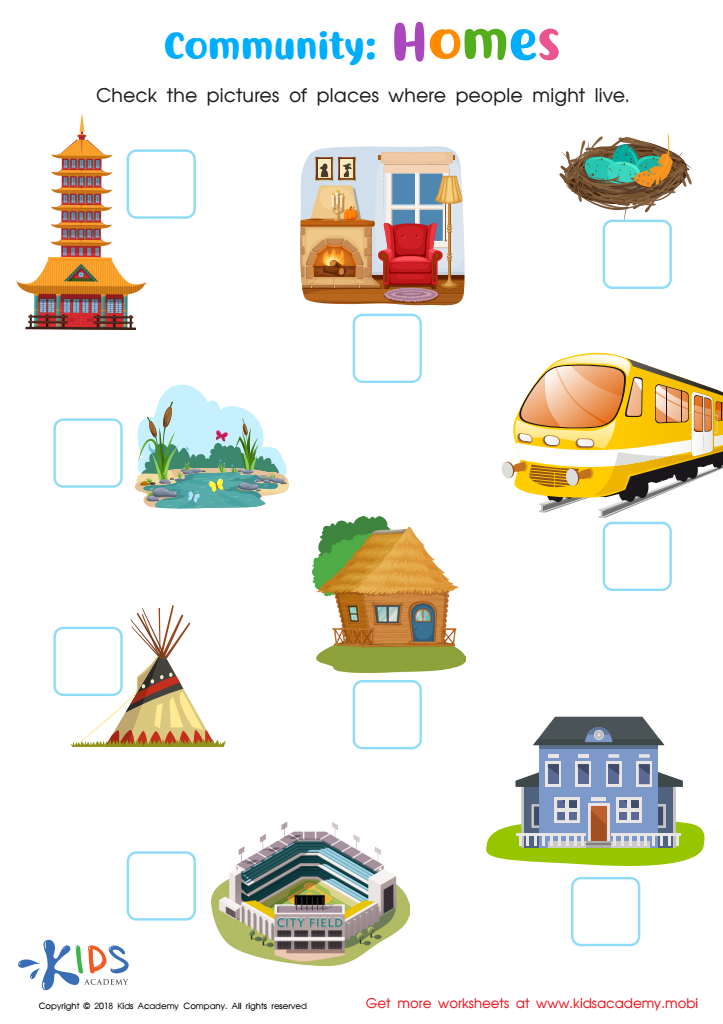
Community: Homes Worksheet
Help your child discover the different types of homes with this free worksheet! Full of colors and pictures, they'll assess which are suitable for people to live in. As they check each picture, they'll use their fine motor skills to draw a conclusion. They'll recognize familiar homes and learn about new ones. There's no place like home!
Community: Homes Worksheet
Worksheet
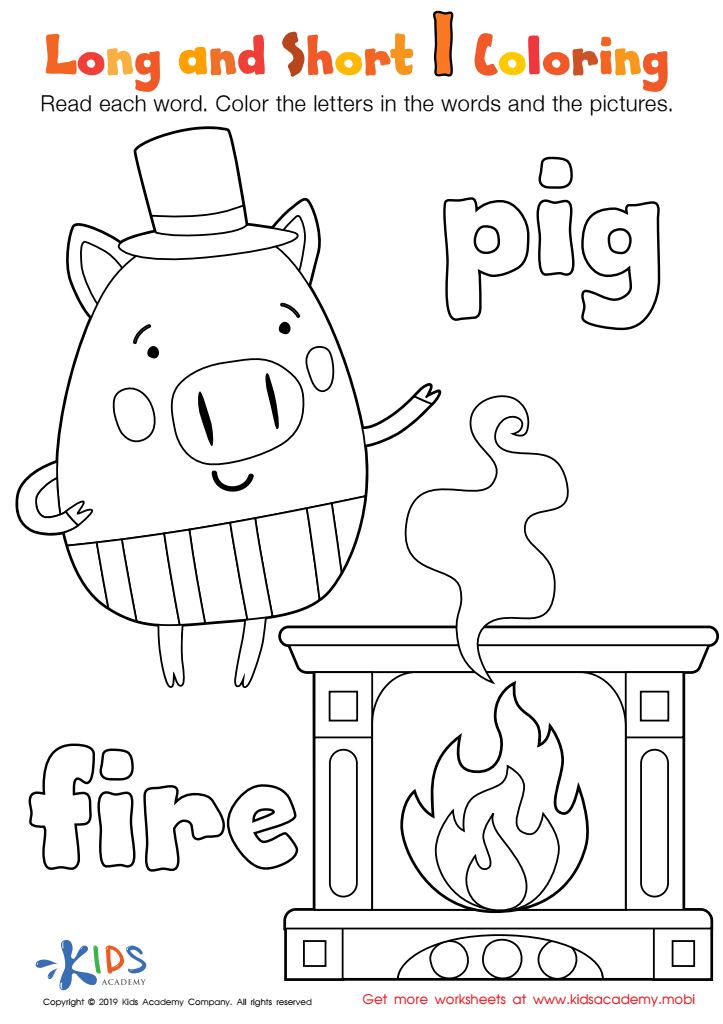
Long and Short I Worksheet
Print the worksheet and have the students read "pig" and "fire". Check for understanding the difference between long and short vowels. Color in words and pictures to make learning phonics fun! This exercise is perfect for introducing the topic to your students.
Download (PDF)
 Assign to My Students
Assign to My Students
Long and Short I Worksheet
Worksheet
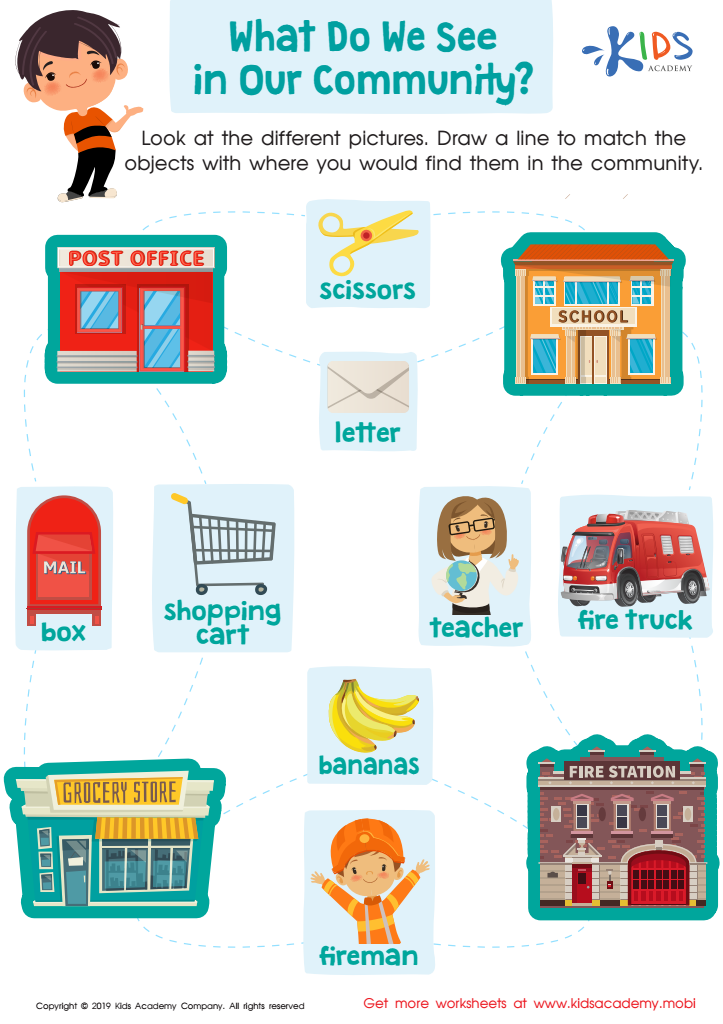
What Do We See in our Community? Worksheet
Kids can learn about citizenship and their place in the world by studying their communities. This free worksheet is a fun way to do it - kids match pictures to what they find in their local community. They can trace the lines to show where they would spot the objects. It's an excellent way to get to know their environment!
What Do We See in our Community? Worksheet
Worksheet
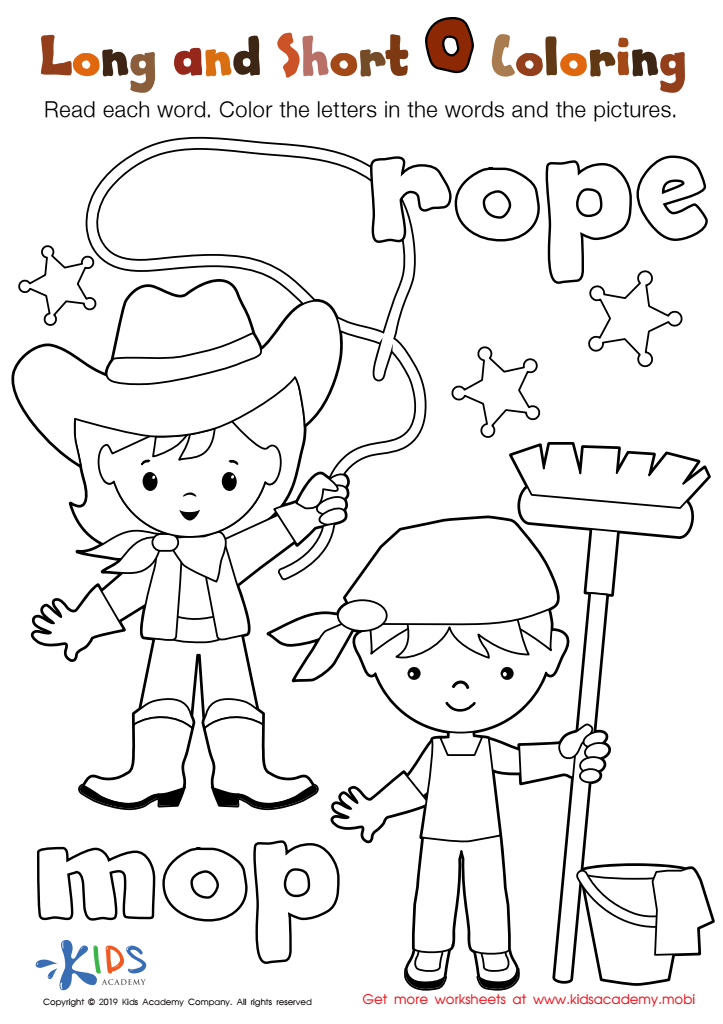
Long and Short O Worksheet
Help your students recognize the difference between long and short «Os» with this fun printout. Let them read and color-in "rope" and "mop" simultaneously. Listen to the different sounds, then color the words and pictures. Great for classes, it'll make your phonics lesson memorable and enjoyable.
Download (PDF)
Assign to My Students
Assign to My Students
Long and Short O Worksheet
Worksheet
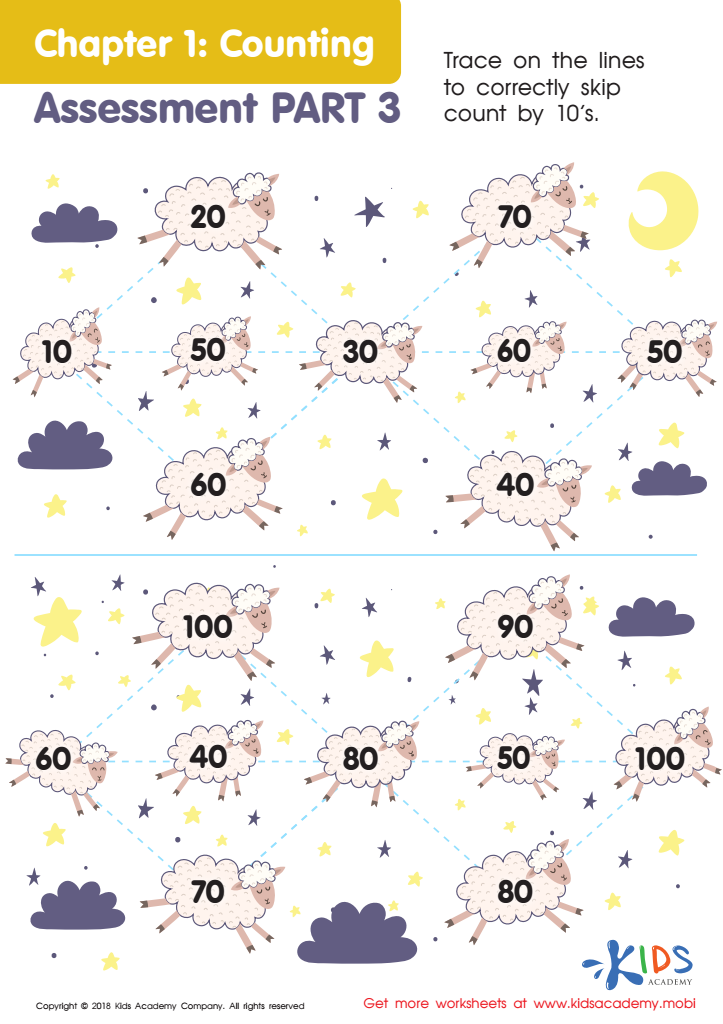
Counting: Assessment 3 Worksheet
This worksheet is great for assessing your child's counting skills. It's a bit more challenging than the usual 'count to fifty' exercises. Have them trace the lines and skip count by 10's to help them learn counting in tens.
Counting: Assessment 3 Worksheet
Worksheet
Join Kids Academy for Free
Who is primarily going to use this learning content?







Improving reading skills for children aged 3-5 is crucial as it lays the foundation for their future academic success and overall cognitive development. Early reading fosters language acquisition, enhances vocabulary, and instills a love for books, which can drive lifelong learning. Developing these skills at an early age also leads to better performance in school because it sharpens comprehension and critical thinking abilities.
Furthermore, reading together with young children strengthens the parent-child bond which makes learning a shared, enjoyable experience. For teachers, focusing on reading helps identify any early challenges a child may have, such as dyslexia, allowing for timely intervention.
Children in this age group have an absorbent mind, meaning they can learn quickly and retain information more effectively. Reading them stories stimulates their imagination and nurtures emotional development, letting them understand complex emotional narratives and social situations.
Moreover, the habit of reading early constructs a familiarity with text, improves attention span, and fosters analytical skills. Engaging children in reading activities also gives them a head start in literacy, making the daunting transition to formal education smoother. Consequently, cultivating reading skills from ages 3-5 not only boosts academic and personal growth but also sets the stage for lifelong success and well-being.








