Letter-sound association Worksheets for Ages 3-5
11 filtered results
-
From - To
Our Letter-Sound Association Worksheets for ages 3-5 are designed to enhance early literacy skills. Ideal for preschool and kindergarten, these engaging activities help children connect letters with corresponding sounds, laying a strong foundation for reading and writing. Featuring charming illustrations, fun games, and interactive tasks, our worksheets make learning phonics exciting and effective. They support children's ability to recognize letters, identify sounds, and begin forming simple words. Perfect for parents and teachers aiming to build essential language skills in young learners. Download now to help your child start their reading journey with confidence and joy!
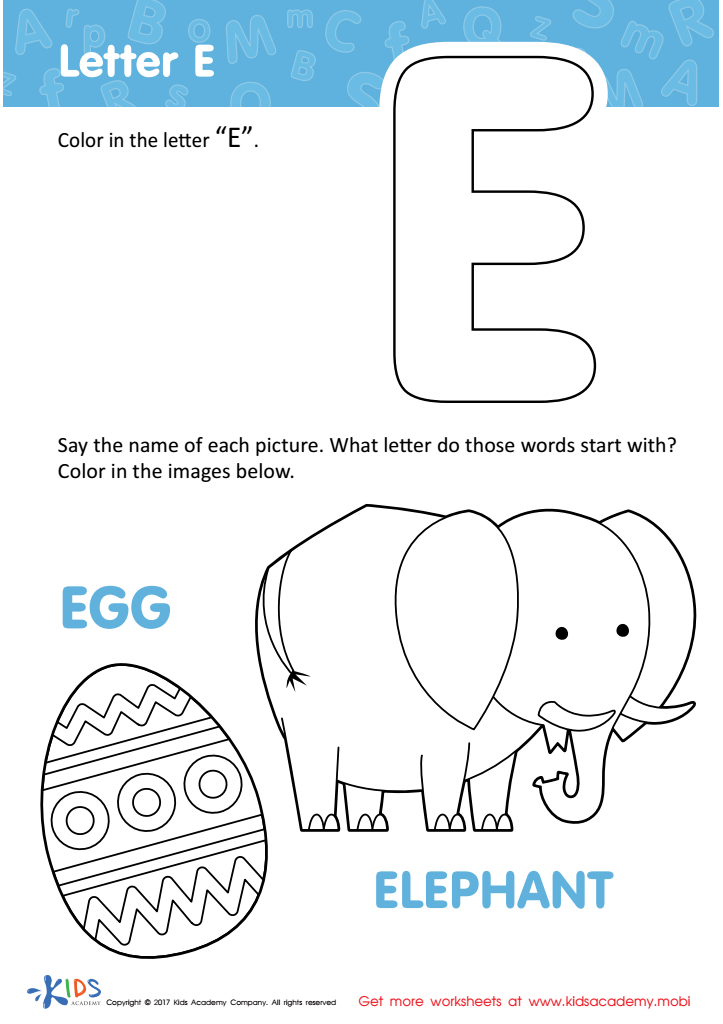
Letter E Coloring Sheet
 Assign to My Students
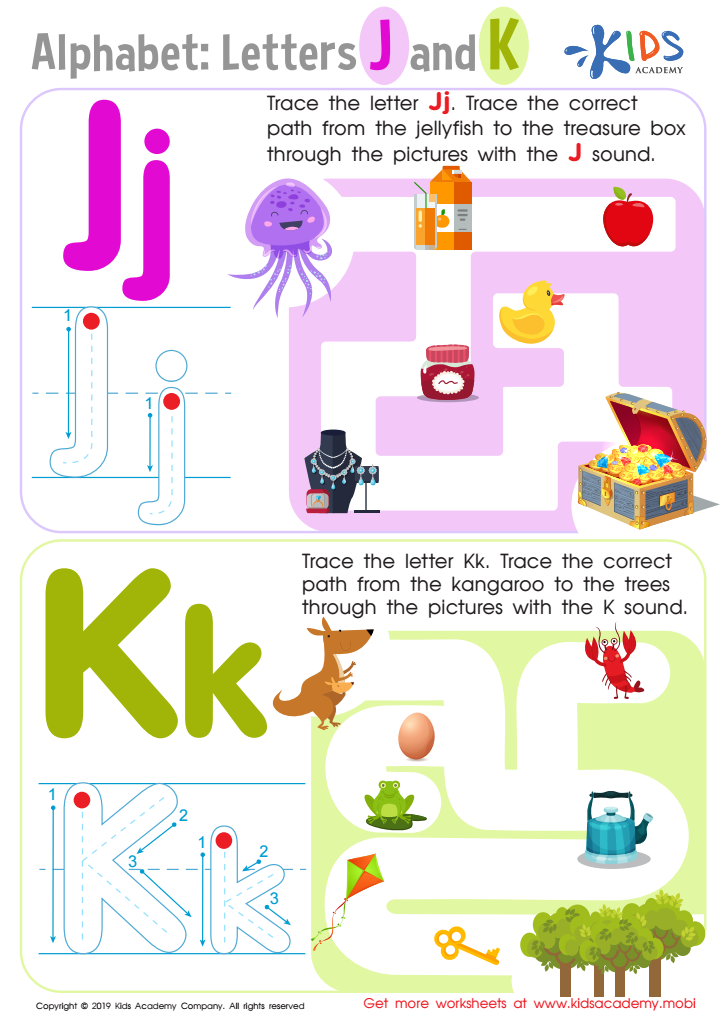
Letters J and K Tracing Worksheet
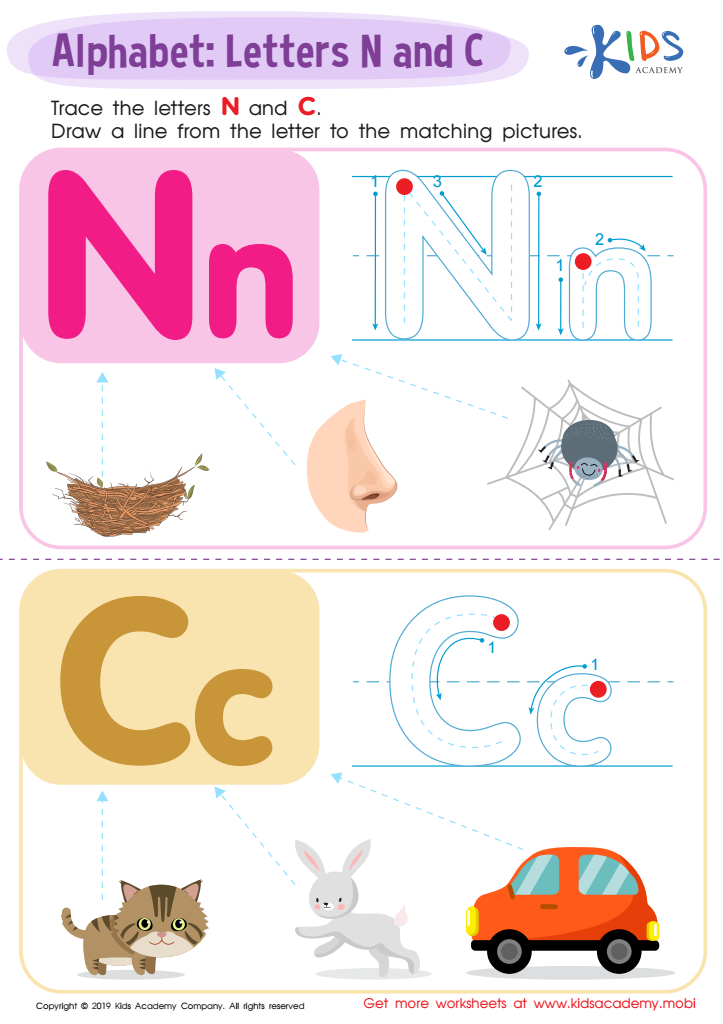
Letter N and C Tracing Worksheet
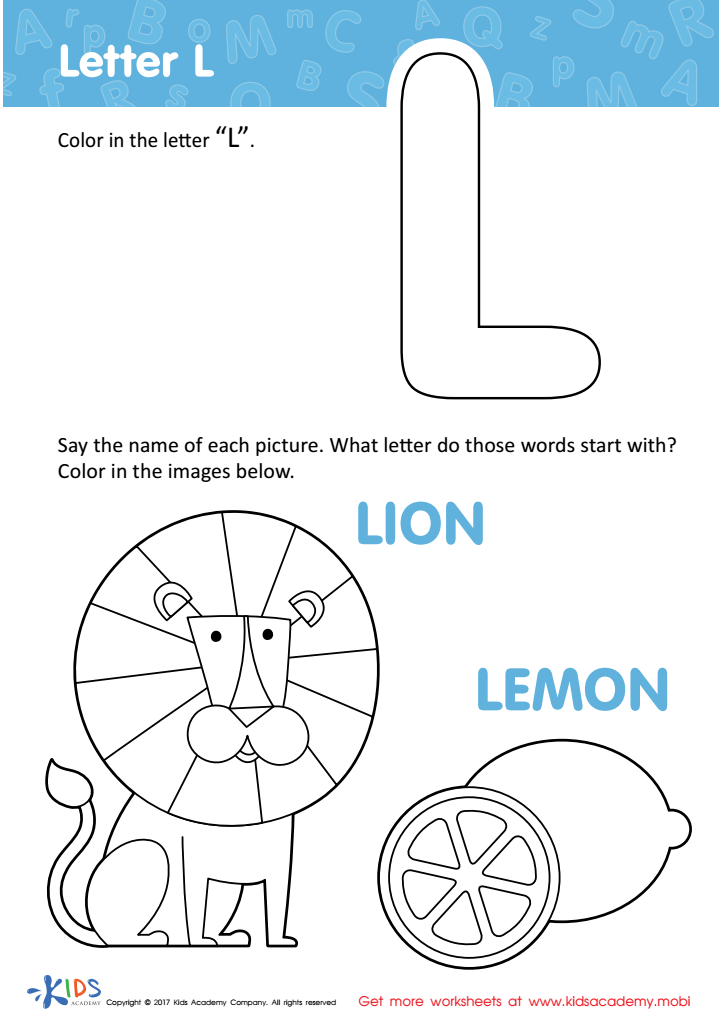
Letter L Coloring Sheet
Assign to My Students
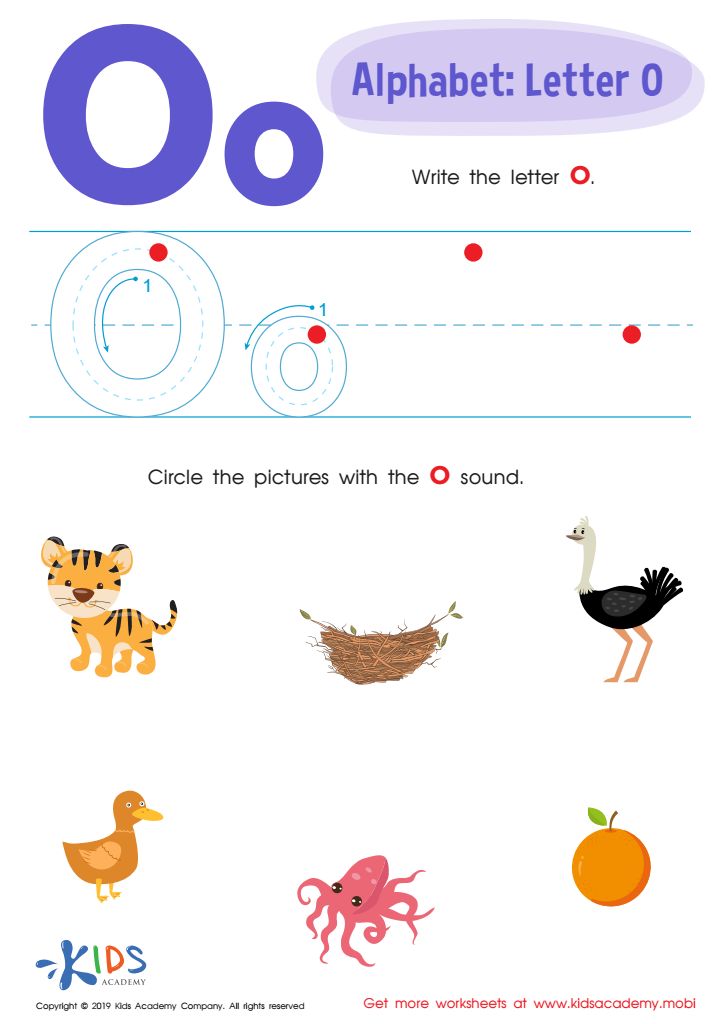
Letter O Tracing Worksheet
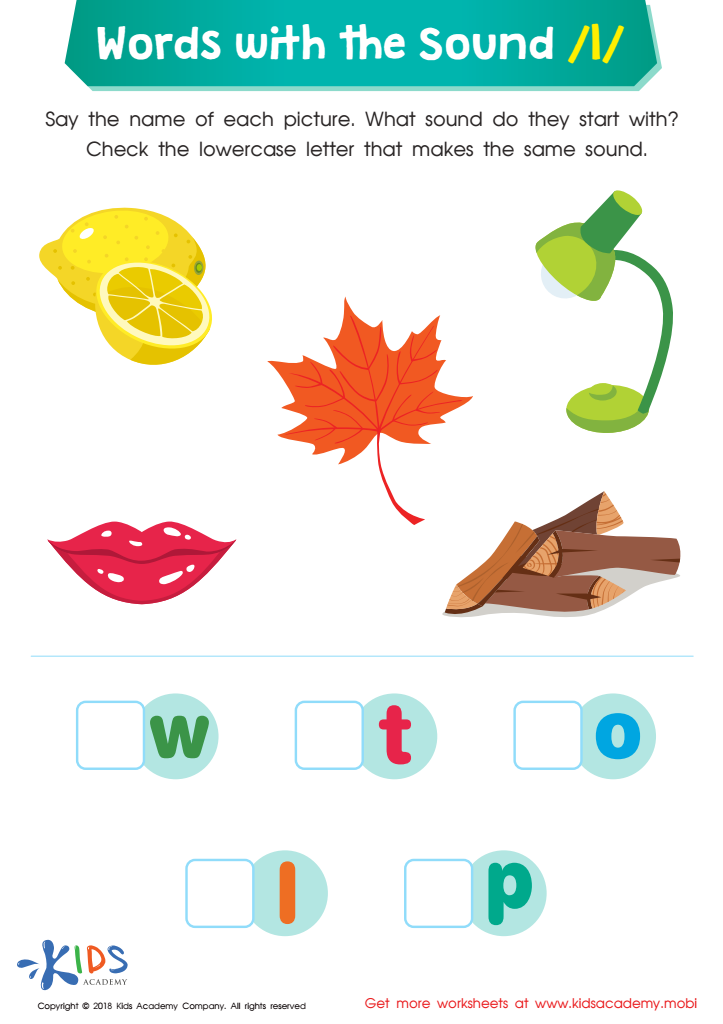
Words with Sound L Reading Worksheet
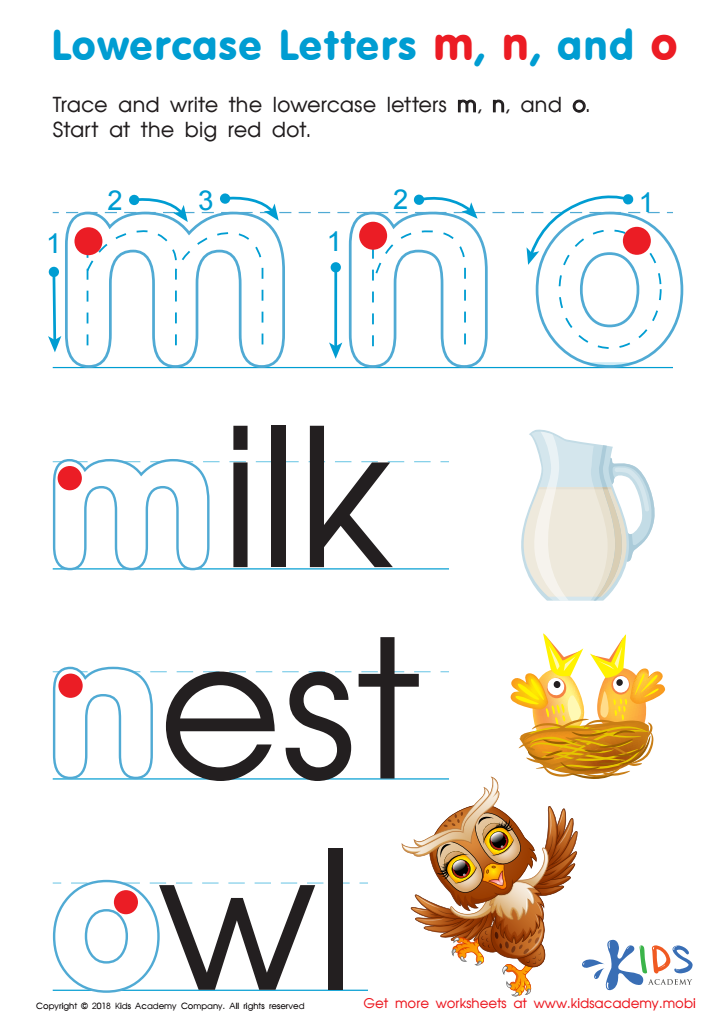
Lowercase Letters m n o Worksheet
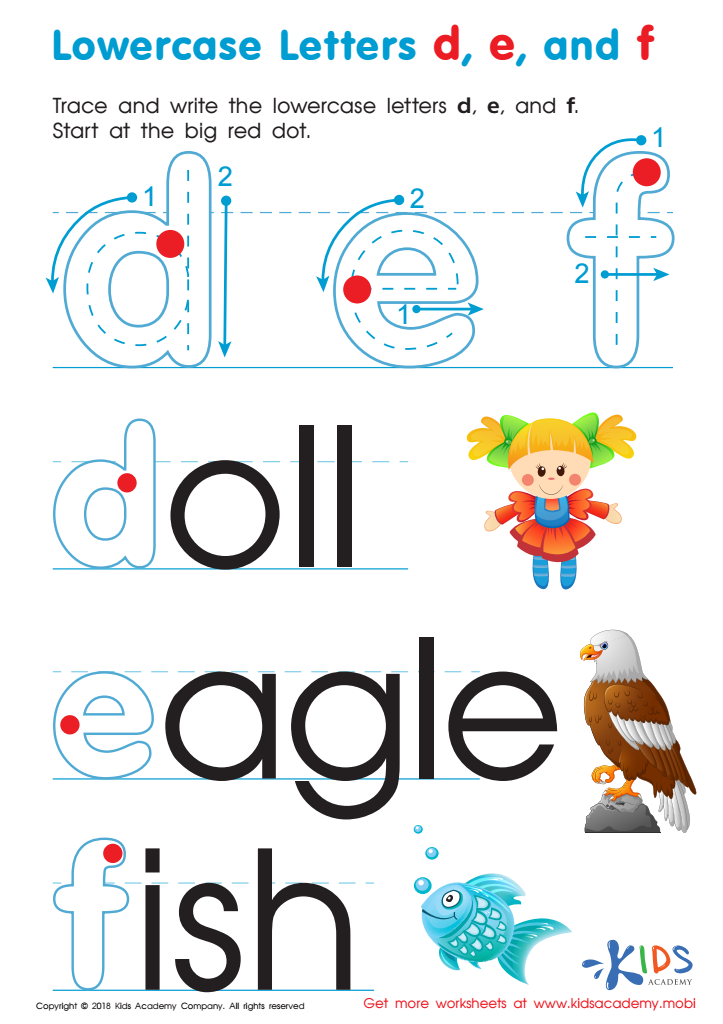
Lowercase Letters d e f Worksheet
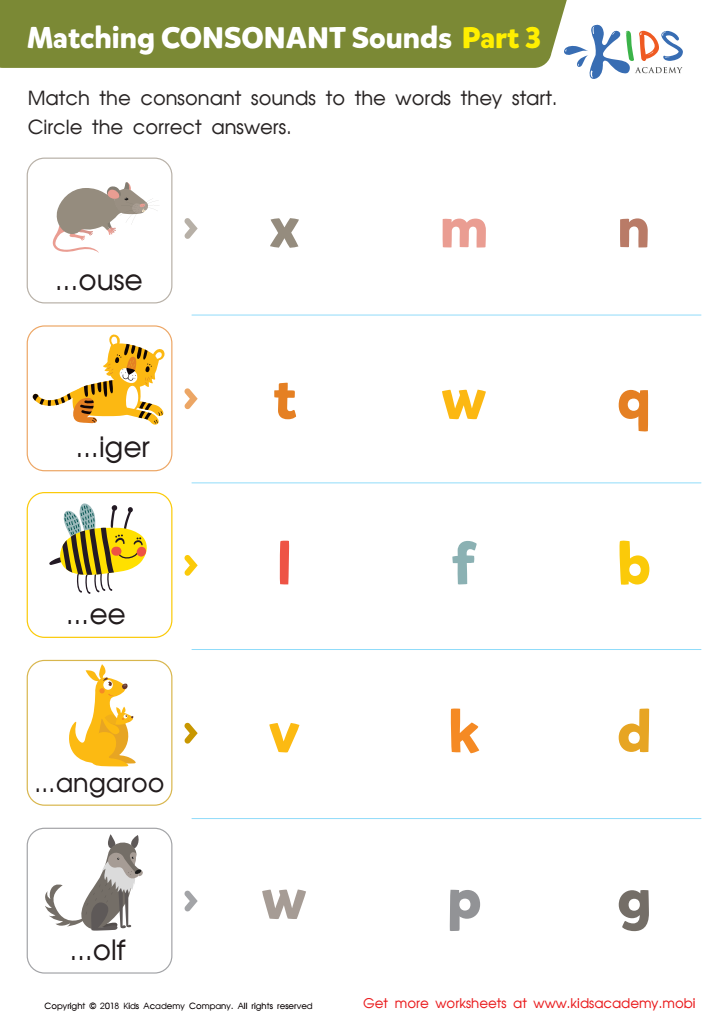
Matching Consonant Sounds: Part 3 Worksheet
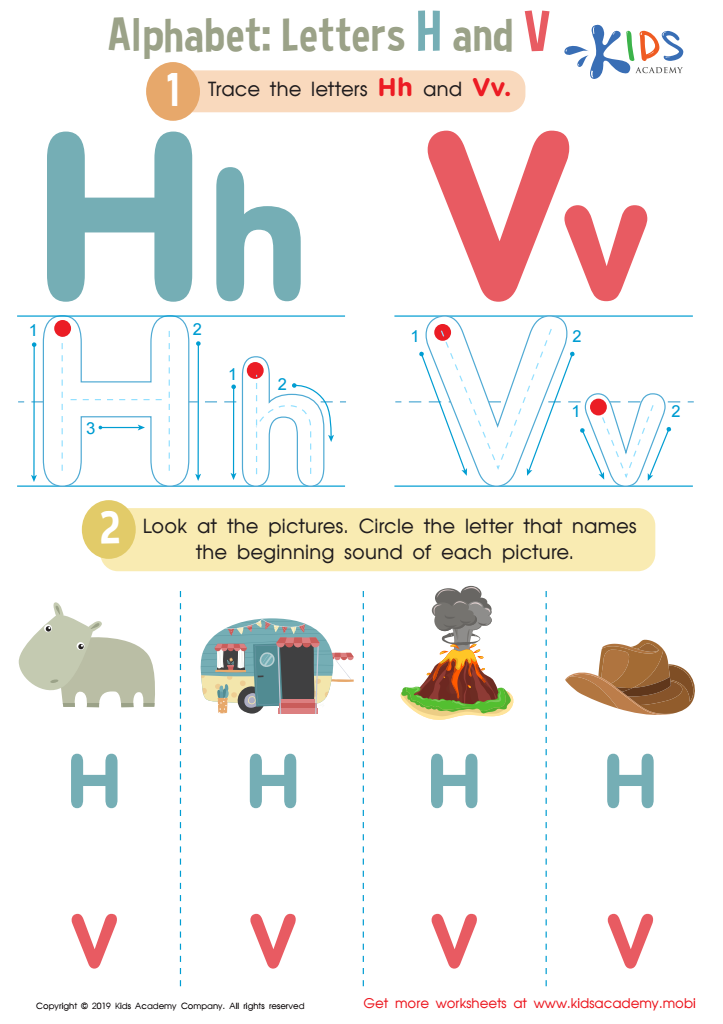
Letters H and V Tracing Worksheet
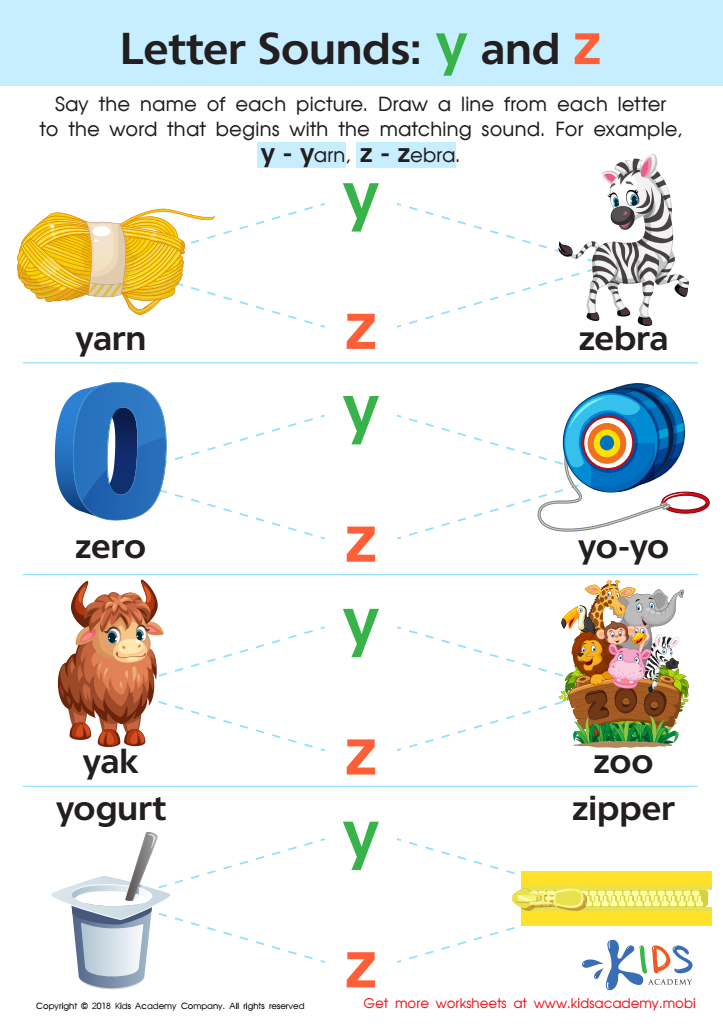
Letter Y and Z Sounds Worksheet






Understanding letter-sound associations is foundational for early literacy and is crucial for children ages 3-5. At this stage, children are highly receptive and begin developing their language and reading skills. When parents and teachers focus on letter-sound associations, they provide the building blocks needed for phonemic awareness, which is vital for decoding words while reading.
First, knowing the sounds that letters represent helps children identify and pronounce written words, considerably enhancing their ability to learn new vocabulary. There is a clear connection between strong letter-sound recognition skills and later reading success. Children who grasp these associations are typically better readers and often show greater enthusiasm and confidence in reading activities.
Second, this skill supports early writing by helping children spell words phonetically. When children understand that letters correspond to sounds, they can better attempt to write down words by breaking them into their sound components.
Finally, educational activities that teach letter-sound associations, such as engaging in playful and interactive phonics games, can make learning enjoyable and effective. These early positive experiences with reading and writing set up a lifelong love for literacy and academic success. For parents and teachers, making letter-sound associations a priority builds a strong foundation for children's future reading and writing endeavors.








