Phonics skills development Worksheets for Ages 3-5
5 filtered results
-
From - To
Discover our engaging "Phonics Skills Development Worksheets for Ages 3-5," designed to lay a strong foundation in early reading and writing. Tailored specifically for preschool to kindergarten children, these fun, interactive worksheets make learning phonics enjoyable and effective. Each activity focuses on essential skills like letter recognition, sound blending, and word formation, helping young learners build confidence and proficiency. Perfect for both classroom instruction and home practice, these worksheets support critical early literacy and promote a lifelong love for reading. Explore our collection and watch your child's phonetic skills flourish!
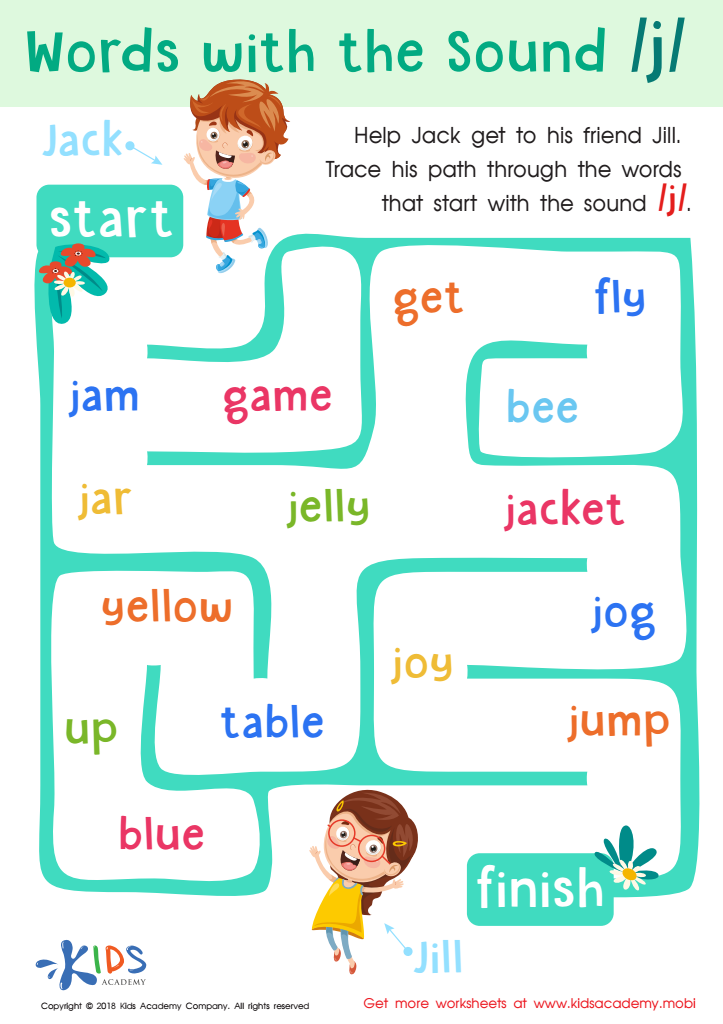
Words with sound j Reading Worksheet
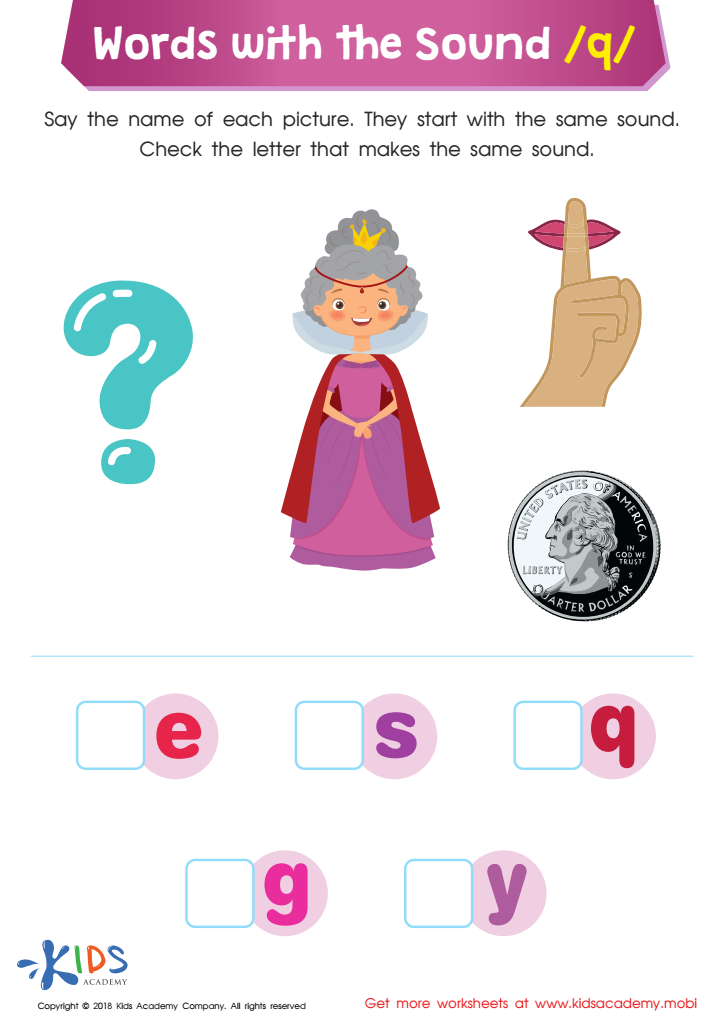
Words with Sound Q Reading Worksheet
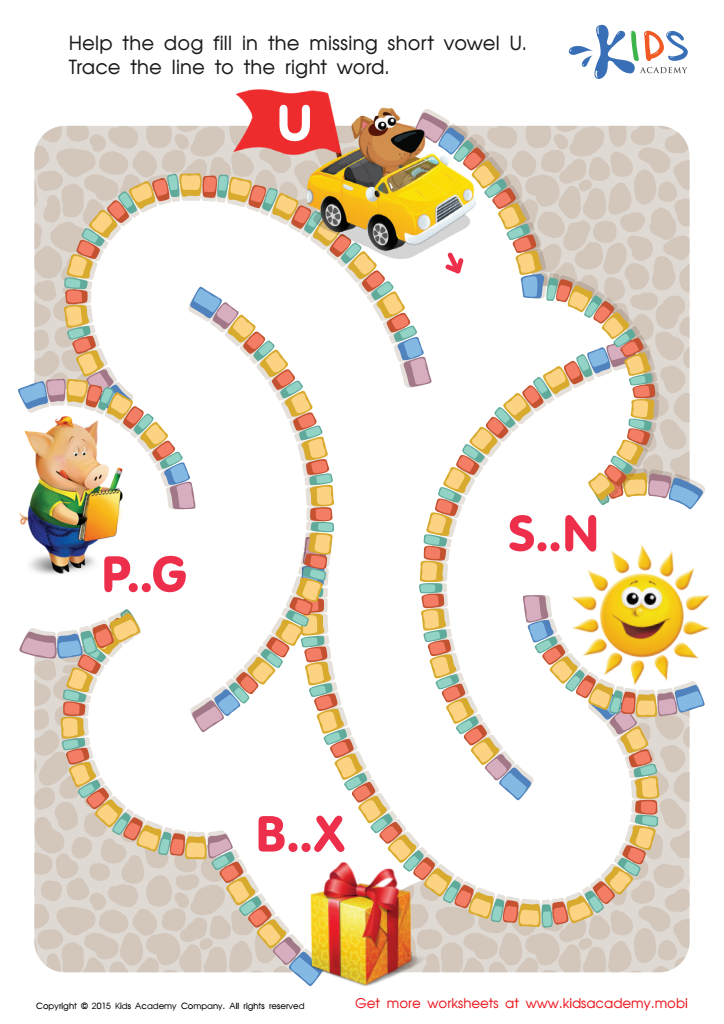
Short Vowel Sound U Worksheet
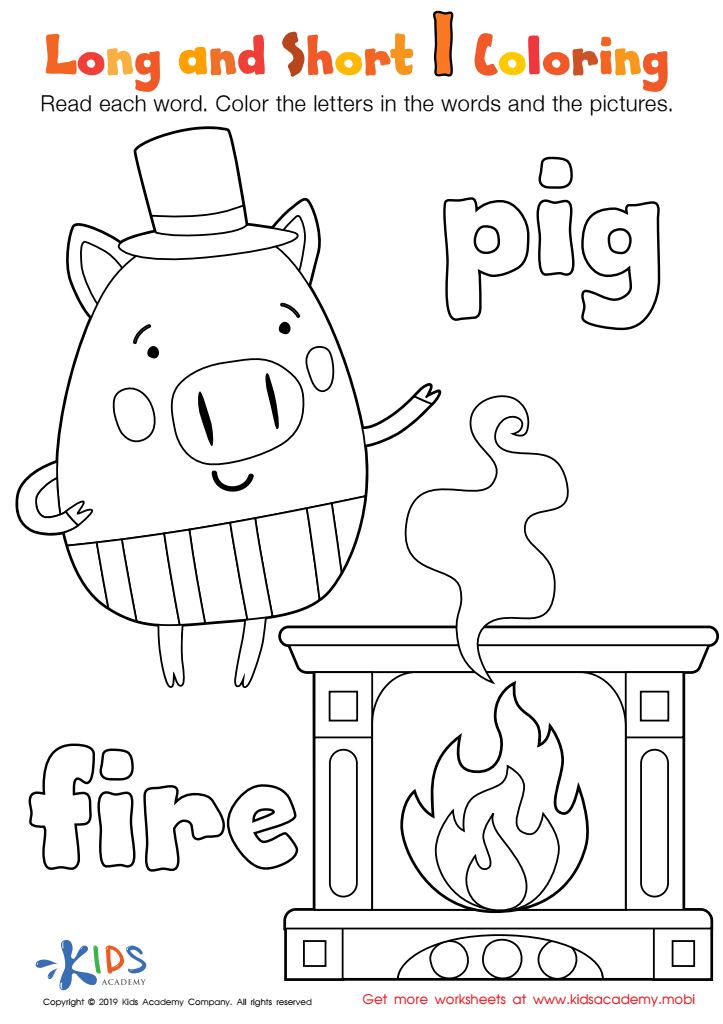
Long and Short I Worksheet
 Assign to My Students
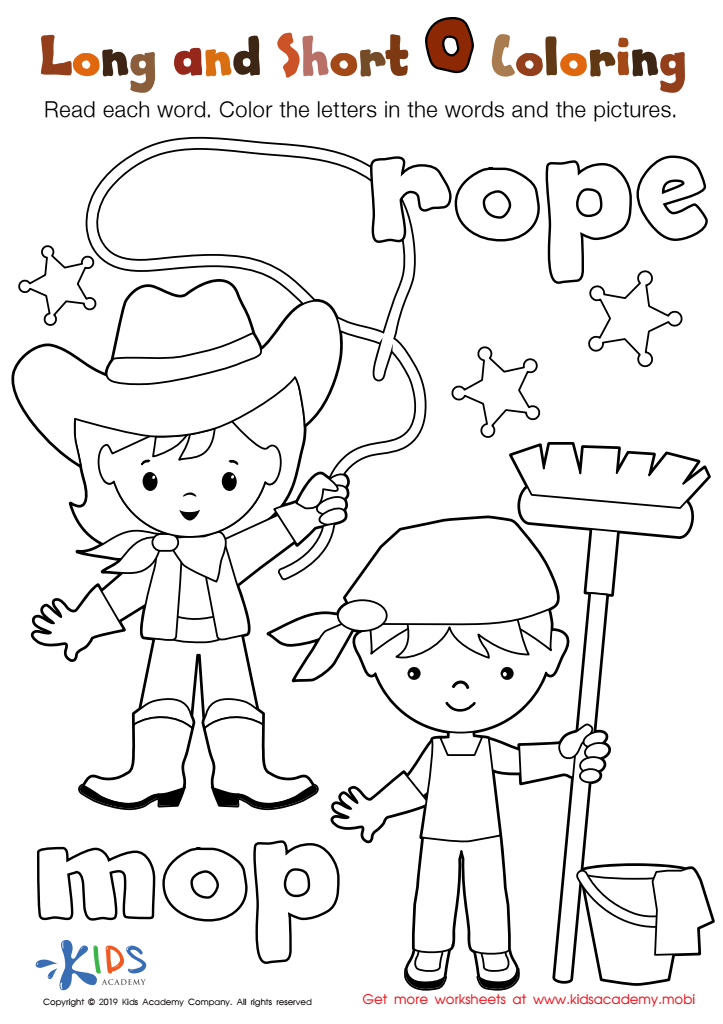
Long and Short O Worksheet
Assign to My Students







Phonics skills development is foundational for children aged 3-5 as it directly impacts their ability to read and write fluently. Phonics instruction teaches the relationships between sounds and letters, helping children decode words, which is an essential step toward literacy. Early mastery of phonics sets the stage for successful reading comprehension, enriching vocabulary, and fostering a love for reading.
Parents and teachers should prioritize phonics because it builds a strong reading base, crucial for academic success. Reading difficulties often stem from weak phonics skills, making early intervention vital. Engaging young children in phonics through playful activities enhances their phonemic awareness, enabling them to recognize sounds within words and blend them together. This foundational skill helps prevent future reading struggles and boosts self-confidence in their ability to read.
Additionally, children who develop robust phonics skills generally find reading more enjoyable and less frustrating. For parents and teachers, nurturing these skills means providing children with a toolset to explore new worlds through books, thus encouraging continuous learning and curiosity. Early phonics education not only equips children with fundamental academic skills but also contributes to their overall cognitive and language development, paving the way for long-term academic and life success.








