Problem-solving abilities Worksheets for Ages 3-5 - Page 2
34 filtered results
-
From - To
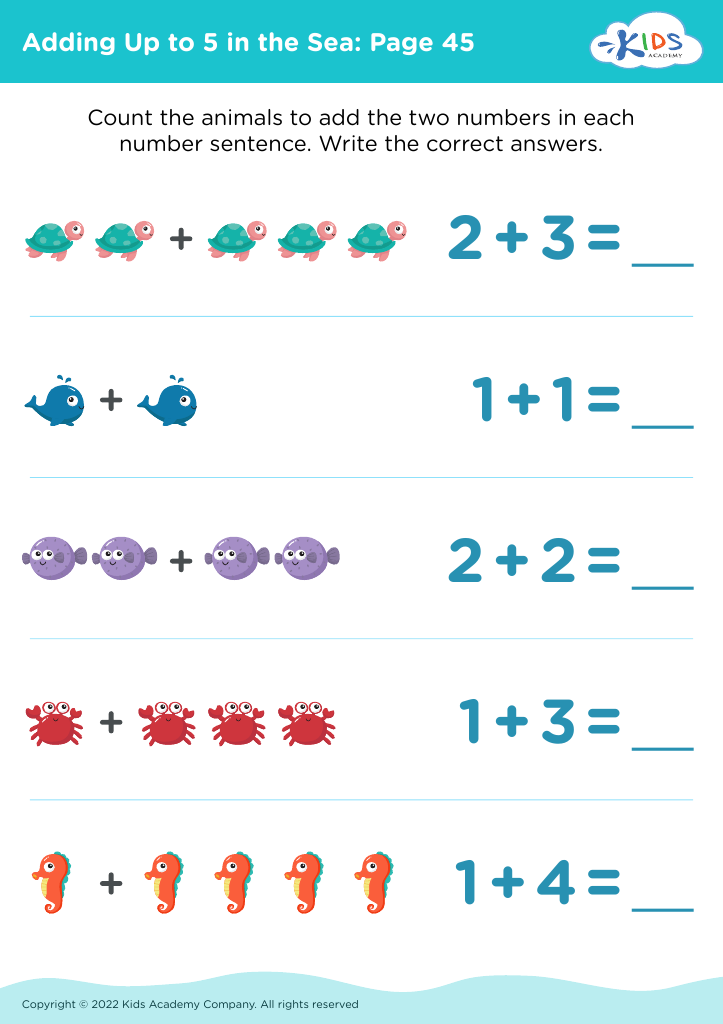
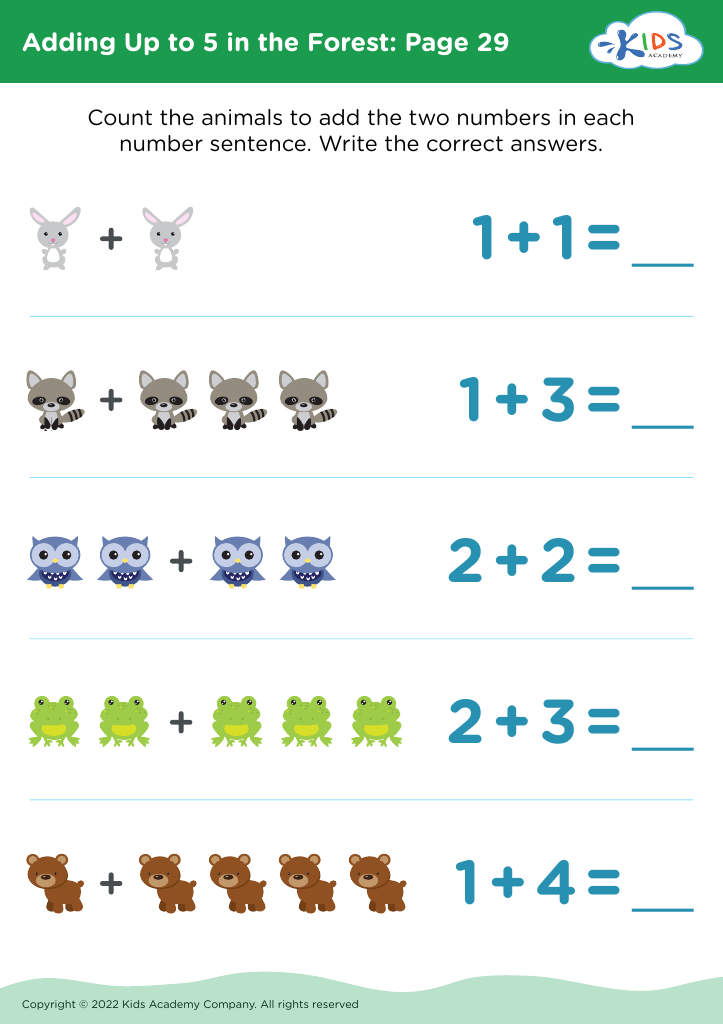

Sweet Shop – Counting Coins Worksheet
 Assign to My Students
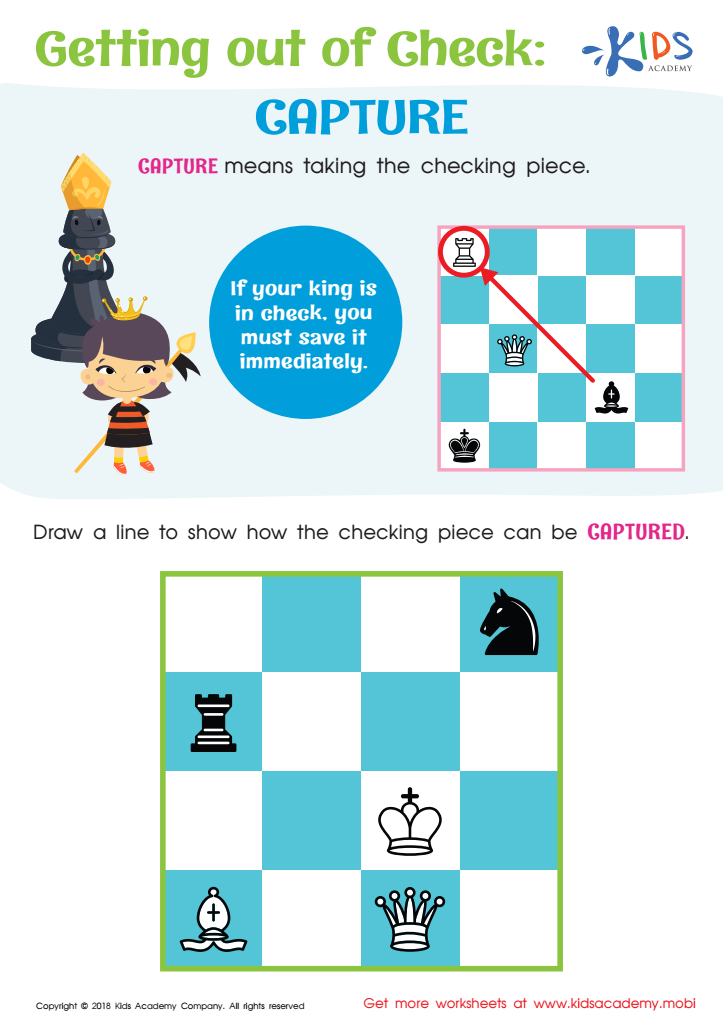
Getting out of Check: Capture

Sudoku Worksheet
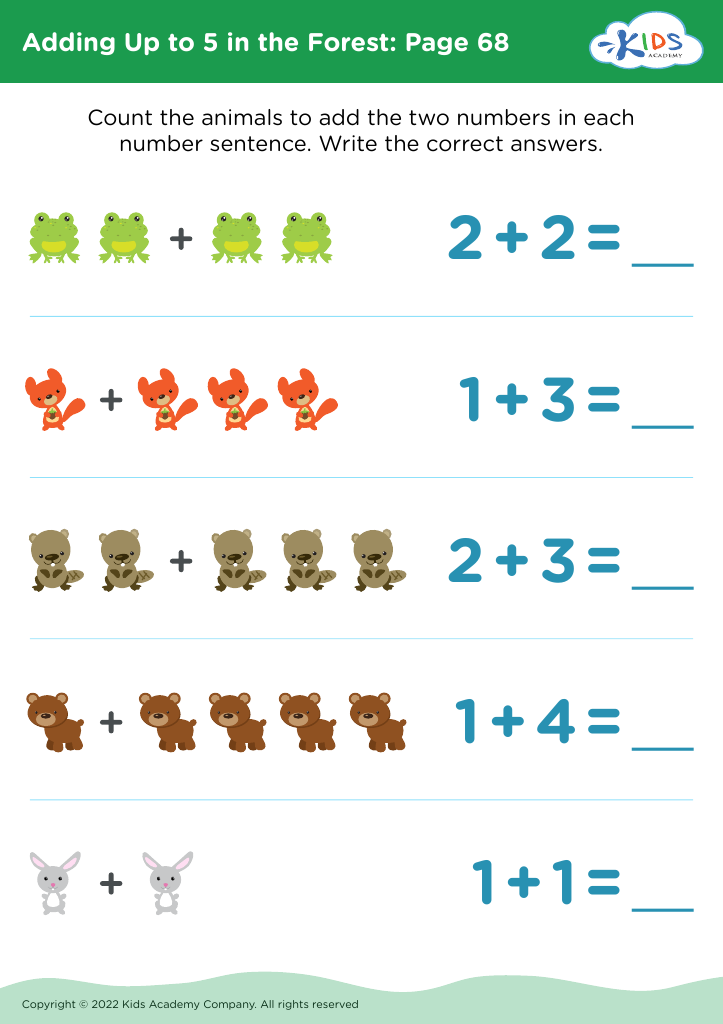
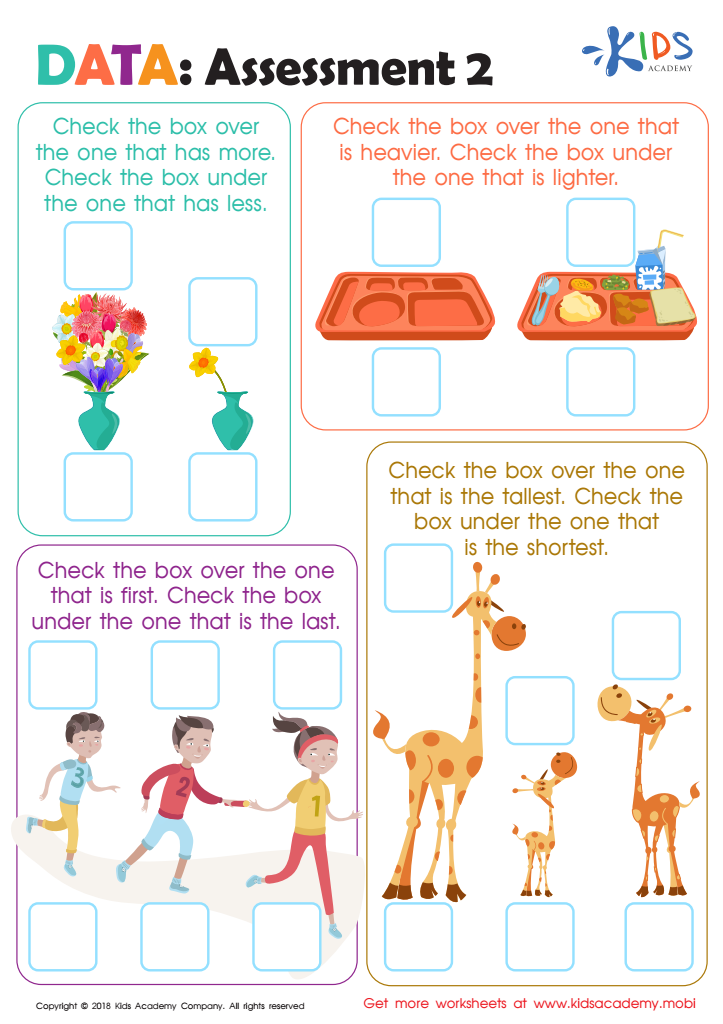
Data: Assessment 2 Worksheet
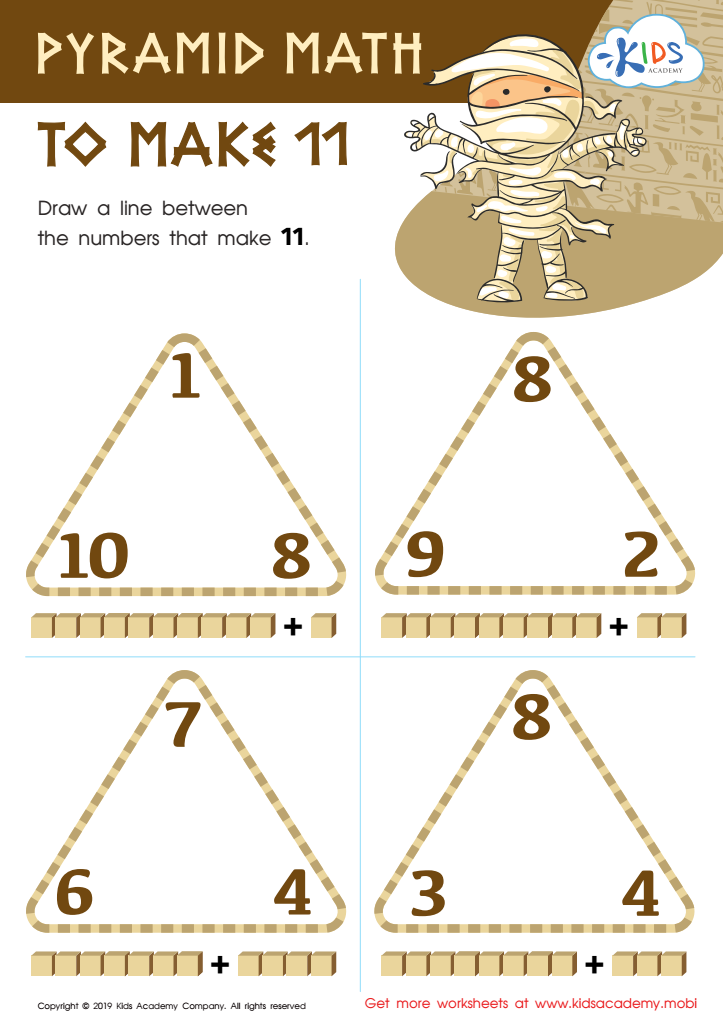
Pyramid Math to Make 11 Worksheet
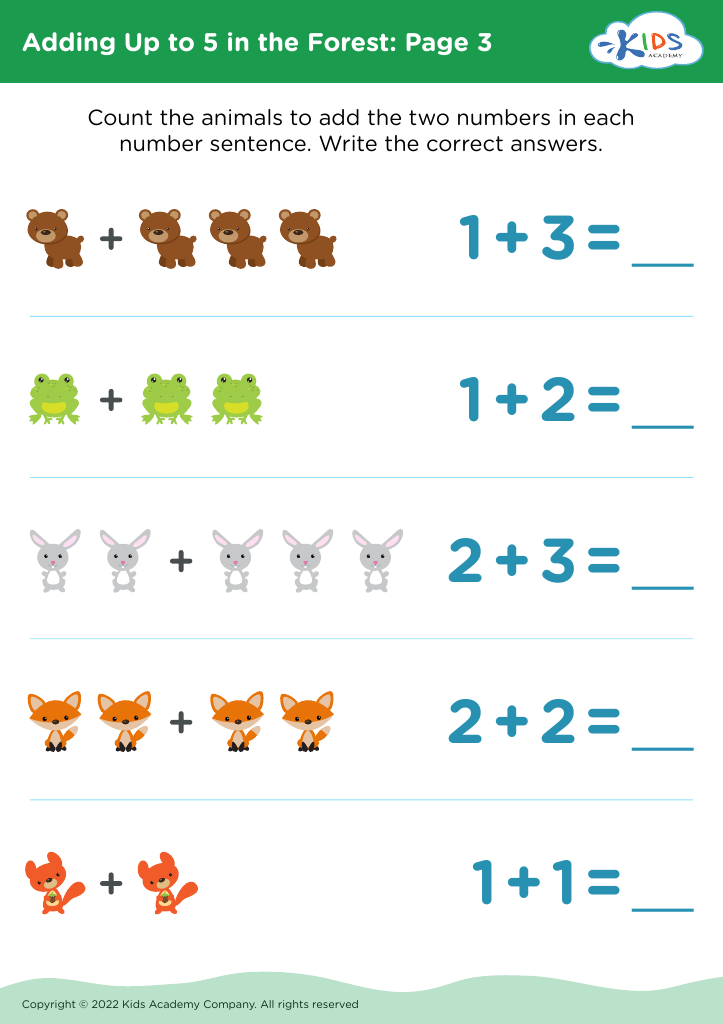







.jpg)
Problem-solving abilities are essential for children ages 3-5 as they provide the foundation for future cognitive and social development. At this developmental stage, children's brains are highly adaptable, making it a crucial period for fostering critical thinking skills. When children engage in problem-solving activities, they learn how to analyze situations, think creatively, and develop effective strategies. This helps improve their intellectual abilities and resilience.
Encouraging problem-solving also supports language development, as children learn to express their thoughts, reasons, and understanding. Through collaborative problem-solving tasks in early childhood education, children enhance their communication skills and vocabulary. Additionally, early problem-solving experiences teach children patience and persistence, valuable life skills that contribute to personal and academic success.
Social interactions are enriched when children work together to solve problems, developing skills such as empathy, cooperation, and conflict resolution. These skills form the basis for healthy relationships in both personal and academic contexts.
Parents and teachers who invest time and effort into nurturing these capabilities help children develop a growth mindset. This educational philosophy promotes perseverance and adaptability, laying the groundwork for lifelong learning. By encouraging problem-solving in young children, we equip them with the tools they need to navigate a complex world, setting them on a path toward confident and capable adulthood.








