Problem-Solving Skills Worksheets for Ages 3-5 - Page 8
177 filtered results
-
From - To
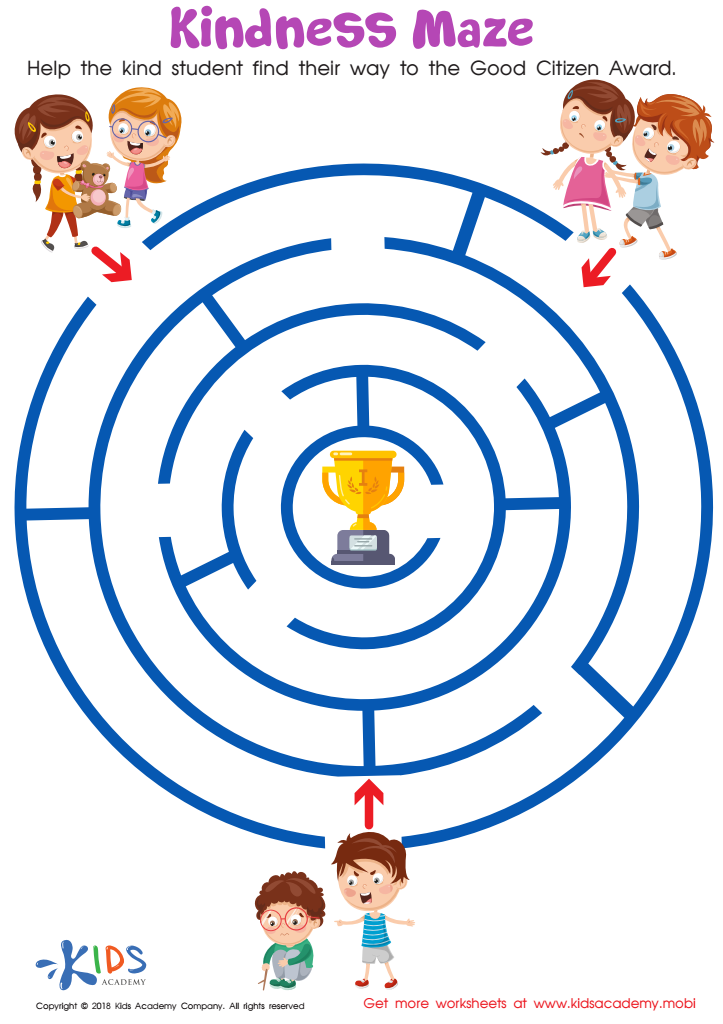
Kindness Maze Worksheet
 Assign to My Students


.jpg)





Problem-solving skills are essential for children aged 3-5, laying the foundation for lifelong learning and adaptability. During these formative years, children are naturally curious and eager to explore. By fostering problem-solving skills, parents and teachers can help cultivate critical thinking, creativity, and resilience.
At this age, children encounter various simple challenges, such as puzzles, sharing toys, or navigating friendships. Engaging them in these situations encourages them to think thoughtfully about solutions, enhancing cognitive development. This skill set empowers children to approach problems with confidence, developing a “can-do” attitude that will serve them well in later educational contexts and real-life situations.
Moreover, problem-solving encourages collaboration and communication, promoting social skills and emotional intelligence. When children work together to solve disputes or share ideas, they learn to express themselves, listen to others, and empathize with different perspectives.
Investing in the development of problem-solving skills during early childhood supports not just academic success, but also equips children with the tools necessary for tackling challenges throughout their lives. Thus, parents and teachers have a vital role in nurturing these skills, ensuring that children grow into adaptable, resilient individuals ready to face an ever-changing world.








