Recognizing Patterns Worksheets for Ages 3-5
6 filtered results
-
From - To
Discover our engaging "Recognizing Patterns Worksheets for Ages 3-5", designed to nurture your child’s early learning skills. These printables make it fun for young learners to explore repeating sequences, enhancing their cognitive abilities and critical thinking. Ideal for preschool and kindergarten tots, our worksheets feature visually appealing and simple activities that make pattern recognition intuitive and exciting. Each worksheet encourages hands-on learning and gradual skill development, providing a solid foundation for math and logic. Help your child identify and anticipate patterns effortlessly while enjoying a playful and educational experience. Start now to boost their confidence and curiosity!
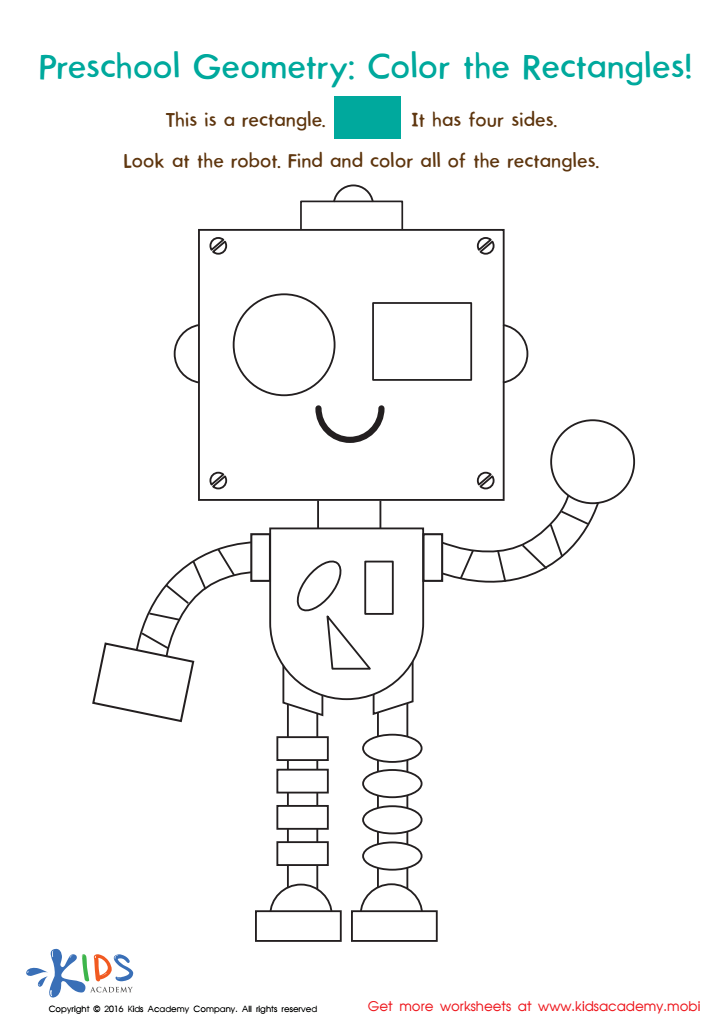
Geometry Worksheet
 Assign to My Students
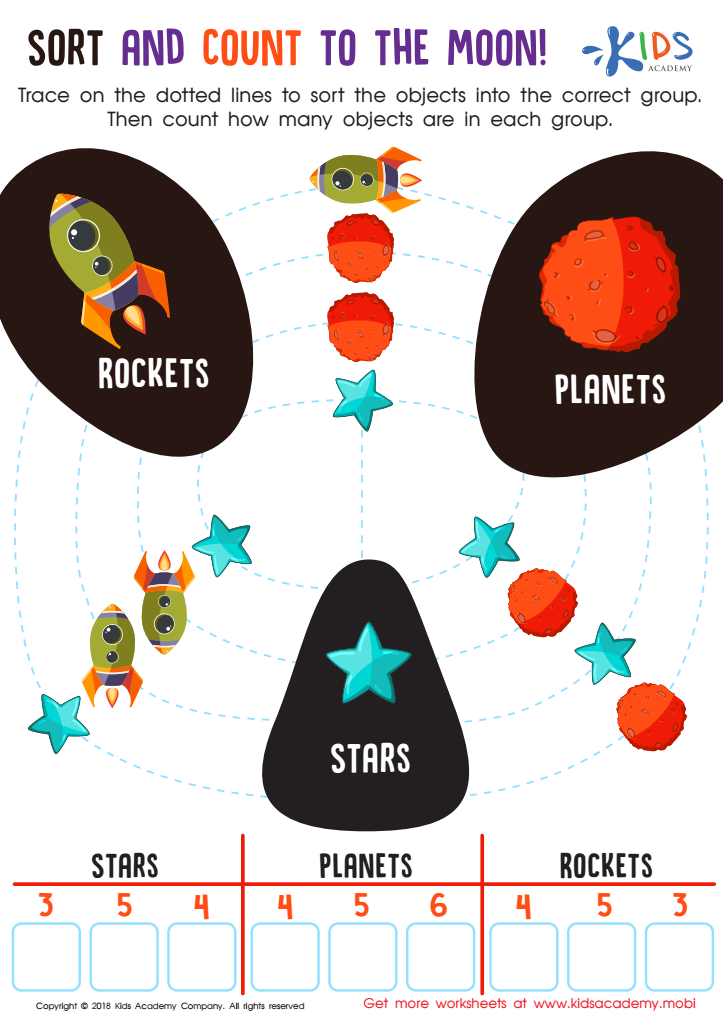
Sort and Count to the Moon Worksheet
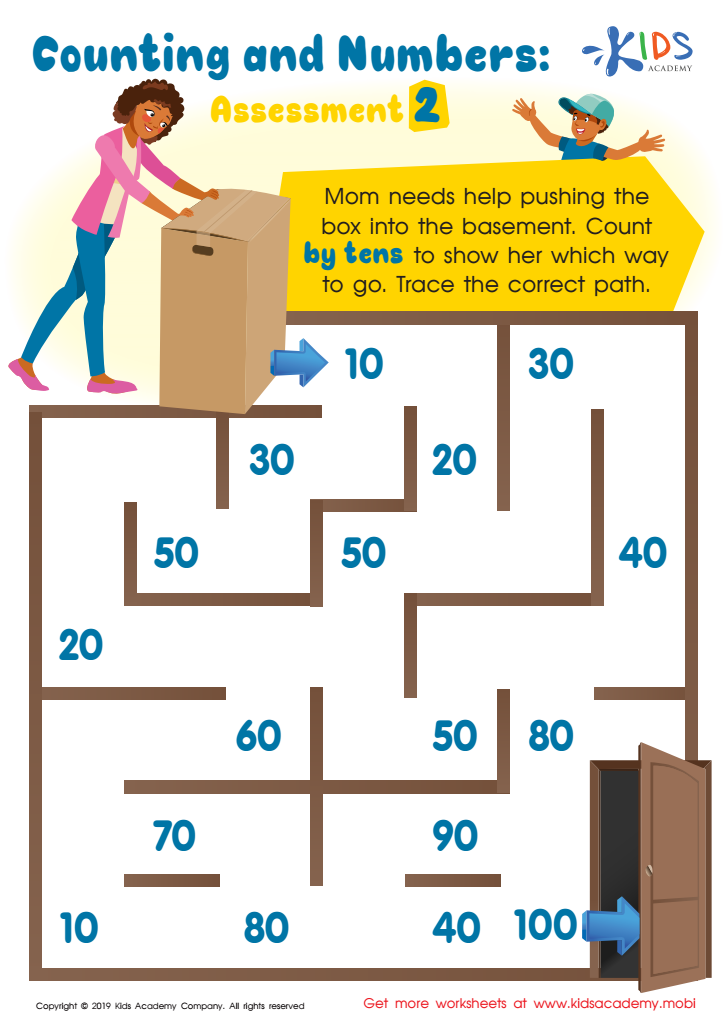
Counting and Numbers: Assessment 2 Worksheet
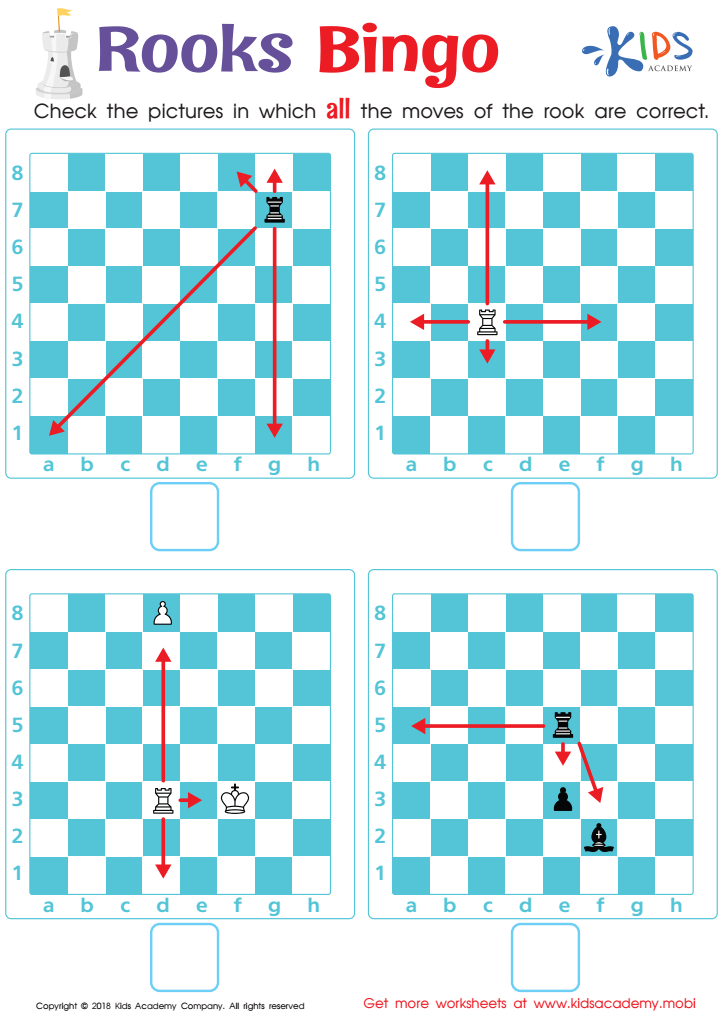
Rooks Bingo Worksheet
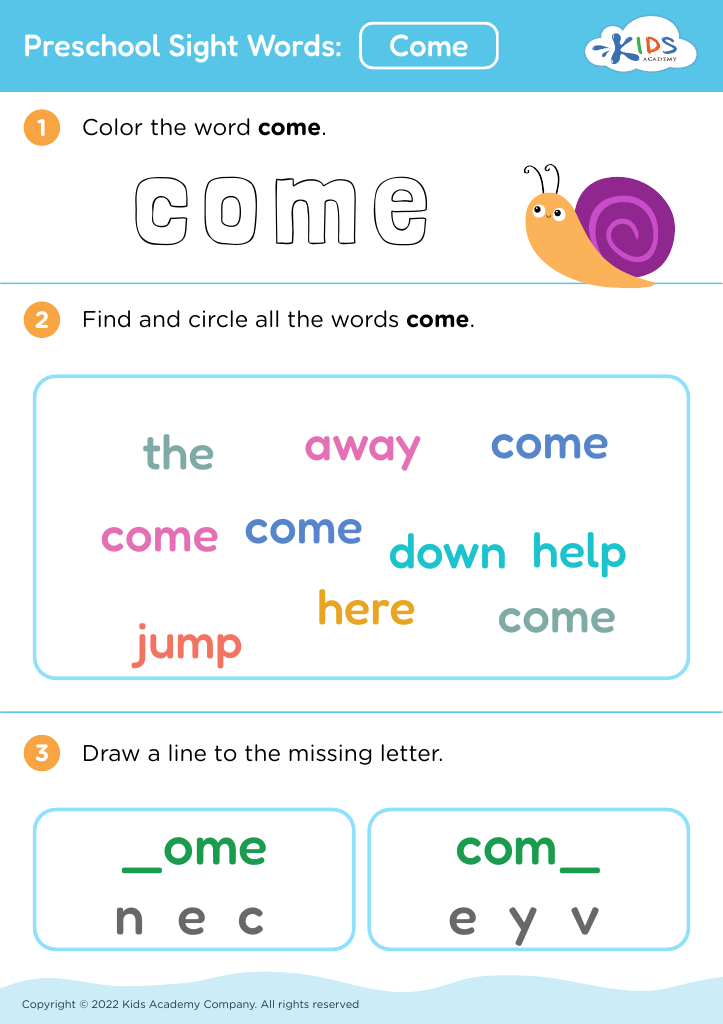
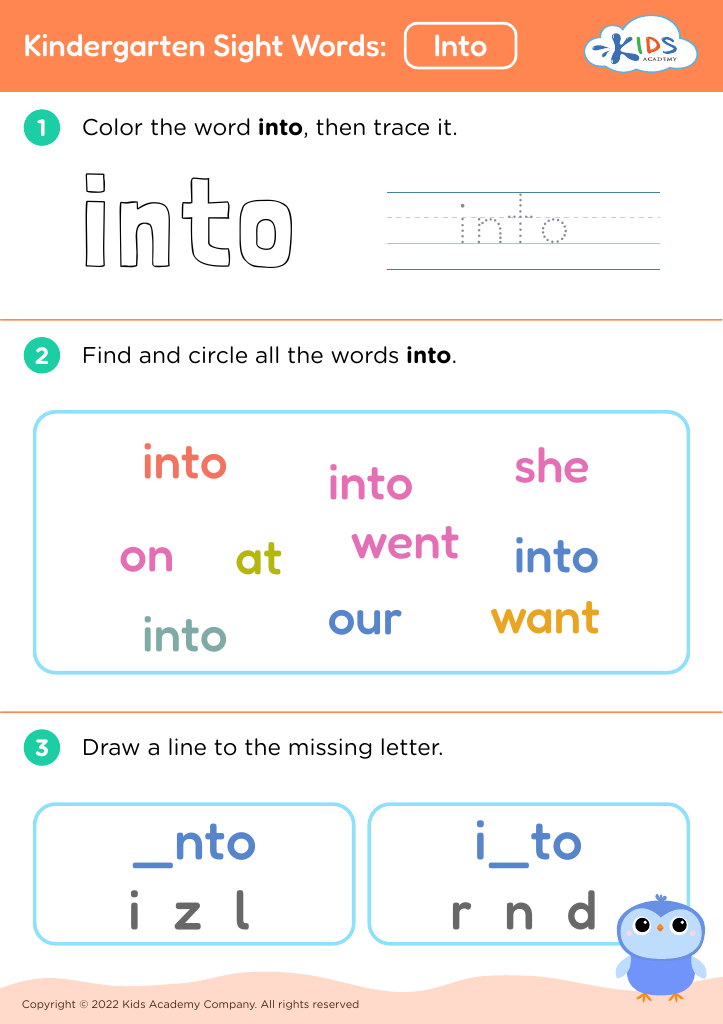








Recognizing patterns is a fundamental skill for young children, essential for cognitive development and future academic success. For ages 3-5, engaging in activities that develop pattern recognition can lay a strong foundation for critical thinking, problem-solving, and mathematical understanding.
Firstly, patterns help children make predictions based on their observations, fostering their ability to understand the world around them. Recognizing patterns enhances their memory and ability to sequence events, which is crucial for following routines and instructions. Being able to identify and predict sequences of events or objects sets the groundwork for learning mathematical concepts such as counting, addition, subtraction, and understanding time.
Furthermore, patterns are not only relevant to math but are also intertwined with literacy skills. Recognizing common patterns in words and rhythms of language can significantly aid early reading and writing. This kind of skill helps children recognize word patterns, rhyming, and structure, which are integral parts of learning to read and write.
Educational activities involving pattern recognition, like sorting objects by color or shape, completing sequences, or building with blocks, are not just fun but pivotal for developmental milestones. Therefore, parents and teachers should prioritize these activities to support well-rounded growth and set the stage for future academic learning and everyday problem-solving skills.








