Spatial awareness Worksheets for Ages 3-5 - Page 2
29 filtered results
-
From - To
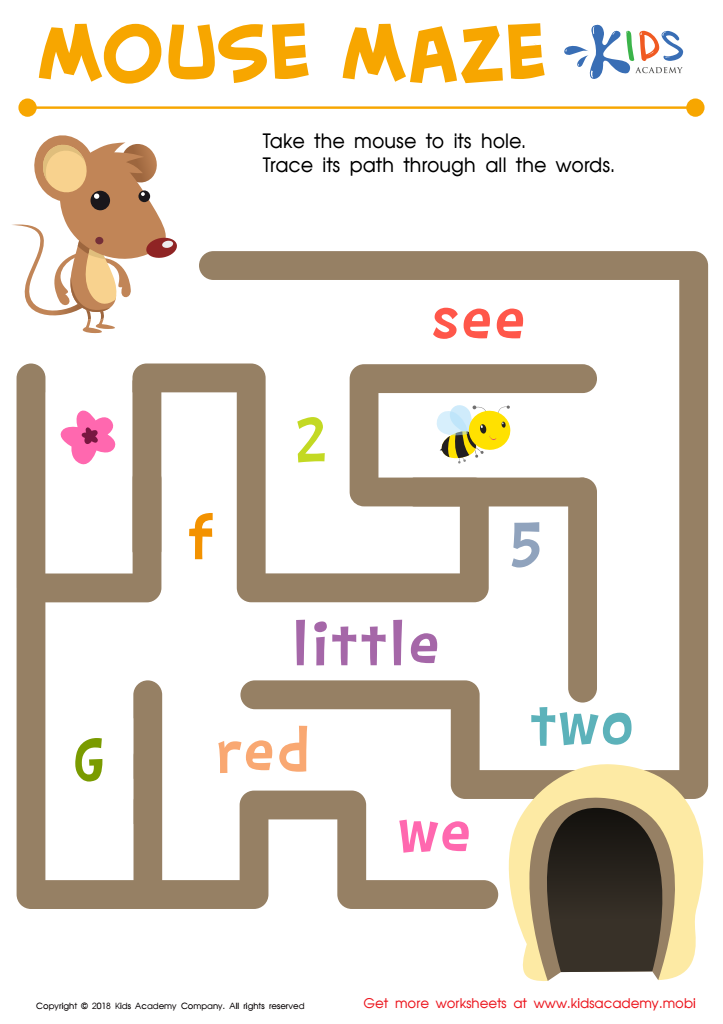
Find Words Mouse Maze Worksheet
 Assign to My Students
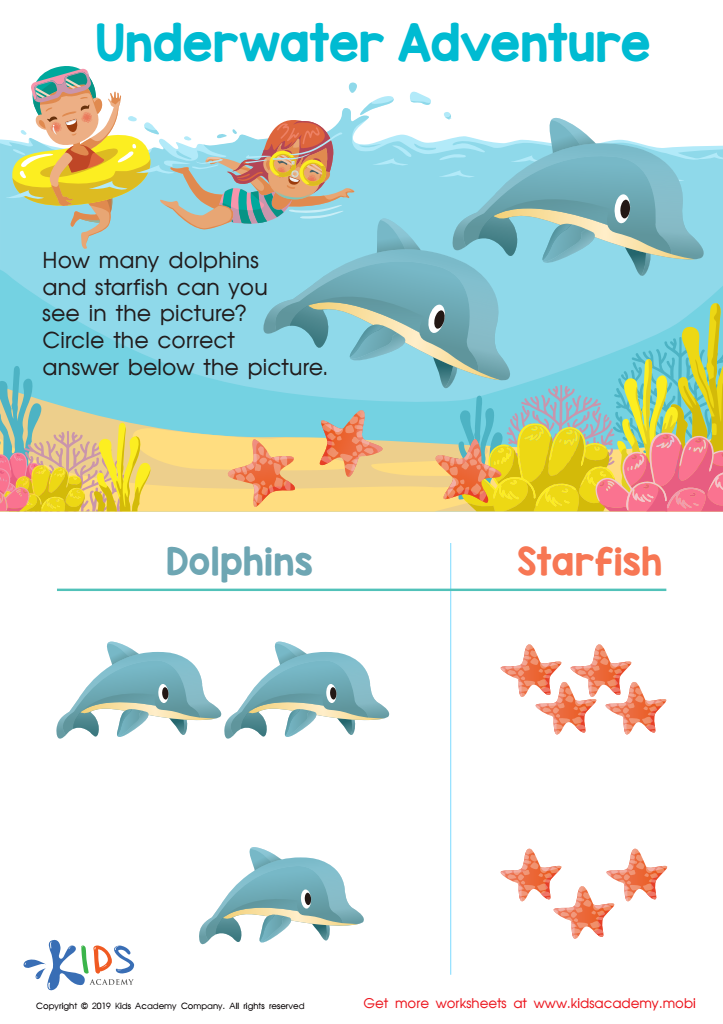
Underwater Adventure Worksheet
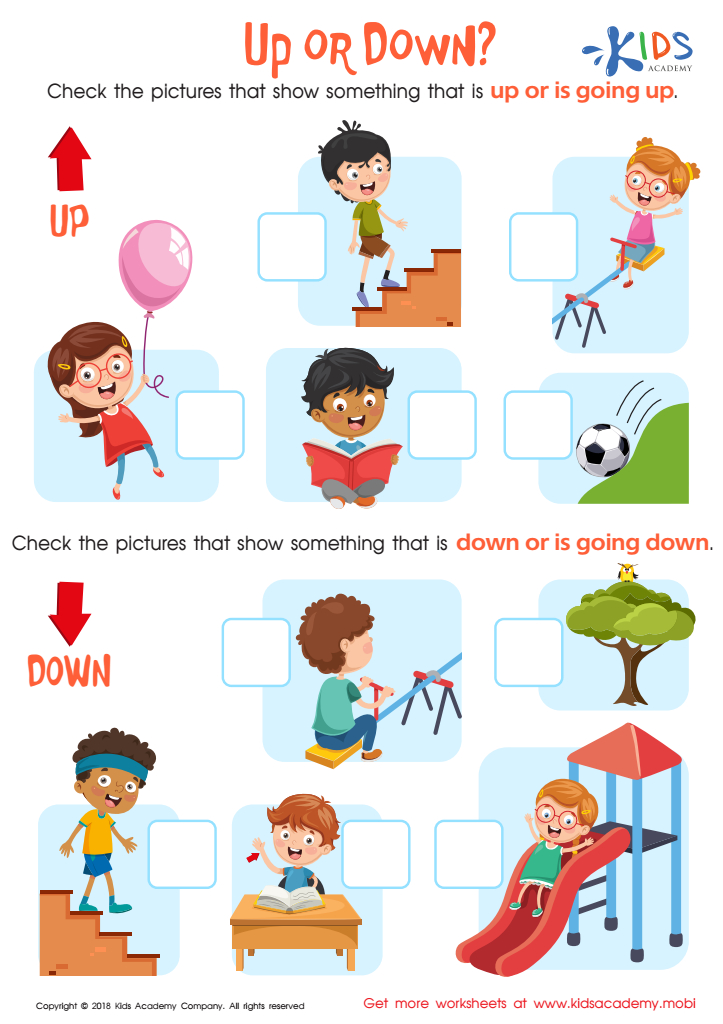
Up or Down Worksheet
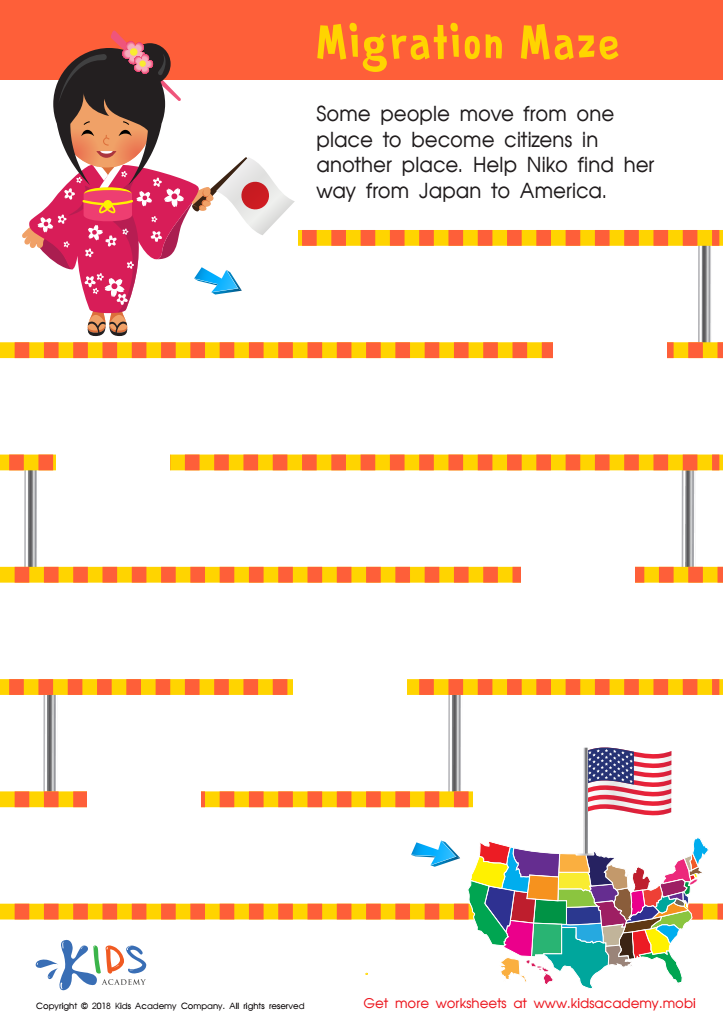
Migration Maze Worksheet
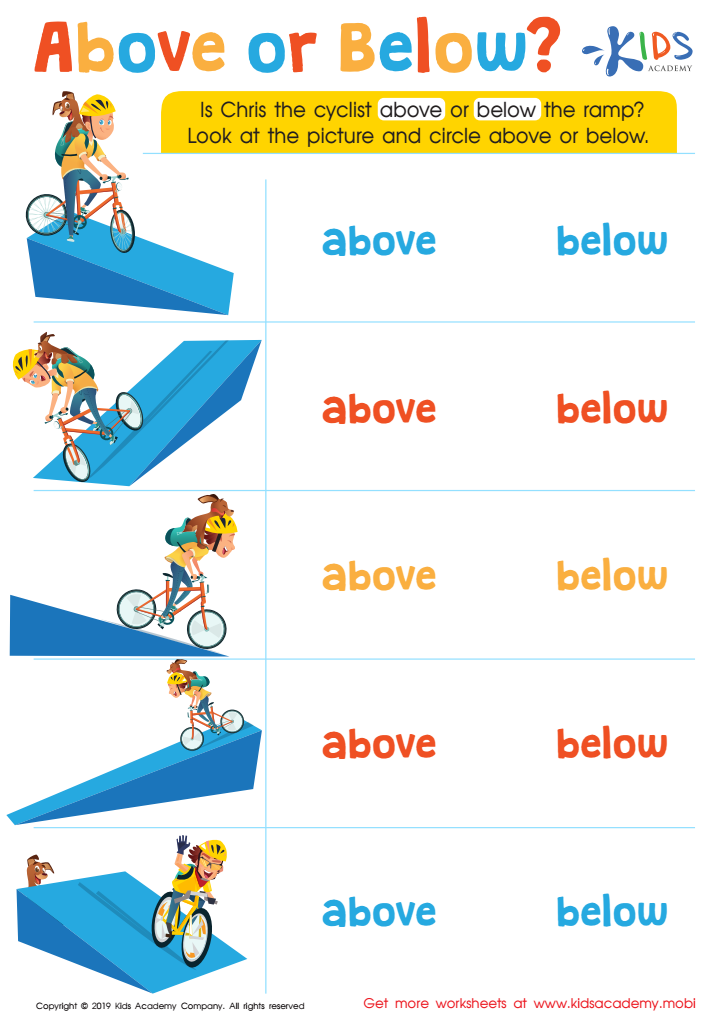
Above or Below? Worksheet








Spatial awareness is crucial for children aged 3-5 as it lays the foundation for essential life skills and cognitive development. At this early stage, children are developing their ability to understand the position and relationship of objects in space. This skill is important not just for spatial reasoning but is intertwined with concepts in math and science. For instance, recognizing shapes, sizes, and distances becomes vital later in life, influencing everything from geometry to navigation.
Parents and teachers should care about spatial awareness because it promotes coordination and motor skills. Activities that enhance spatial awareness, such as building blocks, puzzles, and outdoor play, encourage physical movement and interaction with the environment, fostering healthy development. Additionally, these activities stimulate cognitive skills like problem-solving and critical thinking.
Moreover, enhances early literacy skills as children learn directions (like left and right) and spatial vocabulary (like above, below, beside), which aid in reading comprehension later on. Ultimately, integrating spatial awareness into daily activities prepares children for academic success and equips them with the necessary tools to navigate their world effectively. By recognizing its importance, caregivers can curate experiences that promote enriched learning and development, benefiting children both now and in their future educational journeys.








