
Understanding number values Worksheets for Ages 3-5
3 filtered results
Difficulty Level
Grade
Age
-
From - To
Subject
Activity
Standards
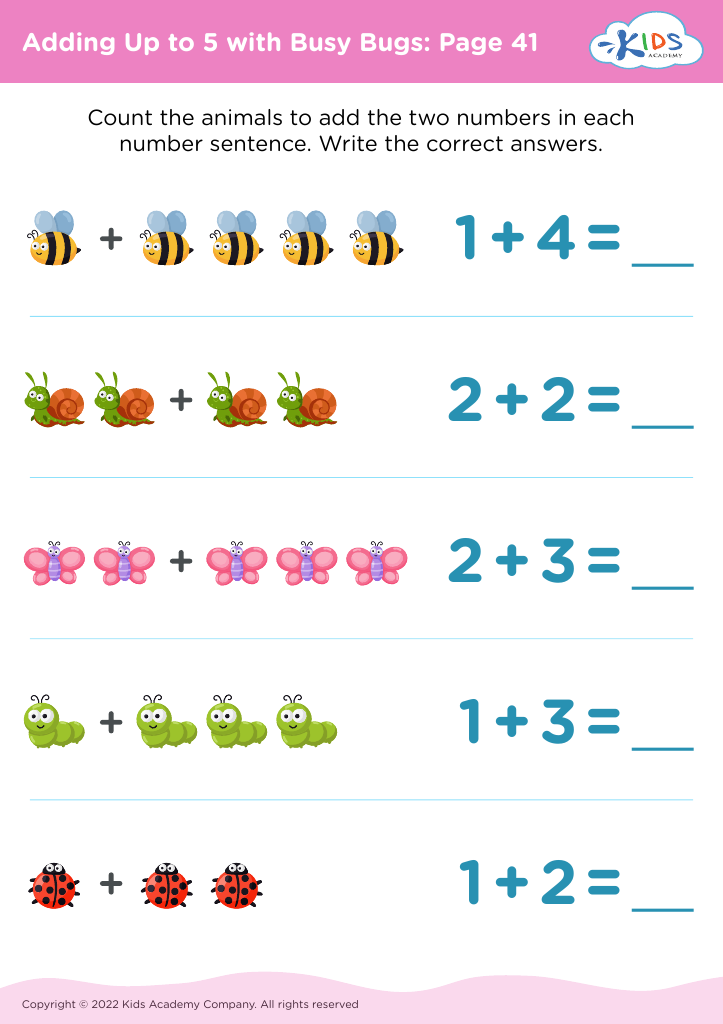
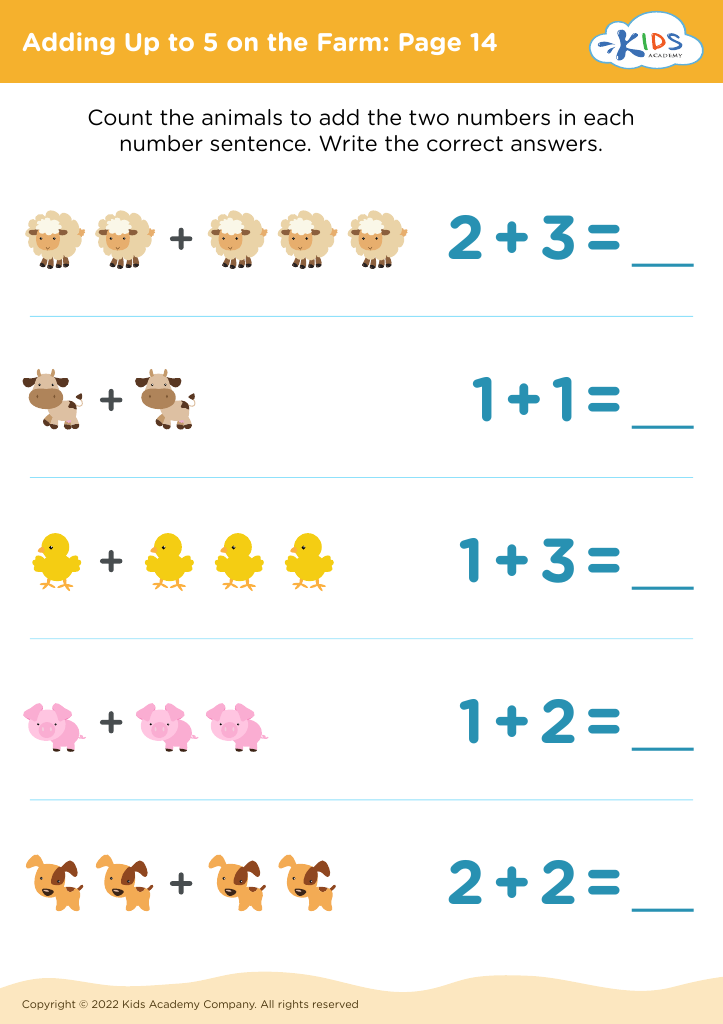
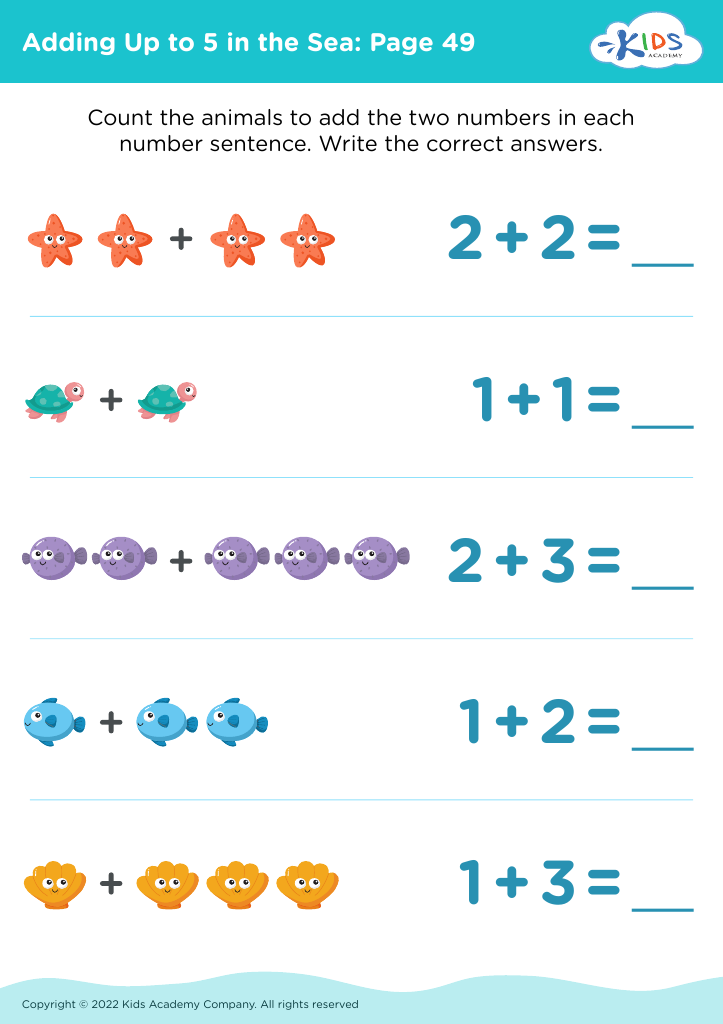
Explore our engaging "Understanding Number Values Worksheets" designed for children aged 3-5! These interactive worksheets provide young learners with a fun way to develop their foundational math skills through colorful visuals and age-appropriate activities. Each worksheet encourages children to recognize, compare, and understand numbers in various forms, promoting early numeracy and critical thinking. Perfect for both home and classroom use, our resource aims to make learning numbers an enjoyable experience. Help your little ones build confidence in their math abilities while preparing them for future learning challenges. Start their adventure in understanding number values today!
Favorites
With answer key
Interactive
Join Kids Academy for Free
Who is primarily going to use this learning content?







Understanding number values is crucial for children aged 3 to 5 as it forms the foundation for their future mathematical learning. During these formative years, children begin to grasp basic concepts of quantity, counting, and the relationship between numbers and objects. Early exposure to number values helps enhance cognitive skills, encouraging logical thinking and problem-solving abilities.
For parents and teachers, fostering a strong understanding of number values can lead to improved academic performance in later years. Children who develop these skills early are more likely to excel in mathematics, which is a critical subject across all areas of study. Engaging children in activities that promote number recognition, counting, and simple addition or subtraction fosters an environment where they feel confident and eager to learn.
Moreover, understanding number values helps children make sense of their world, allowing them to recognize patterns and make decisions based on quantifiable information. Everyday experiences, such as sharing snacks or dividing toys, become invaluable learning opportunities. By prioritizing number value comprehension in early childhood education, parents and teachers empower children to build a strong mathematical foundation that supports their lifelong learning journey and instills a love for numbers and problem-solving from an early age.








