Understanding numbers Worksheets for Ages 3-5
4 filtered results
-
From - To
Explore our "Understanding Numbers Worksheets for Ages 3-5," designed to help your little learners grasp fundamental math skills in a fun and engaging way. These carefully crafted worksheets introduce children to essential concepts such as number recognition, counting, and basic addition. With colorful illustrations and interactive activities, your child will develop a strong foundation in numeracy while enhancing hand-eye coordination and fine motor skills. These resources are perfect for preschool and kindergarten children, making learning enjoyable and effective. Dive into our collection today and watch your child's confidence and excitement for numbers grow! Access printable worksheets and foster early math skills now!
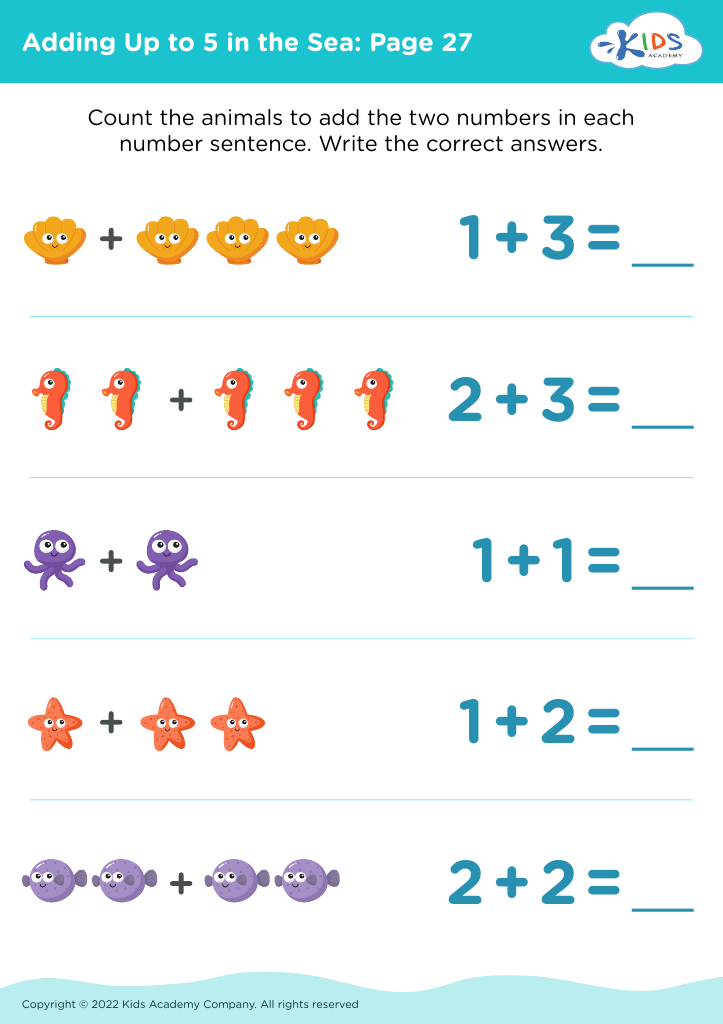
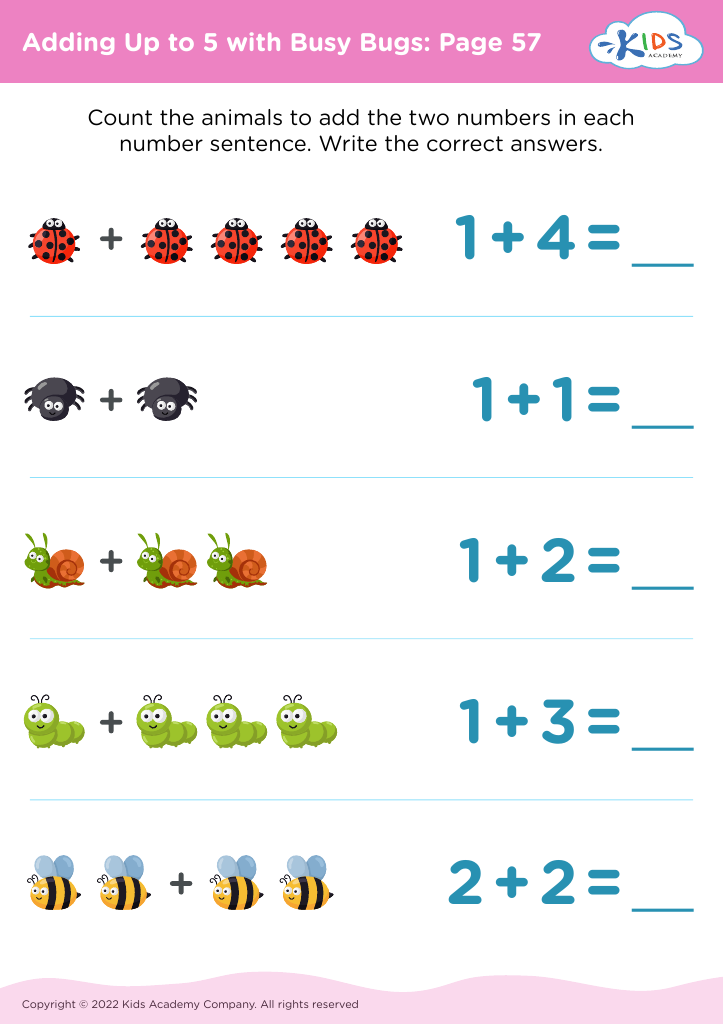
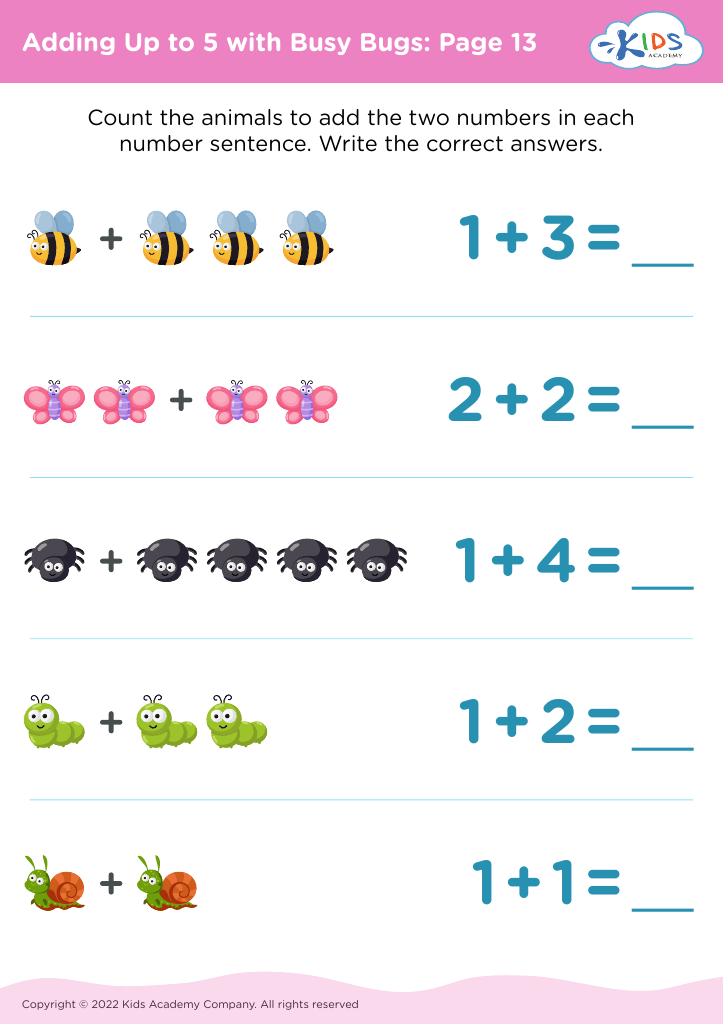
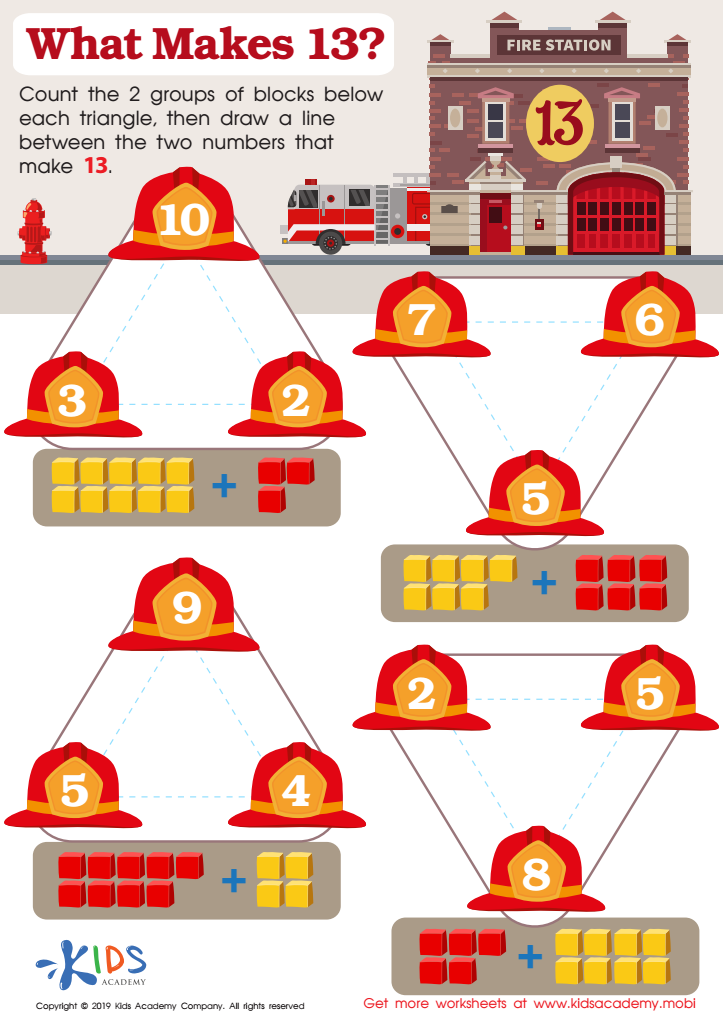
What Makes 13 Worksheet
 Assign to My Students








Understanding numbers is a fundamental skill for children ages 3-5, serving as the building block for their future academic and life success. During these formative years, young children begin to develop numerical recognition and simple counting skills, which are crucial for advanced math concepts later on. Parents and teachers should prioritize this area of development because early mathematical understanding directly correlates with later achievement in math.
When children grasp basic number concepts, they enhance cognitive development, critical thinking, and problem-solving abilities. Furthermore, numerical literacy encourages the development of spatial awareness, pattern recognition, and logical reasoning, all essential skills in everyday life and various academic subjects.
Engaging with numbers during this age promotes a positive attitude toward learning and math. Parents and teachers can create a supportive environment where children feel encouraged to explore and express their understanding of math, fostering a love for learning.
Ultimately, early numerical understanding builds a strong foundation for future educational experiences, equipping children with skills that empower them to succeed in school and beyond. Therefore, parents and teachers play a vital role in shaping these early experiences.








