
Cognitive Development Addition Facts Worksheets for Ages 3-5
3 filtered results
Difficulty Level
Grade
Age
-
From - To
Subject
Activity
Standards
Enhance your child's cognitive development with our fun and engaging Addition Facts Worksheets, designed specifically for ages 3-5. These expertly crafted worksheets help young learners grasp basic addition concepts, promoting critical thinking and problem-solving skills. Through colorful visuals and interactive exercises, children build a solid math foundation while enjoying the learning process. Perfect for parents and educators looking to support cognitive growth, our worksheets foster a love for math and prepare little minds for future academic success. Start your child's math journey today with our carefully curated addition facts worksheets!
Favorites
With answer key
Interactive
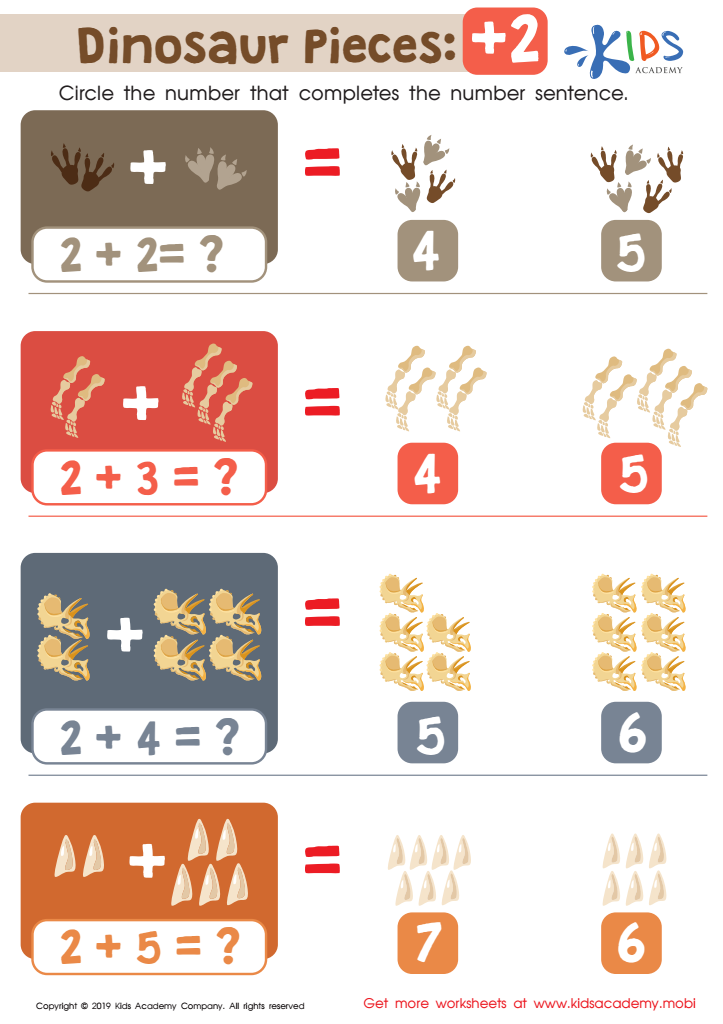
Dinosaur Pieces: +2 Worksheet
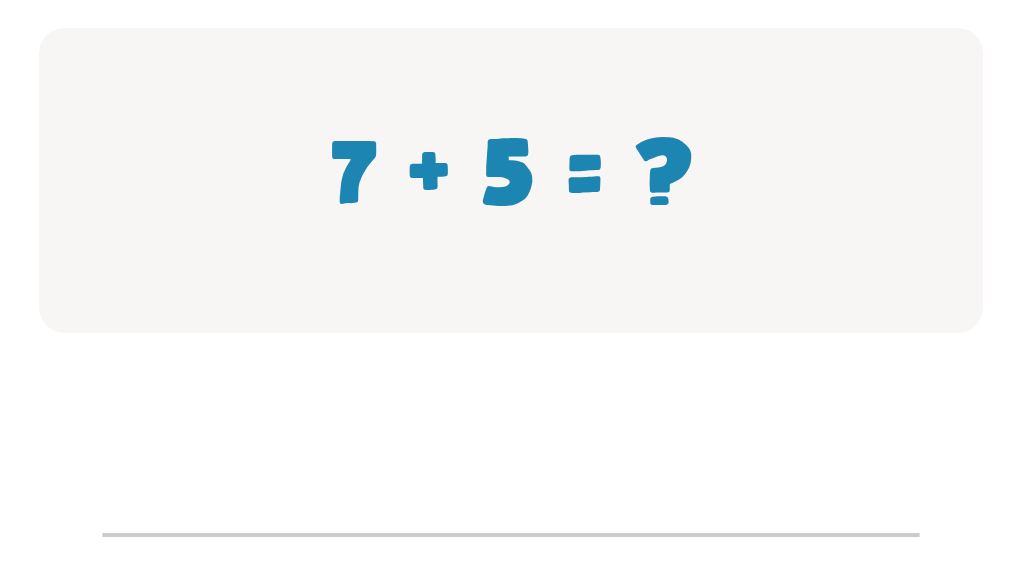
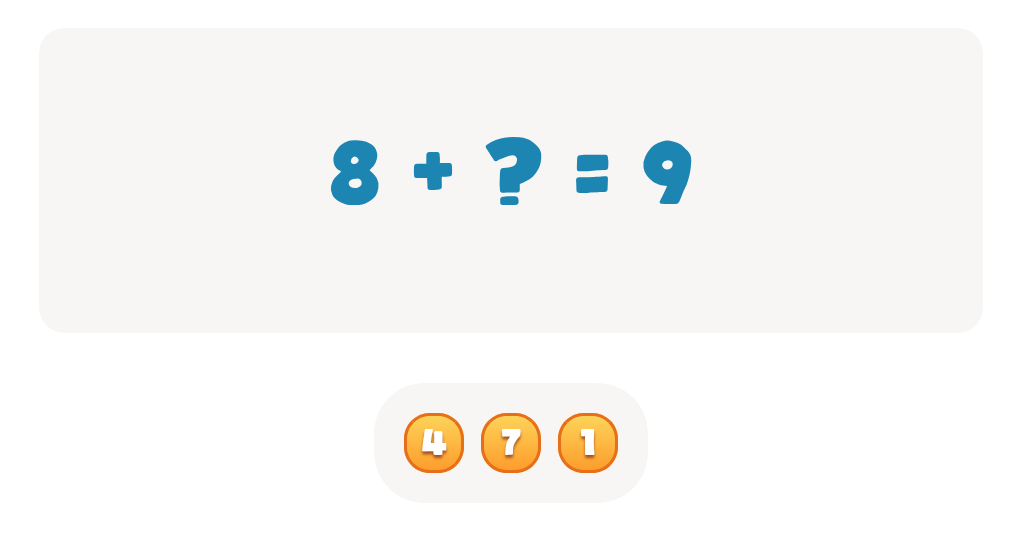
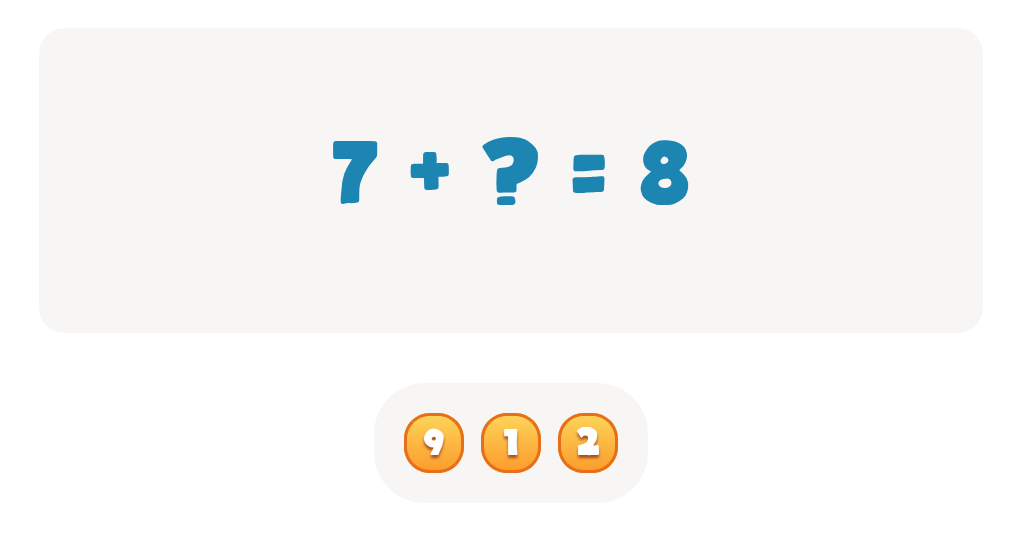
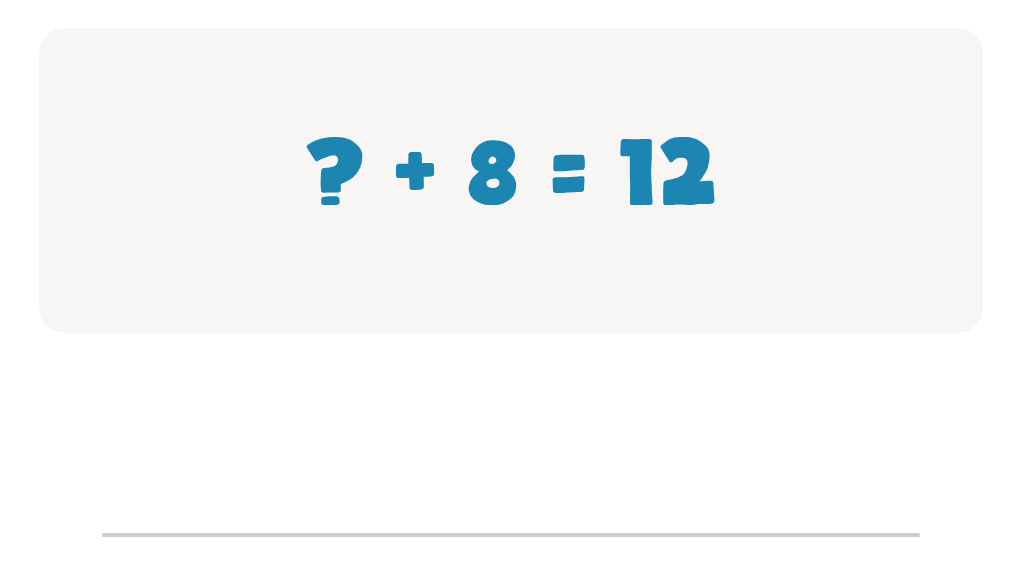
Kids love dinosaurs! See if your kids can solve these three equations featuring the mysterious creatures. Download the PDF and have them circle the number that completes each equation. Dinosaurs are extinct, not seen for thousands of years, but they can still help kids work on their math skills!
 Assign to My Students
Dinosaur Pieces: +2 Worksheet
Worksheet



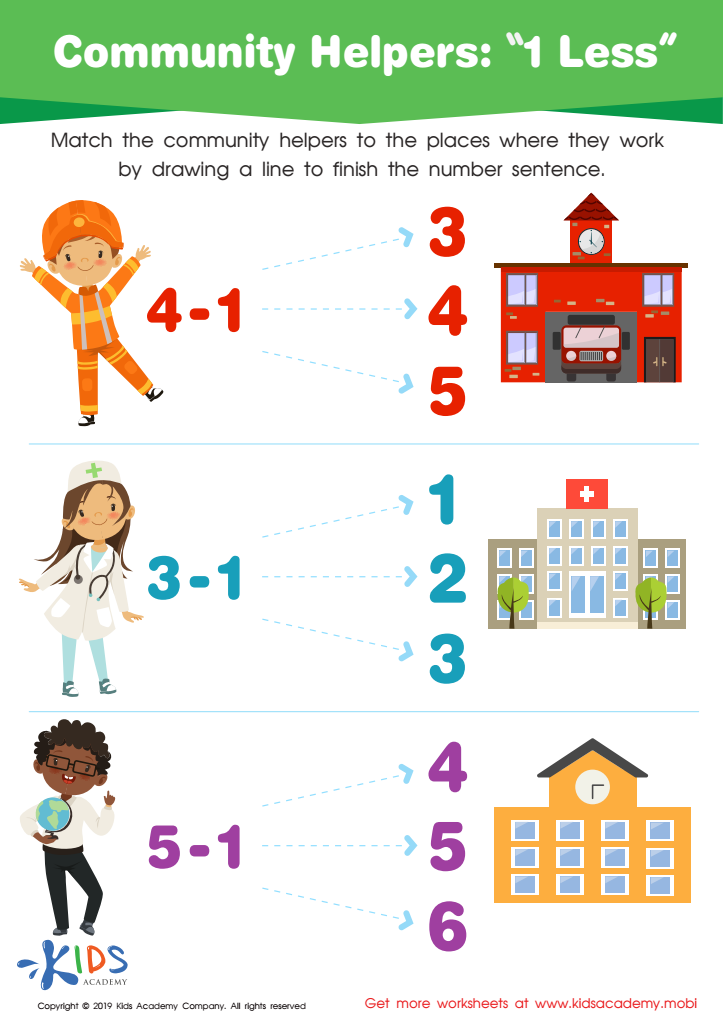
Community Helpers: 1 less Worksheet
Look at this worksheet with your child and ask them to identify the different community helpers. Match them to the places where they work by drawing a line to finish the number sentence. This helps them identify the people that help keep the community organized and running smoothly. Examples of community helpers include doctors, police officers, firefighters, teachers, etc.
Community Helpers: 1 less Worksheet
Worksheet
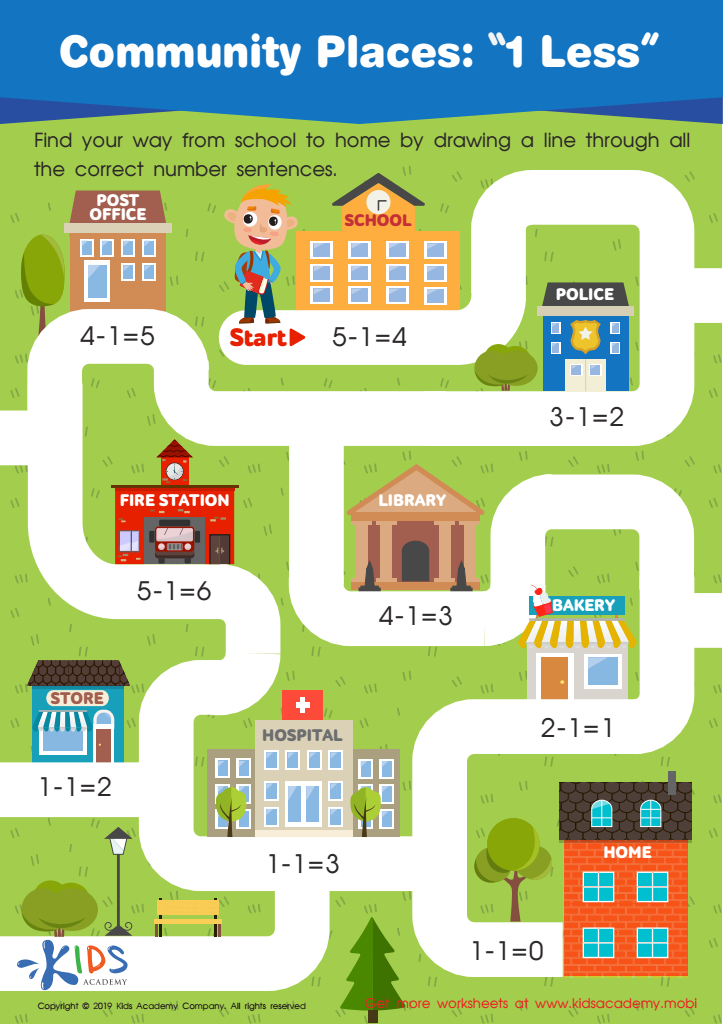
Community Places: 1 Less Worksheet
Have your kindergarteners draw a line through the correct number sentences as they find their way home from school. Ask them to identify the people, places, and buildings in their community and the jobs they do.
Community Places: 1 Less Worksheet
Worksheet
Join Kids Academy for Free
Who is primarily going to use this learning content?




.jpg)



Cognitive development in early childhood serves as the foundation for a child's ability to learn and succeed academically in later years. One crucial aspect of this development is mastering addition facts at ages 3-5. At this early stage, children's brains are exceptionally malleable and capable of absorbing new information rapidly. By introducing basic arithmetic early on, parents and teachers help build a solid groundwork for mathematical understanding, critical thinking, and problem-solving skills.
Fostering addition skills during early years also promotes overall cognitive development, including memory, attention, and logical reasoning. Children who develop a strong understanding of addition are better equipped to tackle more complex math topics with confidence as they progress in school. Furthermore, early math skills are predictive of later academic achievement, not solely in mathematics but across various subjects, illustrating the interconnectedness of learning domains.
Moreover, incorporating fun, interactive methods such as games, play-based activities, and visual aids makes learning addition enjoyable. This positive experience instills a sense of curiosity and a love for learning, pivotal attributes at this stage of life. As caregivers and educators, prioritizing early cognitive development in areas like addition facts ensures children are on a trajectory toward lasting academic success and intellectual growth.








