Animal recognition Addition & Subtraction Worksheets for Ages 3-5 - Page 3
97 filtered results
-
From - To
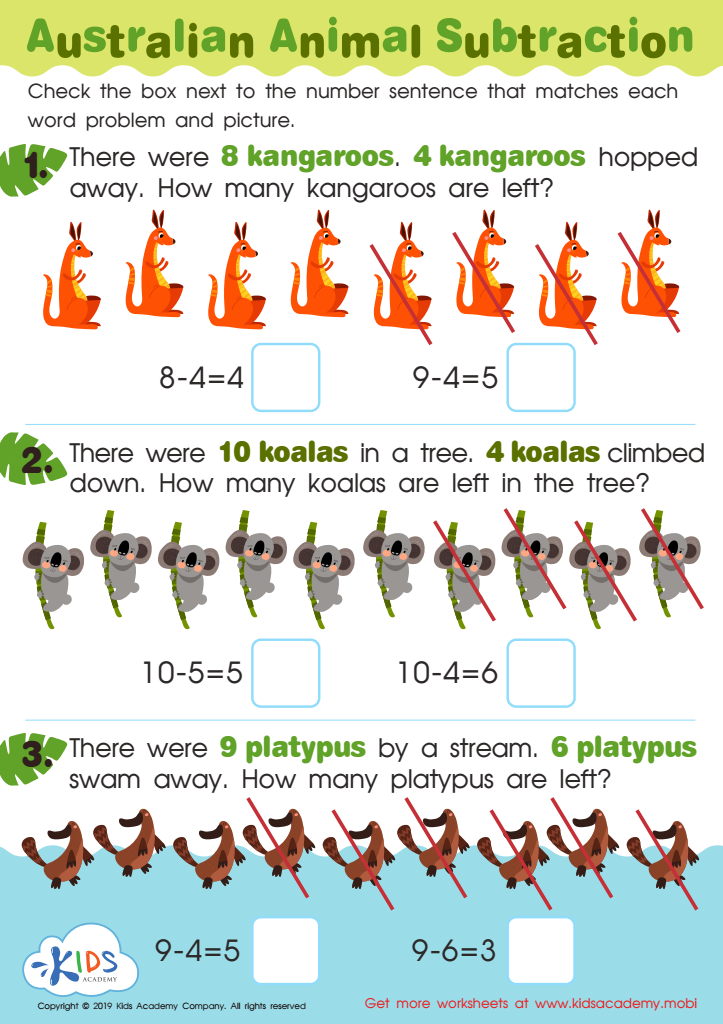
Australian Animal Subtraction Worksheet
 Assign to My Students
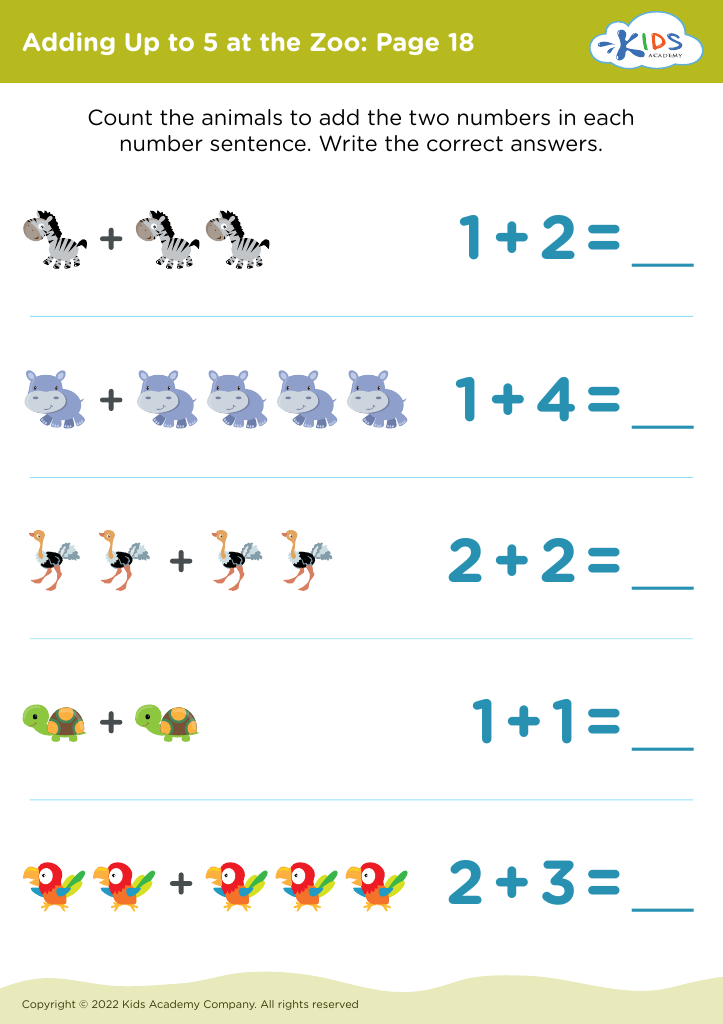
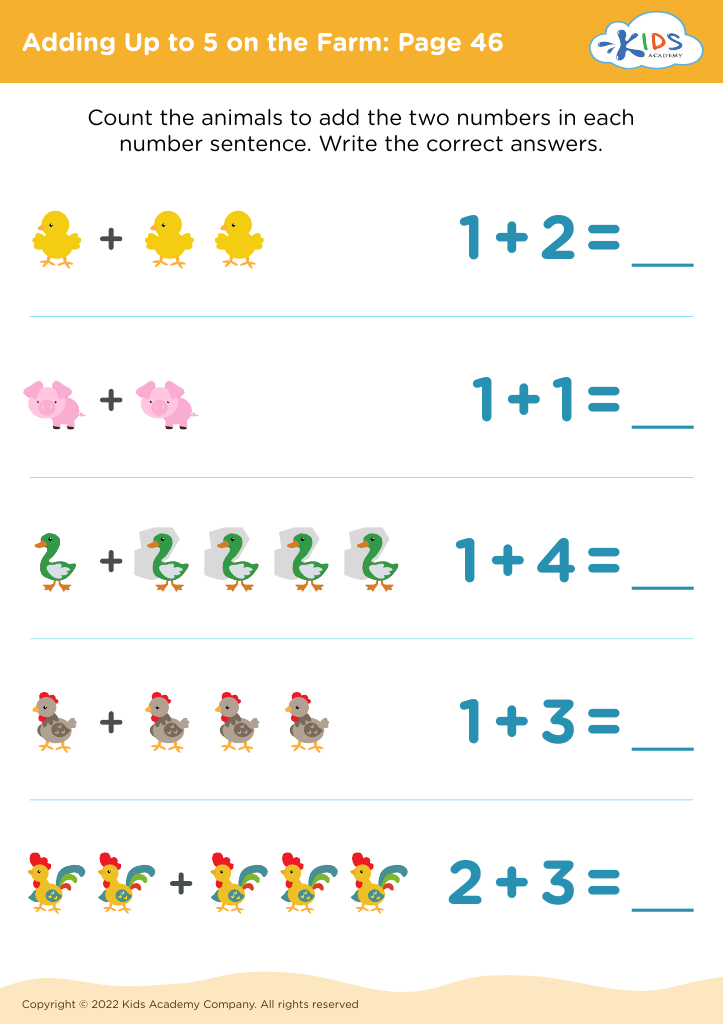
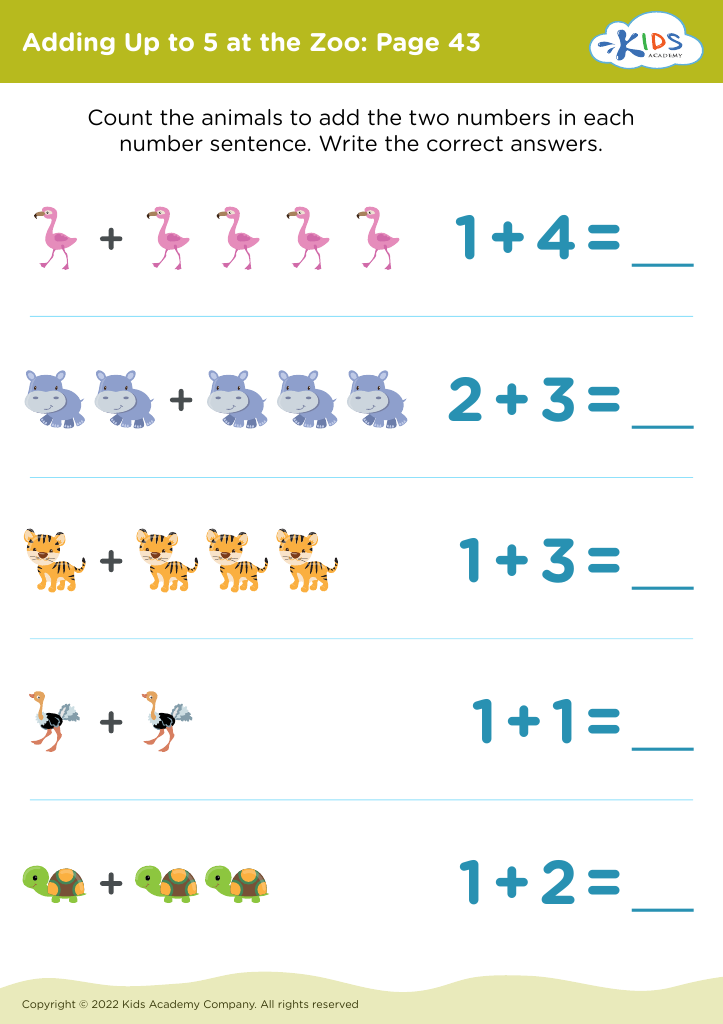
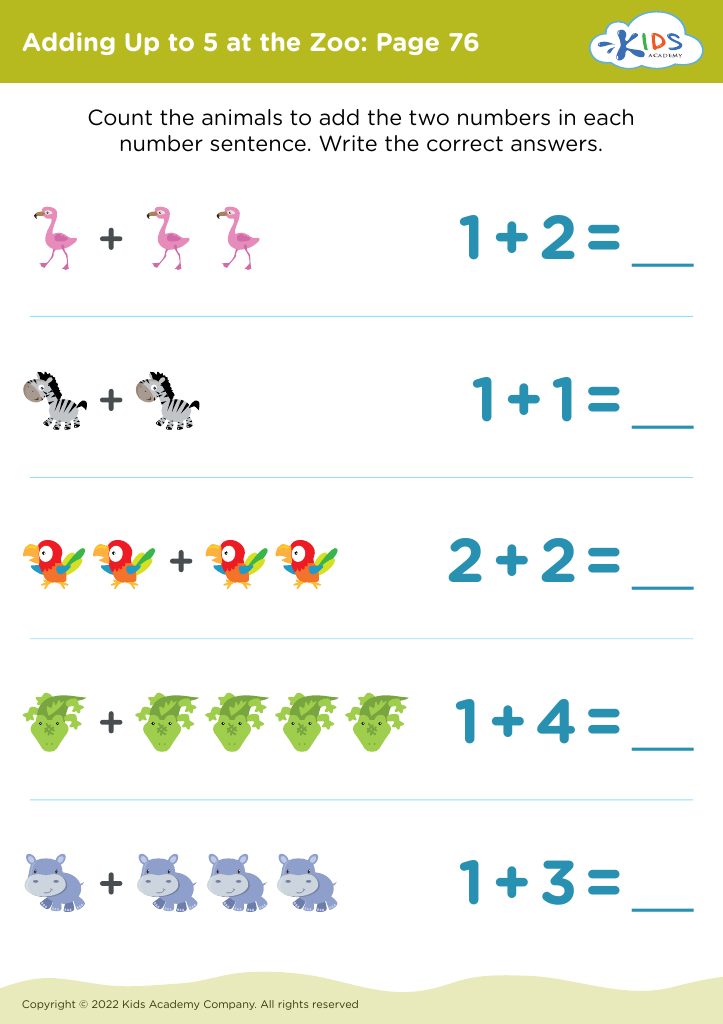
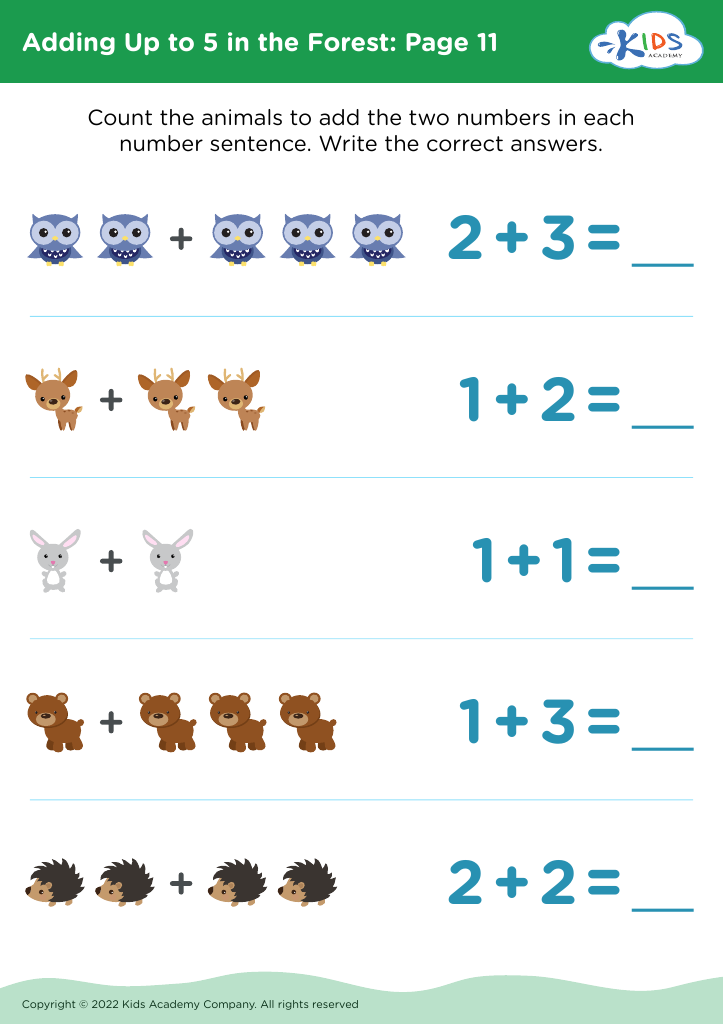
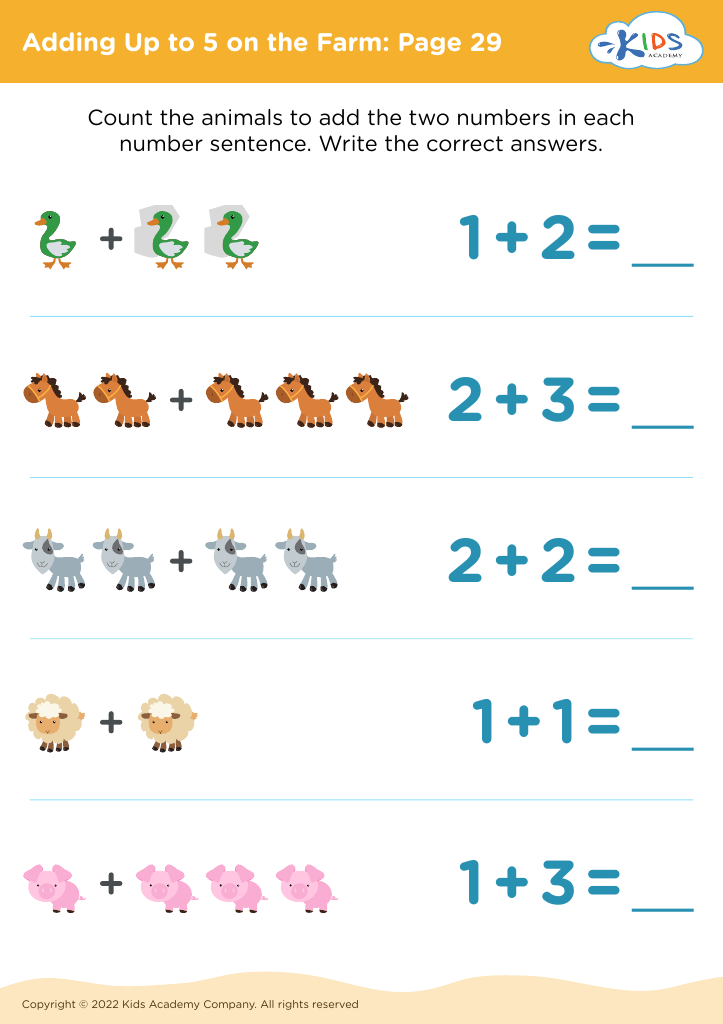
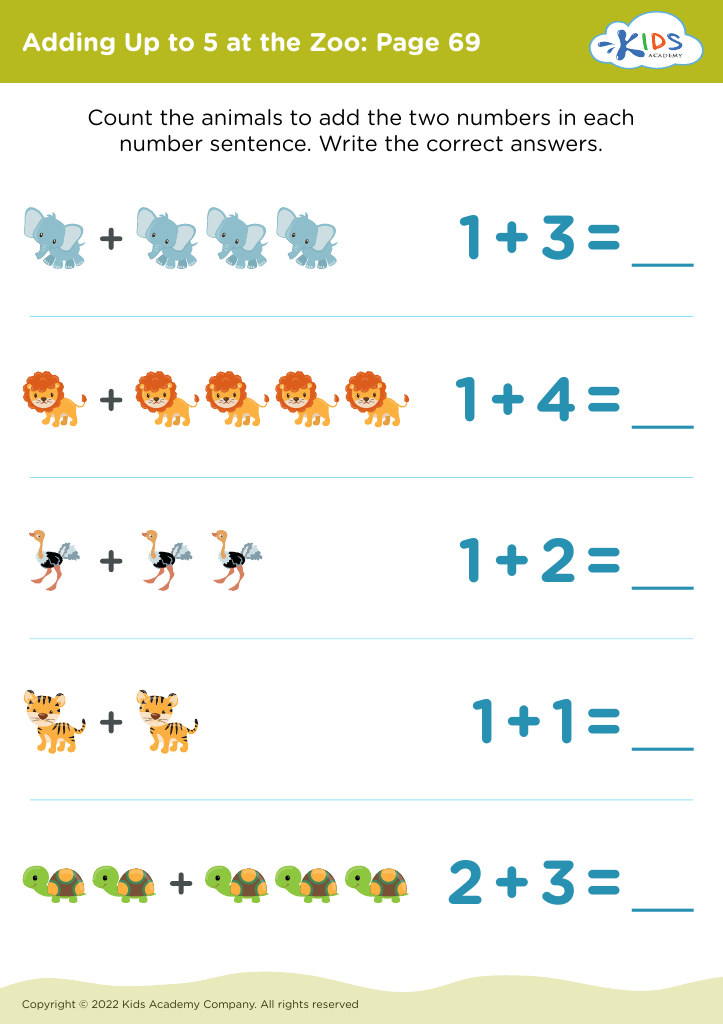
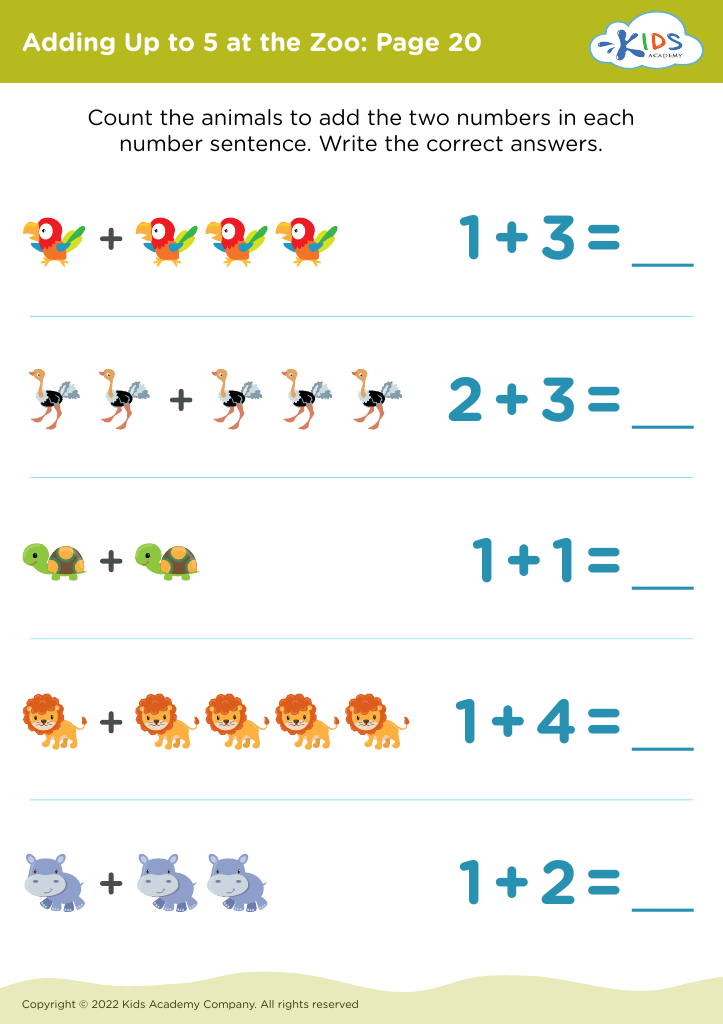
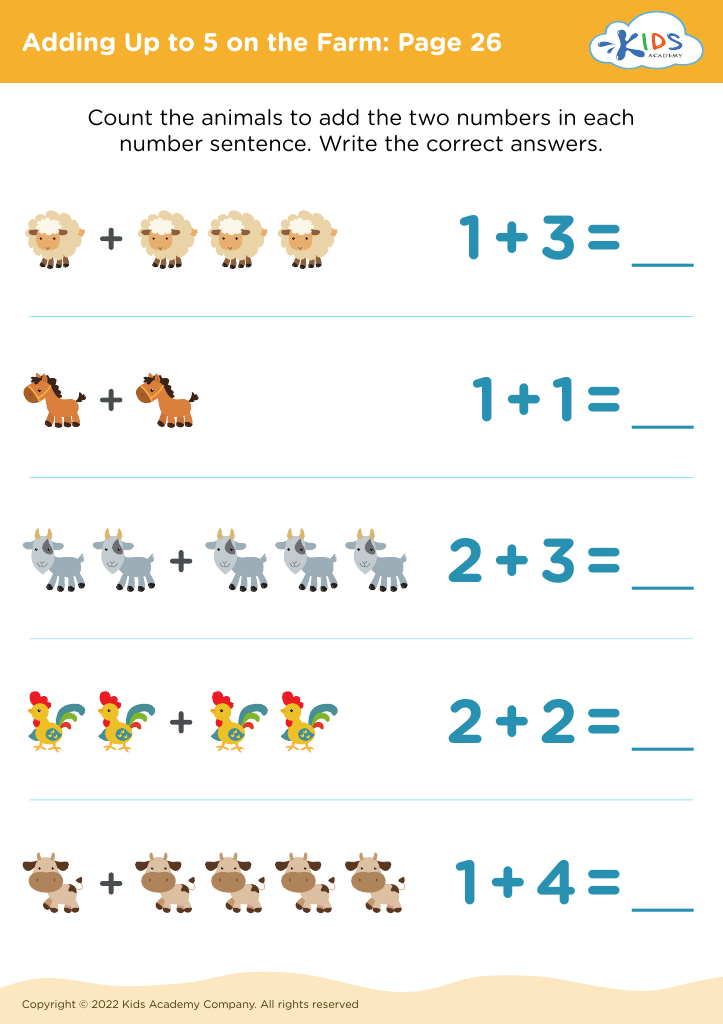
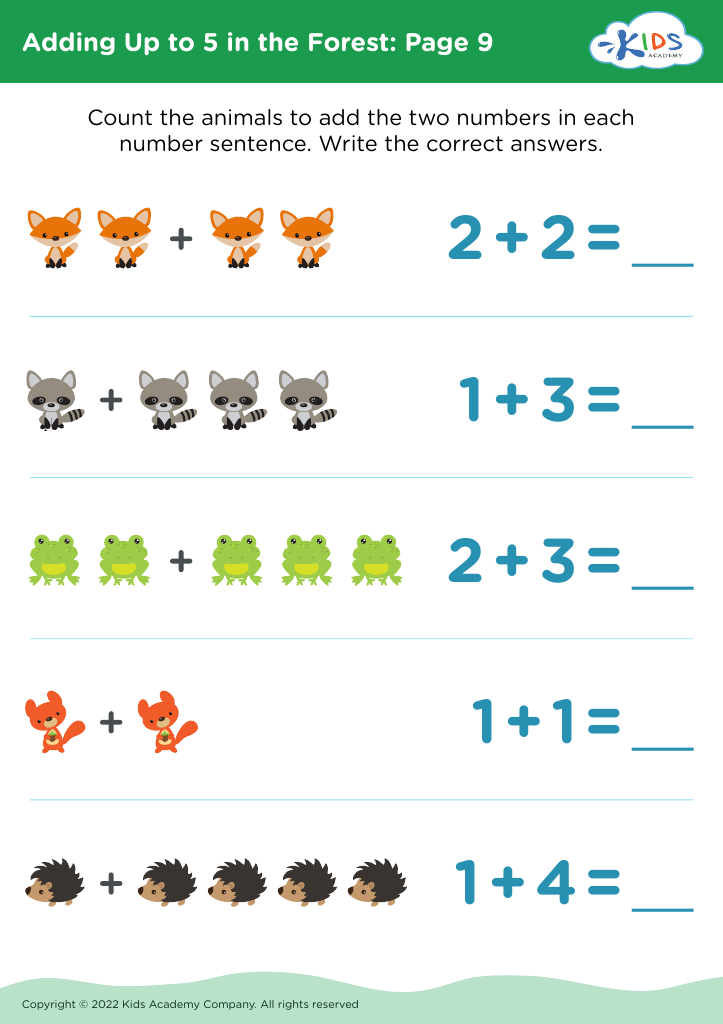
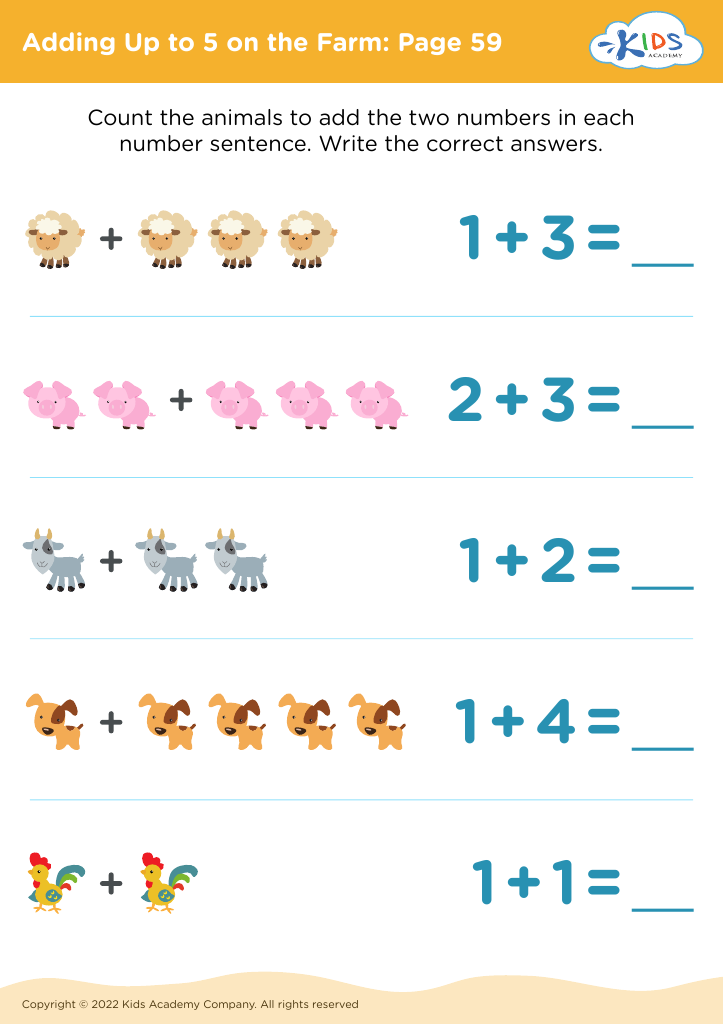
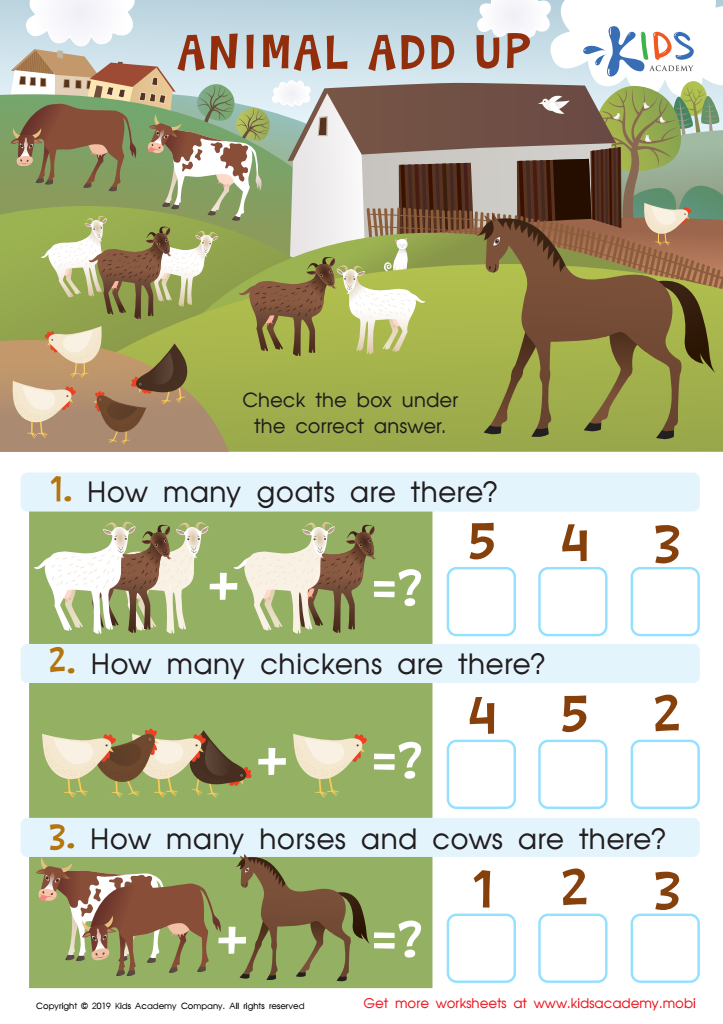
Animal Add Up Worksheet
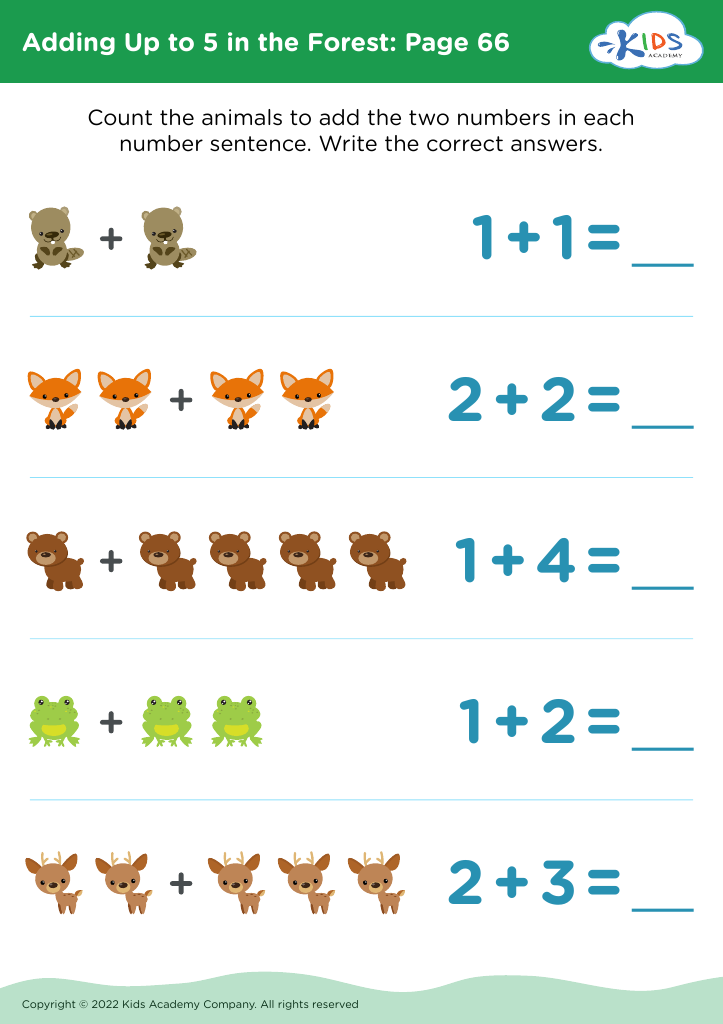
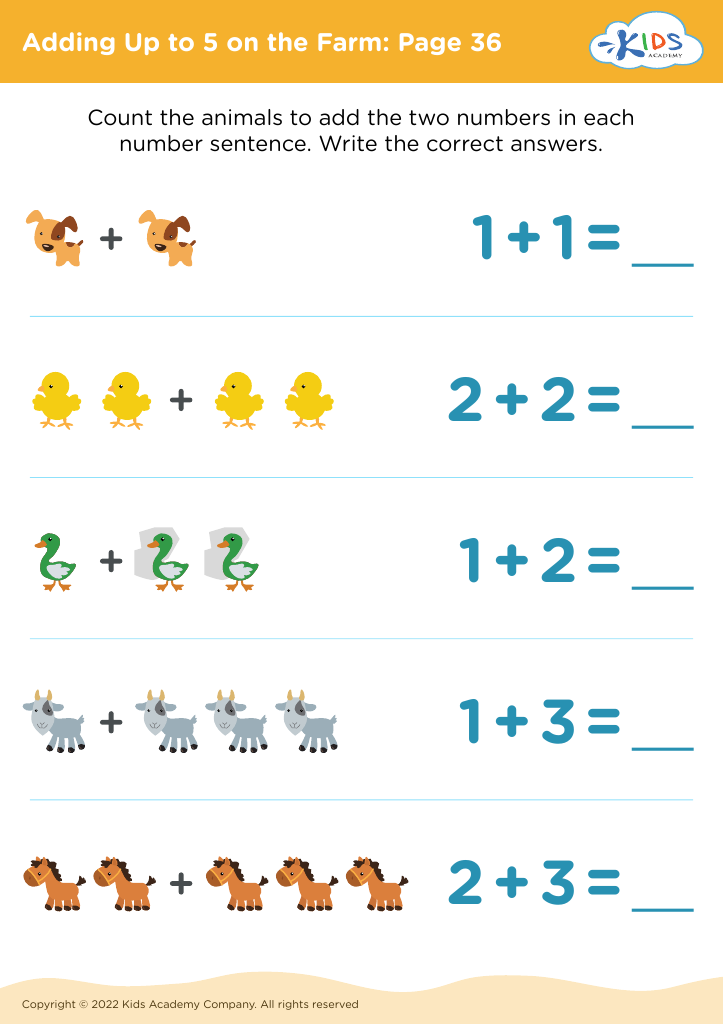
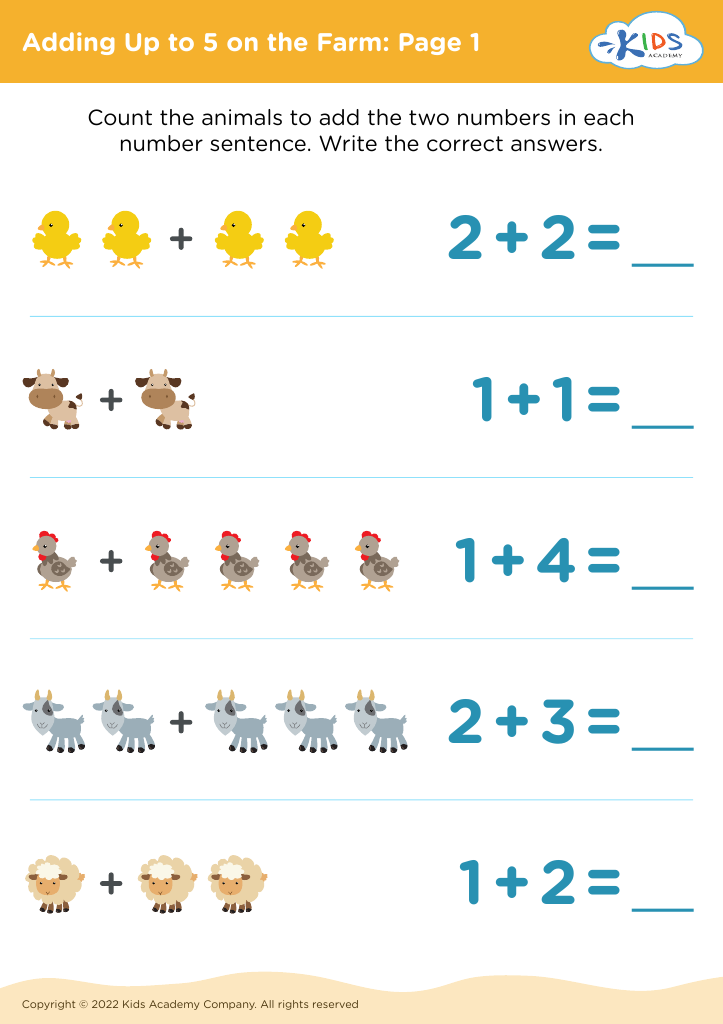
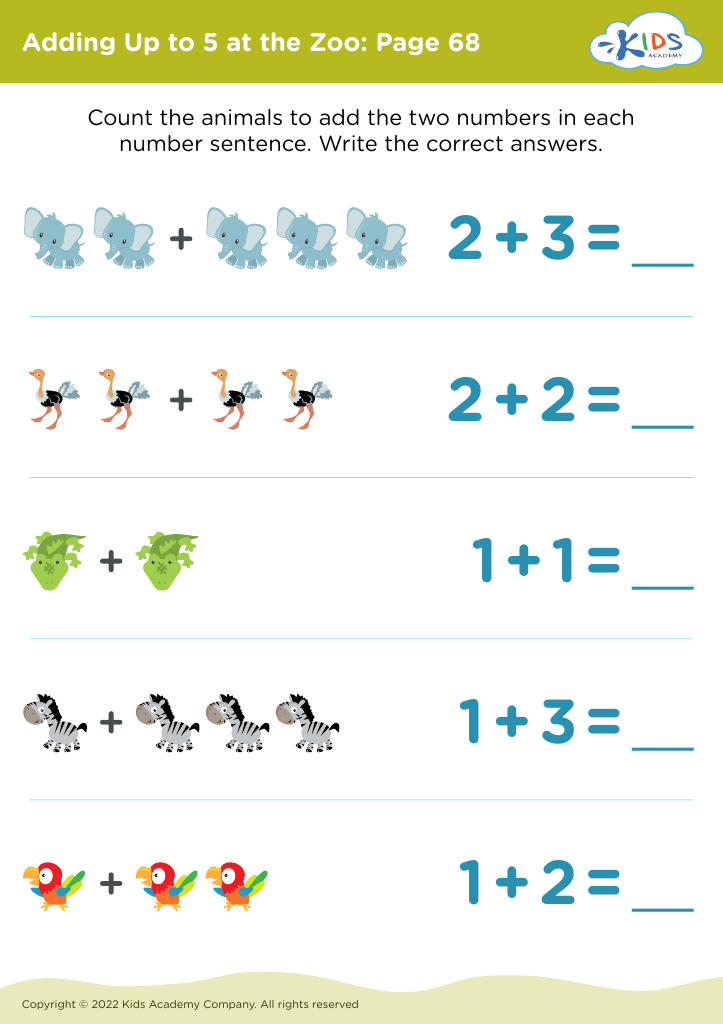
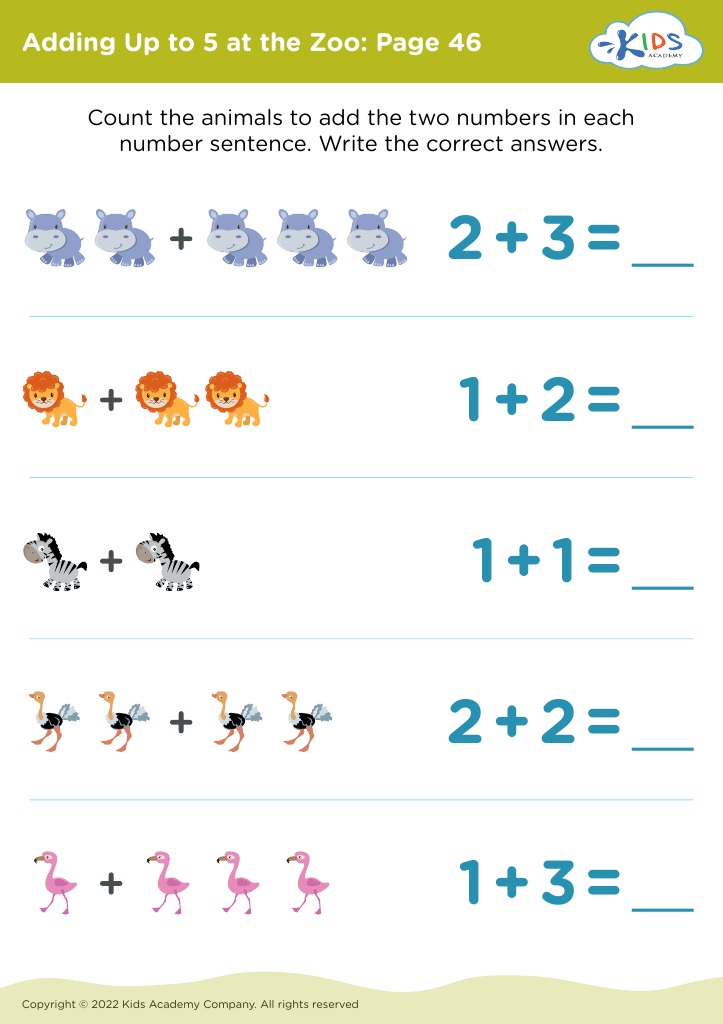
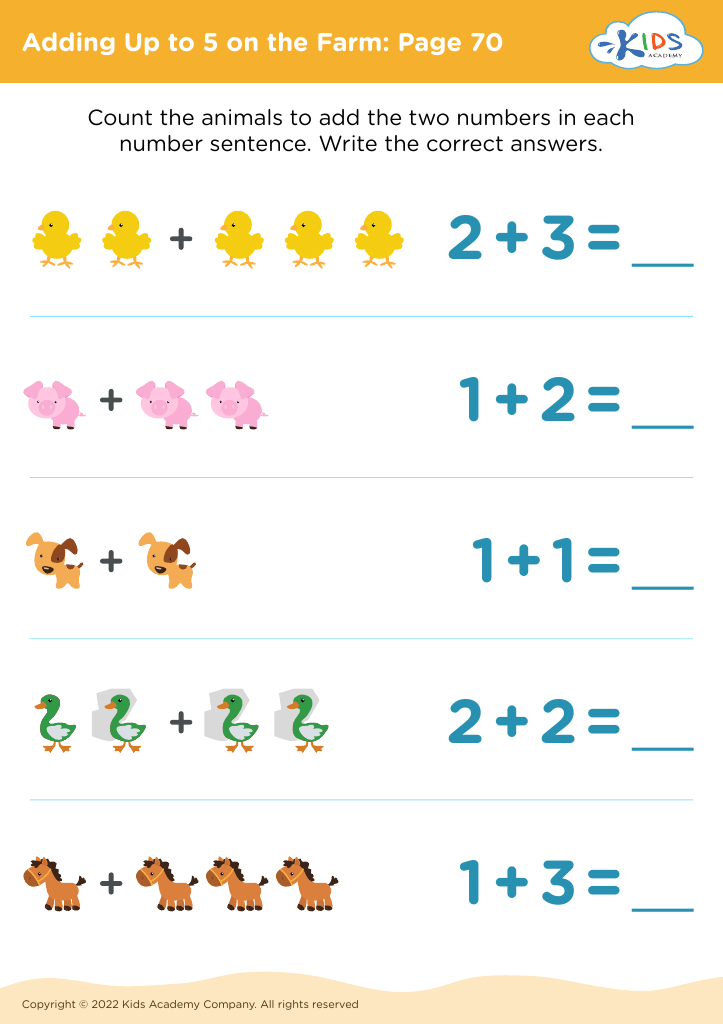
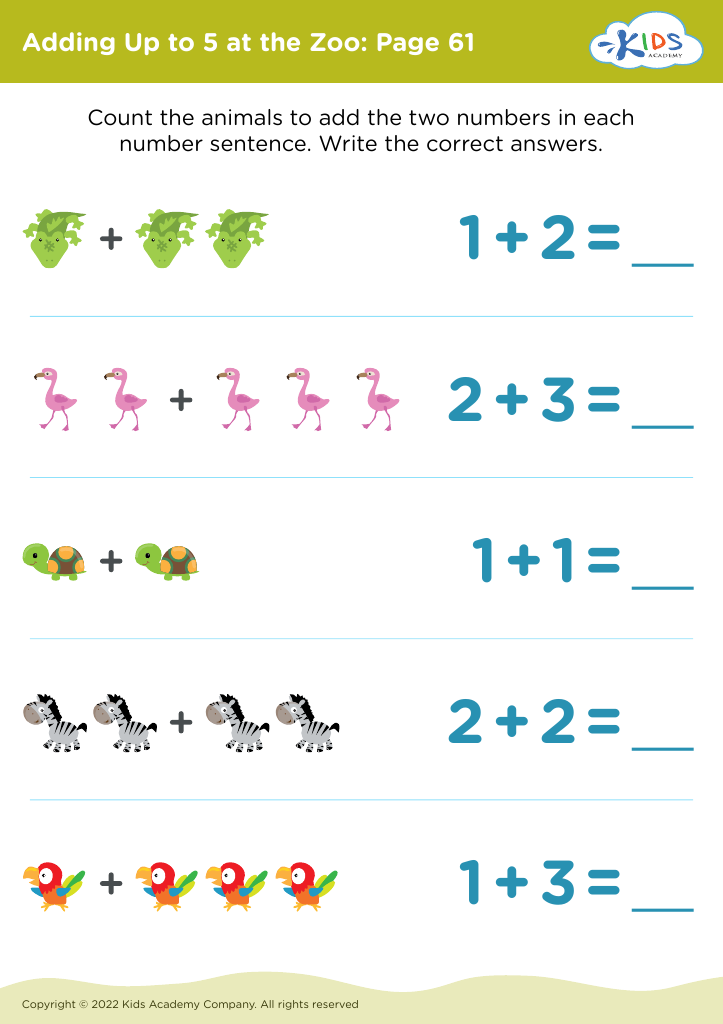
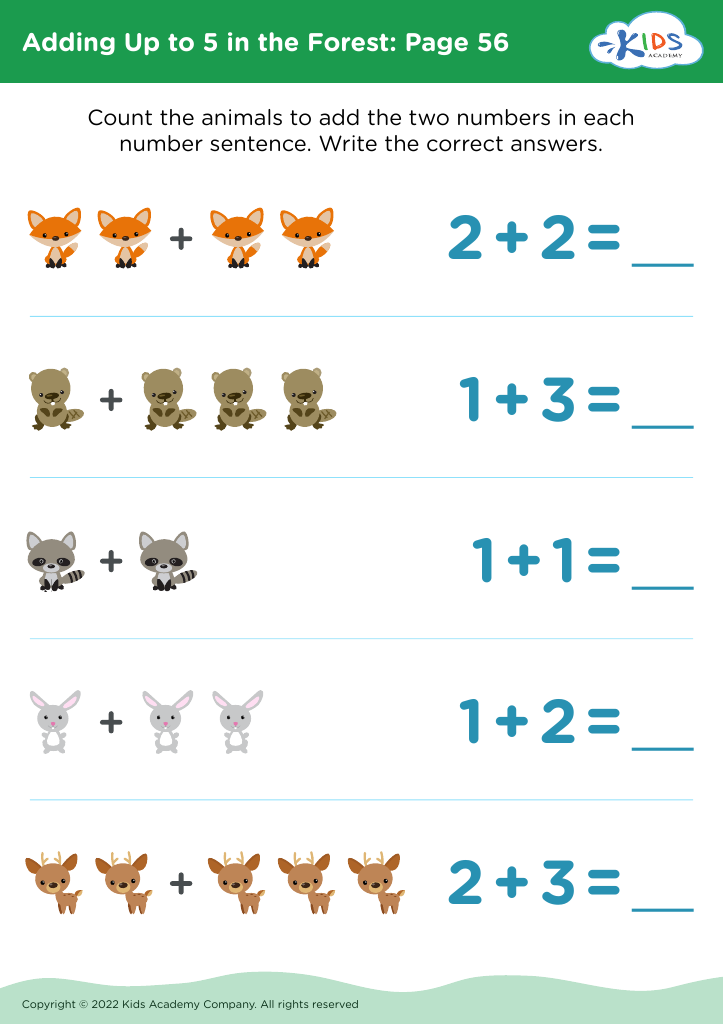
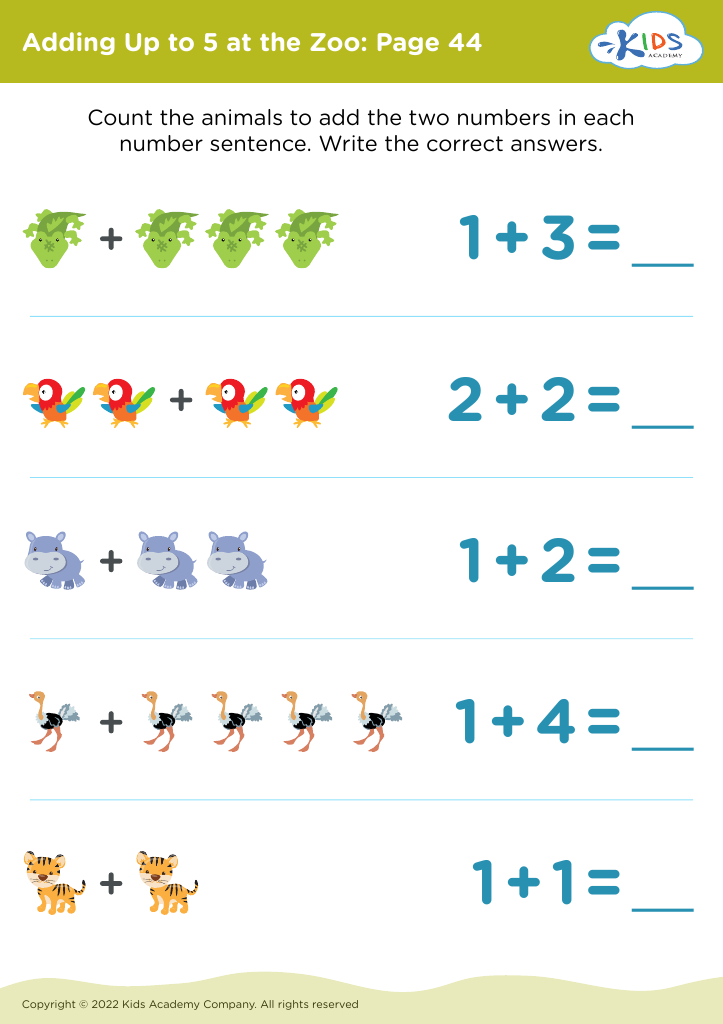
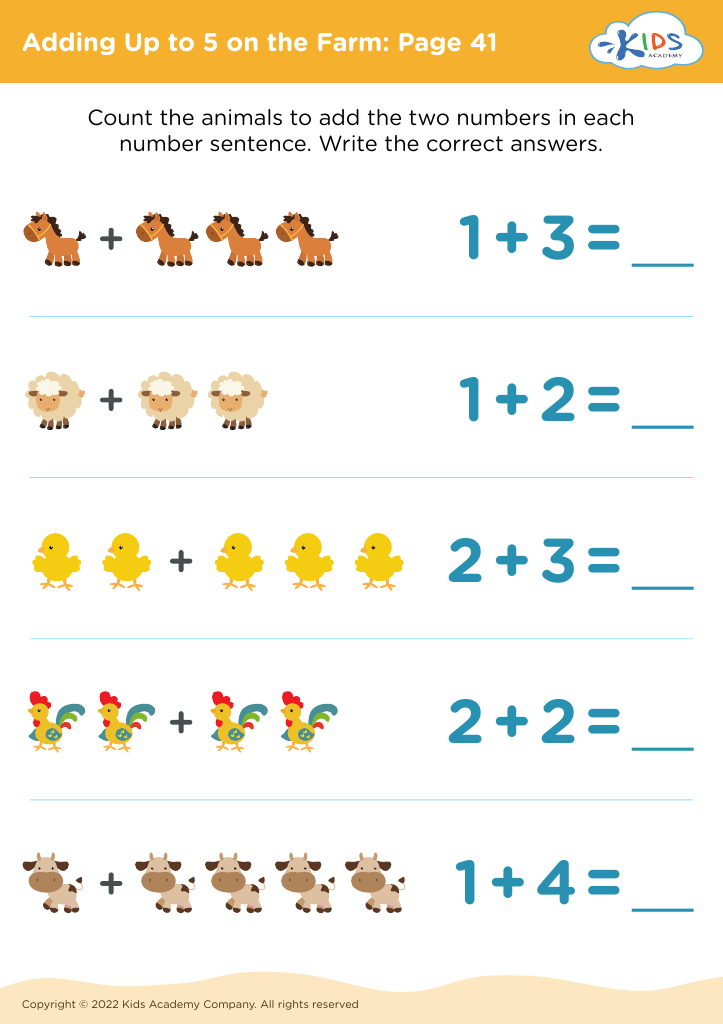
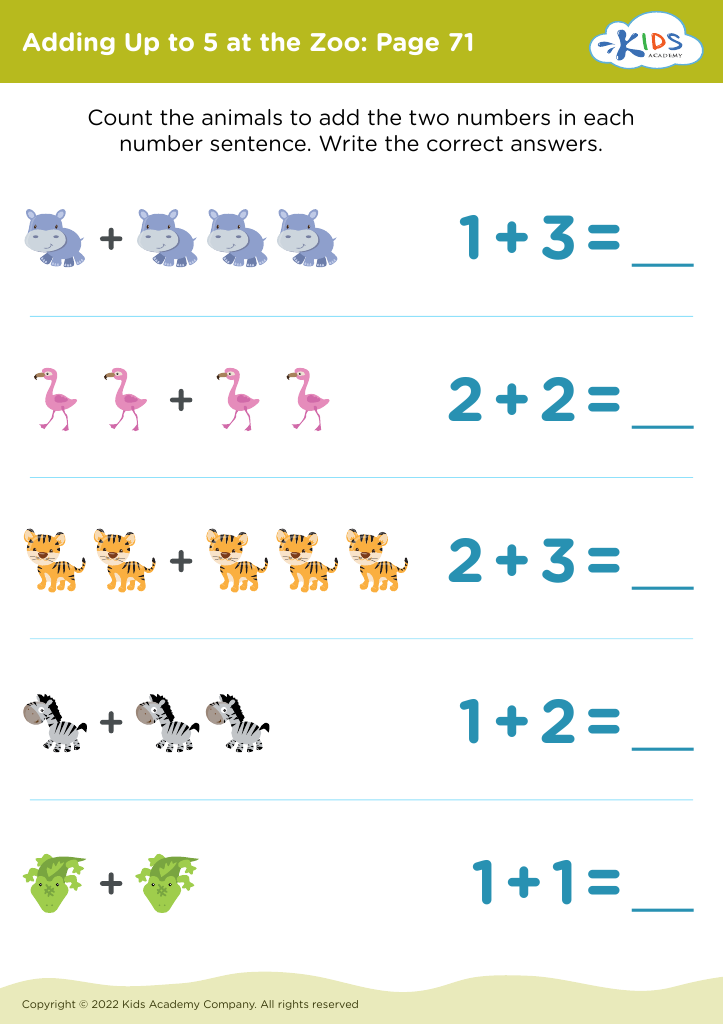





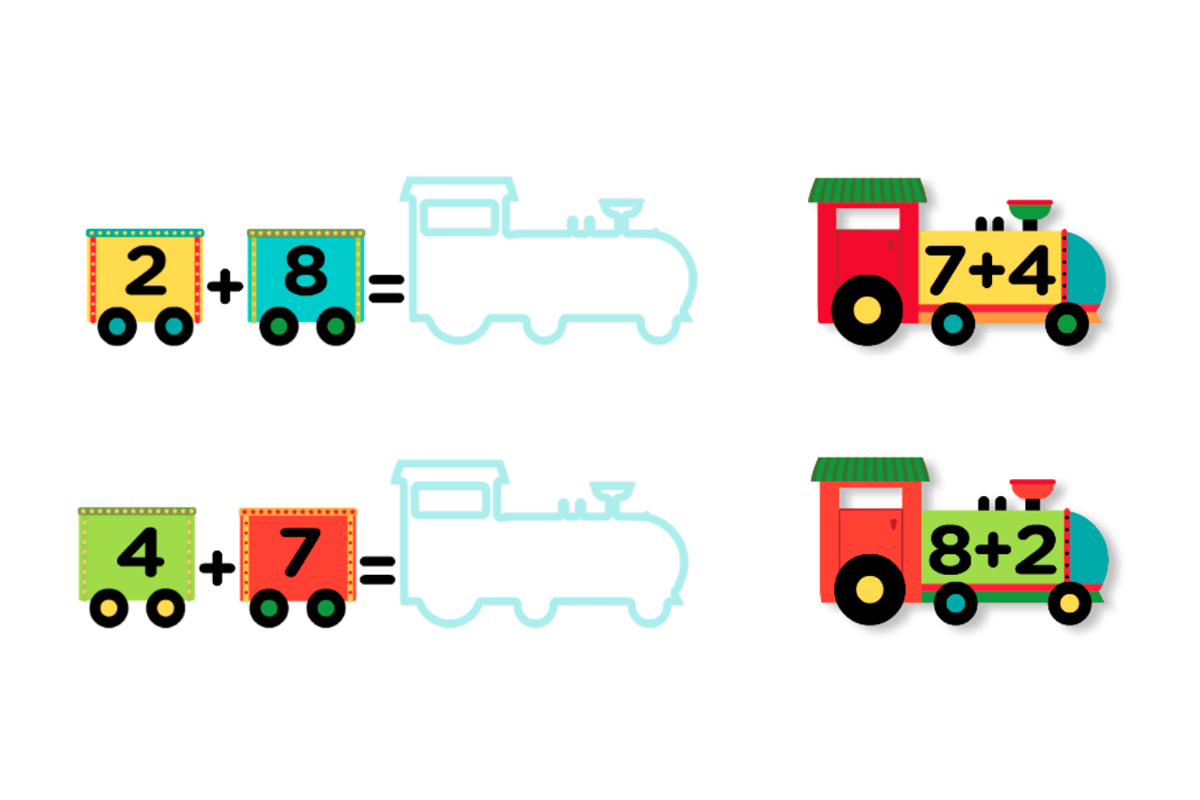


Parents and teachers should prioritize animal recognition, addition, and subtraction for children ages 3-5 because these foundational skills play a pivotal role in holistic early development. Recognizing animals helps children enhance their cognitive abilities and boosts memory skills by associating names and characteristics with specific animals. This form of visual and cognitive engagement promotes better language acquisition and communication skills as they learn new words and concepts.
Adding and subtracting skills are cornerstones of early numeracy and mathematical thinking. Teaching these basics at a young age provides a fun and hands-on method for children to understand quantities, learn to count, and begin problem-solving. By integrating animal figures into these mathematical activities, children are more likely to stay engaged and enjoy learning. For instance, asking a child to count or subtract animals can make abstract concepts more tangible, helping them grasp essential arithmetic ideas effortlessly.
In addition, these activities promote motor skills when children physically manipulate objects during counting exercises. They encourage social interaction and the development of listening skills when performed in group settings. Thus, focusing on these areas ensures a balanced approach to education that addresses cognitive, social, and emotional development, setting a strong foundation for future academic and life skills.








