Basic Math Skills Addition & Subtraction Worksheets for Ages 3-5 - Page 2
39 filtered results
-
From - To
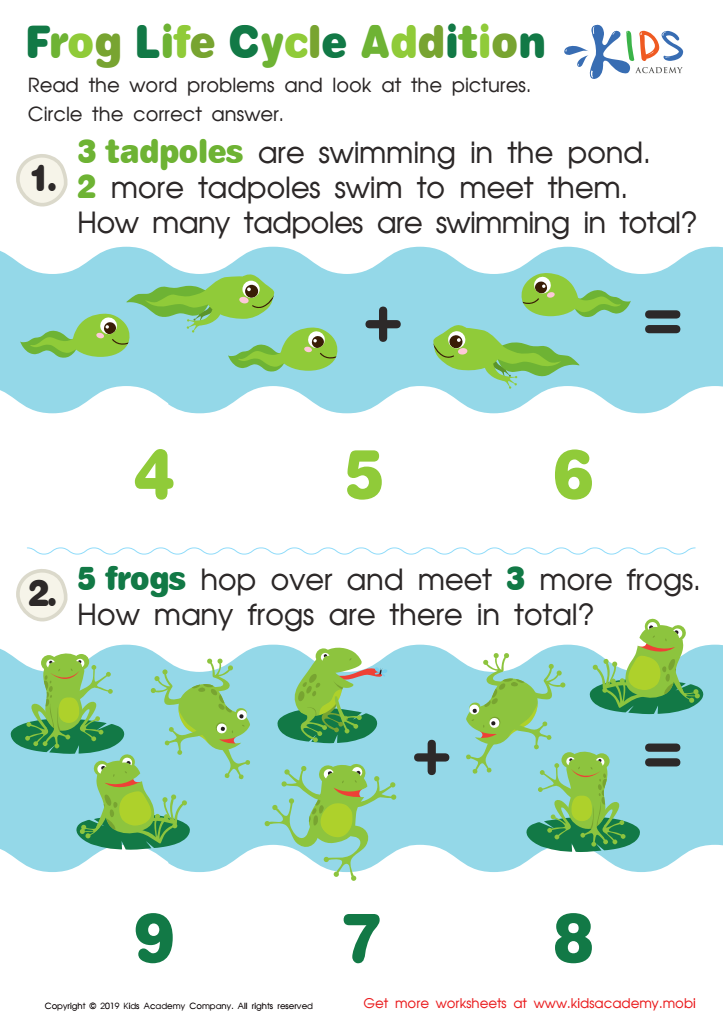
Frog Life Cycle Addition Worksheet
 Assign to My Students
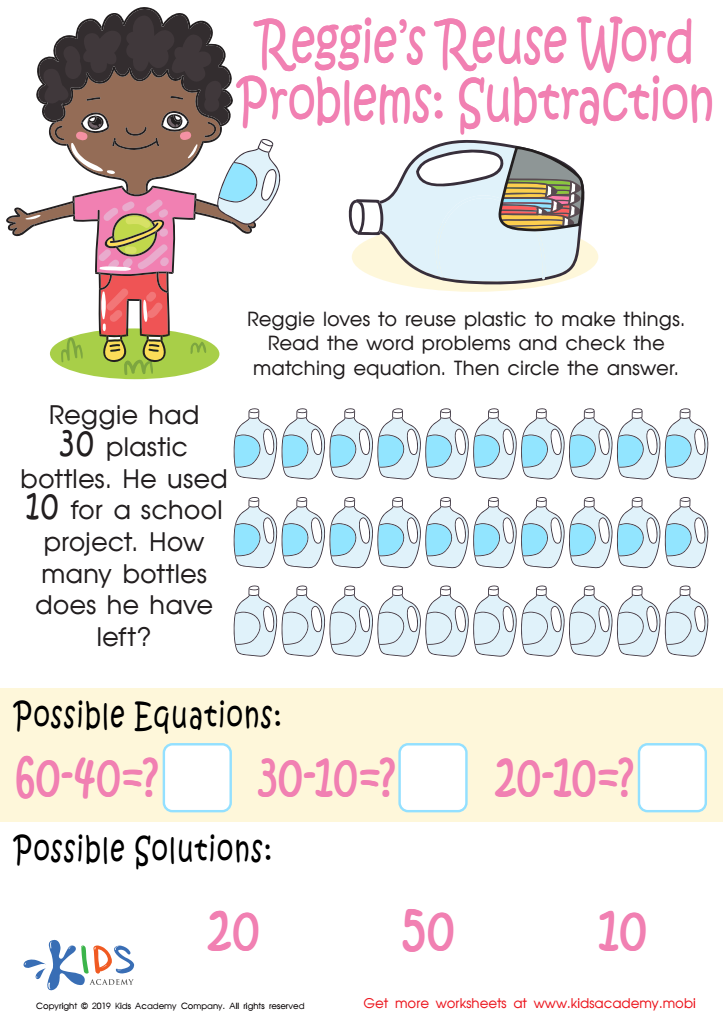
Reggie's Reuse Word Problems: Subtraction Worksheet
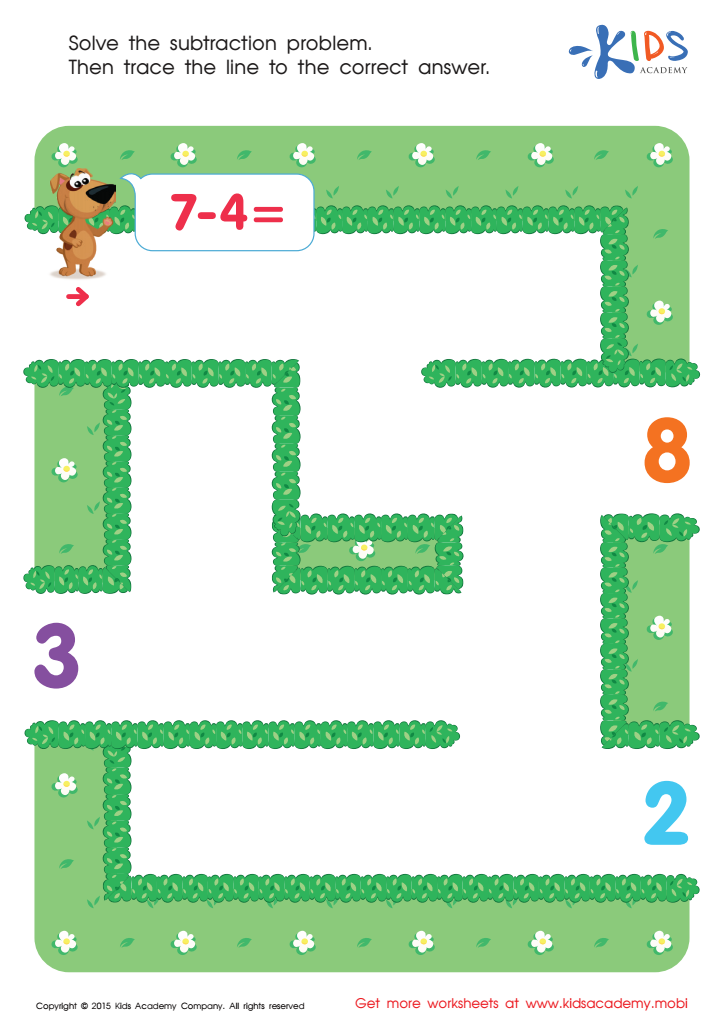
Subtraction Seven Minus Four Worksheet
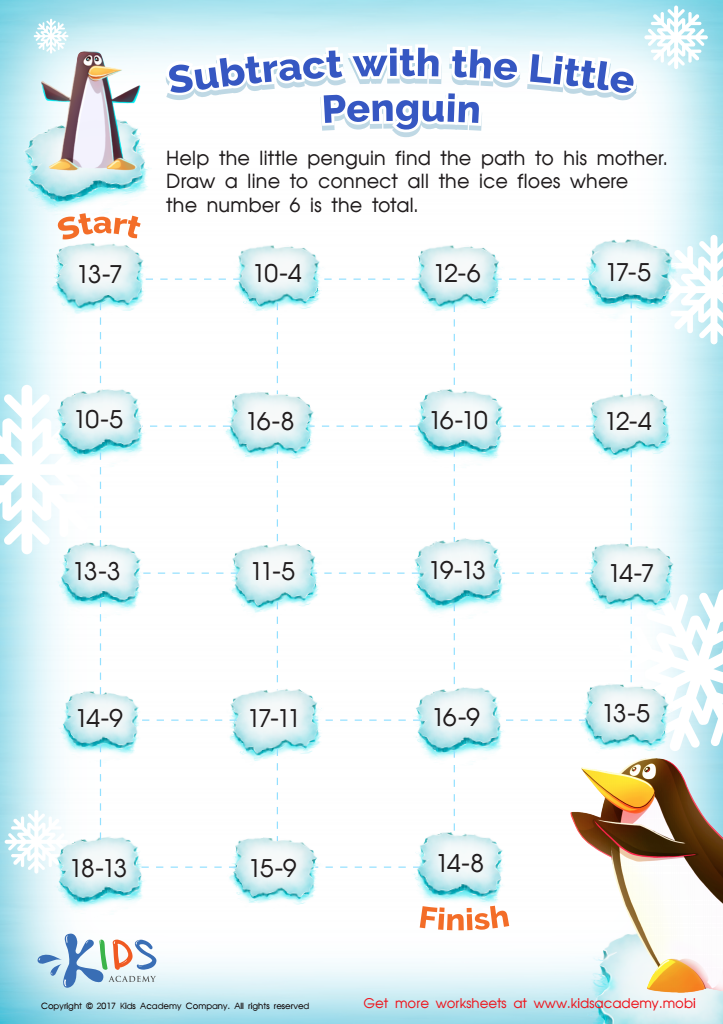
Subtract With The Little Penguin Substraction Worksheet
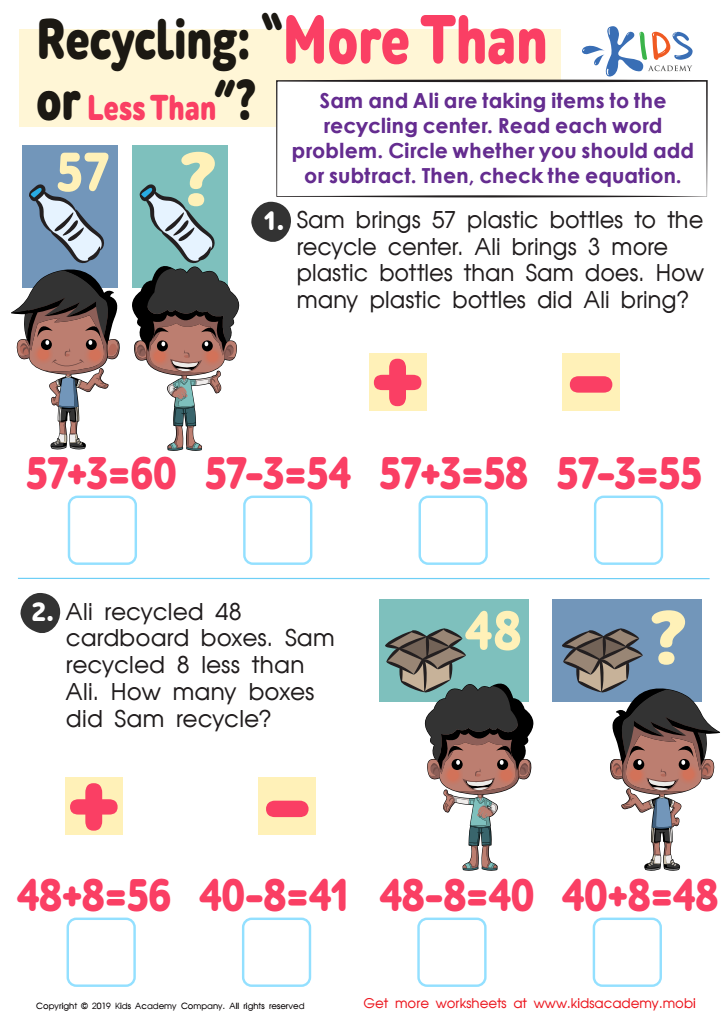
Recycling - More or Less Worksheet
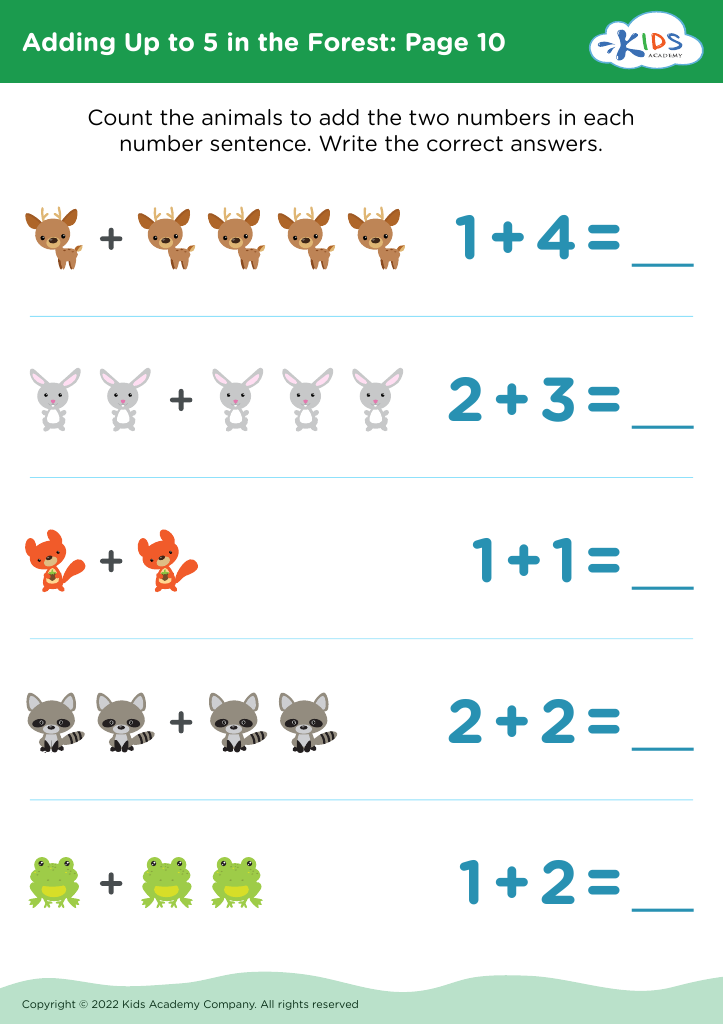
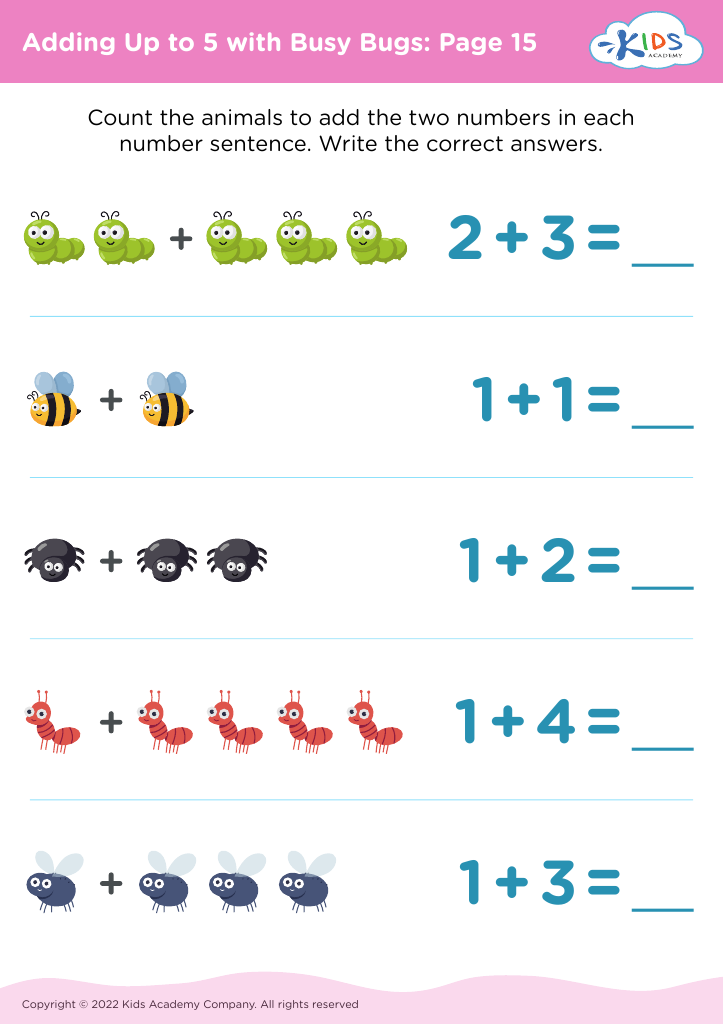








Basic math skills, particularly addition and subtraction, are foundational for young children aged 3-5 as they serve as building blocks for future mathematical understanding and academic success. Early exposure to these concepts fosters not only cognitive development but also enhances problem-solving and critical-thinking abilities. Understanding addition and subtraction helps children recognize patterns and relationships, which are essential in mathematics and real-life situations.
Parents and teachers should care about these basic skills because they promote innate curiosity and encourage exploration. Engaging children in fun, hands-on activities like counting objects, using play money, or engaging in simple math games can make learning enjoyable, helping to instill a positive attitude towards math from a young age. Additionally, mastering these skills aids in developing social skills as children often collaborate in games, fostering communication and teamwork.
Moreover, early math proficiency is linked to later academic achievement; children who grasp basic math concepts tend to excel in school. Recognizing numeracy as a vital component of early education establishes a robust foundation for lifelong learning, ensuring that children are well-prepared to tackle more complex mathematical concepts in the future. Ultimately, nurturing math skills from an early age sets the stage for success in both education and daily life.








