
Basic Math understanding Addition & Subtraction Worksheets for Ages 3-5
7 filtered results
Difficulty Level
Grade
Age
-
From - To
Subject
Activity
Standards
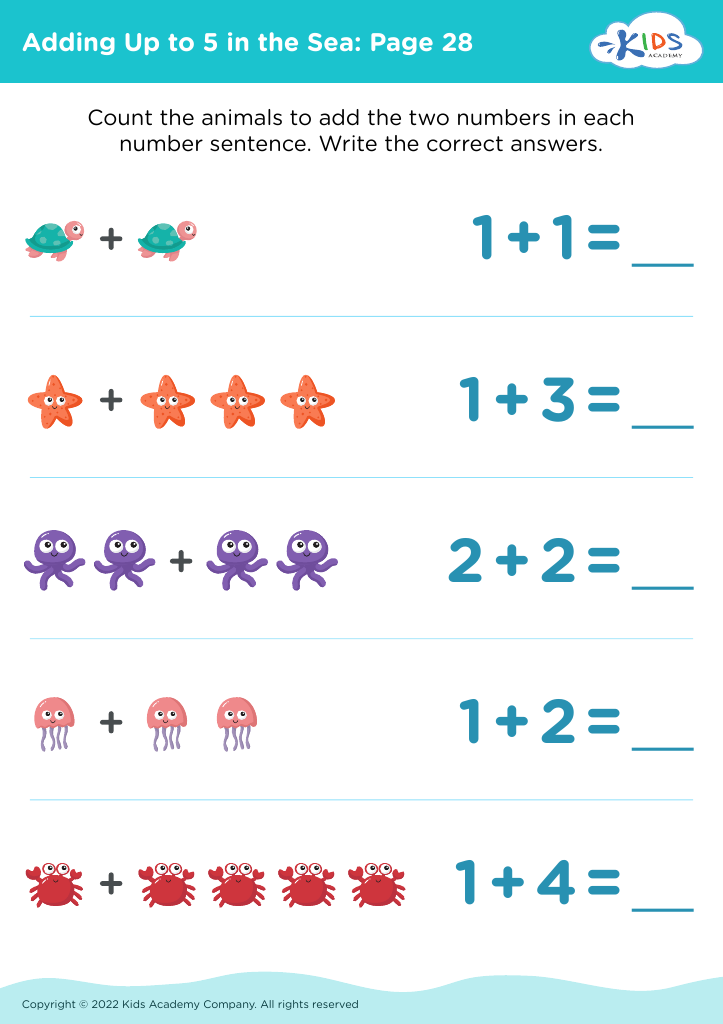
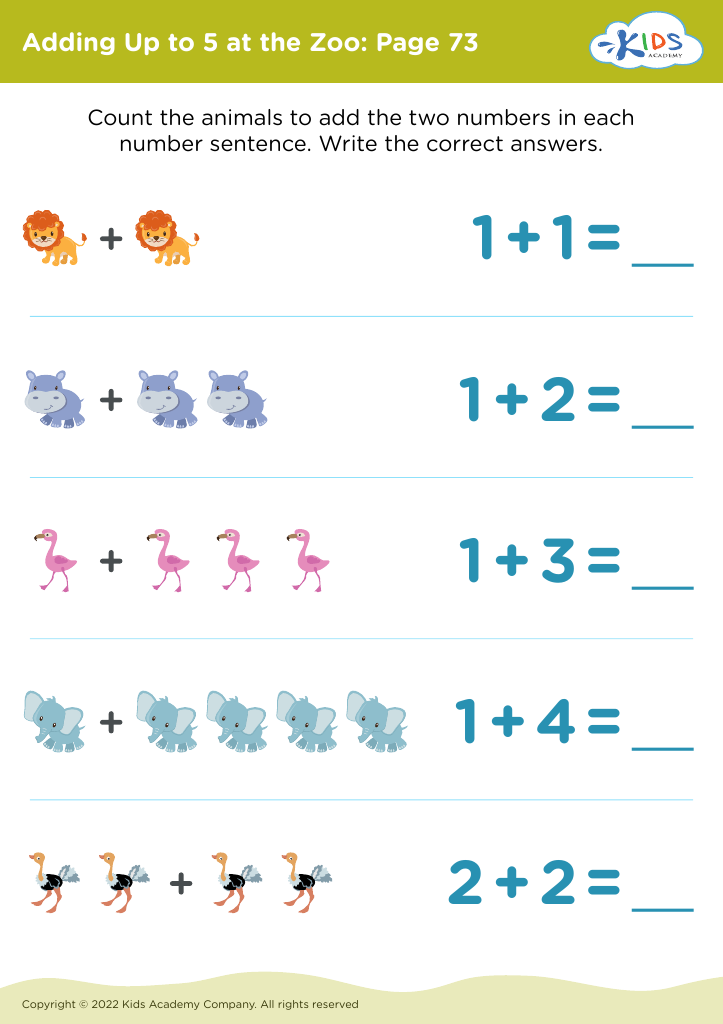
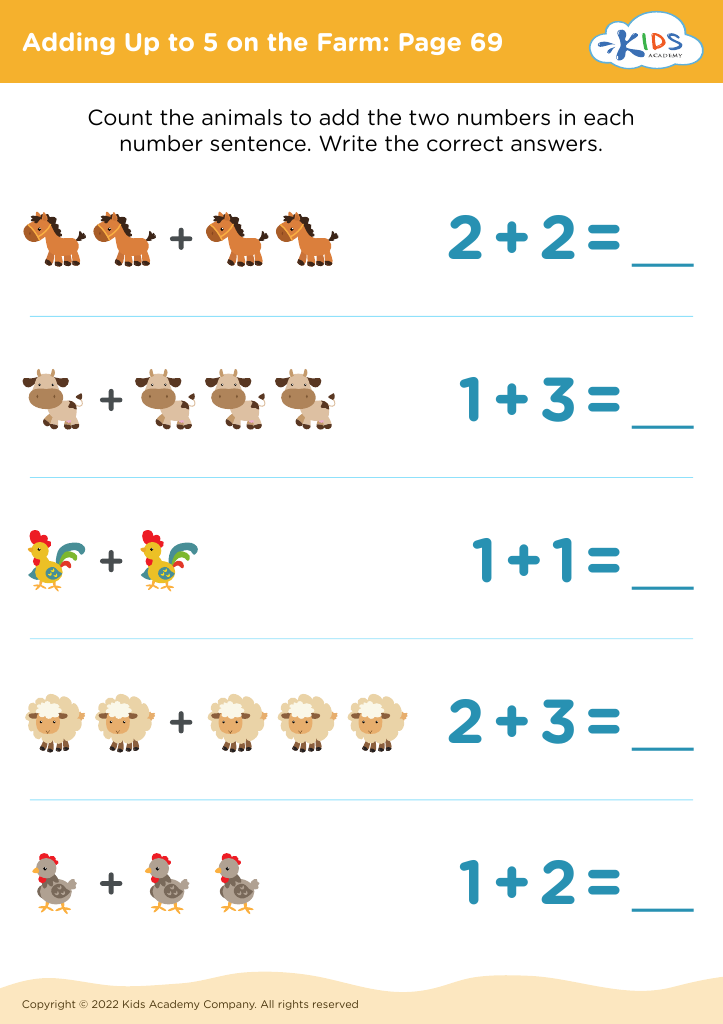
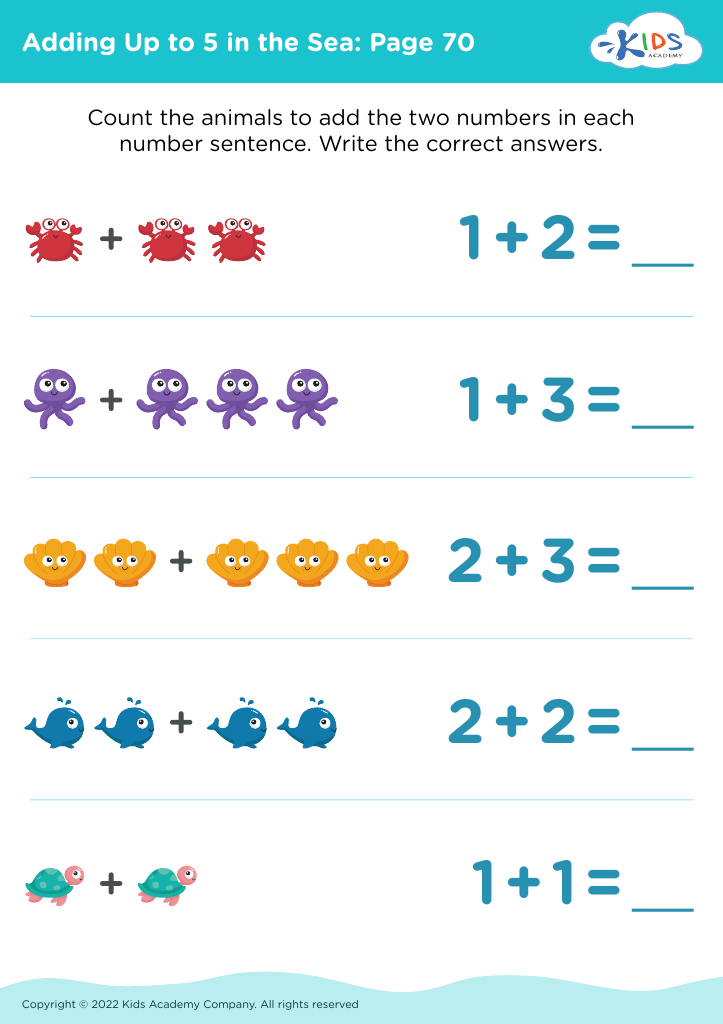
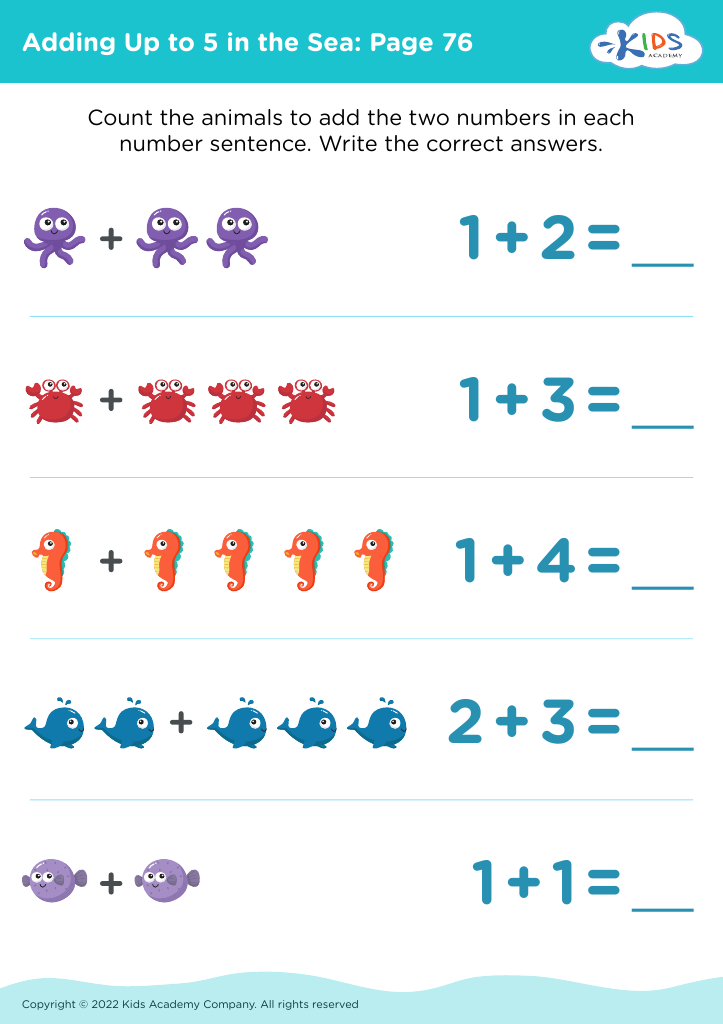
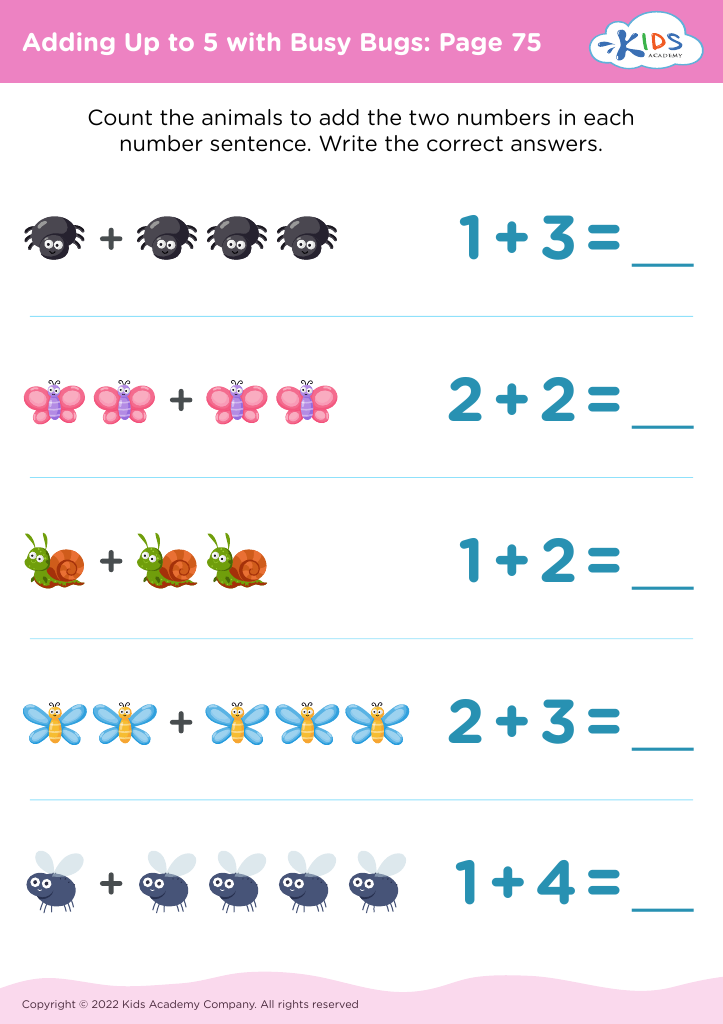
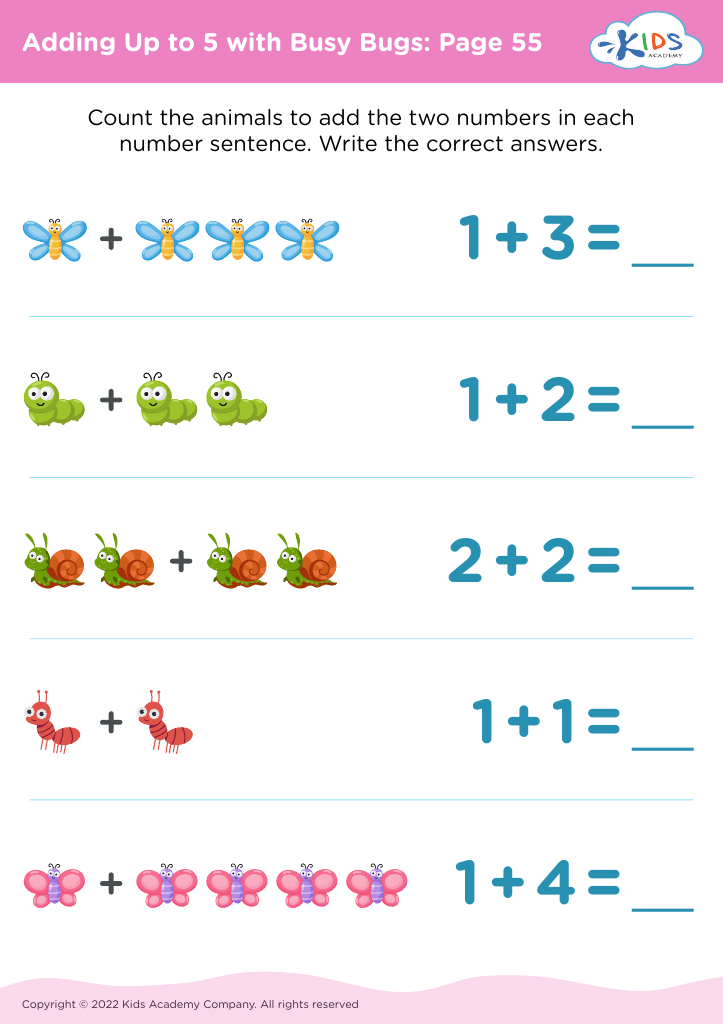
Discover our engaging Basic Math Understanding Addition & Subtraction Worksheets designed specifically for children ages 3 to 5. These worksheets aim to foster early math skills through interactive and fun exercises, helping young learners grasp the concepts of addition and subtraction. Each worksheet features colorful illustrations and age-appropriate activities that promote number recognition and problem-solving. Ideal for both classroom and at-home learning, our resources encourage the development of a strong mathematical foundation. Empower your child to enjoy learning with these essential tools that make math accessible, enjoyable, and effective for little ones. Explore our collection and watch their confidence grow!
Favorites
With answer key
Interactive
Join Kids Academy for Free
Who is primarily going to use this learning content?








Understanding basic math, specifically addition and subtraction, is crucial for children ages 3-5 as it lays the foundation for future learning. At this developmental stage, children are naturally curious and engage in play-based learning, making it an ideal time to introduce these concepts. Mastering simple addition and subtraction enhances cognitive skills such as problem-solving, critical thinking, and logical reasoning.
Early math concepts improve children's confidence and comfort with numbers, making them more adaptable to complex math in later grades. Engaging in activities like counting objects, using fingers, or playing simple math games can help solidify these concepts in a fun and interactive way.
Moreover, basic math understanding fosters communication skills and enhances vocabulary as children learn to express quantitative feelings and describe their reasoning. This knowledge also supports daily life skills, such as sharing snacks, playing with peers, and understanding routines, which all involve basic mathematical concepts.
Teachers and parents play a vital role by incorporating math into daily activities, emphasizing that learning can be enjoyable. By nurturing an environment that values math from a young age, adults help instill positive attitudes towards math, ensuring that children are well-prepared for their educational journey ahead.








