Filters

107 filtered results

Clear all filters
Favorites
With answer key
Interactive

107 filtered results

Difficulty Level

Grade


Check out this FREE Trial Lesson on Addition & Subtraction for age 3-5!

H

Favorites
With answer key
Interactive
  • 3-5
  • Cognitive Development
  • Addition & Subtraction
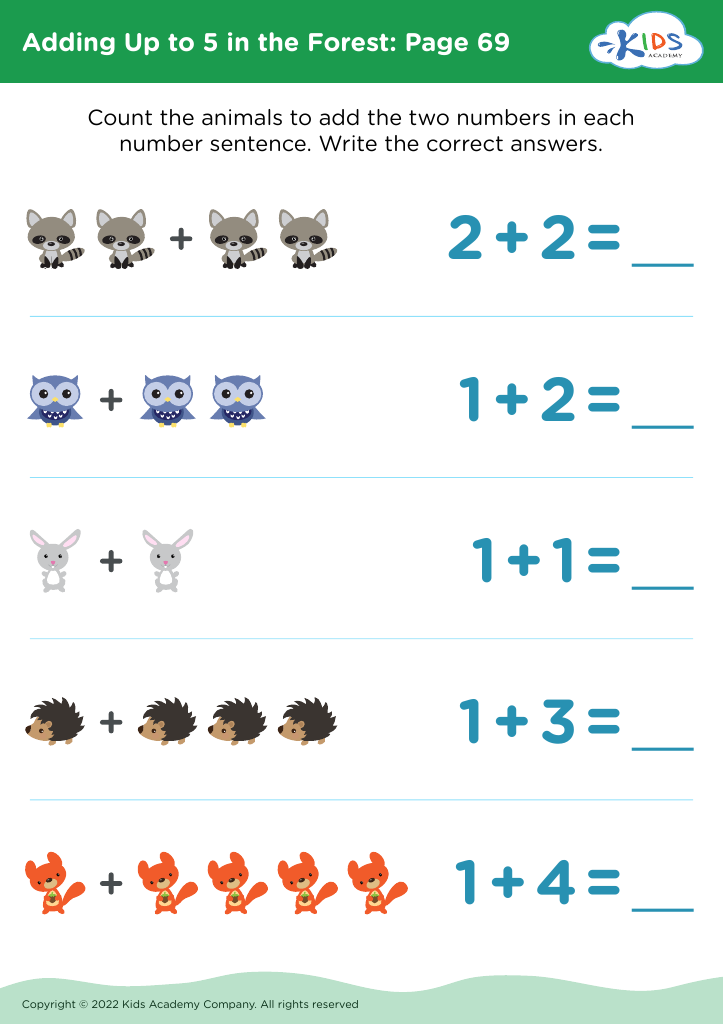
Adding Up to 5 in the Forest: Page 69
Worksheet
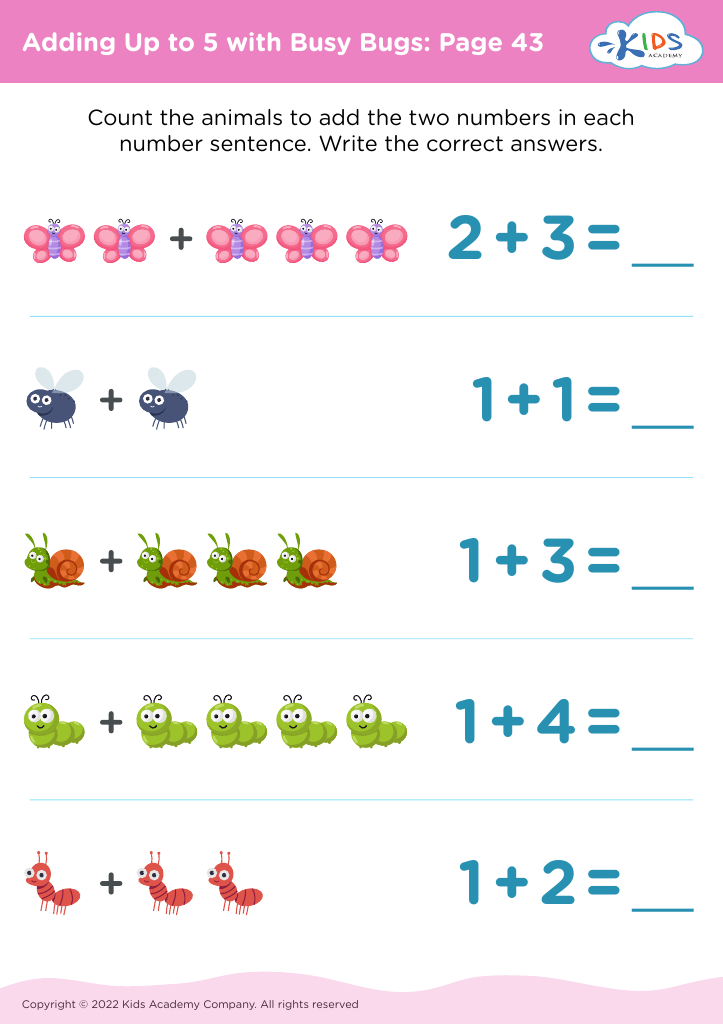
Adding Up to 5 with Busy Bugs: Page 43
Worksheet
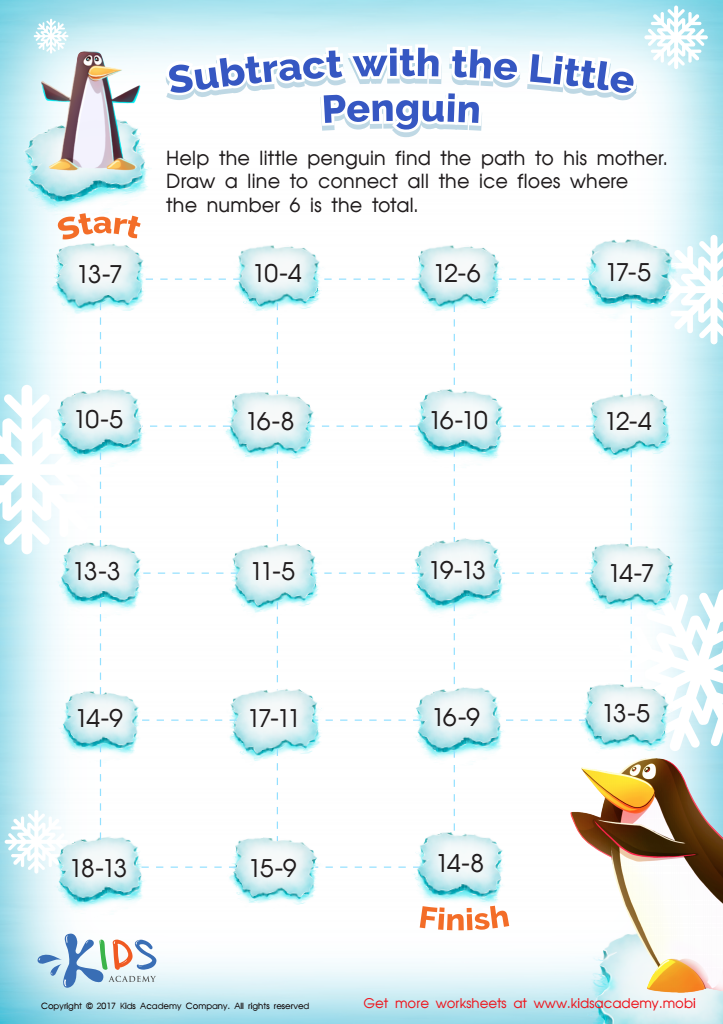
Subtraction puzzle worksheet

Subtract With The Little Penguin Substraction Worksheet

Uh oh! Little penguin needs help finding mommy! Delight your child with a fun subtraction puzzle. Complete each problem and guide little penguin home with this charming worksheet! Challenge and capture their hearts with this adorable game!
Subtract With The Little Penguin Substraction Worksheet
Worksheet
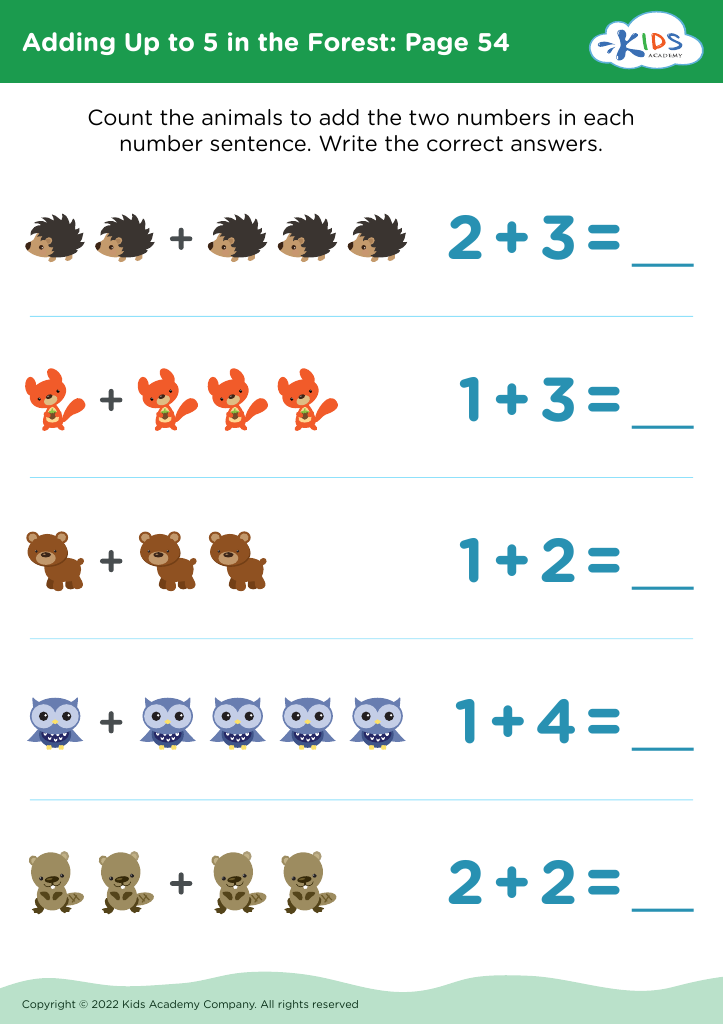
Adding Up to 5 in the Forest: Page 54
Worksheet
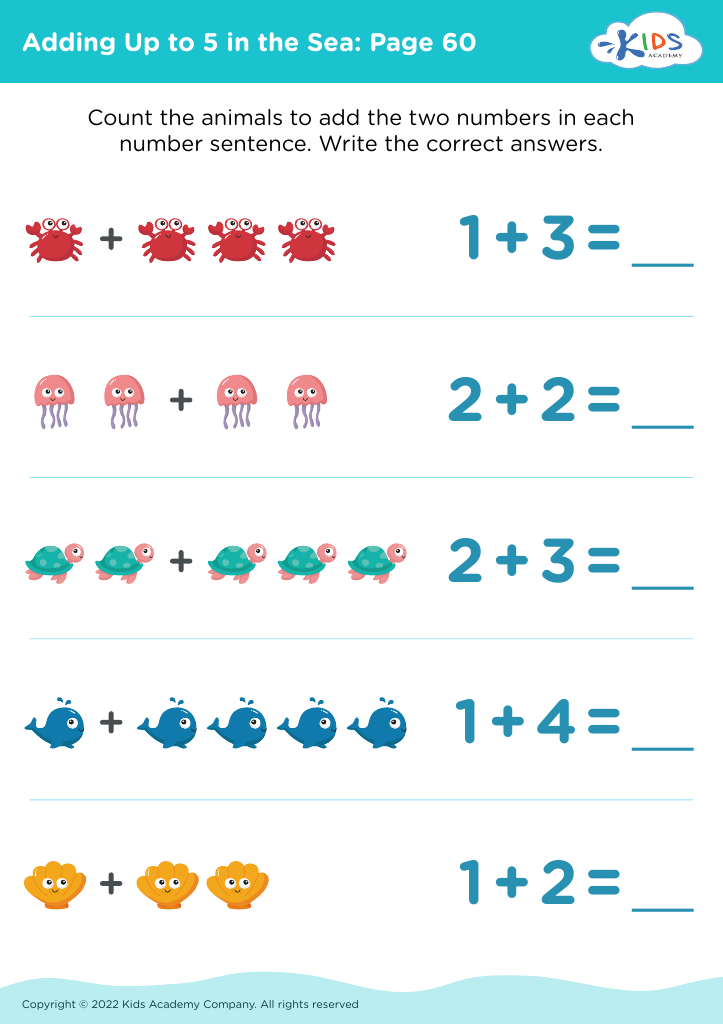
Adding Up to 5 in the Sea: Page 60
Worksheet
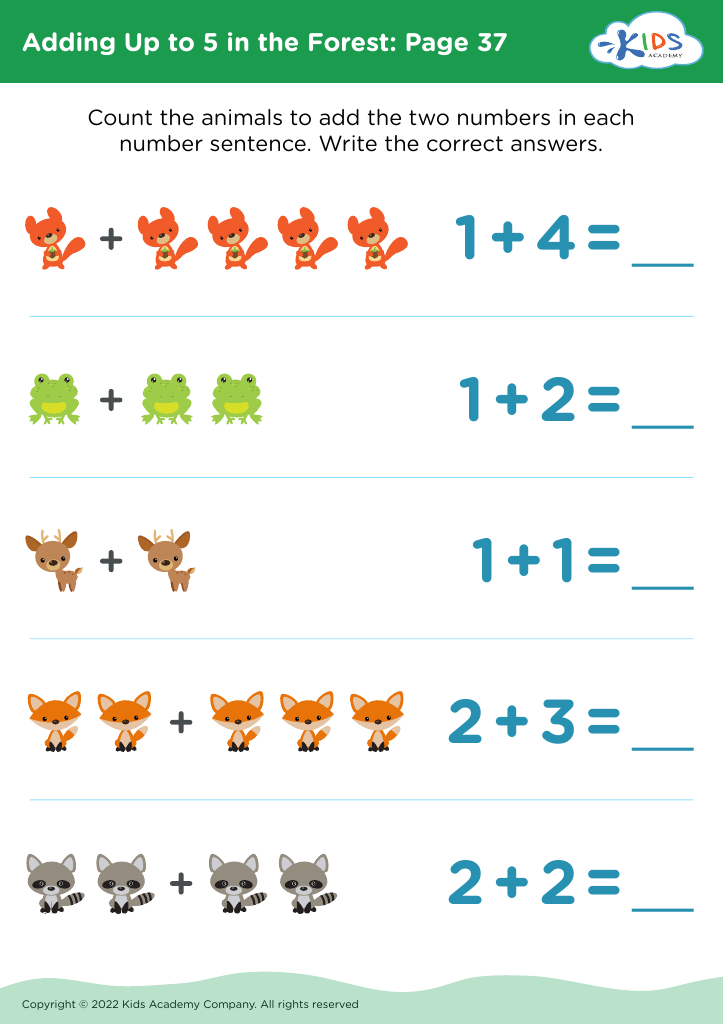
Adding Up to 5 in the Forest: Page 37
Worksheet
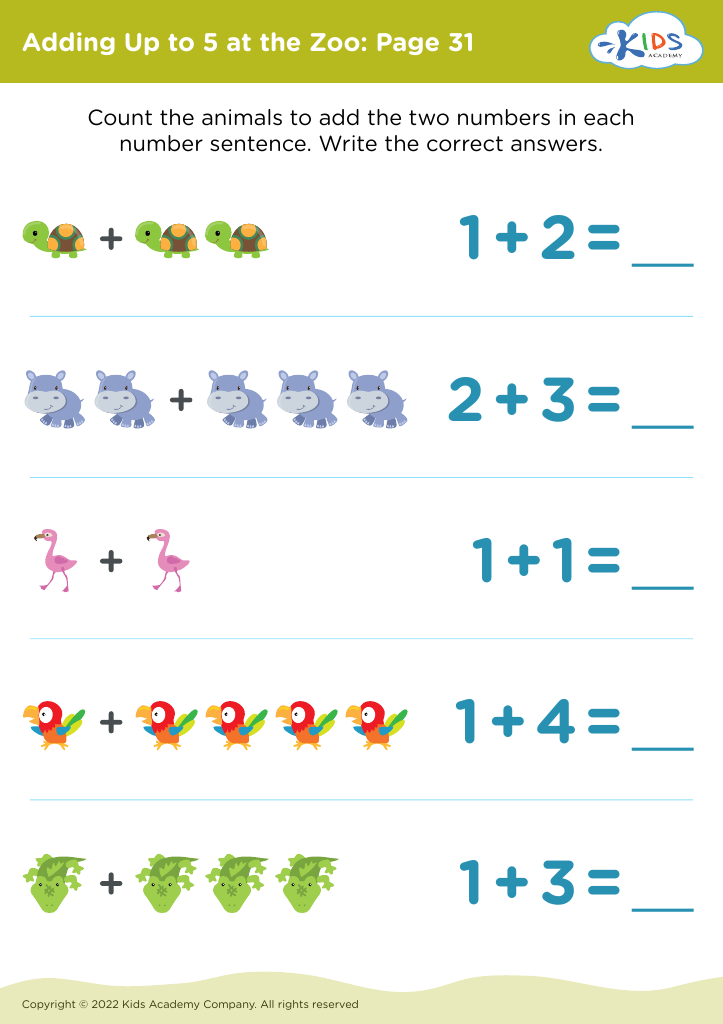
Adding Up to 5 at the Zoo: Page 31
Worksheet
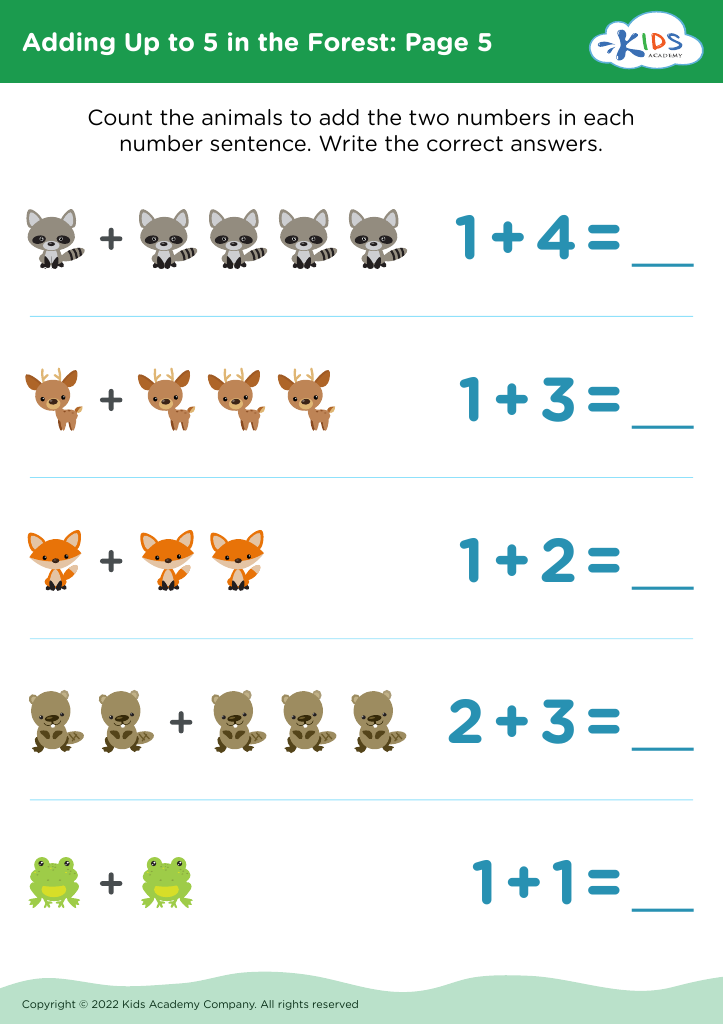
Adding Up to 5 in the Forest: Page 5
Worksheet
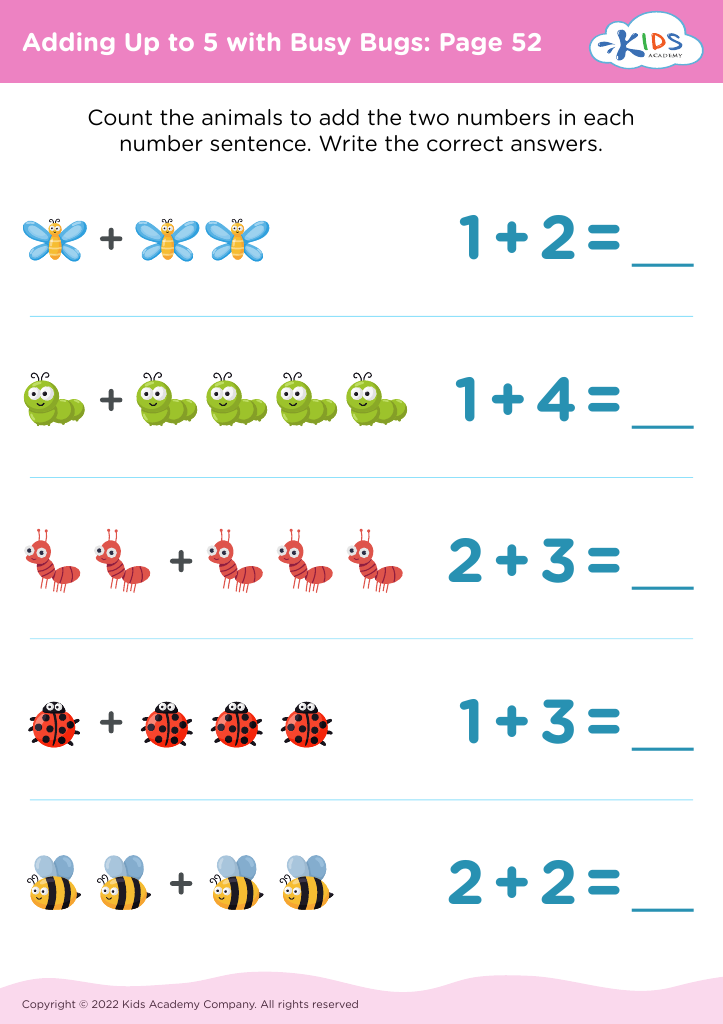
Adding Up to 5 with Busy Bugs: Page 52
Worksheet
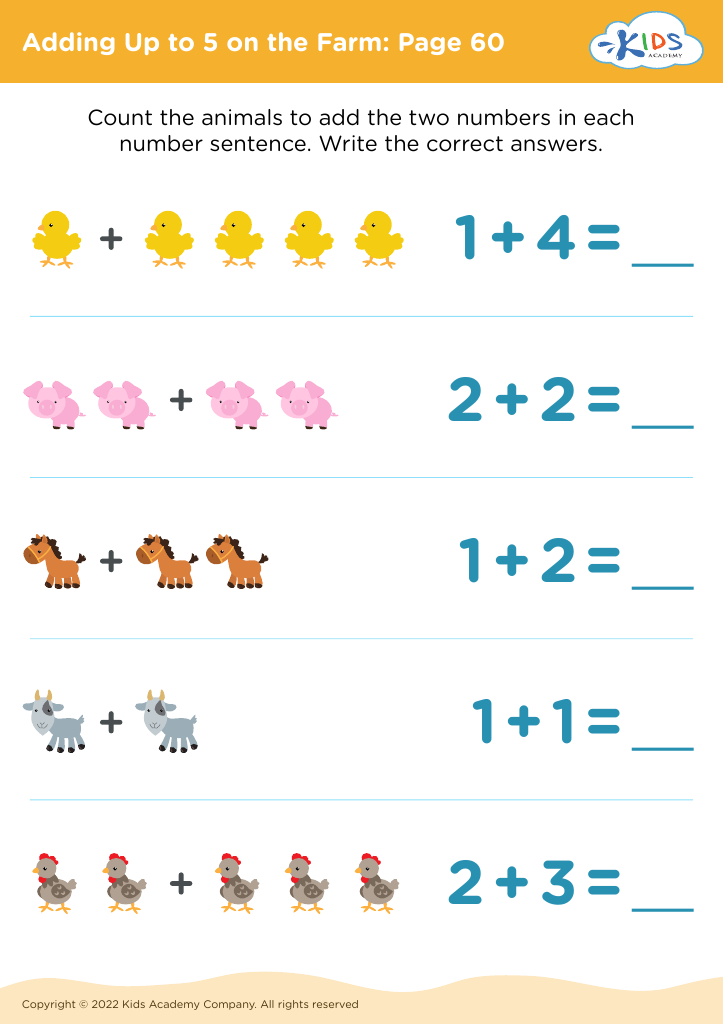
Adding Up to 5 on the Farm: Page 60
Worksheet
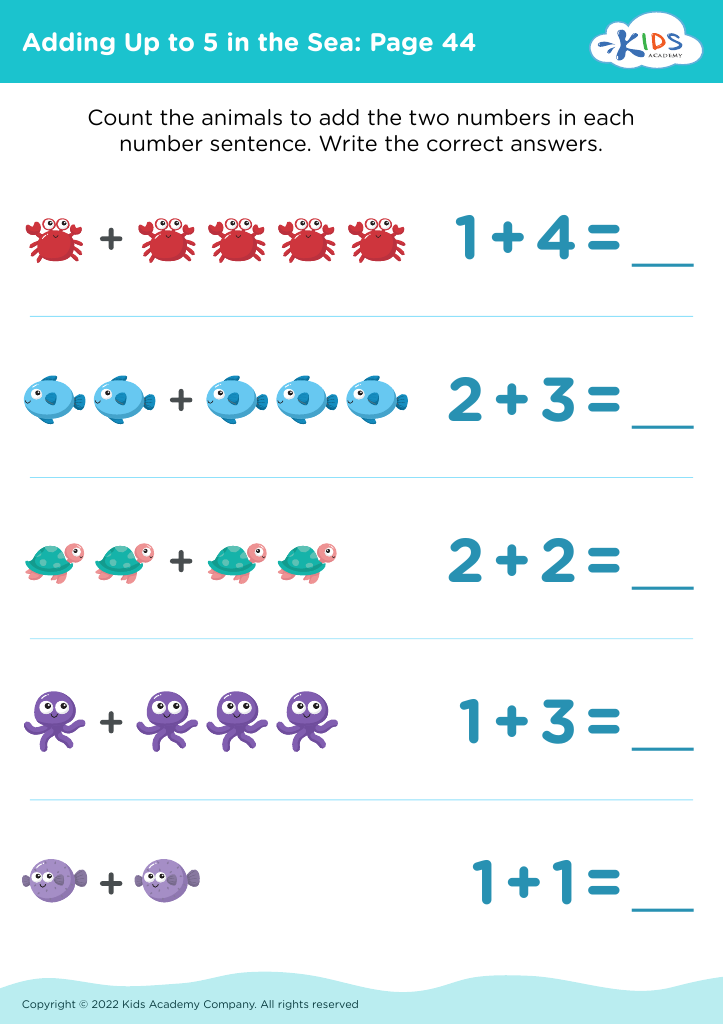
Adding Up to 5 in the Sea: Page 44
Worksheet


... 4 5

Cognitive development in early childhood, particularly in foundational math skills such as addition and subtraction, is critical for numerous reasons. For parents and teachers, understanding the significance of esteeming these skills fosters a deeper comprehension of a child’s overall development.

First, mastering addition and subtraction lays the groundwork for future academic success in mathematics. Children as young as three are naturally curious and begin to explore numbers through play, art, and everyday situations. Engaging them in activities that promote these skills helps enhance their problem-solving abilities and logical reasoning.

Moreover, cognitive development in math helps with brain maturation and the development of critical thinking skills. Early interactions with numbers stimulate neural pathways that will support more complex math concepts later on, ensuring they are equipped to tackle real-world challenges.

Finally, learning addition and subtraction also nurtures emotional and social development, as children learn to share, collaborate, and communicate when they engage in group activities focused on these skills. By investing time and resources around these basic math operations, parents and teachers can promote a well-rounded educational experience that prepares children for a successful future, both academically and socially. This foundational learning is essential, as it shapes their approach to problem-solving throughout life.