
Fine Motor Skills (coloring) Addition & Subtraction Worksheets for Ages 3-5
3 filtered results
Difficulty Level
Grade
Age
-
From - To
Subject
Activity
Standards
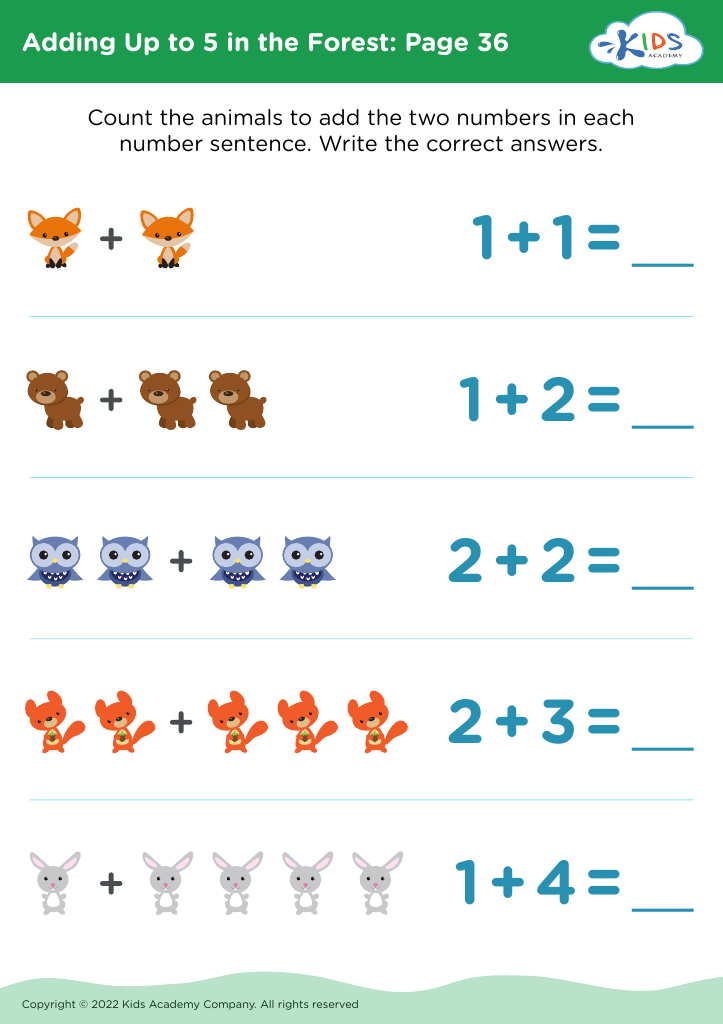
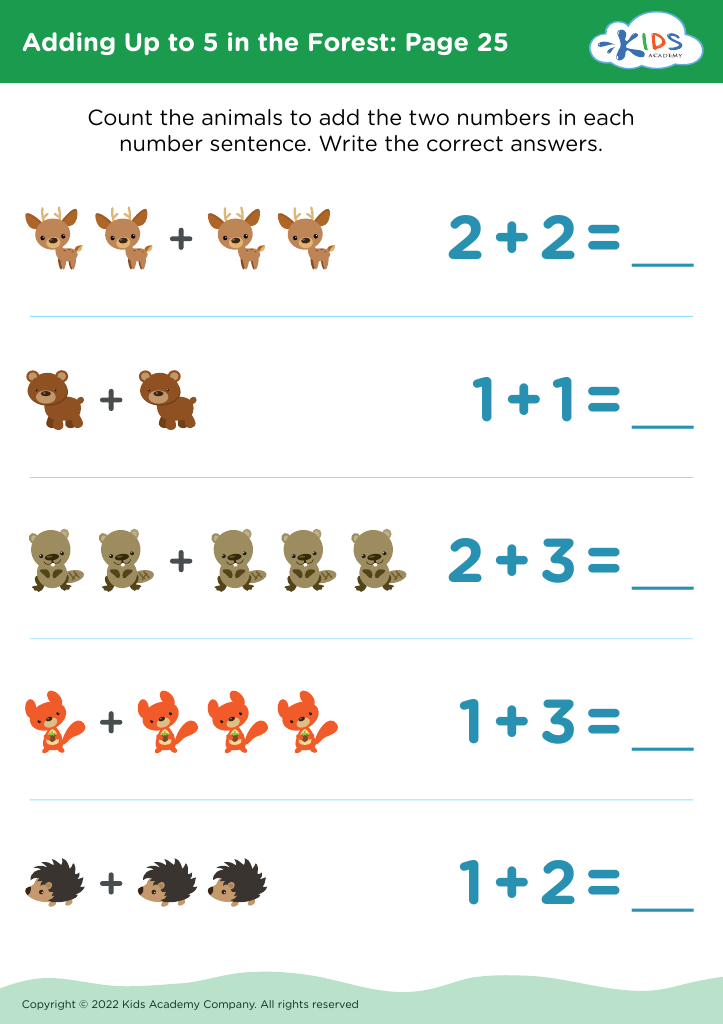
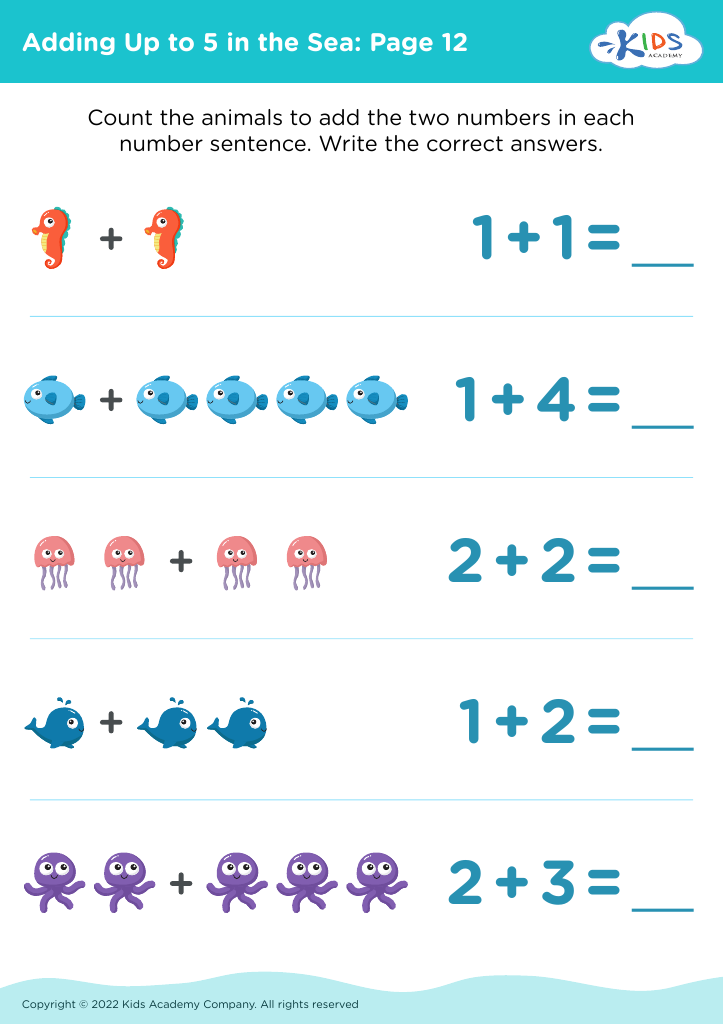
Welcome to our Fine Motor Skills Coloring Addition & Subtraction Worksheets for Ages 3-5! Designed to engage young minds, these worksheets combine essential math concepts with fun coloring activities. As children work through simple addition and subtraction problems, they also enhance their fine motor skills by coloring inside the lines and manipulating crayons or markers. This dual approach not only reinforces math understanding but also promotes hand-eye coordination and strength. Perfect for at-home learning or classroom settings, our worksheets provide a creative and enjoyable way for children to grasp foundational math skills while honing their artistic expression. Start exploring today!
Favorites
With answer key
Interactive
Join Kids Academy for Free
Who is primarily going to use this learning content?








Fine motor skills are crucial for young children's development, as they form the foundation for many everyday tasks. Activities like coloring not only enhance these skills but also bolster cognitive functions, such as addition and subtraction, crucial for early math literacy. Engaging in coloring helps children develop hand-eye coordination and control over their finger movements, which are essential for writing and other important small-scale tasks as they progress through school.
For children aged 3 to 5, the combination of fine motor skill development and early mathematical understanding sets the stage for their future success in both academic and life skills. When parents or teachers incorporate fun activities that include coloring, they create a hands-on approach to learning that is more engaging than traditional teaching methods.
Furthermore, as they color, children can learn to recognize numbers and practice simple addition and subtraction concepts in a playful way, deepening their understanding through creative expression. This dual focus on fine motor skills and arithmetic fosters critical thinking and problem-solving abilities while building confidence. By prioritizing these facets of development, parents and educators are equipping children with essential skills for later academic achievement and everyday problem-solving.








