Understanding numeracy Addition & Subtraction Worksheets for Ages 3-5
4 filtered results
-
From - To
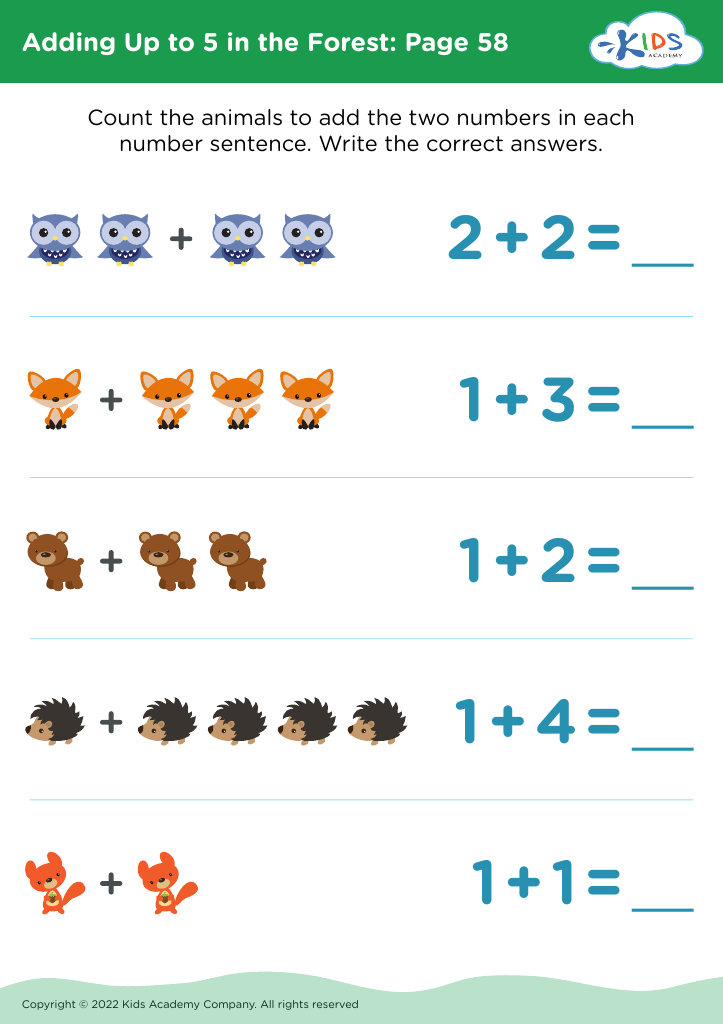
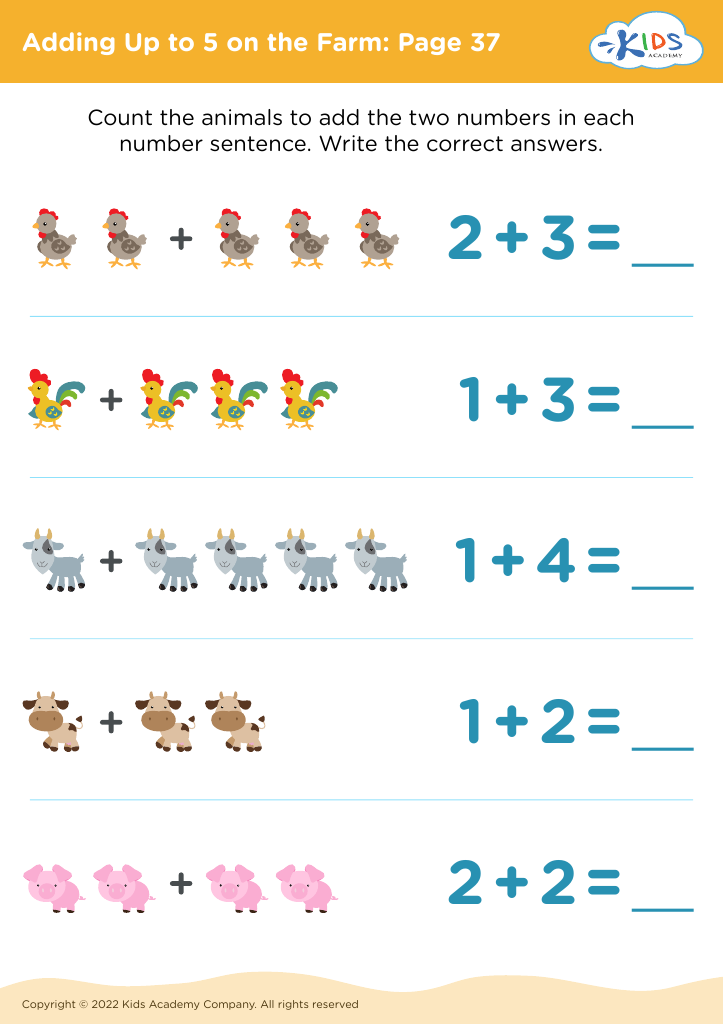
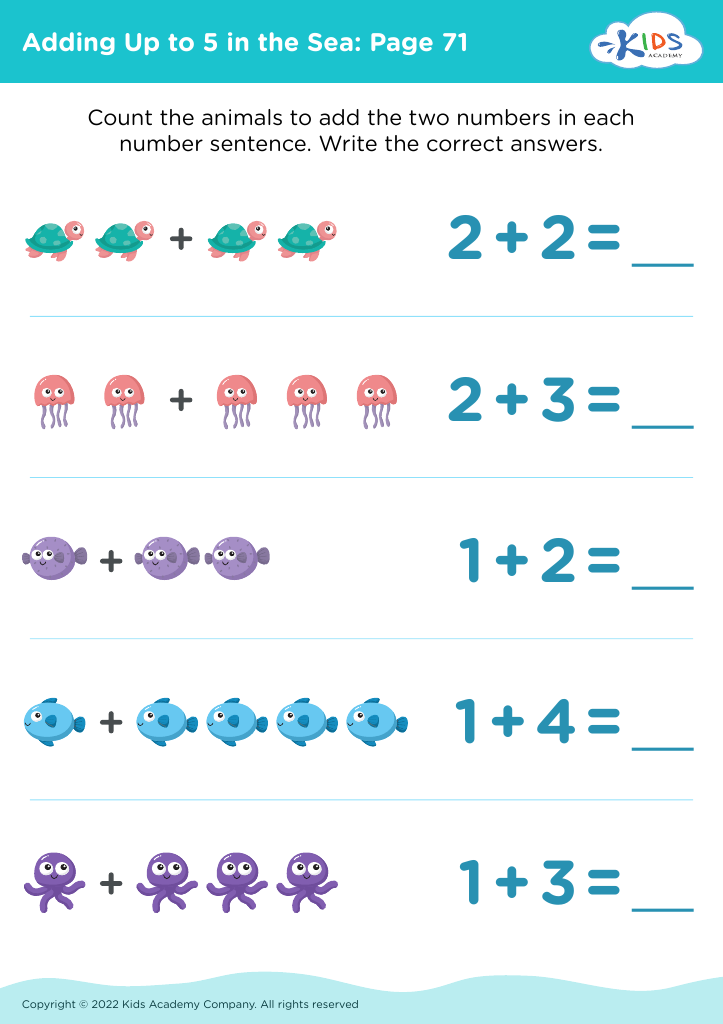
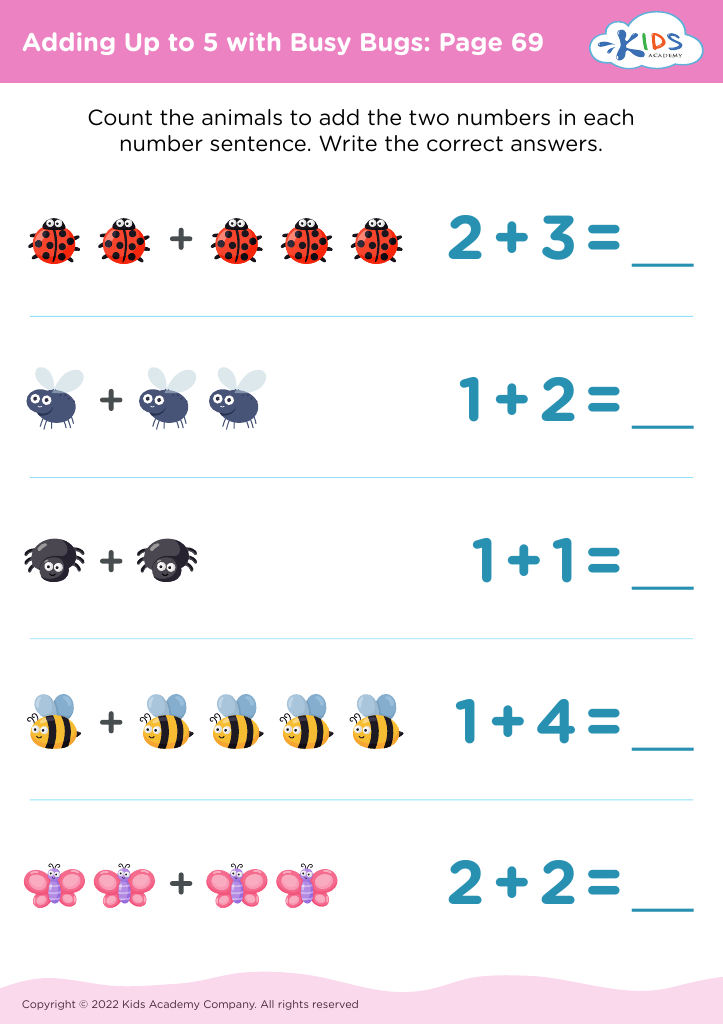
Unlock the world of numeracy for your little ones with our engaging Addition & Subtraction Worksheets, designed specifically for ages 3-5. These interactive resources help young learners build a strong foundational understanding of basic math concepts. With colorful illustrations and simple, step-by-step exercises, kids will enjoy practicing their addition and subtraction skills in a fun and stimulating way. Our worksheets not only promote number recognition but also enhance critical thinking and problem-solving abilities. Ideal for both classroom settings and at-home learning, these numeracy worksheets are perfect for nurturing your child’s confidence and love for math from an early age. Get started today!








Understanding numeracy, particularly addition and subtraction, is crucial for children aged 3-5, as it lays the foundation for their future mathematical skills and overall cognitive development. During these formative years, children are naturally curious and eager to learn, making it an ideal time to introduce fundamental concepts. Parents and teachers play a vital role in fostering this early numeracy understanding.
When children grasp addition and subtraction, they develop critical thinking and problem-solving skills, essential for everyday life. It encourages them to understand relationships between numbers and how they can manipulate them, which offers a sense of achievement and boosts their confidence. Furthermore, these skills are intricately connected to language development; discussing mathematical concepts enriches vocabulary and communication.
In addition to academic benefits, early numeracy promotes social skills. Engaging in group games involving counting, sharing, or comparing quantities teaches teamwork, patience, and empathy. Moreover, understanding addition and subtraction can enhance children's ability to relate to the world around them, from managing simple chores to dealing with finances as they grow.
In summary, emphasizing numeracy helps create well-rounded individuals capable of navigating complex situations, making it vital for parents and teachers to be actively involved in this learning process.








