Visual Perception Skills Addition & Subtraction Worksheets for Ages 3-5
5 filtered results
-
From - To
Welcome to our engaging "Visual Perception Skills Addition & Subtraction Worksheets" for children aged 3-5! These worksheets are designed to enhance key visual perception skills necessary for early math success. Through fun and interactive activities, young learners will sharpen their ability to identify shapes, distinguish between sizes, and follow visual patterns—foundational skills that support addition and subtraction concepts. Our colorful and captivating activities make learning enjoyable while promoting critical thinking. Perfect for both homeschoolers and classroom settings, these worksheets provide an effective approach to fostering essential math skills in early learners. Explore our resources to support your child's exciting journey into math!
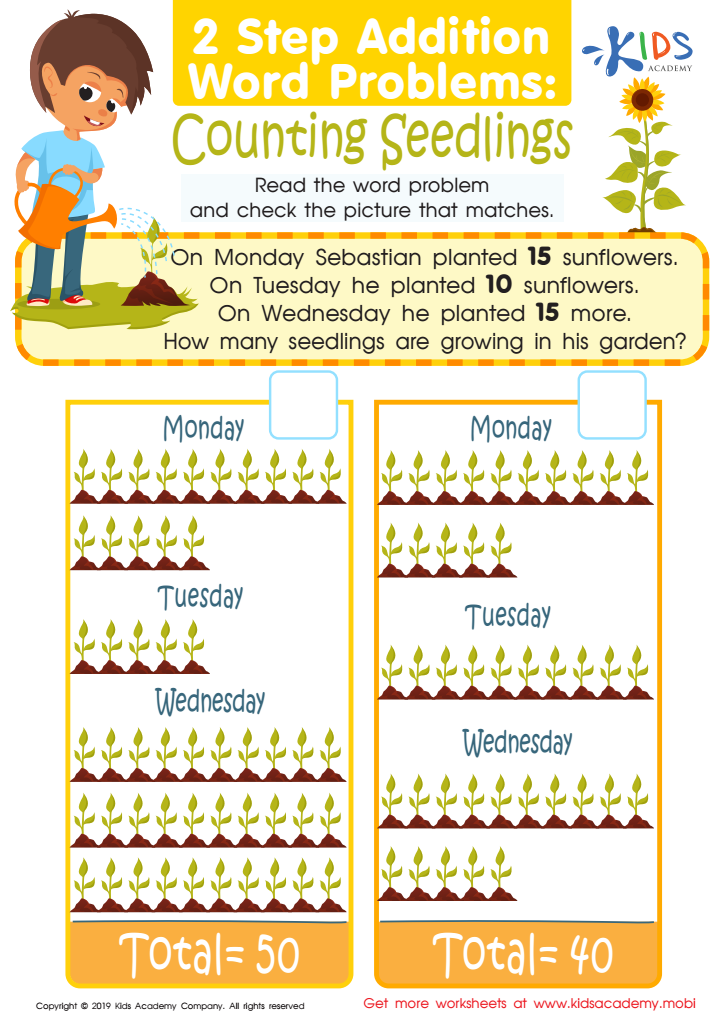
Counting Seedlings Worksheet
 Assign to My Students
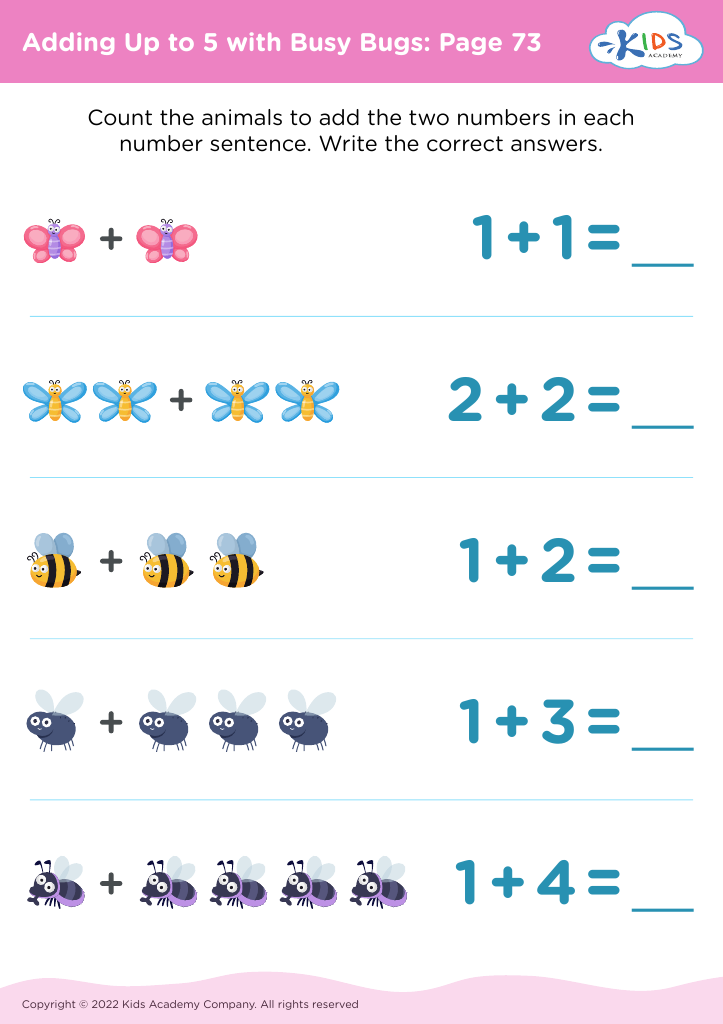
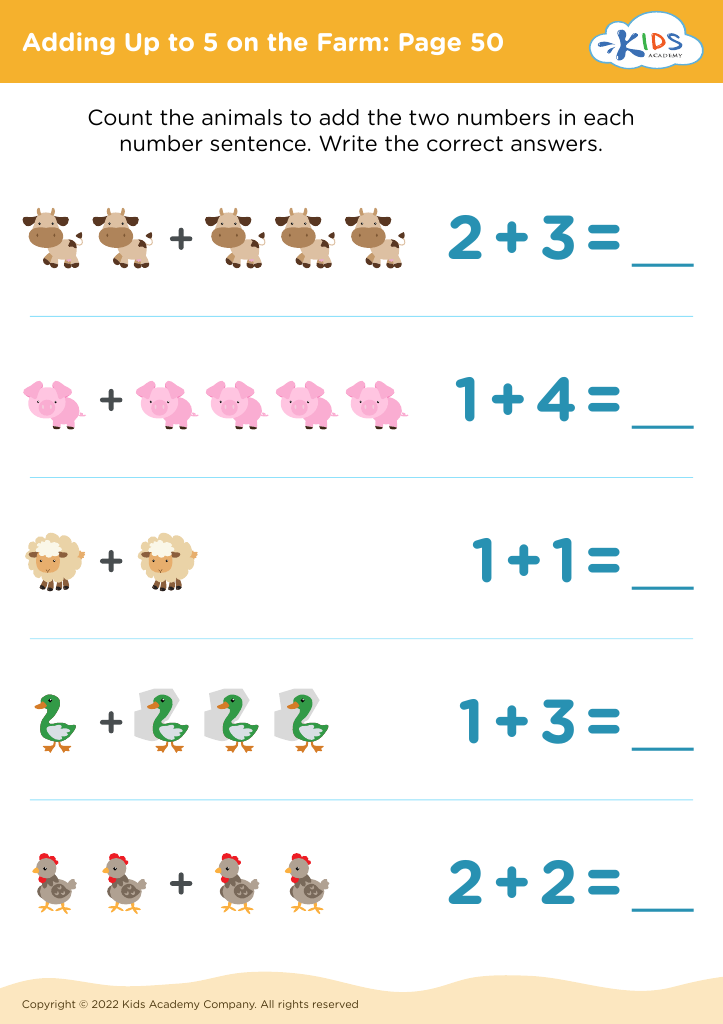
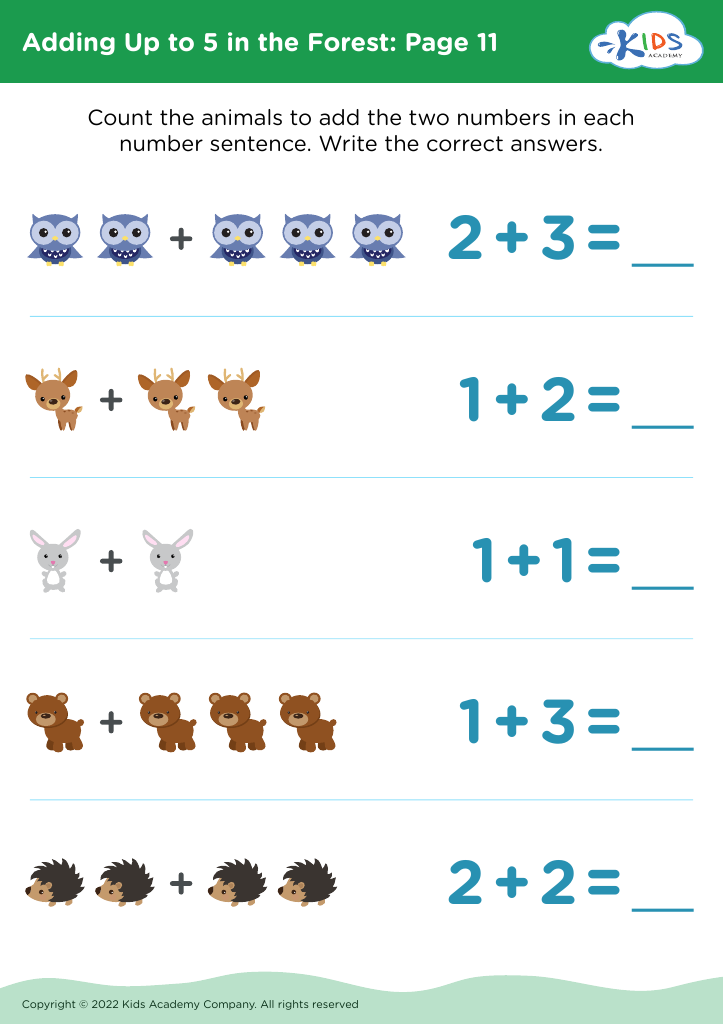
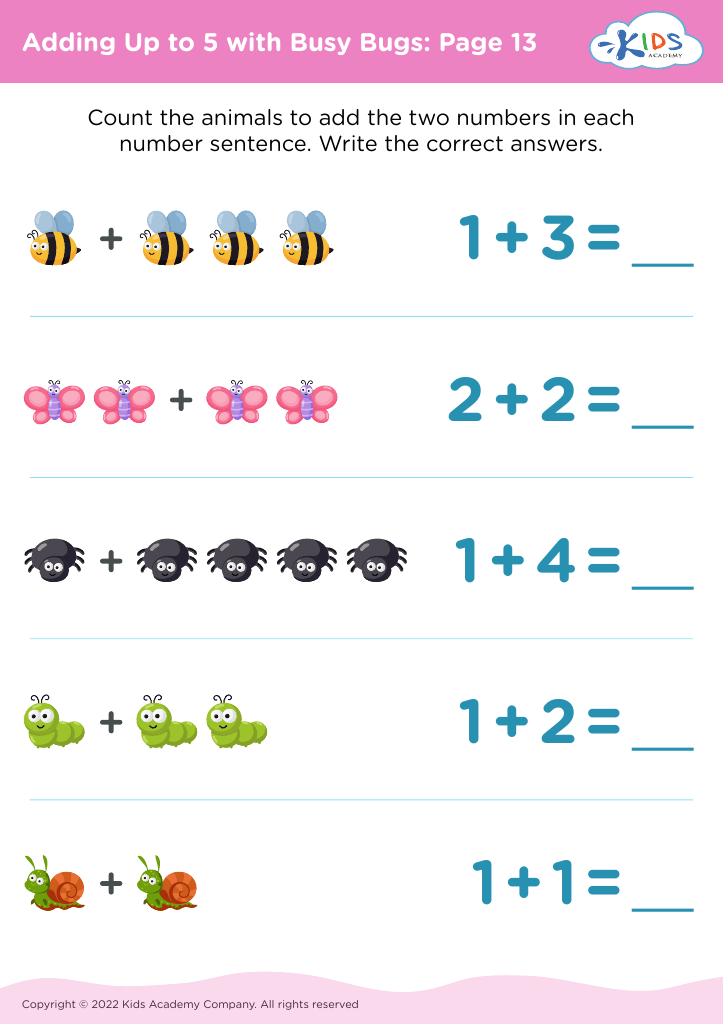








Visual perception skills play a crucial role in the early development of addition and subtraction skills in children aged 3-5. These skills involve the ability to interpret, use, and make sense of visual information, which is pivotal during early math experiences. When parents and teachers nurture these skills, they lay a solid foundation for mathematical understanding.
For young children, concepts like number recognition and the relationships between quantities are best grasped visually. By engaging with counting games using physical objects, colorful charts, or number visuals, children strengthen their ability to see and manipulate numbers meaningfully. This also enhances their spatial awareness, an essential aspect of later math skills.
Moreover, visual perception activities foster attention to detail and problem-solving abilities. When parents and teachers prioritize these skills, they encourage children's critical thinking as they learn to visualize math problems rather than rely on rote memorization. This adaptable vision aids in later academic success.
Ultimately, by engaging children in playful yet targeted visual perception exercises for addition and subtraction, parents and teachers actively contribute to their cognitive growth, promoting confidence and a lifelong positive attitude towards learning math. This early investment can lead to better performance in school and a love for mathematics in the future.








