Basic Math Skills Addition Worksheets for Ages 3-5 - Page 2
27 filtered results
-
From - To
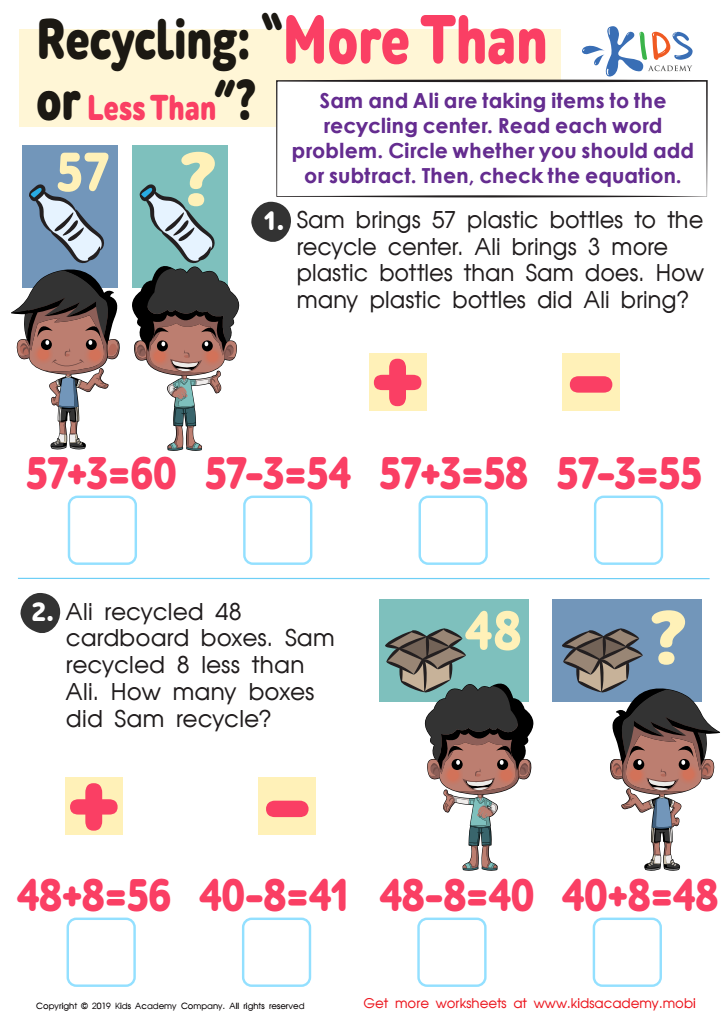
Recycling - More or Less Worksheet
 Assign to My Students
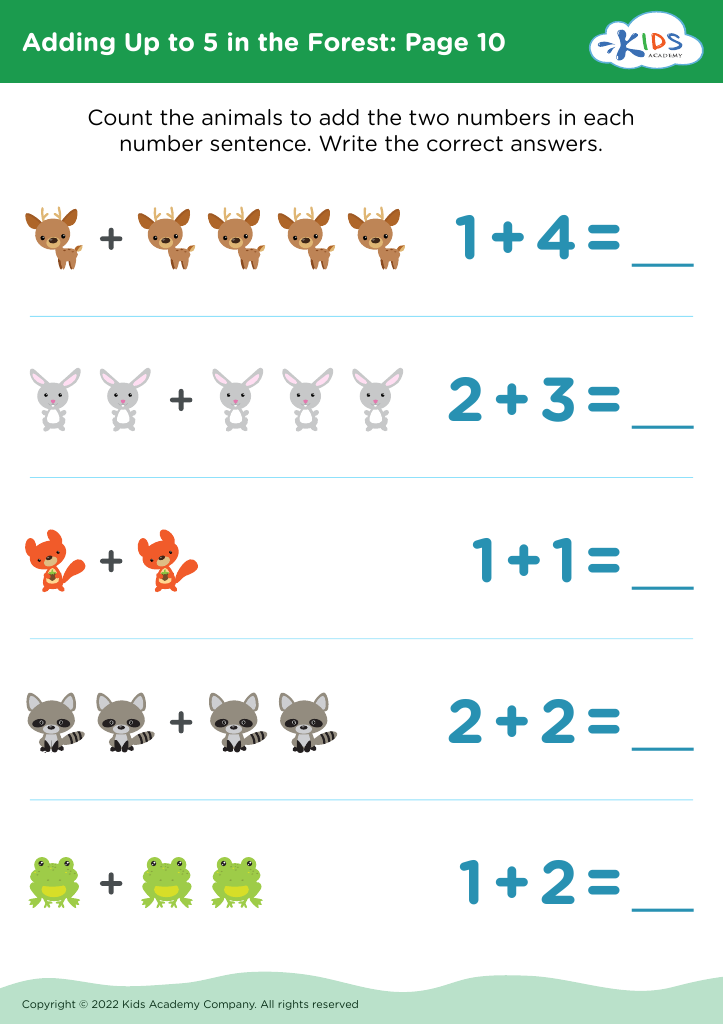
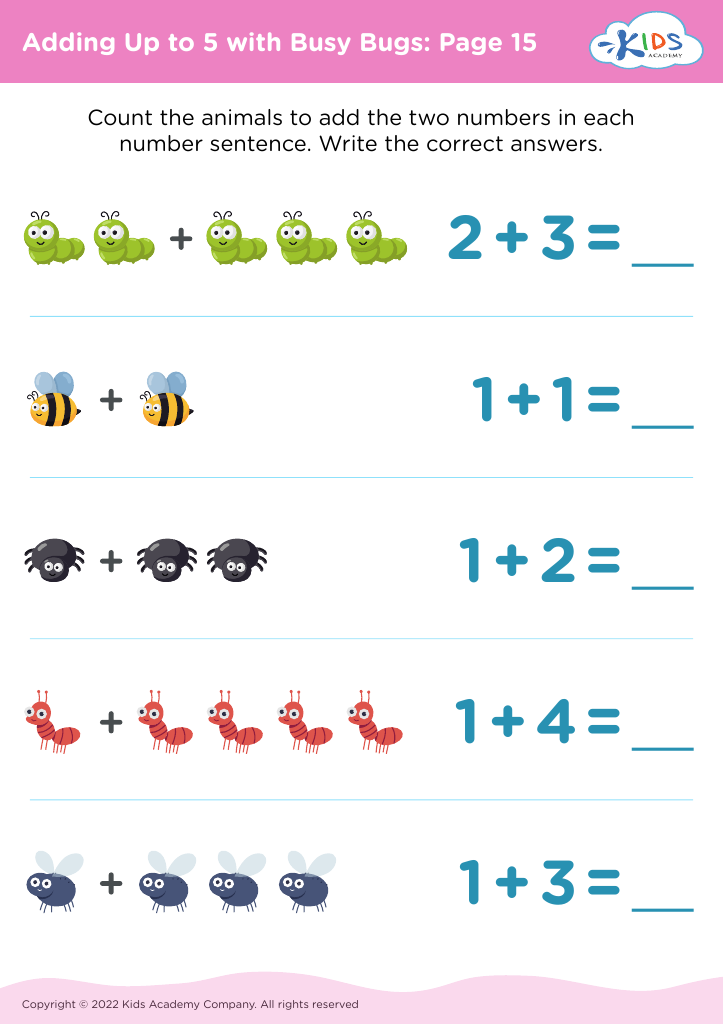







Parents and teachers should prioritize basic math skills, particularly addition, for children ages 3-5 because this foundational knowledge is crucial for lifelong learning and cognitive development. During these early years, children's brains are highly receptive, making it the perfect time to introduce mathematical concepts. Addition, as one of the core functions of math, helps children understand quantities, develop counting skills, and nurture problem-solving abilities.
Engaging young learners with addition through playful activities, such as counting toys or using everyday objects, fosters a positive attitude towards math. This hands-on approach not only stimulates interest but also enhances fine motor skills and cognitive abilities. Furthermore, mastering basic addition lays the groundwork for more complex mathematical concepts they will encounter later on in their schooling.
Additionally, early math skills support children’s academic readiness by building confidence and promoting critical thinking. Studies show that children who develop a strong foundation in math during preschool are more likely to excel in later grades. Thus, prioritizing basic addition skills is essential not only for immediate learning but also for setting children on a path towards future success in both mathematics and overall academia. Parents and teachers play vital roles in nurturing these skills through encouragement and interactive learning experiences.








