
Visual perception improvement Addition Worksheets for Ages 3-5
5 filtered results
Difficulty Level
Grade
Age
-
From - To
Subject
Activity
Standards
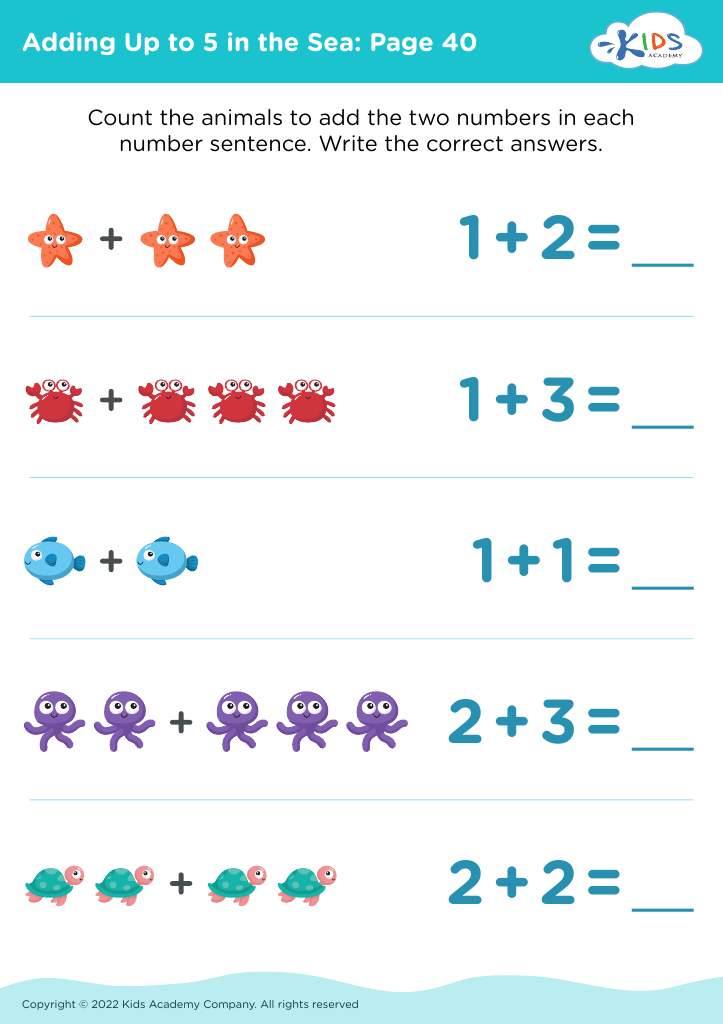
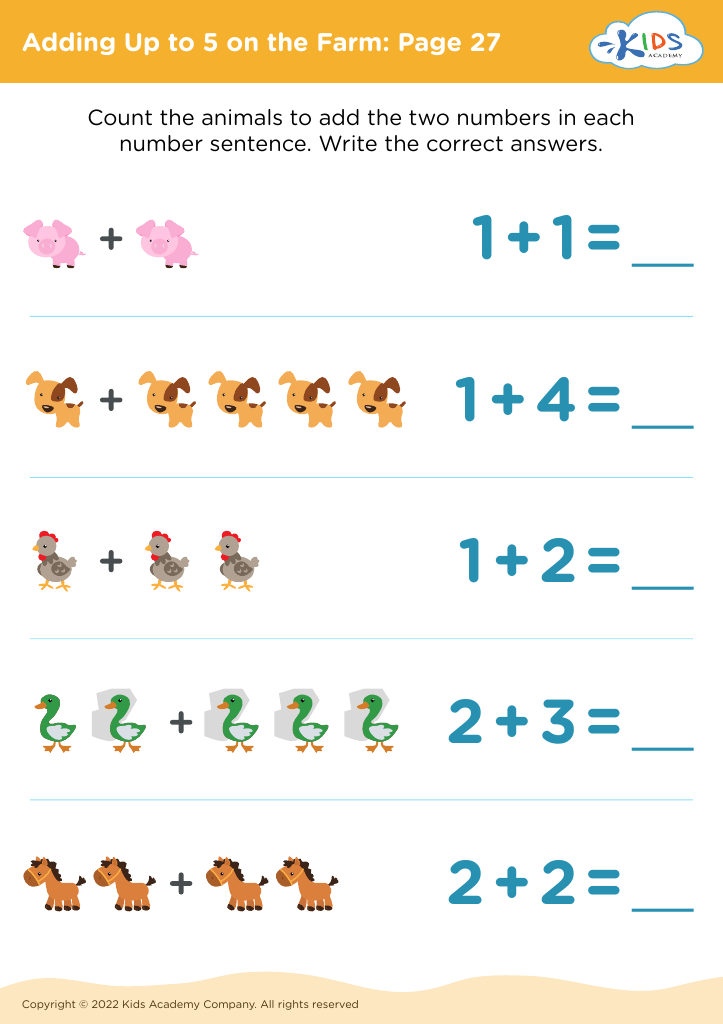
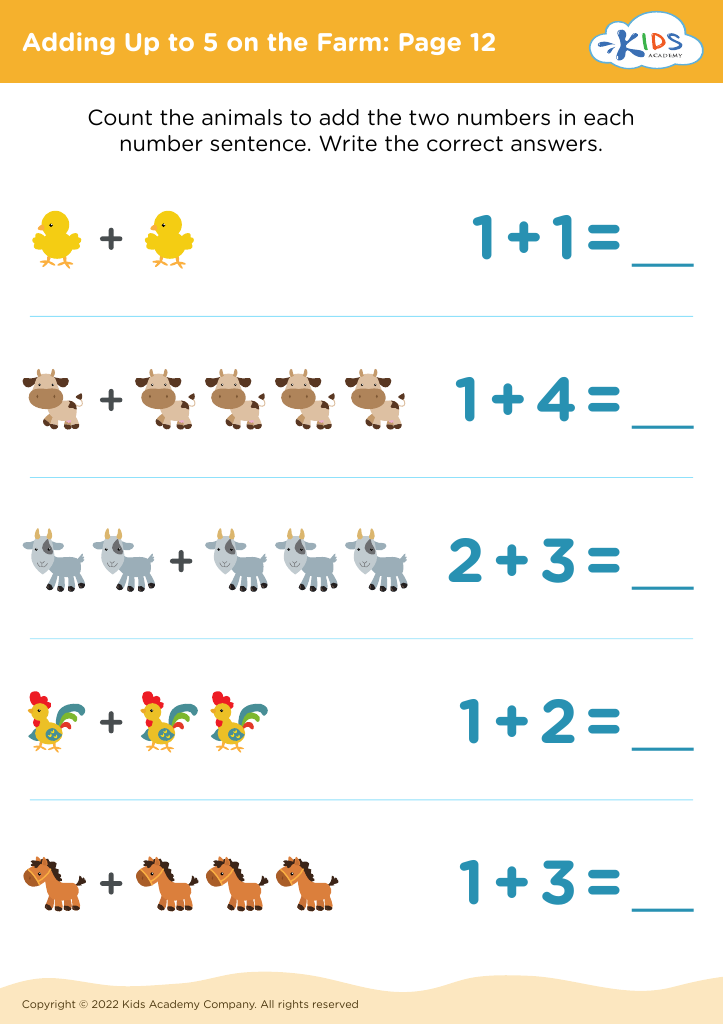
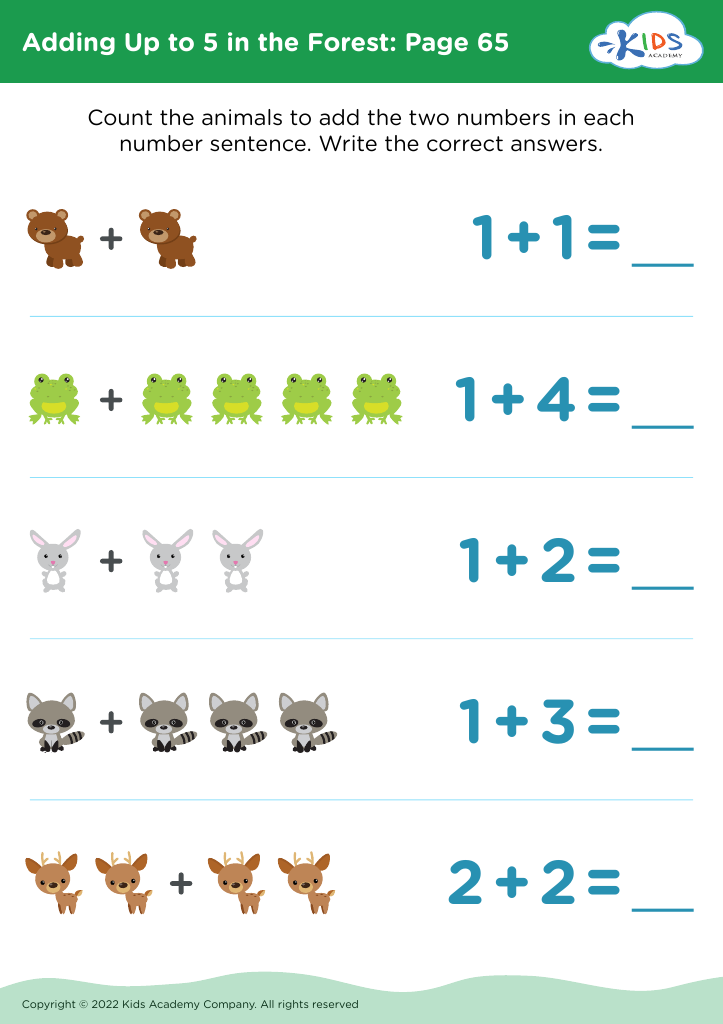
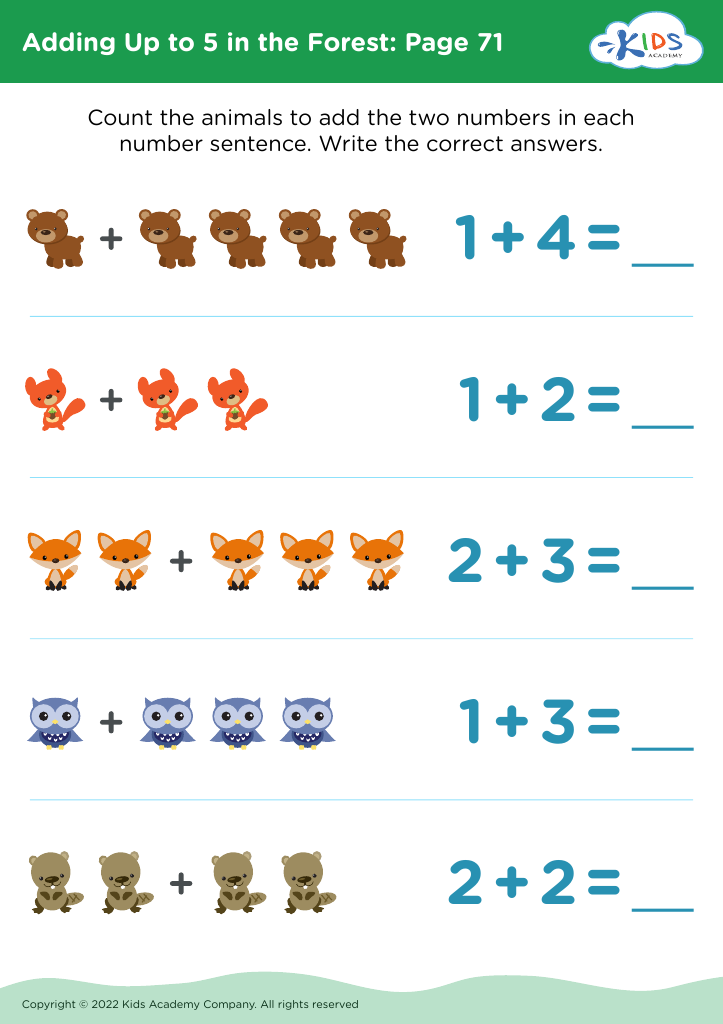
Enhance your child’s learning experience with our Visual Perception Improvement Addition Worksheets, designed specifically for ages 3-5. These engaging worksheets focus on developing key visual skills essential for early math mastery. Your little learners will tackle fun, interactive exercises that strengthen their ability to recognize shapes, differentiate colors, and understand spatial relationships while learning to add. Our carefully crafted activities promote cognitive growth through hands-on learning and playful exploration, making math enjoyable and effective. Whether at home or in the classroom, these worksheets provide a valuable resource for parents and educators alike, fostering essential skills for future academic success.
Favorites
With answer key
Interactive
Join Kids Academy for Free
Who is primarily going to use this learning content?


.jpg)





Visual perception is a critical foundation for early learning, impacting a child’s ability to understand and interact with their environment. For children aged 3-5, enhancing visual perception skills can significantly benefit their cognitive and academic development. Parents and teachers should prioritize this area of growth because it influences essential learning tasks such as reading, writing, and mathematical problem-solving.
When children improve their visual perception, they become better at recognizing patterns, identifying shapes, and distinguishing between different objects, which are vital skills as they enter school. Activities designed to improve visual perception, such as puzzles, matching games, and drawing exercises, not only boost these skills but also promote hand-eye coordination and fine motor skills.
Furthermore, strong visual perception can aid in building confidence. Children who can easily recognize letters, numbers, and other visual stimuli are more likely to engage positively in classroom activities and social interactions.
In summary, investing time in improving visual perception in young children lays a critical groundwork for lifelong learning, enhancing their ability to succeed academically and socially. Parents and teachers, therefore, play a crucial role in fostering these skills early on.








