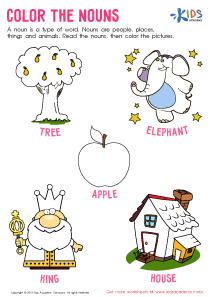
Number Recognition Comparing Numbers Worksheets for Ages 3-5
3 filtered results
-
From - To
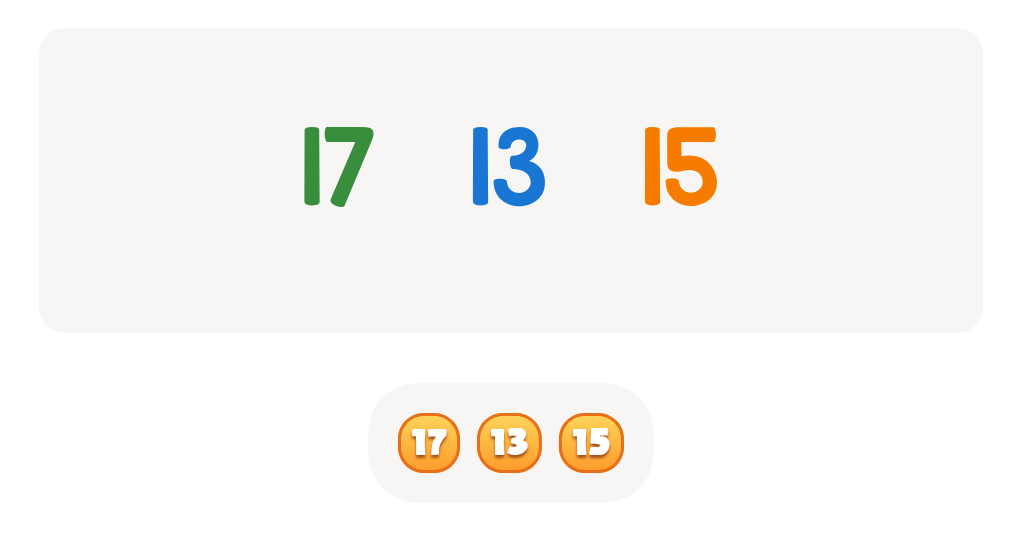
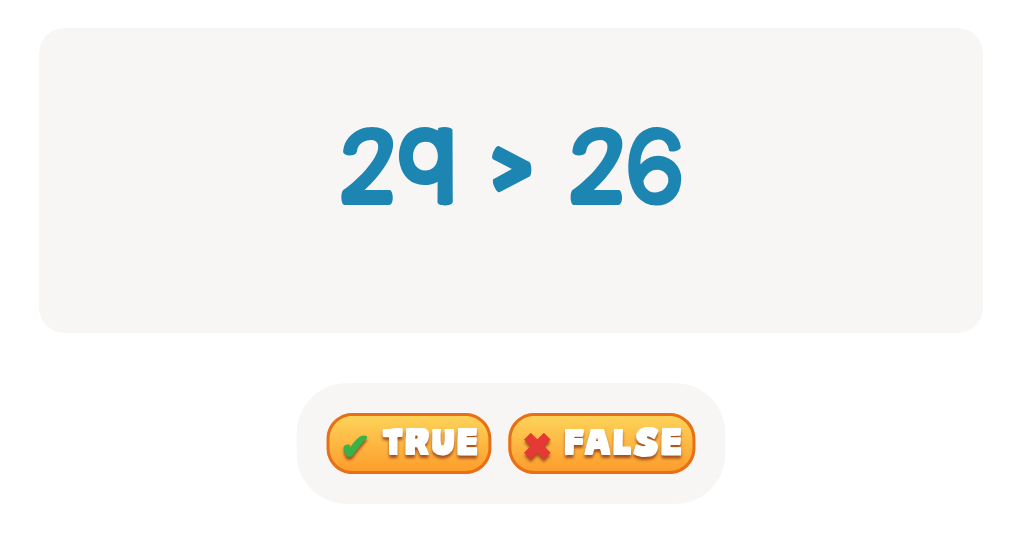
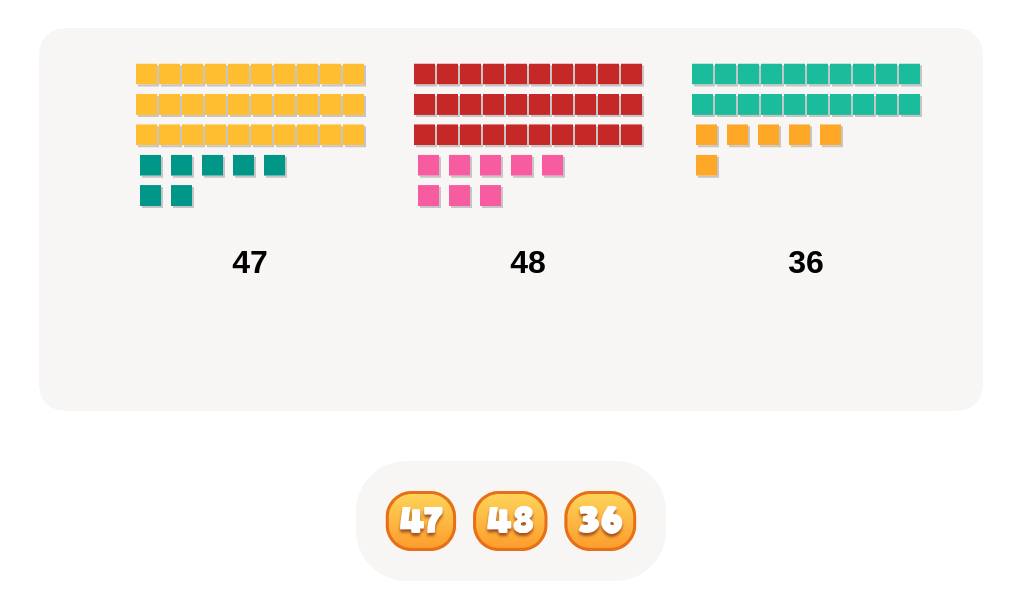
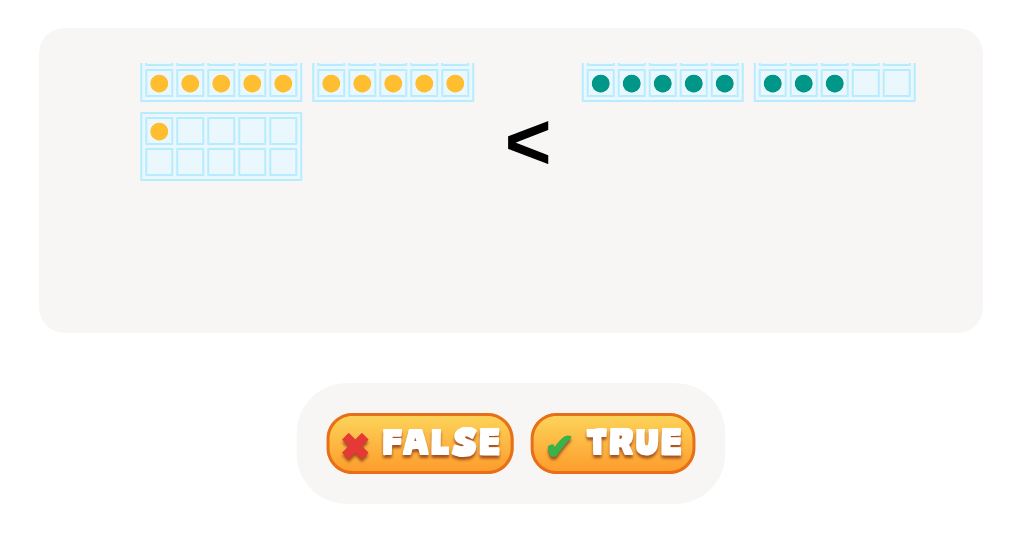
Our "Number Recognition Comparing Numbers Worksheets for Ages 3-5" are designed to make early math fun and engaging for preschoolers and kindergarteners. These printable worksheets help young learners identify, compare, and understand numbers through a variety of exciting activities. Kids will enjoy colorful images and simple exercises that build foundational numeracy skills, including counting, matching, and distinguishing between different values. Perfect for both classroom settings and at-home practice, these worksheets are an excellent resource for parents and educators looking to boost children’s confidence and proficiency in early math concepts. Help your child’s number journey begin with us!
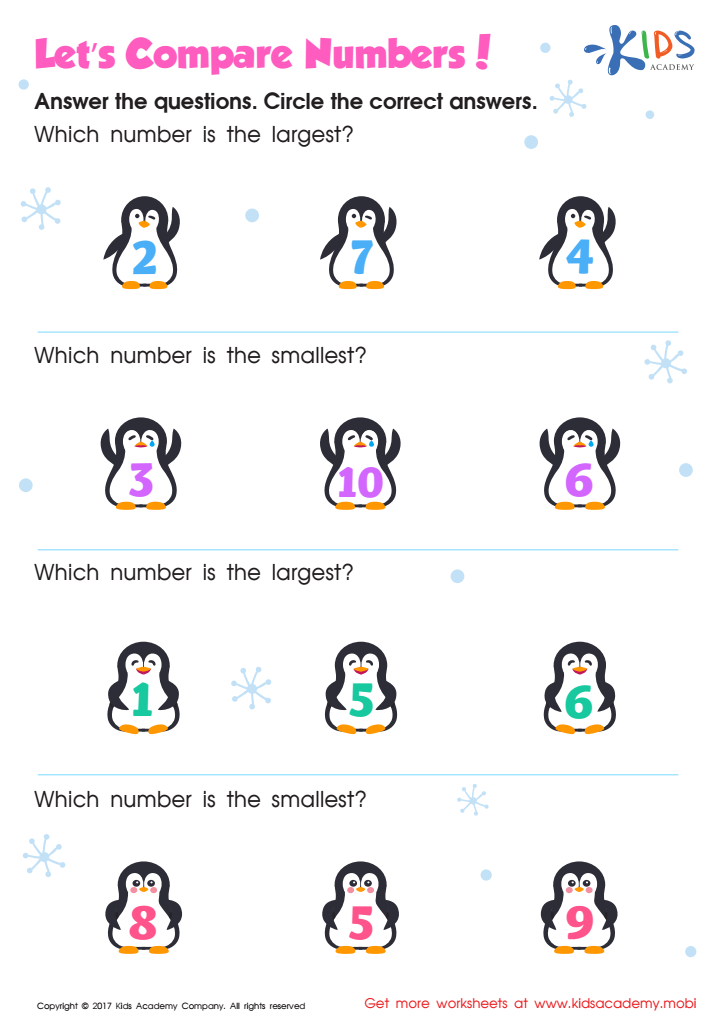
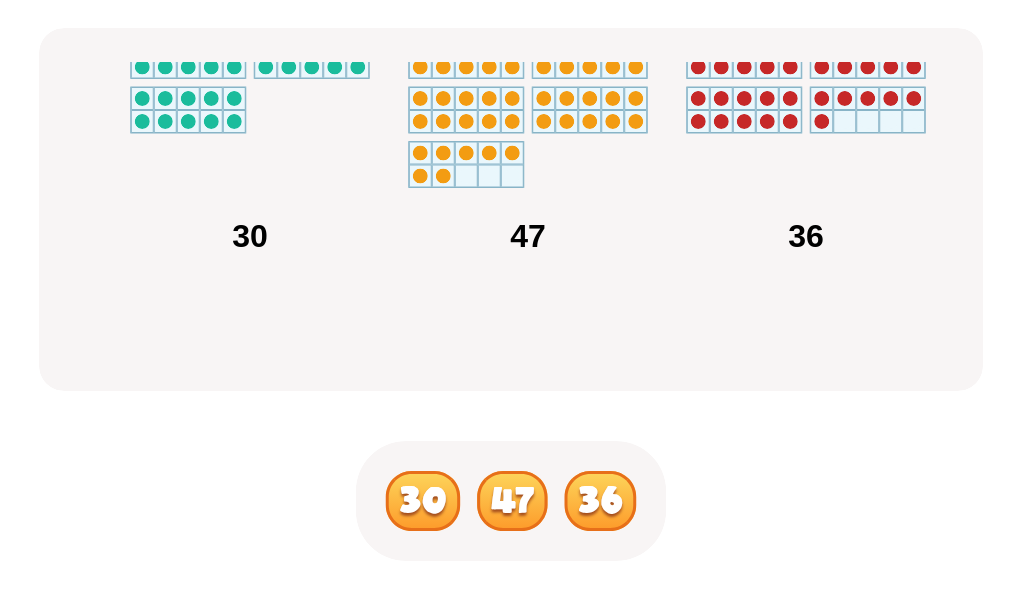
Comparing Numbers 1–10 Worksheet Kindergarten
 Assign to My Students
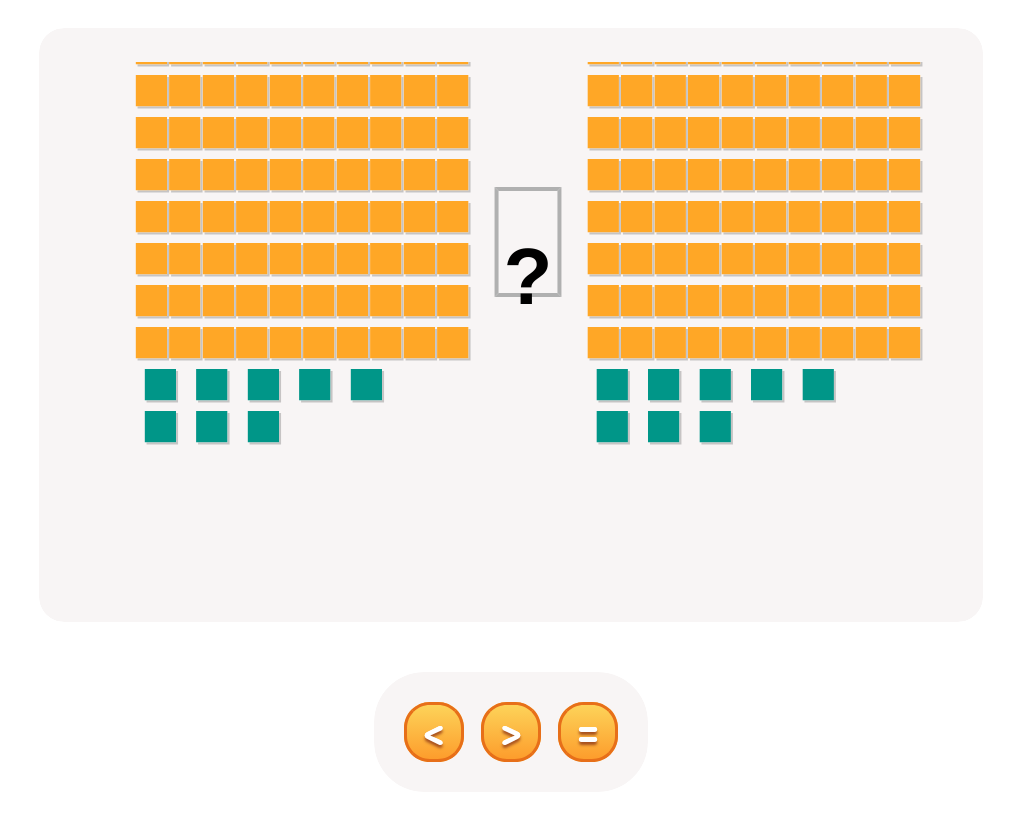

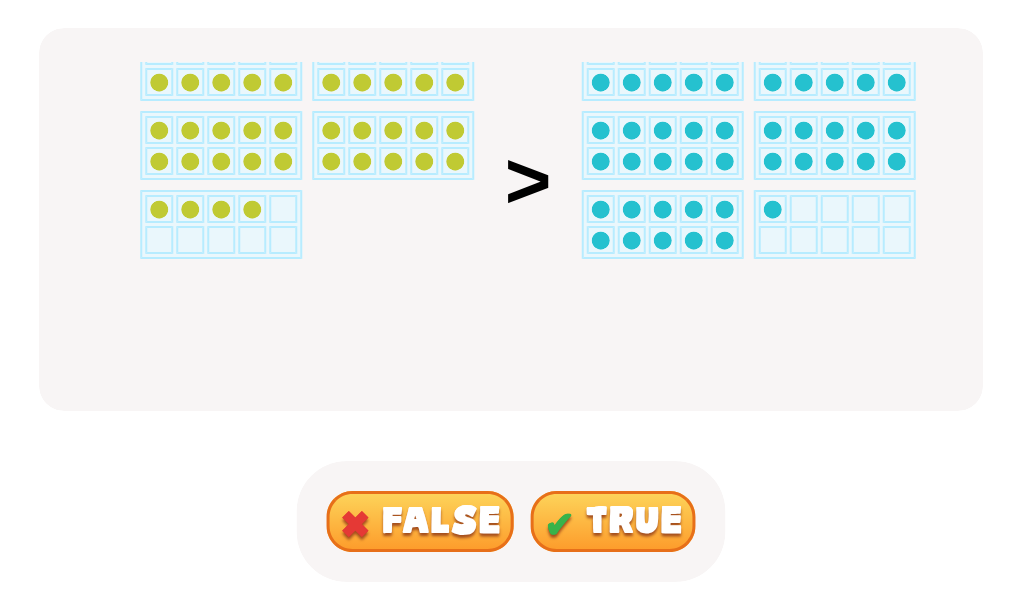


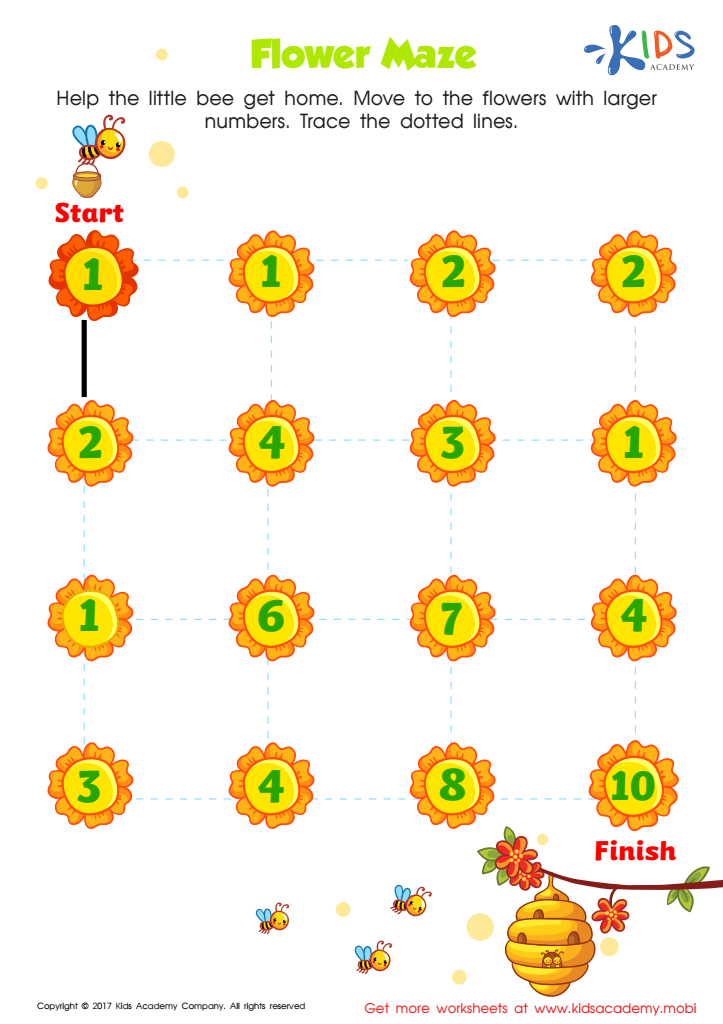
Number Maze For Kindergarten Printable
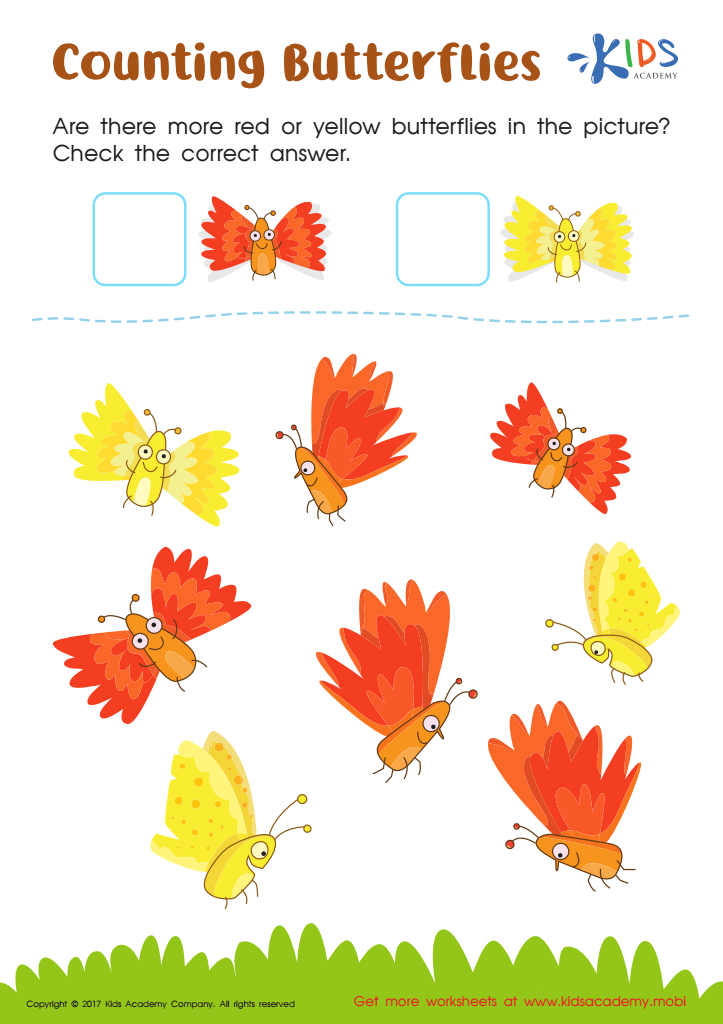
Counting Butterflies Worksheet





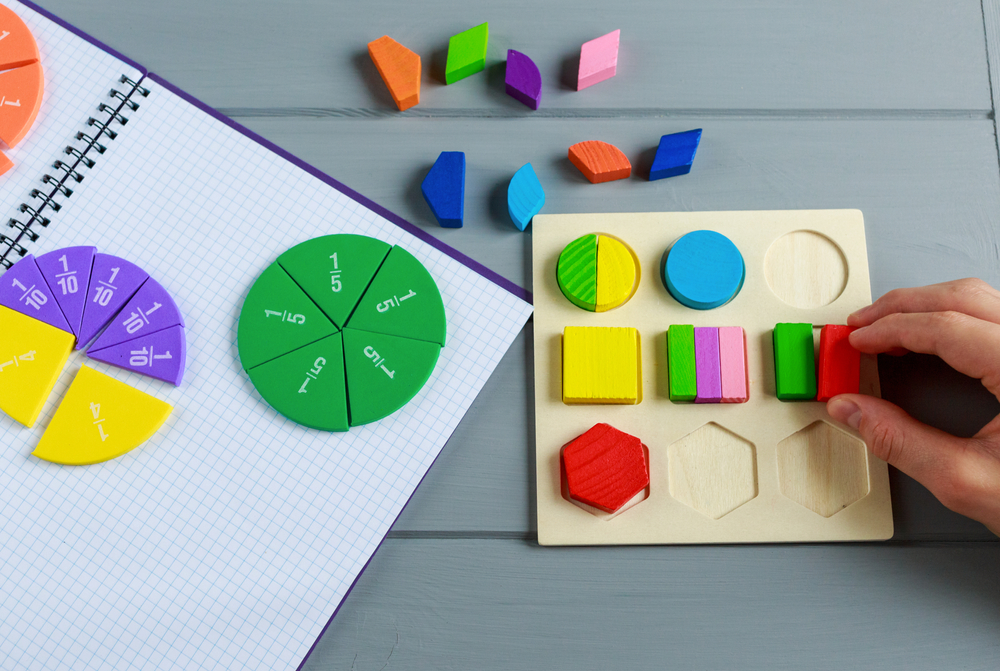


Number recognition and the ability to compare numbers are foundational mathematical skills that are crucial for children aged 3-5. For both parents and teachers, fostering these skills early on sets the stage for future academic success. Recognizing numbers helps children make a connection between the numeral and its corresponding quantity, which is essential for understanding more complex mathematical concepts later on.
When children learn to compare numbers, they develop critical thinking and problem-solving abilities. They begin to understand concepts such as greater than, less than, and equal to. This not only applies to math but also enhances their decision-making skills in everyday situations. For example, they can determine who has more or fewer toys, or which group of objects is bigger or smaller.
Furthermore, early proficiency in number recognition and comparison skills strengthens a child's confidence in their abilities. This confidence can significantly impact their attitudes toward learning in general. Children who struggle with basic math skills early on may develop a negative perception of mathematics and may be less engaged in school activities.
Parents and teachers play a vital role in nurturing these skills through playful learning experiences, games, and everyday interactions. By doing so, they lay a critical foundation that supports their children’s overall cognitive development and academic journey.