Basic arithmetic comprehension Math Worksheets for Ages 3-5
5 filtered results
-
From - To
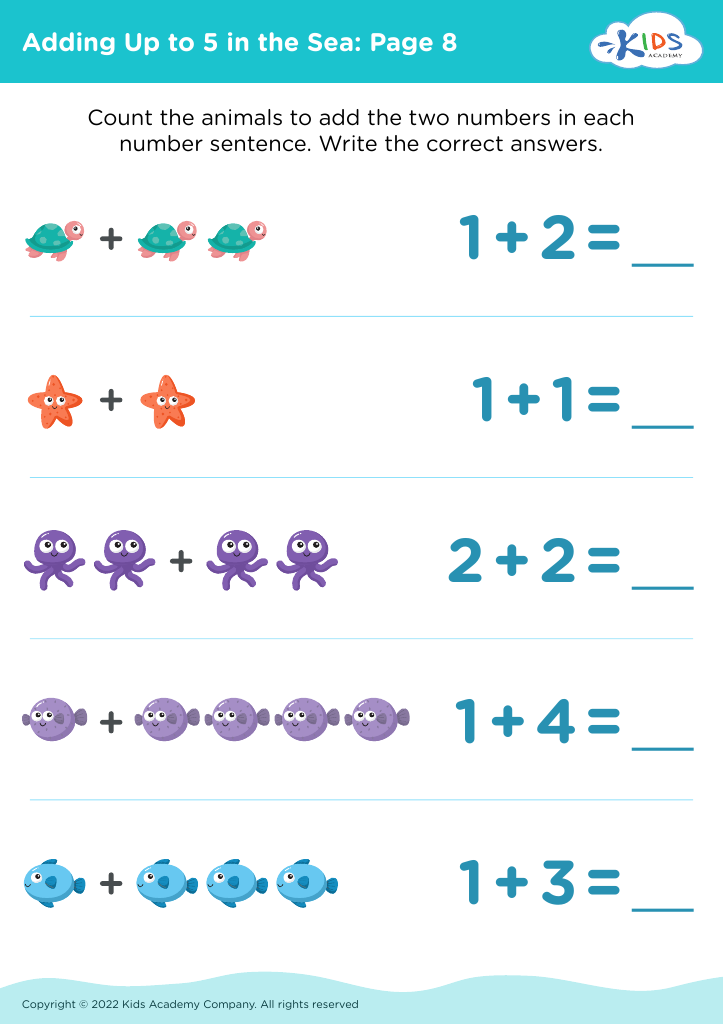
Discover our engaging Basic Arithmetic Comprehension Math Worksheets designed specifically for young learners aged 3-5. These worksheets provide a fun and interactive way for children to develop essential math skills. Featuring vibrant illustrations and age-appropriate exercises, kids will explore fundamental concepts like counting, addition, and subtraction. Our resources encourage critical thinking and help build a strong foundation for future math learning. Plus, they're perfect for both classroom and home practice! Empower your little mathematicians with these worksheets and watch their confidence and comprehension grow. Join us in making math a joyful experience for early learners!
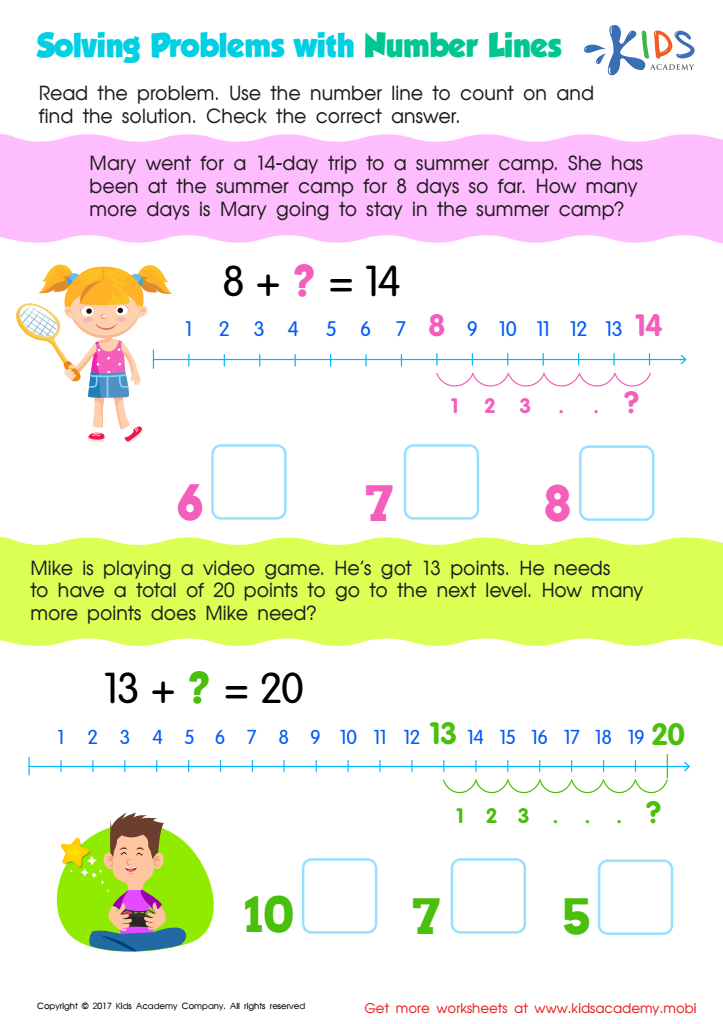
Solving Problems: Number Lines Worksheet
 Assign to My Students
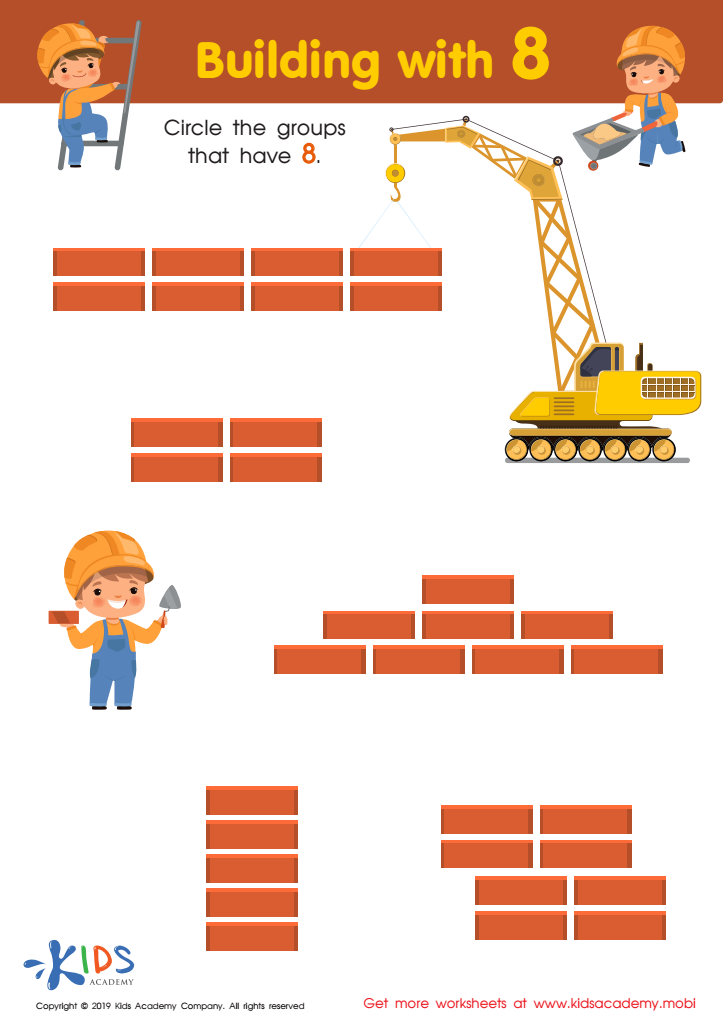
Building with 8 Worksheet
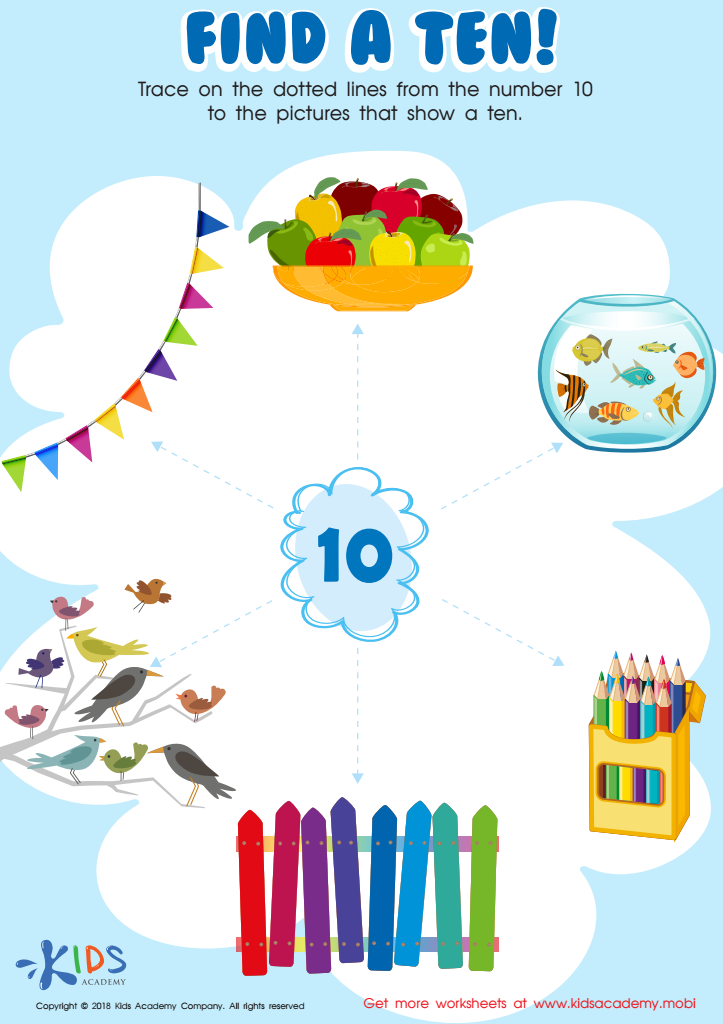
Kindergarten Math Worksheet: Find a Ten
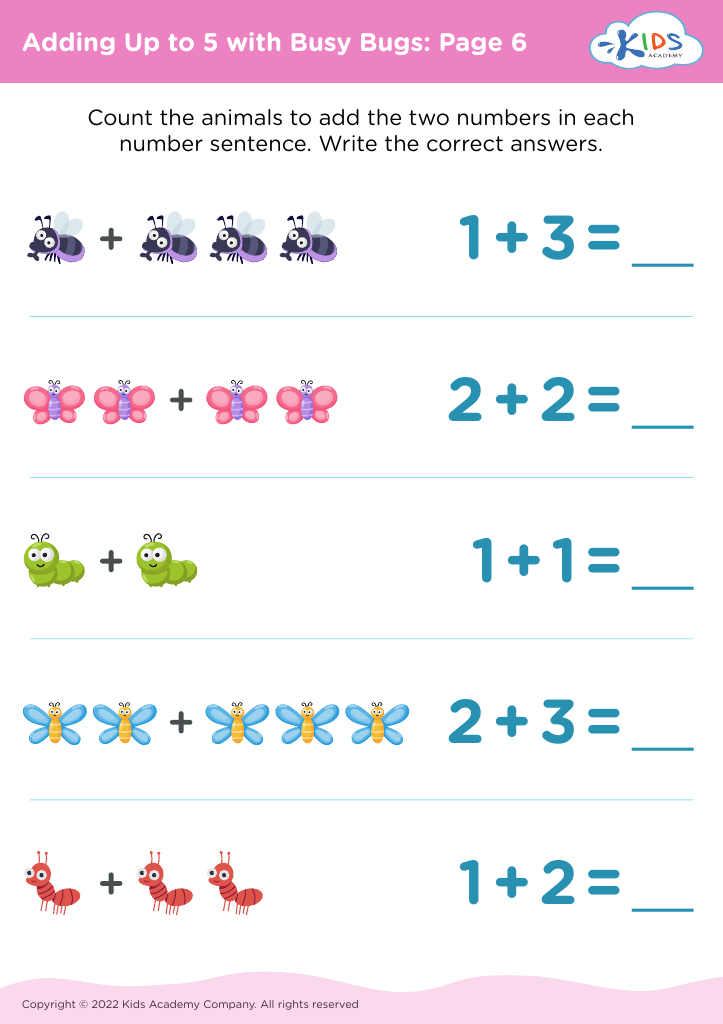






.jpg)
Basic arithmetic comprehension for children aged 3-5 is essential for several reasons. Firstly, early mathematical skills lay the foundational blocks for future learning. Young children who engage with concepts such as counting, number recognition, and simple addition and subtraction gain confidence in their abilities to tackle more complex mathematical challenges in later grades.
Secondly, incorporating math into early childhood education fosters critical thinking and problem-solving skills. Activities like counting toys or sharing snacks help children learn through play, making abstracts concepts concrete and enjoyable. This builds not only arithmetic comprehension but also cognitive skills crucial for everyday decision-making.
Furthermore, nurturing a child's interest in math helps combat early attitudes that numbers are boring or difficult, paving the way for a lifelong positive relationship with the subject.
Teachers and parents can also promote social-emotional development by facilitating collaborative learning experiences in arithmetic. As children work together in small groups, they enhance their communication skills and develop patience, empathy, and teamwork.
Caring about basic arithmetic helps child development as numeracy is intertwined with literacy and broader cognitive skills, ultimately preparing them for academic success and independent problem-solving in their everyday lives.








